
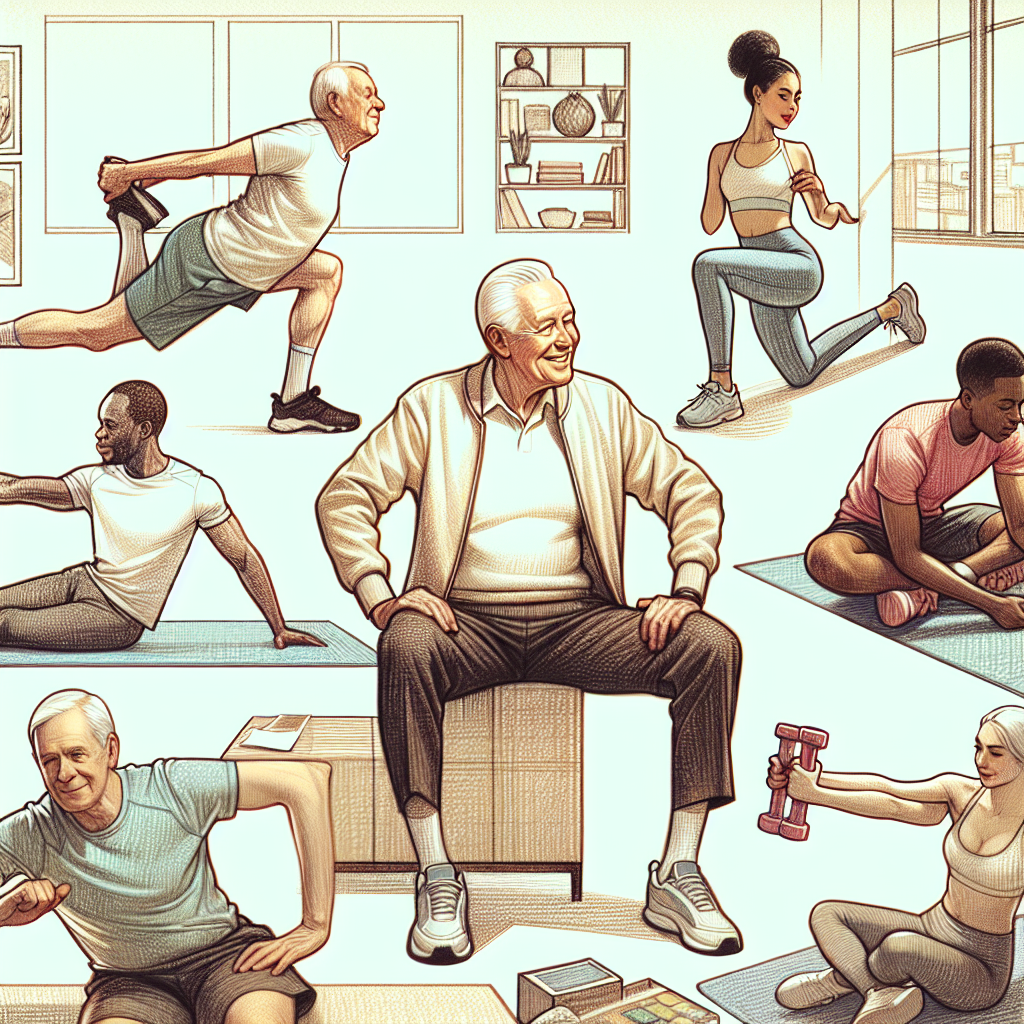
In today’s fast-paced world, finding time to exercise can be a significant challenge. Fortunately, gym exercises without equipment offer an effective solution for individuals seeking to improve their fitness levels without the need for a gym membership or extensive equipment. These exercises can be performed in the comfort of your home, allowing you to enhance strength, flexibility, and stamina in a time-efficient manner. Whether you’re a fitness enthusiast or a beginner, this guide will provide you with actionable exercises that can yield impressive results.
- Understanding Bodyweight Exercises
- Key Benefits of Exercising Without Equipment
- Essential Bodyweight Exercises
- Creating a Workout Routine
- When to Consult a Professional
- Common Myths about Bodyweight Training
- FAQ
- Conclusion
Understanding Bodyweight Exercises
Bodyweight exercises utilize your own weight as resistance, engaging multiple muscle groups simultaneously. These exercises can enhance coordination, improve muscular endurance, and promote better functional movement. They are versatile, allowing for modifications that can accommodate various fitness levels.
Key Benefits of Exercising Without Equipment
Exercising without equipment provides numerous advantages:
- Convenience: You can perform these exercises anywhere, eliminating barriers such as travel time to the gym.
- Cost-effective: Save on gym memberships and equipment purchases, making fitness accessible to everyone.
- Flexibility: You can design workouts to fit any schedule, even if only for a few minutes a day.
- Variety: A wide range of movements keeps workouts engaging and effective.
Essential Bodyweight Exercises
Here are some key exercises that incorporate different muscle groups and movement patterns:
- Squats: Great for strengthening the lower body, particularly the quads, hamstrings, and glutes.
- Push-ups: An effective exercise for developing upper body strength in the chest, shoulders, and triceps.
- Planks: Excellent for core stability and strength, activating various muscle groups.
- Lunges: Focus on flexibility and strength in the legs, promoting balance and coordination.
- Burpees: A full-body workout that enhances cardiovascular fitness and muscular endurance.
Practical Steps to Execute Your Routine
To create an effective bodyweight workout routine, follow these steps:
- Choose 4-5 exercises from the list above.
- Decide on the duration (e.g., perform each exercise for 30 seconds followed by 15 seconds of rest).
- Repeat the circuit 2-3 times based on your fitness level.
- Incorporate flexibility by varying the exercises or adjusting the time and rest intervals.
- Consider following a structured program; for instance, register for this free 30-day exercise program that takes only 6 minutes a day.
When to Consult a Professional
While bodyweight exercises are generally safe for most individuals, there are certain circumstances where seeking professional guidance is advisable:
- Injuries: If you have a pre-existing injury or health condition, consult a healthcare provider before starting any exercise program.
- Pain: Persistent pain during or after exercise may require assessment to rule out underlying issues.
- Goal-Oriented Training: If you have specific fitness goals, working with a trainer may optimize your results.
Common Myths about Bodyweight Training
There are several misconceptions surrounding bodyweight exercises that may deter individuals from engaging in this effective form of training:
- Myth 1: Bodyweight exercises are only for beginners. Reality: They can be adapted for all fitness levels.
- Myth 2: You cannot build muscle without weights. Reality: Progressive bodyweight training can lead to significant muscle gain.
- Myth 3: All bodyweight exercises lack intensity. Reality: Exercises like burpees and mountain climbers can provide substantial cardiovascular and muscular intensity.
FAQ
What are bodyweight exercises?
Bodyweight exercises utilize your own weight as resistance, allowing for strength training and muscle engagement without the need for equipment.
Can you gain muscle without equipment?
Yes, progressive bodyweight exercises can effectively build muscle and strength.
How do I create a bodyweight workout routine?
Select a variety of exercises, decide on durations and rest periods, and ensure to incorporate progressive challenges over time.
Are bodyweight exercises safe for everyone?
Generally, yes, but individuals with injuries or specific health concerns should consult a professional before starting.
What if I have limited space for exercising?
Many bodyweight exercises require minimal space; movements like push-ups and squats can be effectively performed in smaller areas.
How can I track my progress with bodyweight training?
Monitor performance metrics such as the number of repetitions, the duration you can hold positions, or overall workout time to gauge improvement.
Conclusion
- Bodyweight exercises are versatile and effective for improving fitness without equipment.
- They offer numerous benefits, including convenience and cost-effectiveness.
- Creating a structured routine can optimize results.
- Consult professionals when needed, particularly if dealing with injuries or specific goals.
- Dispel common myths to embrace the full potential of bodyweight training.
Embarking on a journey of fitness without equipment not only enhances your physical strength but also contributes positively to your overall well-being. Consider integrating bodyweight exercises into your daily routine, or for a more structured approach, register for this free 30-day exercise program today!
Author: John Angel