Introduction
In an era where fitness becomes increasingly essential to overall well-being, the idea of exercising without weights has gained considerable traction. Engaging in a gym-free workout routine can offer substantial benefits, including enhanced flexibility, improved cardiovascular health, and increased muscle tone. Furthermore, such exercises are often more accessible and can be performed virtually anywhere, making them ideal for those with busy schedules or limited space. This article explores effective strategies for engaging in a gym without weights, emphasizing practical exercises and highlighting a unique 30-day program that allows for meaningful results through just six minutes of daily effort.
- Understanding Bodyweight Workouts
- Key Benefits of No-Weights Training
- Effective Bodyweight Exercises
- Creating a Structured Routine
- When to Seek Professional Advice
- Common Myths and Misconceptions
- Frequently Asked Questions
- Conclusion: A Path Forward
Understanding Bodyweight Workouts
Bodyweight workouts utilize one’s own weight as resistance to build strength, flexibility, and endurance. This form of training can include a variety of movements that target multiple muscle groups concurrently. Unlike traditional weightlifting, which often necessitates equipment, bodyweight exercises can be seamlessly integrated into daily routines and require minimal space, making them an excellent alternative.
Key Benefits of No-Weights Training
- Accessibility: No weights or gym memberships are required.
- Flexibility: Workouts can be done anywhere—at home, in a park, or while traveling.
- Functional Strength: Enhances real-world strength for daily activities.
- Reduced Injury Risk: Lower chances of injury when using bodyweight compared to heavy weights.
- Cost-Efficiency: Eliminates costs associated with gym equipment or facilities.
Effective Bodyweight Exercises
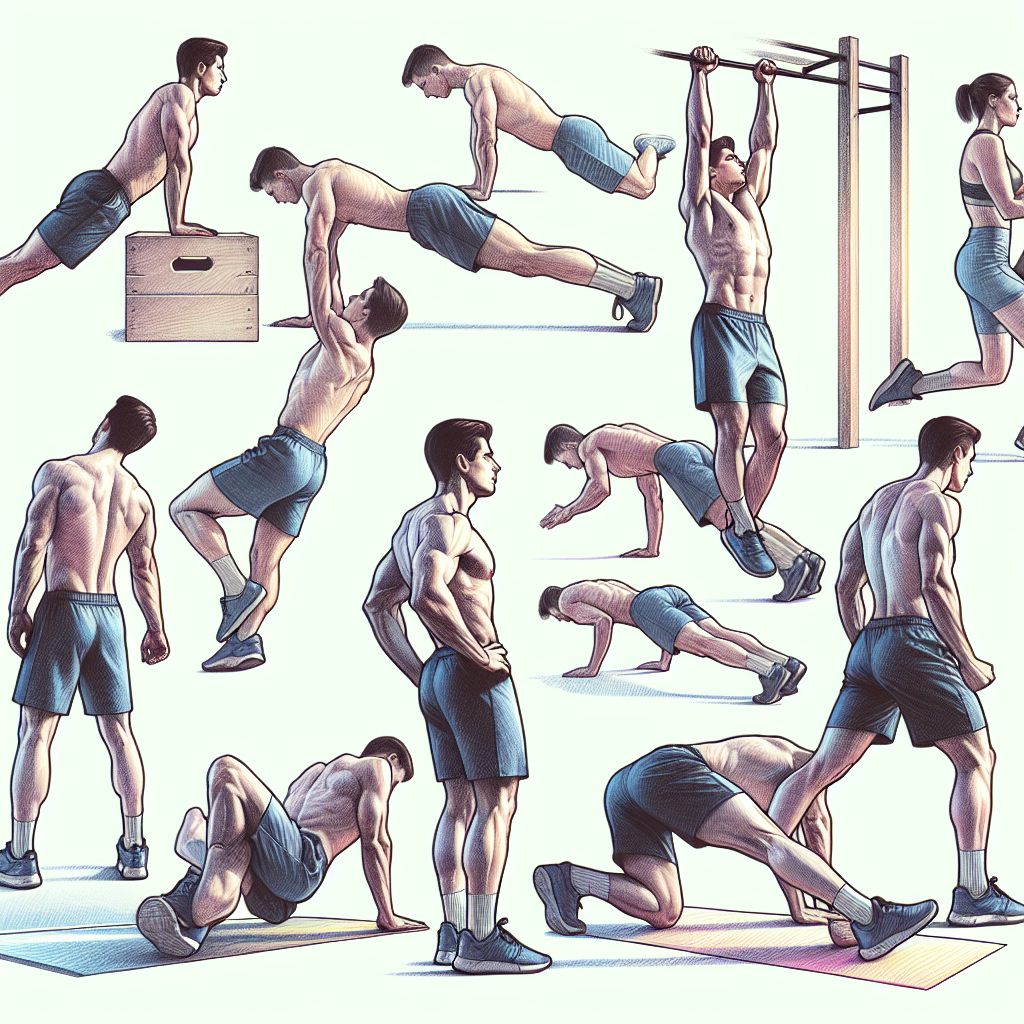
Here are several exercises that can be easily performed without the use of weights:
- Push-Ups: Targets the chest, shoulders, and triceps.
- Squats: Focuses on the lower body including quadriceps and hamstrings.
- Lunges: Works on stability and strength in the legs and glutes.
- Planks: Strengthens the core and enhances overall stability.
- Burpees: A full-body exercise that boosts cardiovascular fitness.
- Mountain Climbers: Improves agility and core strength.
Creating a Structured Routine
Establishing a regular workout routine enhances consistency and fosters results. Here are steps to create your own bodyweight fitness plan:
- Determine Your Goals: Identify whether your aim is to lose weight, gain strength, or improve flexibility.
- Set a Schedule: Allocate specific days and times for your workouts.
- Incorporate Variety: Include different exercises to target various muscle groups and avoid boredom.
- Progress Gradually: Increase the intensity or duration of workouts as your fitness improves.
- Track Your Progress: Keep a journal or use an app to monitor improvements and stay motivated.
- Join a Program: Consider a structured plan, such as a free 30-day exercise program that focuses on just six minutes of daily exercise with significant results. Register [here](https://app.revolucnicviceni.cz/en/registration).
When to Seek Professional Advice
While bodyweight workouts are generally safe for most individuals, certain conditions should prompt a consultation with a healthcare or fitness professional:
- If experiencing chronic pain or discomfort during exercise.
- With a history of musculoskeletal injuries.
- If unsure about the correct form of exercises to prevent injury.
- For personalized guidance based on specific fitness goals.
Common Myths and Misconceptions
Despite the growing acceptance of bodyweight exercises, several misconceptions persist:
- You Can’t Build Muscle Without Weights: Bodyweight exercises can effectively build strength and muscle, especially for beginners.
- Bodyweight Training is Only for Beginners: This form of training can be adapted to suit all fitness levels, with advanced variations available.
- It’s Less Effective Than Traditional Weight Training: Both modalities have their benefits and can be equally effective when performed correctly.
- Bodyweight Exercises Are Boring: A diverse range of movements exists that can make workouts engaging and challenging.
Frequently Asked Questions
Can I lose weight with bodyweight exercises?
Yes, when combined with a balanced diet, bodyweight exercises can lead to significant weight loss.
How often should I work out without weights?
Aim for at least three to five times per week to see optimal results.
Are bodyweight exercises suitable for everyone?
Most people can engage in bodyweight exercises, but it’s advisable to consult a professional if you have existing health issues.
How long before I see results?
Results vary, but most individuals notice improvements within a few weeks of consistent workouts.
What are some advanced bodyweight exercises?
Examples include pistol squats, handstand push-ups, and explosive burpees.
Can I combine bodyweight training with other forms of exercise?
Certainly! Combining different forms of exercise can enhance overall fitness and prevent monotony.
Conclusion: A Path Forward
- Bodyweight workouts are an effective alternative to traditional gym exercises.
- They provide a range of benefits including accessibility and variety.
- Establishing a structured routine can help you stay consistent.
- Consult professionals when medical issues arise or for tailored advice.
- Dispelling myths can help motivate individuals to embrace this form of training.
Embarking on a fitness journey does not have to be daunting or expensive. Consider integrating bodyweight exercises into your routine today, and for a structured approach, explore the free 30-day exercise program available [here](https://app.revolucnicviceni.cz/en/registration). Your health and fitness await.
Author: John Angel