
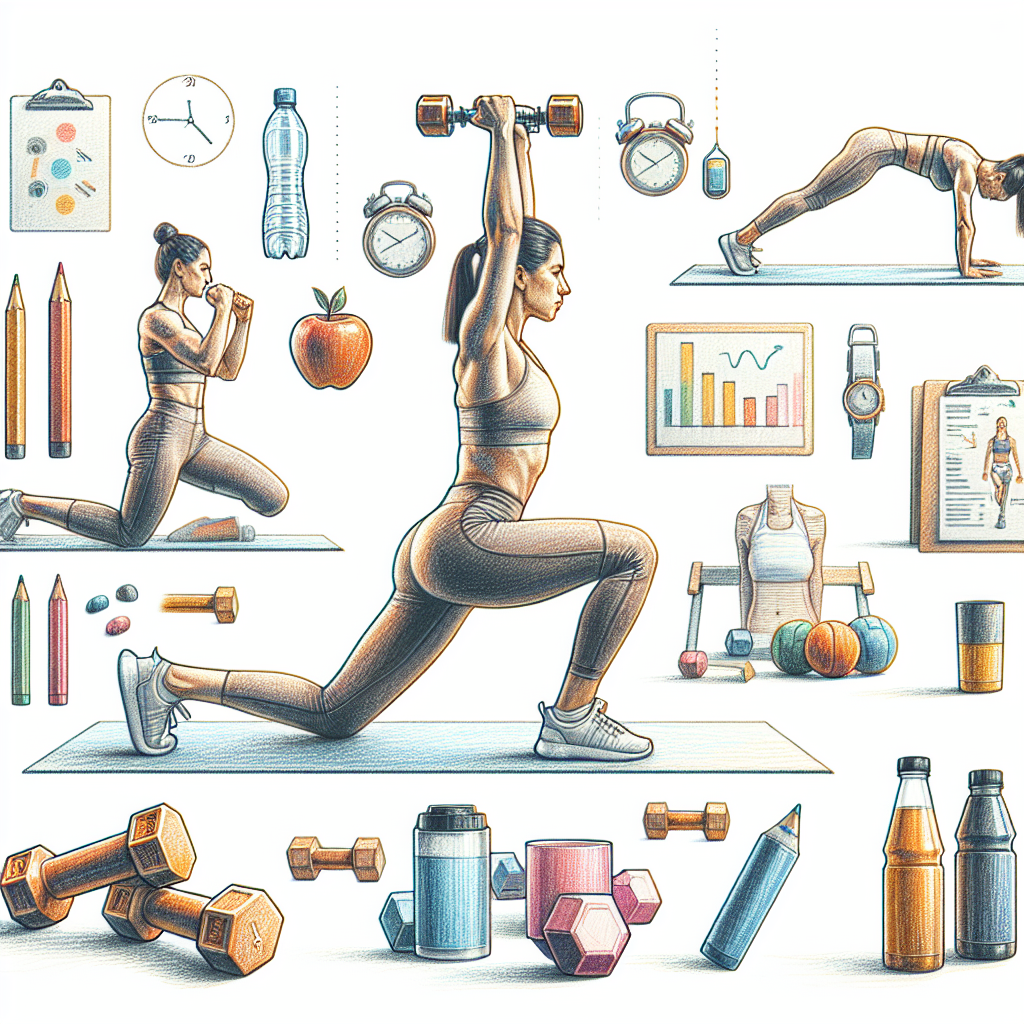
In an era where convenience is often prioritized, many individuals seek to maintain their fitness without the need for extensive gym memberships or equipment. A home workout offers an effective solution, enabling one to engage in physical activity without the constraints of time and location. This article outlines various exercises and strategies for achieving a comprehensive workout at home, taking advantage of body weight and the environment around you.
- Benefits of Working Out at Home
- Essential Exercises for a Full-Body Workout
- Creating a Structured Routine
- Common Myths about Home Workouts
- When to Consult a Professional
- FAQs
Benefits of Working Out at Home
One of the primary advantages of exercising at home is accessibility. Individuals are more likely to commit to physical fitness when they can perform exercises in their own space, free from the intimidation often associated with gyms. Additionally, no travel time or fees contributes to a more sustained practice. Home workouts can also be customized to fit personal schedules, promoting consistency.
Essential Exercises for a Full-Body Workout
Engaging in a well-rounded series of exercises is crucial for developing strength, flexibility, and cardiovascular fitness. The following list highlights effective bodyweight exercises that require no equipment:
- Push-Ups: Strengthen the chest, shoulders, and triceps.
- Squats: Target the thighs, glutes, and core.
- Planks: Enhance core stability and strength.
- Lunges: Work on leg strength and balance.
- Burpees: A full-body exercise that increases cardiovascular endurance.
- Mountain Climbers: Elevate heart rate while working on core strength.
- Tricep Dips: Focus on upper arm strength using a chair or low table.
Creating a Structured Routine
A successful home workout protocol hinges on consistency and structure. This can be achieved by following these guidelines:
- Set specific and achievable fitness goals.
- Allocate dedicated time slots for workouts.
- Incorporate a variety of exercises to prevent boredom.
- Start with a duration of 15-30 minutes, progressively increasing intensity and duration as fitness improves.
- Consider integrating a short routine, such as this 30-day exercise program for just 6 minutes a day, which simulates gym results.
Common Myths about Home Workouts
Despite the numerous benefits of exercising at home, several misconceptions can deter potential enthusiasts:
- Myth 1: Home workouts are less effective than those at the gym. Reality: Proper bodyweight exercises can yield significant results comparable to weight training.
- Myth 2: You must dedicate hours to exercise for it to be worthwhile. Reality: Short, high-intensity workouts can be just as beneficial.
- Myth 3: Equipment is necessary for strength training. Reality: Bodyweight exercises can provide adequate resistance.
When to Consult a Professional
While home workouts can be beneficial, individuals should seek professional advice under certain circumstances:
- Experiencing persistent pain or discomfort during exercise.
- Struggling to achieve fitness goals despite consistent efforts.
- Managing pre-existing health conditions that may require tailored guidance.
- Noticing significant changes in physical health or performance.
FAQs
Can I build muscle without weights?
Yes, bodyweight exercises can effectively build muscle by utilizing the weight of your own body for resistance.
How often should I work out at home?
It is recommended to engage in physical activity at least 150 minutes per week, which can be broken down into several shorter sessions.
Are home workouts safe?
Home workouts are generally safe when exercises are performed with proper form. It’s important to listen to your body and avoid pushing beyond your limits.
What can I use as weights at home?
Household items such as water bottles, backpacks filled with books, or canned goods can serve as rudimentary weights.
Can beginners do home workouts effectively?
Absolutely! Beginners can start with basic bodyweight exercises and progressively increase intensity as they build strength and confidence.
How do I track my progress with home workouts?
Tracking progress can be achieved through journaling workouts, noting repetitions, durations, or physical changes, enhancing motivation and accountability.
Conclusion
- Home workouts provide an easy and accessible way to stay fit.
- A variety of bodyweight exercises can yield significant benefits.
- Routine and structure are essential for success.
- Misconceptions about home workouts should be dispelled to encourage participation.
- Consulting professionals may be necessary for specific issues or conditions.
Consider starting your fitness journey today with a structured plan and a commitment to regular exercise. For an easy and effective approach, explore this 30-day exercise program for just 6 minutes a day.
Author: John Angel