
Introduction
In an age where gym memberships are often seen as essential for fitness, the capability to achieve significant physical results without equipment is increasingly recognized. Transforming your body can be accomplished with just your body weight, making workouts accessible to everyone, regardless of location or resources. This article explores effective gym workouts that require no equipment, offering practical advice and a structured approach to help you enhance your physical fitness.
- Understanding Body Weight Training
- Key Benefits of No-Equipment Workouts
- Structured Workout Examples
- When to Consult a Professional
- Common Misconceptions
- Frequently Asked Questions
- Conclusion
Understanding Body Weight Training
Body weight training refers to exercises where the weight of your body is used as resistance instead of external weights. This form of workout is versatile and can be adapted for all fitness levels. From improving strength and flexibility to enhancing cardiovascular health, body weight exercises provide an array of benefits.
Key Benefits of No-Equipment Workouts
- Accessibility: No gym membership or equipment is required, enabling workouts to be performed anywhere.
- Cost-Effective: Eliminating the need for weights or machines makes this training method financially accessible.
- Flexibility: You can fit short workouts into your schedule, no matter how busy you are.
- Functional Fitness: Exercises mimic natural movements, improving overall body coordination and stability.
- Progressive Overload: Adjust the intensity of exercises by modifying duration, speed, or variation without needing extra gear.
Structured Workout Examples
Here is how you can structure your daily workouts without the use of any equipment. These workouts focus on different muscle groups and can be completed in approximately 6 minutes, providing results comparable to traditional gym workouts.
Example Routine
- Warm-Up (1 minute): Jumping jacks or high knees to get your heart rate up.
- Strength Circuit (4 minutes):
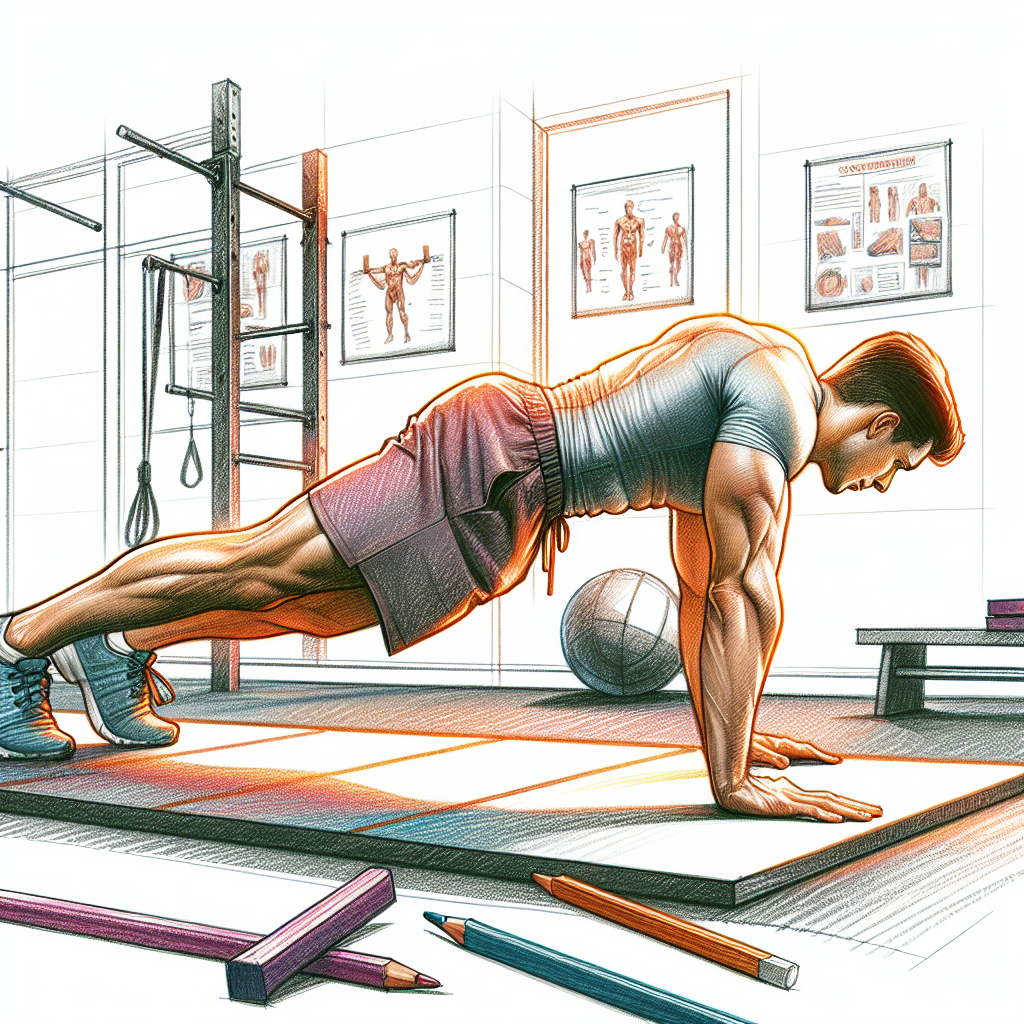
- Push-ups (30 seconds)
- Bodyweight squats (30 seconds)
- Plank (30 seconds)
- Mountain climbers (30 seconds)
- Rest 30 seconds and repeat.
- Cool Down (1 minute): Stretching major muscle groups and deep breathing.
For newcomers seeking a structured approach, consider registering for a free 30-day exercise program that offers just 6 minutes of effective exercise daily.
When to Consult a Professional
While body weight training is safe for most individuals, there are instances where consultation with a fitness professional or healthcare provider is advisable:
- If you are experiencing chronic pain or discomfort during exercise.
- Prior to beginning any new exercise regimen, especially if you have existing health conditions.
- If you have concerns about your physical limitations or specific health conditions.
- When recovering from an injury and needing guidance on rehabilitation exercises.
Common Misconceptions
Despite the effectiveness of equipment-free workouts, several myths persist about body weight training.
- Myth 1: Body weight training is not as effective as weightlifting. This is untrue; body weight can build muscle effectively through progressive overload.
- Myth 2: No equipment means no results. Correctly executed body weight exercises can yield significant results.
- Myth 3: Body weight training is only for beginners. Advanced variations exist for seasoned athletes as well.
- Myth 4: You can’t build strength without weights. The body engages muscles in versatile ways through natural motions.
Frequently Asked Questions
Can body weight training help with weight loss?
Yes, body weight exercises can target fat loss when combined with a balanced diet and a calorie deficit.
How often should I perform no-equipment workouts?
Maintaining at least three sessions a week can lead to noticeable fitness improvements.
Is it suitable for all ages?
Yes, body weight workouts can be modified to fit all age groups and fitness levels.
What if I find push-ups too difficult?
Start with knee push-ups or incline push-ups against a wall or surface, progressively moving to standard push-ups as you gain strength.
How can I track my progress?
Keep a workout journal or use fitness apps to log your exercises, repetitions, and schedules.
Are there risks associated with body weight training?
Poor form or overtraining can lead to injury, so it’s important to ensure proper technique and to listen to your body.
Conclusion
- Body weight training provides an efficient and versatile way to achieve fitness goals without equipment.
- Accessibility and affordability make it an attractive option for everyone, regardless of fitness level.
- Structuring your workout for maximum effectiveness is achievable in just minutes a day.
- It is essential to seek professional guidance under certain conditions to ensure safety.
- Understanding and addressing common myths can enhance your fitness journey.
Embarking on a journey to fitness doesn’t require extensive resources or space. Start integrating body weight exercises into your routine today, and consider registering for the free 30-day exercise program to help you on your way. Each small step can lead to significant changes in your health and well-being.
Author: John Angel