
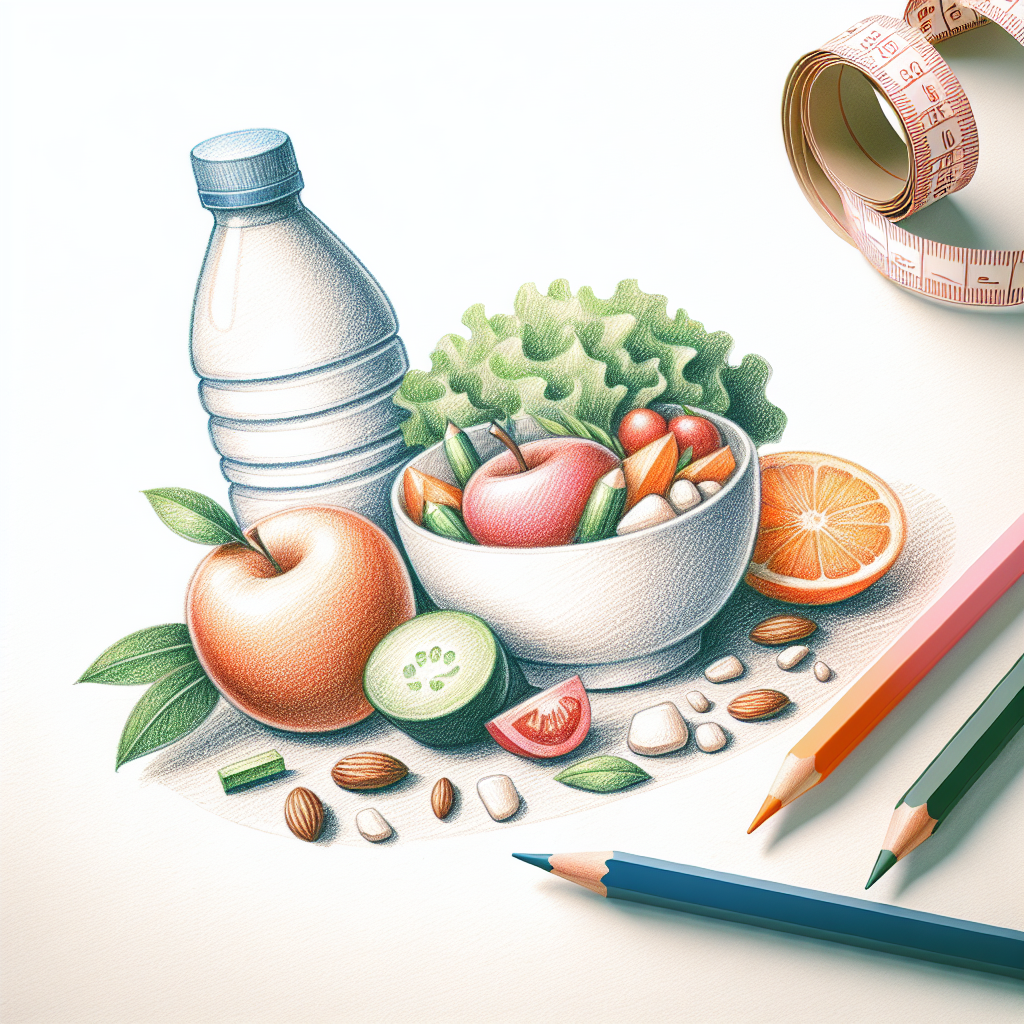
Healthy Meal Plans for Weight Loss
Embarking on a weight loss journey requires a commitment to both nutritious eating and physical activity. A well-structured meal plan can simplify this process, enabling you to make healthier choices and stay accountable. In this article, we will explore various healthy meal plans that support weight loss, while also emphasizing the importance of integrating short yet effective workout routines into your daily life. Register for the SixPack workout program for 30 days free to complement your meal plan with invigorating workouts.
- Understanding Healthy Meal Plans
- Components of a Balanced Meal
- Sample Meal Plans for Weight Loss
- Concrete Steps to Develop Your Meal Plan
- Consulting a Professional: When Is It Necessary?
- Common Myths and Mistakes in Weight Loss
- Frequently Asked Questions
Understanding Healthy Meal Plans
Healthy meal plans are designed to provide essential nutrients while controlling calorie intake. They typically emphasize whole foods, including vegetables, fruits, lean proteins, and whole grains. Such plans not only promote weight loss but also improve overall health and well-being by preventing chronic diseases.
Components of a Balanced Meal
A balanced meal incorporates appropriate portions of macronutrients: carbohydrates, proteins, and fats. Here is a breakdown of each component:
- Carbohydrates: Choose whole grains, fruits, and vegetables for sustained energy.
- Proteins: Select lean meats, poultry, fish, legumes, and plant-based proteins to aid muscle maintenance.
- Fats: Incorporate healthy fats such as avocados, nuts, and olive oil in moderation for heart health.
Sample Meal Plans for Weight Loss
Below are two sample meal plans suitable for weight loss, designed to provide variety and balance:
Meal Plan 1
- Breakfast: Overnight oats topped with berries and a sprinkle of nuts.
- Lunch: Grilled chicken salad with mixed greens, cherry tomatoes, and balsamic vinaigrette.
- Dinner: Salmon fillet with steamed broccoli and quinoa.
- Snacks: Carrot sticks with hummus or a piece of fruit.
Meal Plan 2
- Breakfast: Greek yogurt with honey and sliced almonds.
- Lunch: Quinoa bowl with black beans, corn, diced peppers, and avocado.
- Dinner: Stir-fried tofu with a variety of colorful vegetables and brown rice.
- Snacks: A small handful of mixed nuts or a protein shake.
Concrete Steps to Develop Your Meal Plan
Creating your personalized meal plan can be straightforward. Follow these steps:
- Define Your Goals: Establish how much weight you aim to lose and in what timeframe.
- Assess Your Dietary Needs: Consider any allergies or special dietary requirements.
- Plan Your Meals: Create a weekly menu that incorporates a variety of foods.
- Prepare Your Ingredients: Shop for fresh produce and ingredients to avoid last-minute unhealthy choices.
- Track Your Progress: Keep a journal to monitor your intake and adhere to your meal plan.
Consulting a Professional: When Is It Necessary?
While many individuals can successfully manage their weight through meal planning and exercise, there are occasions when professional guidance is essential. Consider consulting a healthcare provider or a registered dietitian in the following scenarios:
- If you have underlying health conditions that could complicate weight loss.
- When you’re unsure about proper nutrition and meal structuring.
- If you’ve experienced significant weight fluctuations or disordered eating behaviors.
- When attempting to lose weight provides physical or emotional discomfort.
Common Myths and Mistakes in Weight Loss
Understanding common misconceptions is crucial to navigate your weight loss journey successfully. Here are some prevalent myths:
- Myth: Skipping meals aids in faster weight loss.
- Myth: All fats are harmful and should be eliminated entirely.
- Myth: Carbohydrates are the enemy in any diet.
- Myth: Supplements are a fast and easy way to lose weight.
In reality, balanced nutrition and consistency are key to sustainable weight loss.
Frequently Asked Questions
Can I lose weight without exercising?
Weight loss can occur through diet alone, but incorporating exercise enhances results and overall health.
How many calories should I consume daily for weight loss?
This varies based on age, gender, and activity level. A registered dietitian can help determine your specific needs.
Is meal prepping beneficial for weight loss?
Yes, meal prepping can facilitate healthier choices and prevent impulsive eating.
Should I count calories or focus on portion control?
Both methods can be effective; however, focusing on portion control often promotes a more sustainable relationship with food.
How can I stay motivated during my weight loss journey?
Setting small, attainable goals and tracking progress can help maintain motivation.
What role do snacks play in meal planning?
Snacks can help manage hunger and prevent overeating during main meals, provided they are healthy choices.
Conclusion
- Healthy meal plans provide essential nutrients while supporting weight loss.
- Incorporating balanced macronutrients into meals is crucial.
- Personalized meal plans can be developed through structured steps.
- Consulting professionals may be necessary for complicated cases.
- Common myths can hinder successful weight loss strategies.
By integrating a dedicated meal plan with short and efficient workouts, you can streamline your path to better health. Register for the SixPack workout program for 30 days free to enhance your weight loss journey with effective exercise routines.
Author: John Angel