
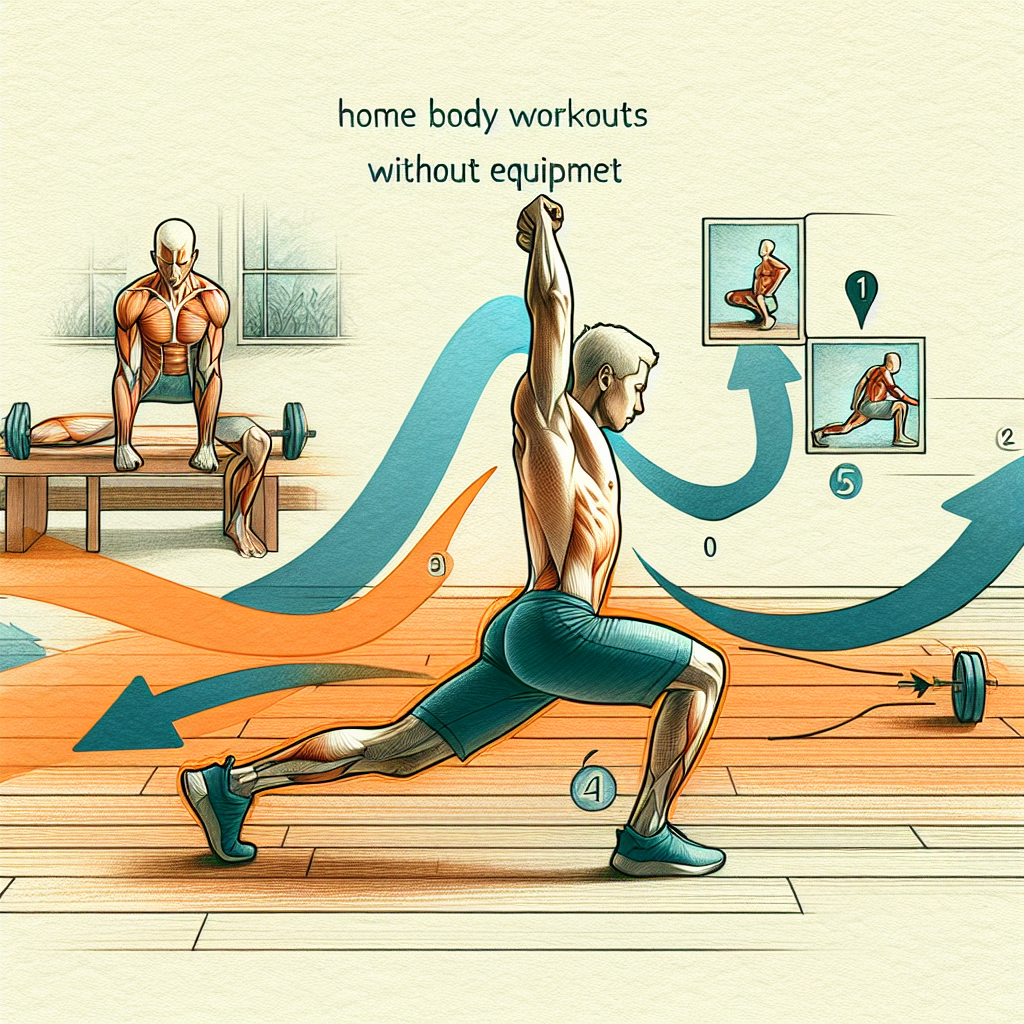
Home Body Workout: No Equipment Needed
In today’s fast-paced world, finding time to hit the gym can be challenging. However, maintaining physical fitness does not necessitate elaborate equipment or extensive time commitments. A home body workout can be highly effective and adaptable, allowing you to improve your strength, flexibility, and overall wellness within the comfort of your living space. In this article, we will explore various exercises that require no equipment, highlight the benefits of home workouts, and guide you with concrete steps for starting a regimen that suits your lifestyle.
- The Benefits of Home Workouts
- Essential Exercises for a Complete Workout
- Creating Your Workout Schedule
- Common Myths and Mistakes
- When to Consult a Professional
- Frequently Asked Questions
- Conclusion
The Benefits of Home Workouts
Home workouts offer several advantages that make them appealing to a broad audience:
- Accessibility: You can work out anytime without a gym membership, saving both money and travel time.
- Flexibility: Tailor your workout to fit your schedule, whether that means early morning sessions or late-night exercises.
- Comfort: Engage in fitness activities in an environment where you feel relaxed and at ease.
- Variety: With a plethora of bodyweight exercises available, you can continuously challenge yourself and prevent workout boredom.
Essential Exercises for a Complete Workout
A well-rounded home workout can encompass different areas of fitness, including strength, endurance, and flexibility. Here are some highly effective exercises you can incorporate:
1. Squats
Squats are exceptional for building lower body strength, particularly in the thighs and glutes.
2. Push-ups
This classic exercise targets the chest, shoulders, and triceps, contributing to upper body strength.
3. Lunges
Lunges focus on the legs and core stability, promoting balance and coordination.
4. Planks
Planks enhance core strength and stability, benefiting posture and reducing the risk of injuries.
5. Burpees
This compound exercise combines squats, push-ups, and jumps, providing a full-body workout that improves cardiovascular fitness.
Creating Your Workout Schedule
To maximize the effectiveness of your home workout routine, consistency is essential. Follow these steps to create a structured schedule:
- Determine your fitness goals: Identify what you aim to achieve—strengthening, weight loss, or increased endurance.
- Choose a time that works for you: Schedule a daily window for your workout, even if it’s just 6 minutes. Consider registering for a free 30-day exercise program where you can achieve impressive results in just 6 minutes a day: 30-Day Exercise Program.
- Incorporate a variety of exercises: Mix strength training with cardiovascular activities to keep your routine engaging and comprehensive.
- Track your progress: Use a journal or fitness app to monitor changes in your strength and endurance.
Common Myths and Mistakes
Despite the growing popularity of home workouts, several misconceptions persist:
- Myth 1: You cannot achieve significant results without equipment. Truth: Bodyweight exercises can be highly effective when performed correctly.
- Myth 2: Longer workouts are better. Truth: Quality matters more than duration; short, focused workouts can also be beneficial.
- Mistake: Neglecting warm-up and cool-down. This can lead to injuries, so incorporating these components is crucial.
When to Consult a Professional
While home workouts can be a safe and effective option for many, there are instances when consulting a qualified fitness professional is advisable:
- If you have pre-existing health conditions such as heart disease, diabetes, or chronic pain
- If you experience discomfort or pain during exercises
- If you are unsure about the effectiveness or safety of your workout regimen
Frequently Asked Questions
Can beginners do home workouts effectively?
Yes, beginners can achieve effective results with bodyweight exercises, ensuring they start with manageable routines.
How often should one perform home workouts?
Aim for at least 3-5 times per week, keeping sessions consistent but flexible to fit your personal schedule.
Do I need a mat for floor exercises?
A mat is not essential, but it can provide comfort and support, especially for exercises like planks and push-ups.
Can I lose weight with bodyweight exercises?
Yes, bodyweight exercises can contribute to weight loss when combined with a balanced diet and consistent routine.
How do I keep my motivation high for home workouts?
Set achievable goals, track your progress, and consider joining online communities for encouragement and accountability.
Are there any risks to home workouts?
As with any exercise, risks exist, particularly if proper form is not maintained or if you push beyond your limits. Always listen to your body.
Conclusion
- Home workouts are accessible and time-efficient.
- Bodyweight exercises provide a comprehensive fitness routine.
- Creating a structured workout schedule is key to success.
- Many common misconceptions about home workouts should be addressed for clarity.
- Consult a professional when necessary to ensure safety and effectiveness.
Start your journey to improved fitness today. Try incorporating bodyweight exercises into your daily routine and consider signing up for a free 30-day exercise program here: 30-Day Exercise Program. Achieving your fitness goals has never been more attainable!
Author: John Angel