
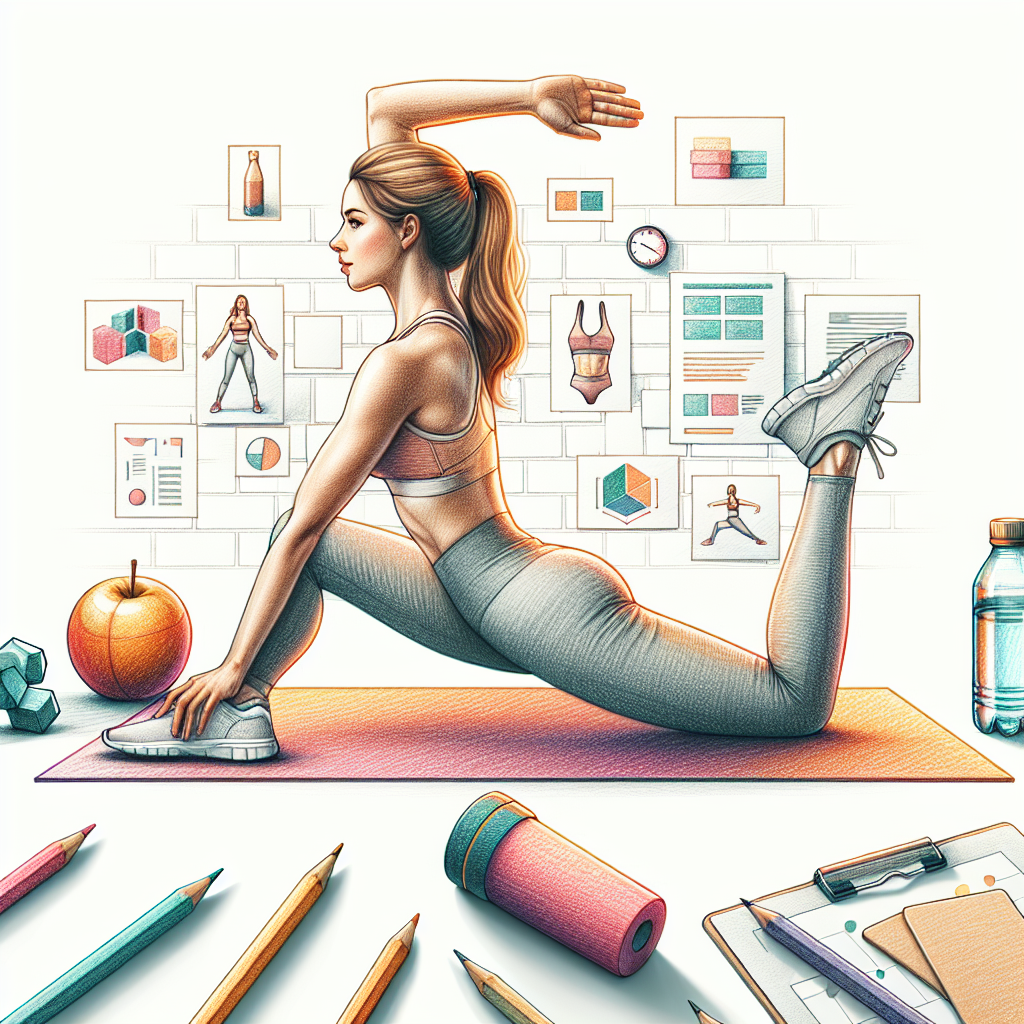
Utilizing home fitness exercises without equipment can provide you with a flexible and accessible means to enhance your physical health. These exercises require no financial investment in gym equipment, enabling you to integrate fitness seamlessly into your daily routine. With minimal time commitment and space requirement, even the busiest individuals can prioritize their well-being. Here, we will explore effective exercises, their benefits, and best practices for incorporating them into your lifestyle.
- Introduction
- Understanding Bodyweight Exercises
- Essential Home Exercises
- Creating Your Daily Routine
- Common Myths About Home Fitness
- When to Consult a Professional
- Frequently Asked Questions
- Conclusion
Understanding Bodyweight Exercises
Bodyweight exercises leverage the weight of your body to create resistance, effectively promoting strength and endurance. They can be advantageous for individuals of all fitness levels, as these exercises often allow for easy modifications to suit personal capabilities.
Benefits of Bodyweight Exercises
Engaging in bodyweight exercises has several upsides:
- No equipment needed: Accessible virtually anywhere.
- Improved strength: Helps build functional strength and muscular endurance.
- Flexibility: Many exercises promote increased flexibility and mobility.
- Caloric burn: Effective in burning calories and aiding in weight management.
- Core stability: Many movements enhance core muscle engagement, crucial for overall stability.
Essential Home Exercises
Here is a list of key exercises you can perform at home without equipment:
1. Push-Ups
Push-ups target the chest, shoulders, arms, and core. Begin in a plank position, lowering your body until your chest nearly touches the ground and then pushing back up.
2. Squats
Squats strengthen the lower body, including the glutes, hamstrings, and quadriceps. Stand with your feet hip-width apart, lower your body as if sitting in a chair, and rise back up.
3. Planks
Planks enhance core strength and stability. Start in a push-up position and hold your body in a straight line from head to heels for as long as comfortably possible.
4. Lunges
Lunges work the legs and glutes. Step forward with one leg, lower your hips until both knees are bent at about a 90-degree angle, and return to a standing position.
5. Burpees
Burpees combine strength and cardio. From a standing position, drop into a squat, kick your feet back, return to a squat, and jump up explosively.
Creating Your Daily Routine
Designing a fitness routine at home can be straightforward. Here is a simple guideline for crafting your daily routine:
- Allocate Time: Set aside at least 10-30 minutes each day.
- Choose Exercises: Select 4-5 exercises from the previous section.
- Set Repetitions: Aim for 10-15 repetitions for strength exercises and hold for 20-60 seconds for planks.
- Gradually Increase Intensity: As you progress, introduce variations or increase repetitions.
- Rest and Recover: Ensure adequate rest between workouts to allow muscle recovery.
For a guided approach, consider participating in a systematic program. You can register for a 30-day exercise program where you only exercise for 6 minutes every day and still achieve results akin to gym workouts by clicking here.
Common Myths About Home Fitness
Several misconceptions exist regarding home fitness that may deter individuals from fully committing to a home workout regime:
- You Need Gym Equipment: Many effective exercises require only your body weight.
- Home Workouts Are Ineffective: With proper intensity and consistency, home workouts can yield significant results.
- More Time Equals Better Results: Quality often trumps quantity—short, high-intensity workouts can be very effective.
- Only Beginners Use Bodyweight Exercises: Athletes and veterans, too, incorporate bodyweight exercises for versatility and functional strength.
When to Consult a Professional
There are certain scenarios where consulting a qualified fitness professional is advisable:
- If you are unsure about your exercise form or technique.
- If you experience pain or discomfort that persists during workouts.
- For personalized exercise programs tailored to specific health conditions or goals.
- If you are returning after an injury or extended break from physical activity.
Frequently Asked Questions
What exercises can I do at home without any equipment?
You can perform push-ups, squats, lunges, burpees, and planks with no equipment.
How long should I work out at home?
A 10-30 minute session daily can be very effective for home workouts.
Can bodyweight exercises build muscle?
Yes, bodyweight exercises can build muscle, improve strength, and enhance endurance.
How can I measure my progress without equipment?
You can track repetitions, duration, and how you feel during exercises over time.
Is it necessary to warm up before home workouts?
Yes, warming up is essential to prepare your body and reduce the risk of injury.
Are home workouts suitable for everyone?
Most people can benefit from home workouts, but individuals with specific health issues should consult a professional.
Conclusion
- Bodyweight exercises offer an effective means of maintaining fitness without equipment.
- Creating a structured routine can help you stay consistent in your fitness efforts.
- Address common myths to boost your confidence in home workouts.
- Consult a professional when experiencing pain or when personalized guidance is needed.
- Embrace the convenience of home fitness to improve overall well-being.
Consider integrating home fitness exercises into your daily routine by leveraging the vast array of equipment-free workouts available. Take a step toward better health and explore the program available through the link provided earlier.
Author: John Angel