
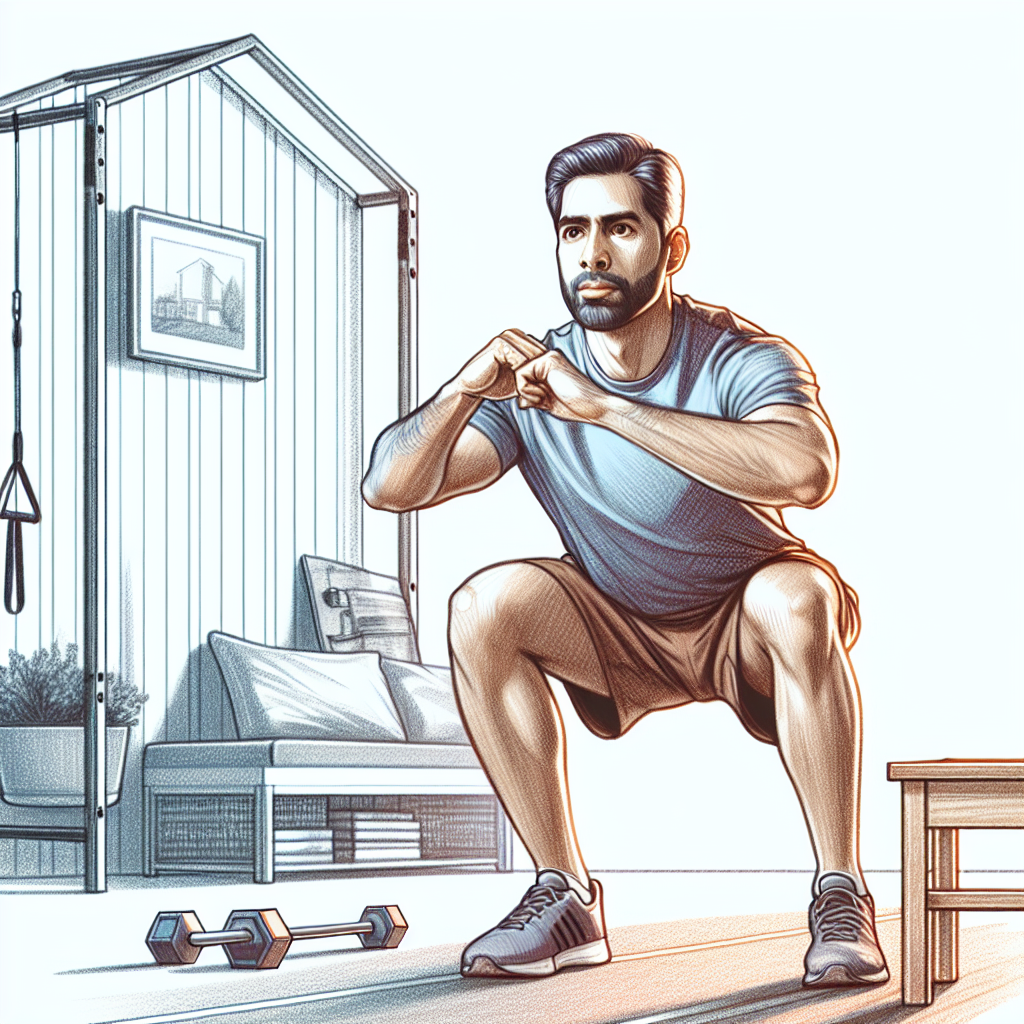
In today’s fast-paced world, finding time to exercise can be a challenge. However, you can achieve significant fitness benefits without stepping foot in a gym or using weights. Home exercises without weights are not only convenient but also effective in building strength, endurance, and flexibility. This article will explore various bodyweight exercises, provide a comprehensive guide on their benefits, and offer practical tips to create an efficient workout routine from the comfort of your own home.
- Understanding Bodyweight Exercises
- Benefits of Exercising Without Weights
- Effective Bodyweight Exercises
- Creating a Structured Routine
- When to Consult a Professional
- Myths and Misconceptions
- FAQ
- Conclusion
Understanding Bodyweight Exercises
Bodyweight exercises are physical activities that use your own weight as resistance. This form of training is versatile, allowing individuals of all fitness levels to engage in strength-building routines. Common examples include push-ups, squats, lunges, and planks. The beauty of bodyweight exercises lies in their adaptability; you can modify them to suit your fitness level, from complete beginners to advanced athletes.
Benefits of Exercising Without Weights
Engaging in weight-free workouts comes with numerous benefits:
- Convenience: You can perform these exercises anywhere and at any time.
- Improved Mobility: Bodyweight exercises promote functional fitness, enhancing your body’s range of motion and stability.
- Injury Prevention: Using your own body helps to maintain proper form, reducing the likelihood of injuries associated with heavy weights.
- Cost-effectiveness: There is no need for expensive gym memberships or equipment.
- Full-body Engagement: These workouts often engage multiple muscle groups, promoting overall strength and balance.
Effective Bodyweight Exercises
Here are some powerful bodyweight exercises to incorporate into your routine:
- Push-ups: Strengthens the chest, shoulders, and triceps.
- Squats: Targets the quadriceps, hamstrings, and glutes.
- Lunges: Excellent for lower body strength and balance.
- Planks: Builds core stability and strength.
- Burpees: A full-body exercise that improves cardiovascular endurance.
Creating a Structured Routine
A well-structured workout routine is essential for maximizing the benefits of bodyweight exercises. Here’s how to create one:
- Set Clear Goals: Define what you want to achieve, whether it’s building muscle, losing weight, or improving overall fitness.
- Schedule Workouts: Dedicate specific times for your workouts to develop consistency.
- Mix It Up: Include various exercises to target different muscle groups and maintain interest.
- Start Slowly: If you’re a beginner, start with fewer repetitions and gradually increase as you gain strength.
- Monitor Progress: Keep track of your workouts, noting improvements in strength, endurance, and overall fitness.
For those seeking an extremely efficient routine, you can achieve results with just six minutes of exercise each day, as demonstrated in this 30-day program. This approach ensures that you can fit fitness into even the busiest lifestyle.
When to Consult a Professional
While bodyweight exercises are generally safe, instances may arise where professional guidance is beneficial:
- If you experience persistent pain or discomfort during exercises.
- When you have pre-existing medical conditions or injuries that may influence your ability to exercise.
- If you are unsure about the correct form and technique for certain exercises.
- When you need personalized advice to achieve specific fitness goals effectively.
Myths and Misconceptions
Debunking common myths surrounding bodyweight exercises can help you better understand their value:
- Myth #1: Bodyweight exercises are only for beginners. Truth: Advanced variations exist for all fitness levels.
- Myth #2: You cannot build significant muscle without weights. Truth: Bodyweight exercises can effectively build muscle if performed correctly and progressively.
- Myth #3: Bodyweight training is ineffective for cardiovascular fitness. Truth: Many bodyweight exercises, especially those combined in circuits, elevate heart rate significantly.
- Myth #4: You need a lot of space to perform bodyweight exercises. Truth: Most bodyweight exercises can be done in small areas.
FAQ
What are bodyweight exercises?
Bodyweight exercises utilize your own body weight as resistance to build strength and endurance without the need for additional equipment.
Can I build muscle with bodyweight exercises?
Yes, bodyweight exercises can effectively build muscle and improve strength if performed consistently and progressively.
How often should I do bodyweight exercises?
Aim to perform bodyweight exercises at least three times a week for optimal results, allowing rest days for recovery.
Are bodyweight exercises suitable for beginners?
Absolutely. Bodyweight exercises can be modified to suit all fitness levels, making them ideal for beginners.
Do I need any equipment for bodyweight workouts?
No, bodyweight workouts require no equipment, allowing for flexibility in where you exercise.
How long should my bodyweight workout last?
Even short workouts can be effective. You can achieve results in as little as six minutes per day with a structured plan.
Conclusion
- Bodyweight exercises are convenient and effective for individuals of all fitness levels.
- They offer numerous physical and mental benefits without the need for expensive equipment or gym visits.
- Creating a structured routine enhances the effectiveness of your workouts.
- Consult a professional if you experience pain or have specific fitness goals.
- Ignore common myths that underestimate the value of bodyweight training.
Embrace the transformation that comes with exercising at home. Start today, and consider joining a structured program, such as the six-minute daily routine. Your fitness journey is just a few exercises away!
Author: John Angel