
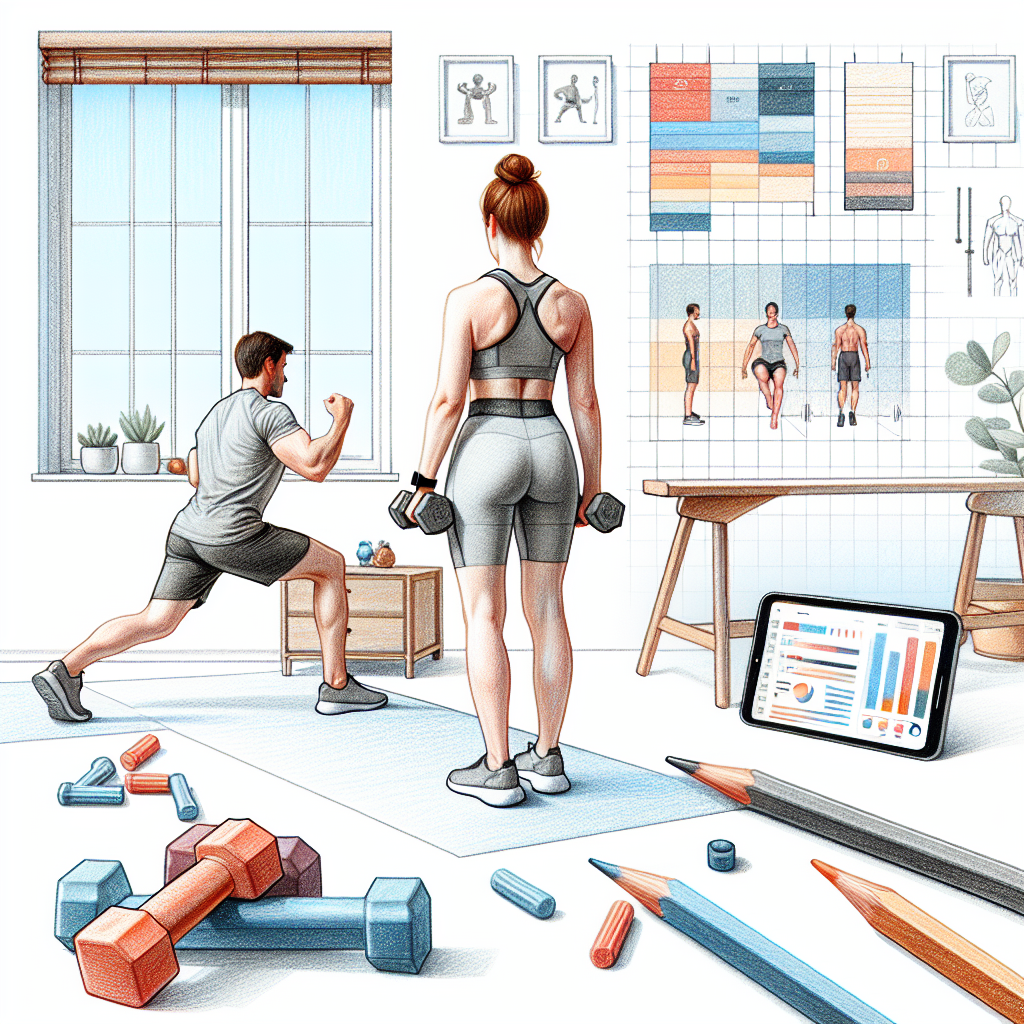
As more individuals seek to enhance their physical fitness without the constraints of a gym membership, the concept of home workouts using no equipment has gained prominence. Not only can bodyweight exercises effectively build muscle, but they also offer the flexibility of time and space, making them ideal for busy lifestyles. In this article, we will explore various bodyweight exercises that can help you achieve remarkable results, alongside practical tips for maximizing your home workout routine.
- Introduction
- Benefits of Bodyweight Training
- Essential Bodyweight Exercises
- Creating an Effective Home Workout Routine
- Common Myths and Mistakes
- When to Consult a Professional
- FAQs
- Conclusion
Benefits of Bodyweight Training
Bodyweight training offers numerous advantages for those looking to build muscle at home. Key benefits include:
- Accessibility: No special equipment is needed, allowing you to exercise anywhere.
- Flexibility: You can adjust the intensity and duration based on your fitness level and time constraints.
- Comprehensive Muscle Engagement: Many bodyweight exercises target multiple muscle groups, promoting functional strength.
- Improved Body Awareness: Without the aid of machines, you learn to control and stabilize your body, enhancing overall performance.
Essential Bodyweight Exercises
Here are some foundational exercises to build muscle at home:
- Push-Ups: Great for building upper body strength targeting the chest, shoulders, and triceps.
- Squats: An excellent compound exercise that engages the quadriceps, hamstrings, and glutes.
- Planks: Effective for building core strength and stability.
- Lunges: Targeting the legs and glutes while improving balance and coordination.
- Burpees: A high-intensity move that combines a squat, jump, and push-up, offering cardiovascular and strength-building benefits.
Creating an Effective Home Workout Routine
To maximize the benefits of bodyweight exercises, consider following these steps:
- Set Clear Goals: Define what you want to achieve (e.g., muscle gain, improved endurance).
- Schedule Your Workouts: Consistency is key; set aside a specific time each day.
- Utilize Circuit Training: Combine exercises in a circuit fashion to increase intensity and reduce workout time.
- Listen to Your Body: Adapt the workouts based on your current fitness level and energy levels.
- Track Your Progress: Keep a record of your workouts and improvements to stay motivated.
For a more structured approach, consider registering for a free 30-day exercise program that requires only 6 minutes of your time each day. This program promises results equivalent to traditional gym workouts. Visit this link to register.
Common Myths and Mistakes
There are several misconceptions surrounding home workouts that can hinder progress:
- Myth 1: Bodyweight training is ineffective for muscle gain. Fact: Bodyweight exercises can be highly effective; they can be modified for increased intensity and focus on progressive overload.
- Myth 2: You need to spend hours working out to see results. Fact: Even short, intense workouts can yield significant benefits.
- Mistake 1: Poor form can lead to injury. Fact: Always prioritize correct technique over quantity.
- Mistake 2: Neglecting recovery can hinder progress. Fact: Recovery is essential; ensure to incorporate rest days and proper nutrition.
When to Consult a Professional
While many individuals can safely follow home workout routines, certain situations warrant professional guidance:
- If you have a history of injuries or medical conditions.
- Experiencing pain beyond normal muscle soreness.
- Seeking personalized training to achieve specific fitness goals.
- Feeling uncertain about exercise form or technique.
FAQs
Can I gain muscle with bodyweight exercises alone?
Yes, bodyweight exercises can effectively build muscle, especially if you progressively increase the difficulty.
How often should I work out at home?
For optimal results, aim for at least three to five times per week, including rest days.
Do I need to warm up before my workout?
Yes, warming up helps prevent injuries and improves performance.
Can I lose weight doing bodyweight exercises?
Absolutely! Coupled with a balanced diet, bodyweight workouts can help you lose weight and improve fitness.
How can I modify exercises if they are too difficult?
Consider reducing repetitions, adjusting body angles, or seeking beginner variations of the movements.
Are bodyweight exercises suitable for beginners?
Yes, bodyweight exercises are highly adaptable for all fitness levels, making them ideal for beginners.
Conclusion
- Bodyweight training provides an effective means to build muscle without equipment.
- Utilizing foundational exercises can yield significant fitness benefits.
- Consistency and a structured approach are crucial for successful workouts.
- It is essential to debunk common myths to fully embrace home training.
- Do not hesitate to seek professional advice if in doubt concerning your training.
Embracing a routine of bodyweight exercises not only supports muscle growth but also cultivates discipline and accountability. Begin your fitness journey today by exploring how such an approach can transform your health and well-being.
Author: John Angel