Staying fit is a goal that many seek to achieve, yet the barriers to entry often deter beginners from starting their fitness journey. One of the most common misconceptions is that a gym membership and expensive equipment are prerequisites for getting fit. In reality, effective home workouts that require no equipment can offer significant results, particularly for those just starting. This article aims to guide beginners through the essentials of home workouts, focusing on efficient routines that require minimal time yet deliver impressive outcomes.
- Understanding the Basics of Home Workouts
- The Benefits of No-Equipment Workouts
- Essential Warm-Up and Cool-Down Routines
- A Simple and Effective Workout Plan for Beginners
- Myths and Mistakes in Home Workouts
- When to Consult a Professional
- FAQs
- Conclusion
Understanding the Basics of Home Workouts
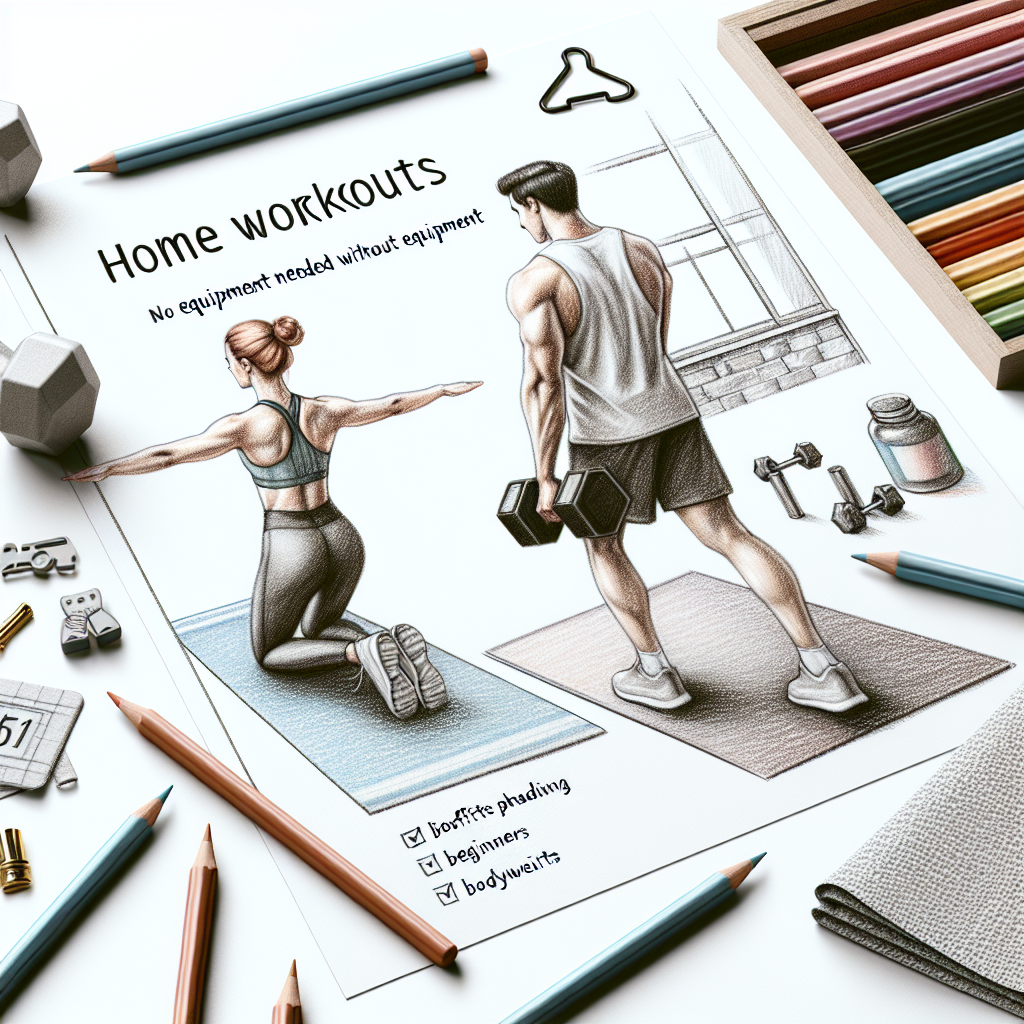
Home workouts are designed to fit into the lifestyle of individuals regardless of their experience level. For beginners, these workouts typically emphasize bodyweight exercises, which effectively build strength, flexibility, and endurance without the requirement of external weights or machines. The fundamental components include exercises such as push-ups, squats, lunges, and planks. These movements engage multiple muscle groups, providing a comprehensive workout that enhances overall physical fitness.
The Benefits of No-Equipment Workouts
No-equipment workouts come with numerous advantages:
- Accessibility: You can perform them anywhere, anytime, making it easier to maintain consistency.
- Cost-effective: Eliminates the cost of gym memberships and residential fitness equipment.
- Time-efficient: Short workouts, including a 6-minute daily routine, can yield results comparable to traditional gym sessions. For instance, consider this 30-day exercise program.
- Adaptability: Workouts can be modified to suit varying fitness levels, ensuring that beginners remain challenged while avoiding injury.
Essential Warm-Up and Cool-Down Routines
Before engaging in any workout, a proper warm-up is crucial to prepare the body and reduce the risk of injury. Similarly, a cool-down phase aids in recovery. Here are essential steps:
Warm-Up Routine
- Arm Circles: 1 minute
- Leg Swings: 1 minute
- Bodyweight Squats: 10 repetitions
- High Knees: 1 minute
- Torso Twists: 1 minute
Cool-Down Routine
- Forward Fold: Hold for 30 seconds
- Shoulder Stretch: Hold for 30 seconds on each side
- Quad Stretch: Hold for 30 seconds on each side
- Child’s Pose: Hold for 1 minute
A Simple and Effective Workout Plan for Beginners
The following is a basic workout plan designed specifically for beginners. This regimen can be performed up to five times a week, with rest days included for recovery:
- Push-Ups: 3 sets of 8-12 repetitions
- Bodyweight Squats: 3 sets of 10-15 repetitions
- Lunges: 3 sets of 8-12 repetitions per leg
- Plank: Hold for 20-30 seconds, repeat for 3 sets
- Burpees: 3 sets of 5-10 repetitions (for an added challenge)
Incorporate cardiovascular exercises such as jogging in place or jumping jacks for an additional 5 to 10 minutes to further enhance fat burning and endurance.
Myths and Mistakes in Home Workouts
As with any fitness endeavor, misconceptions can cloud judgment. Here are common myths regarding home workouts:
- Myth: You need equipment to get fit.
- Fact: Bodyweight exercises are effective for building strength and endurance.
- Myth: Longer workouts yield better results.
- Fact: Short, high-intensity workouts can be equally effective.
- Myth: It’s okay to skip warm-ups and cool-downs.
- Fact: These phases are essential for injury prevention and recovery.
When to Consult a Professional
While home workouts provide an excellent entry point into fitness, certain situations may necessitate professional guidance. It is advisable to consult a qualified fitness trainer or healthcare provider in the following instances:
- If you experience persistent pain during or after workouts.
- When you feel unwell or have underlying health issues.
- If you are unsure how to perform specific exercises correctly.
- When following a special diet or fitness plan that may require oversight.
- If you have previously experienced an injury that could be aggravated by exercise.
FAQs
Can beginners see results from no-equipment workouts?
Yes, beginners can achieve significant results through consistent bodyweight exercises.
How long should I work out as a beginner?
Start with 15 to 30 minutes, gradually increasing as you become more comfortable.
What is the best time to work out?
The best time to work out is when it fits your schedule, whether that be morning, afternoon, or evening.
Do I need to warm up and cool down?
Absolutely. These processes are vital for preventing injury and aiding recovery.
Can I lose weight with home workouts?
Yes, when combined with a balanced diet, home workouts can facilitate weight loss.
How often should I work out?
Aim to exercise 3 to 5 times per week, allowing recovery days in between.
Conclusion
- Home workouts are an accessible and flexible way for beginners to get fit without equipment.
- Short, effective routines can yield comparable results to longer gym sessions.
- Proper warm-ups and cool-downs are essential for injury prevention.
- Mistakes and misconceptions can hinder progress; awareness is key.
- Consult a professional if you encounter issues or have health concerns.
Embrace the journey of fitness with confidence; transformational results are within reach! For a structured yet flexible schedule, consider a 30-day exercise program that requires just 6 minutes a day. Start your fitness journey today!
Author: John Angel