
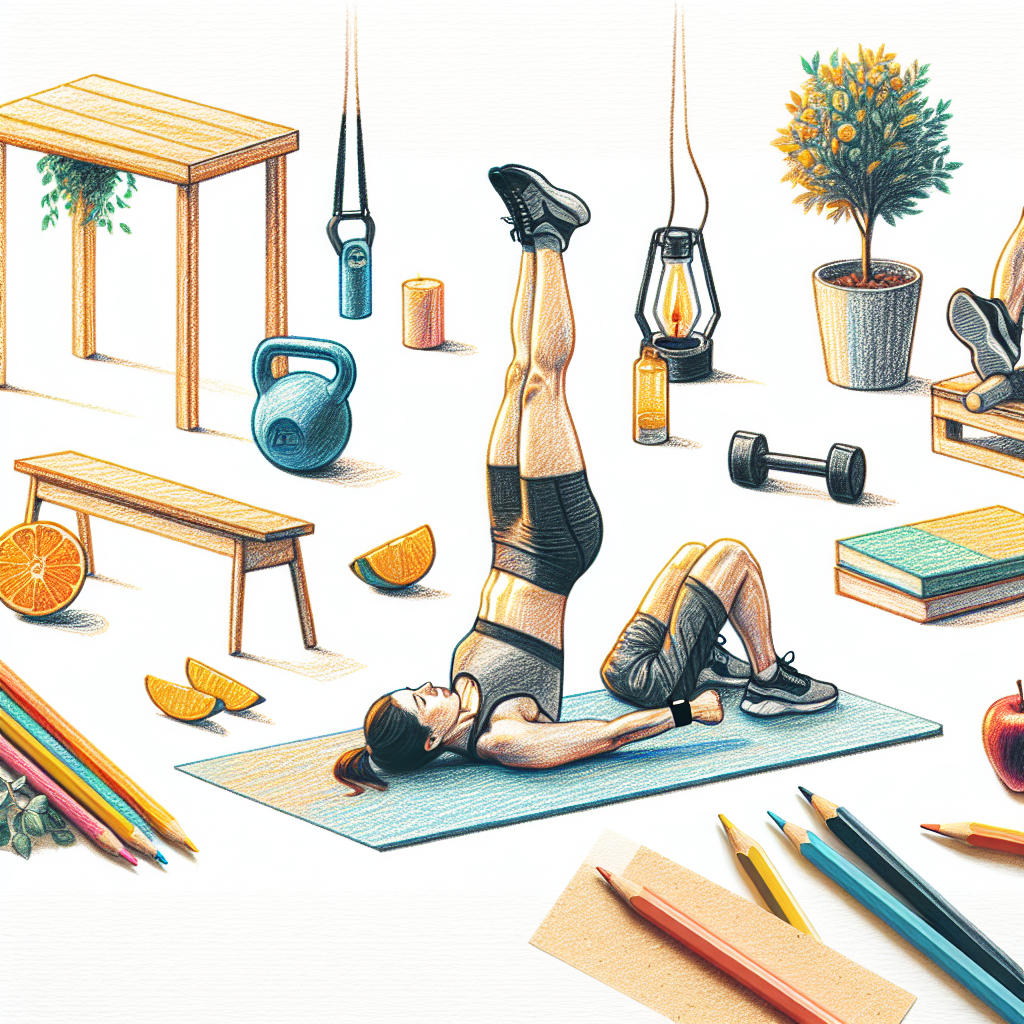
Home Workout Program: No Equipment Necessary
In an increasingly busy world, finding time to exercise can prove to be a challenge. However, the potential for an effective workout that requires no equipment is entirely feasible. Engaging in a home workout program not only promotes physical fitness but also enhances mental well-being. In this article, we will explore various aspects of creating and maintaining a no-equipment home workout program that fits into your lifestyle while being remarkably effective.
- Understanding Home Workouts
- Components of an Effective No-Equipment Workout
- Proven Techniques for Success
- When to Consult a Professional
- Common Myths and Mistakes
- FAQs about Home Workouts
- Conclusion and Call to Action
Understanding Home Workouts
A home workout program typically refers to a fitness regime that can be performed in the comfort of your own home, without the need for specialized equipment. This flexibility allows individuals to integrate exercise into their daily routines more easily. With a focus on bodyweight exercises, you can achieve gains in strength, flexibility, and endurance, similar to that of more traditional training methods at a gym.
Components of an Effective No-Equipment Workout
To derive the most benefit from a home workout program, it’s essential to include the following components:
- Warm-Up: Preparing the body before intense activity can help reduce the risk of injury.
- Cardiovascular Exercises: Engaging in activities that elevate your heart rate, such as jumping jacks or high knees, is crucial for overall health.
- Strength Training: Bodyweight exercises such as squats, push-ups, and lunges build muscle and improve physical endurance.
- Flexibility Training: Incorporating stretches helps maintain muscle elasticity and enhances performance.
- Cool Down: Ending your workout with low-intensity exercises and stretches can facilitate recovery.
Proven Techniques for Success
Incorporating practical techniques can maximize the effectiveness of your no-equipment home workout program:
- Set a Schedule: Designate specific days and times for your workouts to establish a routine.
- Start Small: For beginners, starting with shorter workouts can help to build endurance over time.
- Focus on Form: Prioritize proper technique over the number of repetitions to prevent injury.
- Track Progress: Keeping a record of your workouts can boost motivation and highlight improvements.
- Incorporate Variety: Mix different exercises and routines to maintain interest and challenge different muscle groups.
For an excellent start to your fitness journey, consider registering for a 30-day exercise program designed to yield gym-like results in just 6 minutes a day.
When to Consult a Professional
While home workouts are accessible and convenient, there may be instances when it is advisable to consult a fitness professional:
- If you experience persistent pain or discomfort.
- When you wish to tailor a program to specific health concerns or goals.
- For guidance on technique to avoid injury.
- If you should require motivation or accountability.
Reaching out to a professional can provide insights and support tailored specifically to you.
Common Myths and Mistakes
Various misconceptions surround home workouts, often discouraging individuals from taking the plunge. Here, we clarify some of the common myths:
- Myth: Home Workouts Are Less Effective: With the right approach, home workouts can be just as effective as gym-based programs.
- Mistake: Neglecting Warm-up and Cool Down: Skipping this essential component can lead to injuries and extended recovery times.
- Myth: You Must Have Equipment: Many highly effective exercises require no equipment at all.
- Mistake: Overemphasizing Cardio: A balanced program requires a combination of strength, cardio, and flexibility exercises.
FAQs about Home Workouts
How long should a no-equipment workout be?
A duration of 20-30 minutes is often sufficient for a well-rounded workout; however, even short, consistent sessions can be effective.
Can beginners do no-equipment workouts?
Absolutely! No-equipment workouts can be easily adapted to suit varied fitness levels, including beginners.
How often should I exercise at home?
Aiming for at least three to five sessions per week can lead to noticeable improvements in fitness.
Is it necessary to track my workouts?
Tracking workouts can enhance motivation and provide insights into your progress, but it is not strictly necessary.
Are there specific exercises I should avoid?
Pay attention to any movements that cause pain or discomfort and consult a professional if uncertain.
Can I lose weight with no-equipment workouts?
Weight loss can be achieved through a combination of consistent exercise and healthy dietary habits.
Conclusion and Call to Action
- A home workout program can be both effective and convenient.
- Incorporating a variety of exercises enhances the benefits.
- Consistency and proper form are crucial for success.
- Consulting a professional can provide tailored guidance and support.
- There are many common myths about no-equipment workouts that can be dispelled.
Embarking on a fitness journey at home is highly feasible, requiring no equipment and minimal time. Consider joining the 30-day exercise program that allows you to experience the benefits of just 6 minutes of daily exercise. Your journey towards improved physical health and well-being starts now.
Author: John Angel