
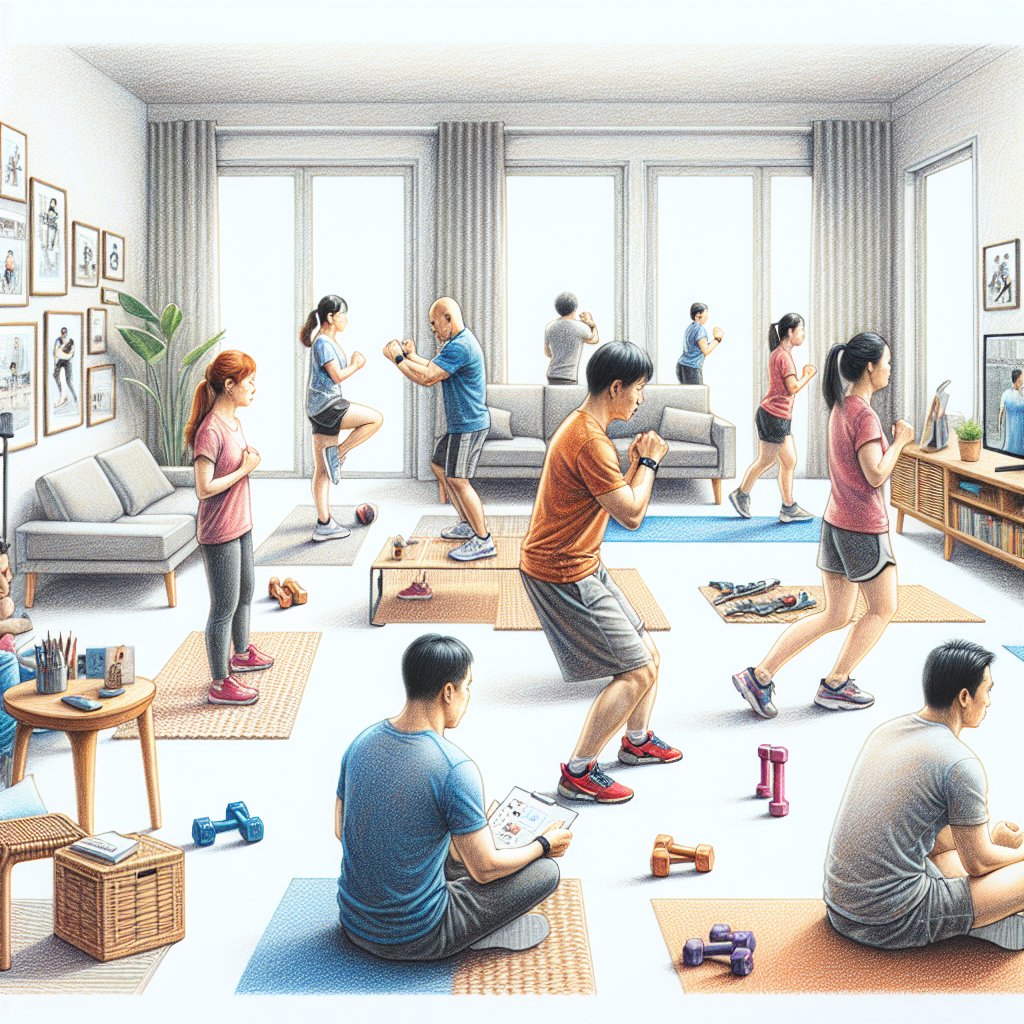
In today’s fast-paced world, finding time to exercise can be challenging, especially when access to a gym or equipment is limited. A home workout routine devoid of equipment presents an effective alternative for those looking to maintain a healthy lifestyle. Not only does it save time and money, but it also allows flexibility, enabling you to work out whenever and wherever you choose. This article will outline a well-structured home workout routine utilizing only your body weight, allowing you to achieve substantial results.
- Introduction
- Benefits of a No-Equipment Workout
- Core Components of an Effective Routine
- A Sample Workout Plan
- Common Myths and Misconceptions
- When to Consult a Professional
- FAQs
- Conclusion
Benefits of a No-Equipment Workout
Exercising at home without the need for equipment offers numerous advantages:
- Convenience: You can work out at your own time without commuting to the gym.
- Cost-effective: Saves on gym memberships and equipment purchases.
- Flexibility: Perform workouts in various locations, whether indoors or outdoors.
- Accessibility: Suitable for all fitness levels, making it inclusive.
- Time-efficient: Short bursts of high-intensity workouts can yield effective results.
Core Components of an Effective Routine
An effective home workout routine comprises several key elements to promote overall fitness:
- Warm-up: Prepare your body and reduce the risk of injury with dynamic stretches.
- Cardiovascular exercise: Incorporate high-intensity movements to elevate heart rate.
- Strength training: Utilize body weight for resistance to enhance muscle tone.
- Flexibility: Conclude sessions with static stretches to improve range of motion.
- Recovery: Allow adequate rest between workouts to promote muscle healing.
A Sample Workout Plan
This 6-minute routine can be performed daily. Adjust the intensity according to your fitness level.
- Jumping Jacks: 1 minute – Perform as fast as possible to elevate your heart rate.
- Push-ups: 1 minute – Focus on form; modify by doing them on your knees if necessary.
- Bodyweight Squats: 1 minute – Keep your feet shoulder-width apart and lower your body as if sitting back.
- Plank: 1 minute – Hold a straight line from head to heels, engaging your core.
- Lunges: 1 minute – Alternate legs, ensuring your front knee doesn’t extend beyond your toes.
- Mountain Climbers: 1 minute – Quickly draw knees towards your chest while in a plank position.
For a more structured approach, consider this 30-day exercise program, which requires only 6 minutes of daily exercise but yields results comparable to gym workouts.
Common Myths and Misconceptions
There are several misconceptions surrounding the effectiveness of no-equipment workouts:
- Myth 1: Bodyweight exercises are not challenging enough. Truth: They can build strength and endurance just as effectively when performed at high intensity.
- Myth 2: Equipment is necessary for muscle gain. Truth: Properly weighted bodyweight exercises can target all major muscle groups.
- Myth 3: You cannot achieve results without gym equipment. Truth: Consistency and proper technique often outweigh the need for equipment.
When to Consult a Professional
While home workouts can be beneficial for many, certain situations may warrant consultation with a healthcare or fitness professional:
- If you experience persistent pain during workouts.
- Following any recent medical conditions or surgeries.
- If you are unsure about performing exercises correctly.
- When experiencing significant changes in physical health or mobility.
FAQs
Can I lose weight with no-equipment workouts?
Yes, weight loss is achievable through home workouts, particularly when combined with a balanced diet.
How often should I perform these workouts?
Aim for at least three times a week, gradually increasing frequency as your fitness level improves.
Is it safe for beginners to start with no-equipment routines?
Absolutely. Bodyweight exercises are often recommended for beginners as they promote proper movement patterns.
What if I have a specific fitness goal, like building muscle?
Bodyweight exercises can effectively build muscle. Focus on progressive overload, increasing reps or intensity over time.
Are high-intensity workouts suitable for everyone?
While they can be beneficial, individuals with pre-existing conditions should consult a professional to ensure safety.
How can I stay motivated to work out at home?
Set specific goals, track your progress, and consider joining online fitness communities for support and inspiration.
Conclusion
- Create a home workout routine that saves time and money.
- Utilize bodyweight exercises to effectively build strength and endurance.
- Be mindful of your body and know when to seek professional guidance.
- Dispelling myths can empower more individuals to embrace bodyweight training.
- Consider structured programs for additional motivation and comprehensive workout plans.
Embarking on a home workout journey can be both fulfilling and rewarding. For an effective, time-efficient program, consider registering for this 30-day exercise plan, which takes just 6 minutes a day!
Author: John Angel