
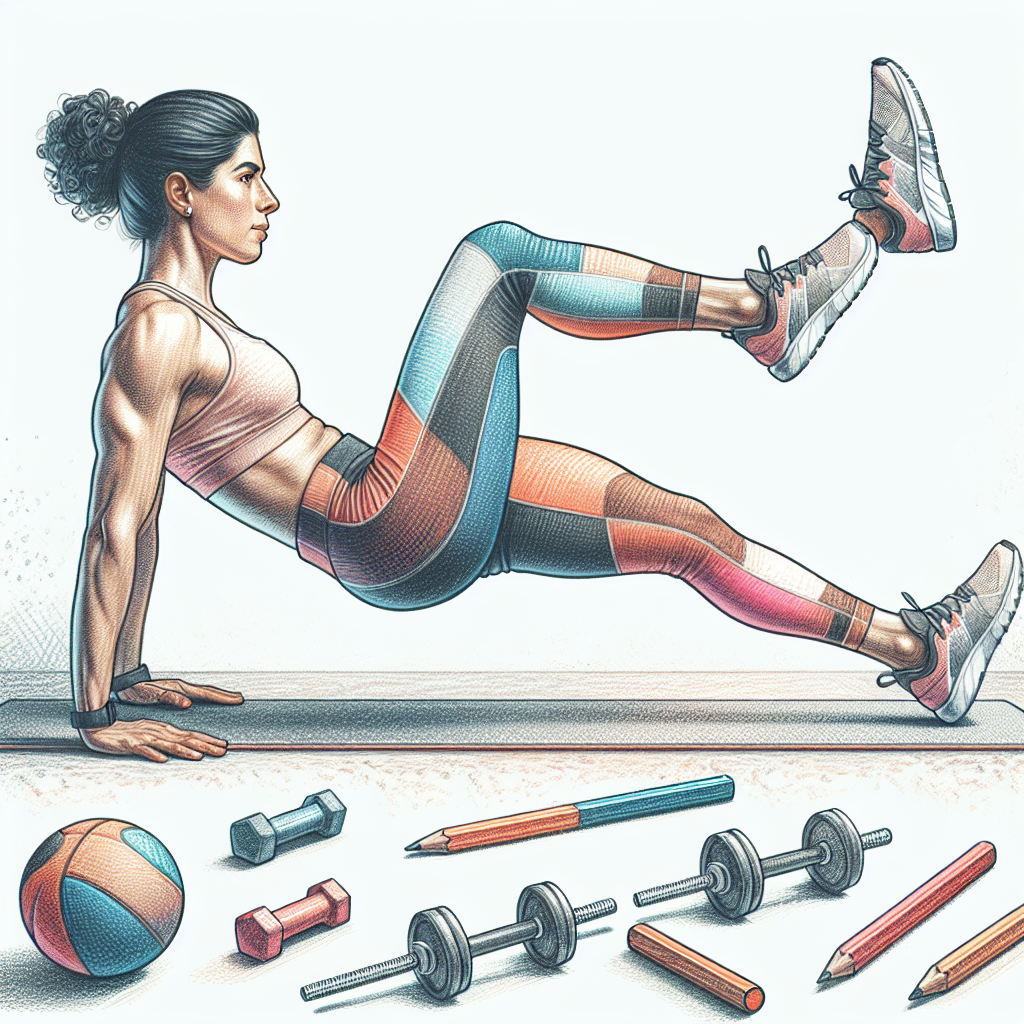
Leg Muscle Exercises Without Equipment
In today’s fast-paced world, finding time to exercise can often feel like a daunting task, especially when access to a gym or equipment is limited. However, developing leg strength is crucial for overall physical health, balance, and mobility. This article explores effective leg muscle exercises that require no equipment, making it possible to sustain and enhance your fitness level from the comfort of your home or outdoors. Less time spent commuting to the gym allows more time for efficient workouts, enabling you to achieve desired results quickly.
- Introduction
- Benefits of Leg Muscle Exercises
- Bodyweight Exercises for Your Legs
- Steps to Proper Workouts
- When to Seek Professional Assistance
- Debunking Myths and Common Mistakes
- Frequently Asked Questions
- Conclusion
Benefits of Leg Muscle Exercises
Leg muscle exercises are essential for several reasons:
- Improved Strength: Strengthening leg muscles enhances overall stability and performance in daily activities.
- Enhanced Balance: Strong legs are critical for maintaining balance and preventing falls, especially in older adults.
- Increased Mobility: Well-conditioned legs facilitate smoother movements, improving overall mobility.
- Weight Management: Leg exercises contribute to calorie burning, supporting weight management.
- Bone Health: Resistance training through bodyweight exercises can improve bone density.
Bodyweight Exercises for Your Legs
1. Squats
The squat is a foundational exercise that targets the quadriceps, hamstrings, and gluteal muscles.
- Stand with feet shoulder-width apart.
- Lower your body as if sitting in a chair, keeping your weight in your heels.
- Push through your heels to return to the starting position.
2. Lunges
Lunges are excellent for developing balance and strength in the lower body.
- Stand upright and take a step forward with one leg.
- Lower your hips until both knees are bent at a 90-degree angle.
- Return to the starting position and alternate legs.
3. Calf Raises
This exercise strengthens the calf muscles, improving ankle stability.
- Stand with your feet hip-width apart.
- Raise your heels off the ground, balancing on the balls of your feet.
- Lower your heels back to the ground.
4. Glute Bridges
Glute bridges are effective for targeting the gluteal muscle group.
- Lie on your back with knees bent and feet flat on the floor.
- Lift your hips toward the ceiling by squeezing your glutes.
- Lower your hips to the ground.
5. Step-Ups
This dynamic exercise targets your glutes, hamstrings, and quadriceps.
- Find a stable step or platform.
- Step up with one foot and bring the other foot up.
- Step back down and alternate legs.
Steps to Proper Workouts
To ensure effective and safe workouts, follow these concrete steps:
- Warm-up: Spend 5-10 minutes warming up with light stretching or walking to prepare your muscles.
- Set a Routine: Create a workout schedule that includes leg exercises at least three times a week.
- Form and Technique: Focus on maintaining proper form to prevent injuries.
- Progressively Challenge: Increase the intensity by adding more repetitions or sets as your strength improves.
- Cool Down: Allocate time for cooldown stretches after workouts to improve flexibility.
- Join a 30-day program: Consider signing up for a 30-day exercise program where you only exercise for 6 minutes daily to achieve results comparable to that of gym workouts. Register for free [here](https://app.revolucnicviceni.cz/en/registration).
When to Seek Professional Assistance
While many leg exercises can be performed safely at home, there are times when it is advisable to consult a professional:
- If you experience persistent pain during or after workouts.
- If you have a history of injuries that may impact your ability to exercise safely.
- When you are unsure about proper form or technique for specific exercises.
- If there are underlying medical conditions that could affect your exercise routine.
Debunking Myths and Common Mistakes
Understanding common misconceptions surrounding leg exercises can help enhance your practice:
- Myth 1: You must use weights to build leg strength. True strength can be achieved through bodyweight exercises alone.
- Myth 2: Squats are bad for your knees. When performed correctly, squats can support joint health.
- Mistake 1: Rushing through exercises. Focus on form rather than speed to mitigate the risk of injury.
- Mistake 2: Neglecting warm-ups. Always warm up to prepare your muscles and prevent injury.
Frequently Asked Questions
1. Can I improve my leg strength without weights?
Yes, bodyweight exercises are highly effective for building leg strength without the need for weights.
2. How often should I do these leg exercises?
It is generally recommended to engage in leg exercises at least three times a week for optimal results.
3. Are these exercises suitable for beginners?
Absolutely! These exercises can be modified to fit different fitness levels, making them suitable for beginners.
4. How can I progress my workouts?
You can progress your workouts by increasing the number of repetitions, sets, or incorporating more challenging variations of the exercises.
5. What should I do if I feel pain during workouts?
Stop the exercise immediately and consult a healthcare professional if you experience persistent pain.
6. Do I need to stretch after leg workouts?
Yes, stretching after workouts helps enhance flexibility and reduces the risk of muscle soreness.
Conclusion
- Leg muscle exercises can be performed effectively without equipment.
- Bodyweight exercises improve strength, balance, and mobility.
- Consistency and proper technique are crucial for achieving desired results.
- Consult a professional if you encounter pain or have underlying health concerns.
- Consider a structured program for enhanced results and efficiency in your fitness journey.
Begin your journey toward stronger legs today with a commitment to incorporating these exercises into your routine. Explore free resources and programs that simplify your journey toward fitness.
Author: John Angel