
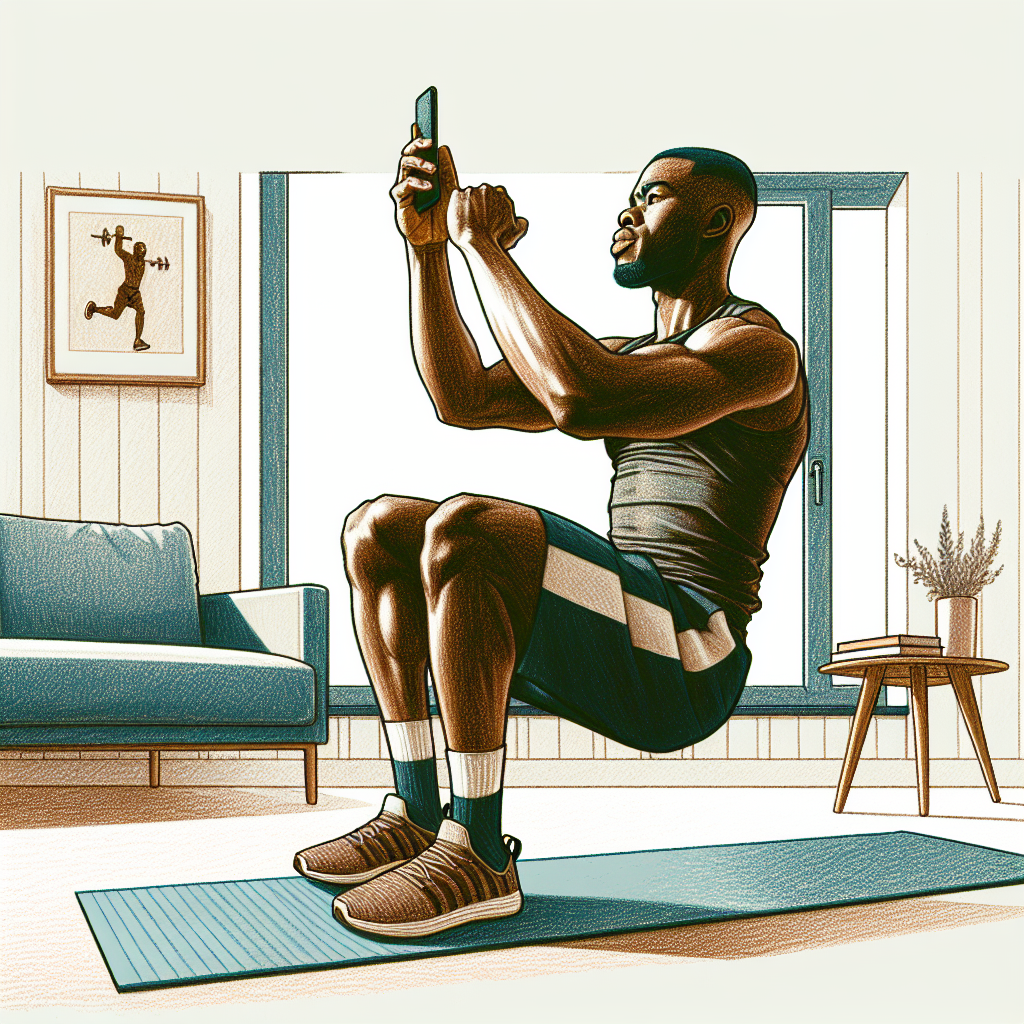
In today’s fast-paced world, maintaining a healthy lifestyle can be challenging, particularly for men who may feel that gym memberships and access to fitness facilities are necessary prerequisites for effective exercise. However, engaging in home workouts without equipment can yield impressive results, requiring only a commitment of time and effort. This article delves into various effective exercises that can be performed at home, highlighting practical guidance and reducing dependencies on traditional gym settings.
- Introduction to Home Exercises
- Benefits of Home Workouts
- Effective Exercises for Men
- Creating a Structured Workout Plan
- Common Misconceptions about Home Exercises
- When to Consult a Professional
- Frequently Asked Questions
- Conclusion and Call to Action
Benefits of Home Workouts
Home workouts present numerous advantages that cater specifically to men seeking convenience and efficiency. Here are some key benefits:
- Time-Efficiency: Home workouts eliminate travel time to and from the gym, allowing for a more flexible schedule.
- Cost-Effective: There is no need for a gym membership or equipment purchases, making it an affordable option.
- Increased Motivation: The comfort of working out at home can reduce barriers to starting and maintaining a fitness regimen.
- Customization: Individuals can tailor their workouts according to personal preferences and fitness levels.
Effective Exercises for Men
Here is a selection of home exercises that require no equipment and can target various muscle groups.
1. Push-Ups
Push-ups are an excellent way to build upper body strength, engaging the chest, shoulders, triceps, and core.
2. Squats
Squats effectively improve leg strength and overall body stability while also engaging core muscles.
3. Lunges
Lunges enhance mobility and flexibility, targeting the quadriceps, hamstrings, and glutes.
4. Planks
Planks activate the core muscles, promoting stability and endurance, while also engaging the shoulders and lower back.
5. Burpees
A full-body exercise, burpees enhance cardiovascular endurance while engaging multiple muscle groups simultaneously.
6. Mountain Climbers
This dynamic movement increases heart rate and strengthens core and leg muscles.
Creating a Structured Workout Plan
To achieve the best results, it is crucial to follow a structured workout plan. Here are practical steps to develop one:
- Set Clear Goals: Determine specific fitness objectives—be it weight loss, strength gain, or endurance improvement.
- Schedule Workouts: Dedicate 6 minutes each day to your routine. Consistency is key.
- Select Exercises: Choose a selection of the exercises mentioned above that you enjoy and can perform regularly.
- Incorporate Variations: Change up your routine periodically to target different muscle groups and maintain interest.
- Monitor Progress: Keep track of improvements in strength, endurance, or muscle definition over time.
- Consider Professional Guidance: For tailored advice, consider enlisting a personal trainer or joining a structured program like the one available at this free 30-day exercise program, designed to yield gym-like results in just 6 minutes daily.
Common Misconceptions about Home Exercises
Despite the effectiveness of at-home workouts, several misconceptions discourage individuals from pursuing this approach:
Myth 1: Home Workouts Are Ineffective
Many believe that without gym equipment, exercise will yield minimal results. This is not true; bodyweight exercises can build significant strength and endurance.
Myth 2: You Can’t Build Muscle Without Weights
Muscle development is achievable through resistance training using body weight. Exercises like push-ups and squats can effectively challenge muscles.
Myth 3: Home Workouts Lack Variety
With creativity, countless variations of bodyweight exercises can be combined to keep workouts fresh and challenging.
When to Consult a Professional
While home exercise routines can be highly beneficial, certain situations warrant professional consultation:
- If you experience persistent pain during or after workouts.
- When you have pre-existing medical conditions that may affect your ability to exercise.
- If you’re unsure about proper form or techniques for performing exercises safely.
- When seeking a specialized training program tailored to specific fitness goals.
Frequently Asked Questions
Can I maintain my fitness without a gym?
Yes, effective home workouts can help you maintain and even improve your fitness levels without the need for a gym.
How often should I exercise at home?
Engaging in physical activity at least 3 to 5 times per week is generally recommended for maintaining fitness.
Do I need to warm up before home workouts?
Yes, warming up is essential to prepare your muscles and prevent injury before starting your workout.
How can I stay motivated to exercise at home?
Setting clear goals, tracking progress, and varying your routine can help boost motivation to continue exercising at home.
Are home workouts suitable for beginners?
Absolutely! Bodyweight exercises can be easily adapted for beginners, allowing gradual progression towards more complex movements.
Can I lose weight through home exercises?
Yes, combining bodyweight exercises with a balanced diet can effectively contribute to weight loss.
Conclusion
- Home workouts provide a flexible and cost-effective way to maintain fitness.
- Bodyweight exercises like push-ups and squats can effectively build strength and endurance.
- Creating a structured workout plan is essential for sustained progress.
- Understanding common misconceptions can empower you to engage in at-home exercises confidently.
- Consult a professional if you encounter pain or uncertainty regarding your workout routine.
Embarking on a fitness journey does not require a gym. Start integrating these home exercises into your daily routine and witness the transformation. For a structured and effective approach, consider signing up for the 30-day exercise program, which only requires 6 minutes of your time each day.
Author: John Angel