
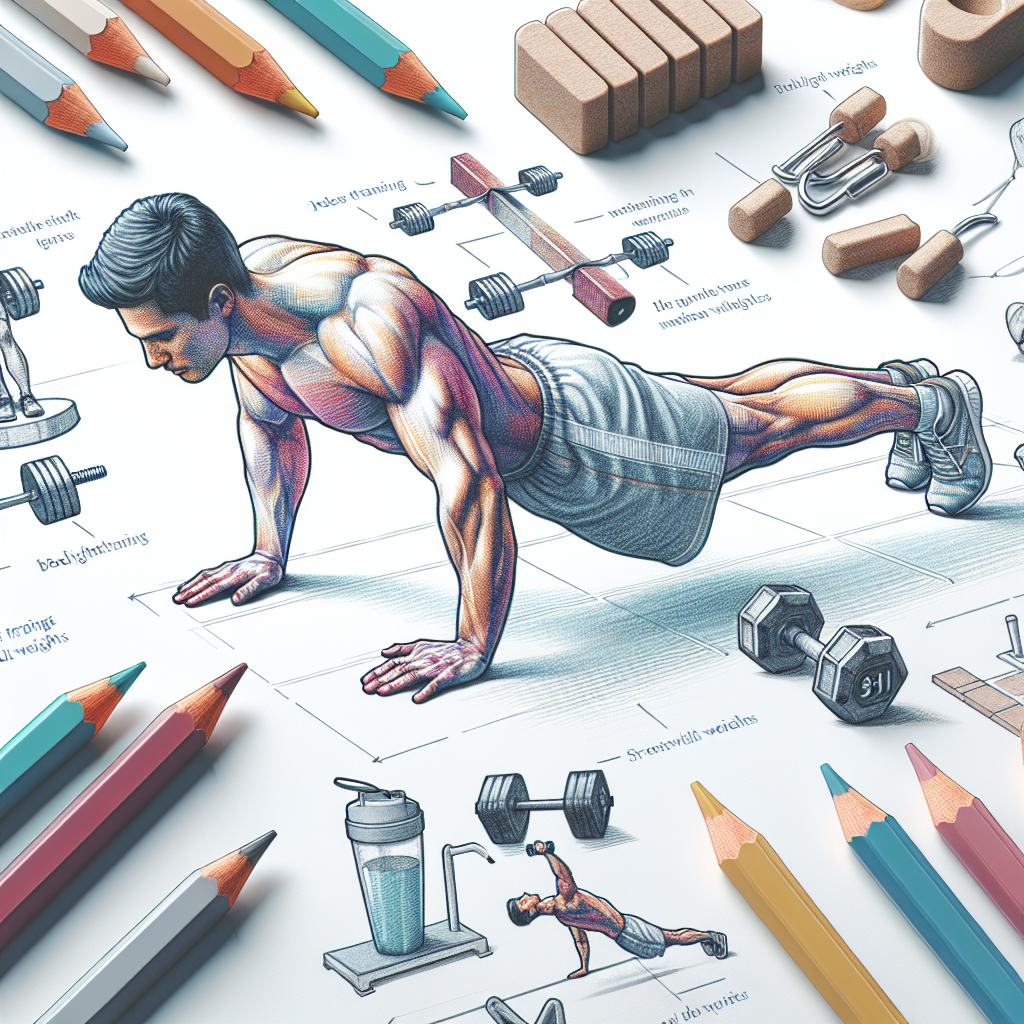
Muscle Training Without Weights
Training your muscles without weights can offer a plethora of benefits, including improved strength, balance, and flexibility. Many individuals are often deterred from exercise due to a lack of access to gym equipment or a busy lifestyle. Fortunately, bodyweight exercises can provide an effective alternative, delivering results comparable to those achieved through weighted training. This article will explore various methods of muscle training without weights, along with practical guidance for incorporating these exercises into your daily routine.
- Introduction to Bodyweight Training
- Benefits of Training Without Weights
- Effective Bodyweight Exercises
- Practical Steps for Implementation
- Common Misconceptions
- When to Seek Professional Guidance
- Frequently Asked Questions
- Conclusion
Introduction to Bodyweight Training
Bodyweight training refers to exercises that utilize your own weight as resistance. By leveraging your body’s weight, you can perform a variety of movements that engage multiple muscle groups. This form of training not only enhances muscular strength but also improves functional fitness, a critical factor in daily performance and overall well-being.
Benefits of Training Without Weights
Engaging in muscle training without weights comes with several benefits, making it an appealing option for diverse populations:
- Accessibility: No need for expensive equipment or gym memberships; you can exercise anywhere.
- Time-Efficient: Many bodyweight routines can be completed in a short amount of time, allowing for easier integration into your daily life.
- Functional Strength: Bodyweight exercises mimic real-life movements, enhancing your overall functional fitness.
- Varied Intensity: You can modify the intensity of exercises according to your fitness level.
- Injury Prevention: By focusing on controlled movements, you may reduce the risk of injuries associated with heavy weights.
Effective Bodyweight Exercises
There are numerous effective bodyweight exercises that can be included in your regimen. Here are some of the most beneficial:
- Push-Ups: Great for building upper body strength, particularly in the chest, shoulders, and triceps.
- Squats: A foundational movement that targets the quadriceps, hamstrings, and glutes.
- Lunges: Excellent for leg development and improving balance and coordination.
- Planks: Effective for enhancing core strength, stability, and posture.
- Burpees: A full-body exercise that combines strength and cardiovascular components.
- Mountain Climbers: Enhance cardiovascular endurance while strengthening the core and legs.
Practical Steps for Implementation
To effectively integrate bodyweight exercises into your daily routine, consider the following steps:
- Set Clear Goals: Determine what you wish to achieve; whether it’s strength, endurance, or flexibility.
- Create a Schedule: Dedicate a specific time each day for your workouts. Even a quick 6-minute routine can be effective. To help you get started, check out this 30-day exercise program that requires only six minutes of your day but promises impressive results.
- Mix It Up: Incorporate various exercises to target different muscle groups and prevent boredom.
- Track Your Progress: Keep a journal to monitor improvements in strength, endurance, and flexibility.
- Focus on Form: Prioritize proper technique over quantity, reducing the risk of injury and ensuring effective workouts.
When to Seek Professional Guidance
While bodyweight training is generally safe for most individuals, consulting a qualified professional is advisable under certain circumstances:
- If you have any pre-existing medical conditions that may impact your ability to exercise.
- If you experience consistent pain or discomfort during workouts that does not improve with rest.
- When unsure about exercise forms that may lead to injury.
- If you are seeking personalized program recommendations based on unique fitness goals.
Common Misconceptions
Bodyweight training often comes with several myths that can deter individuals from pursuing this method. Here are some common misconceptions:
- Myth 1: Bodyweight exercises are only for beginners. Reality: They can be adapted to suit all fitness levels, including advanced athletes.
- Myth 2: These workouts are less effective than weight training. Reality: High-intensity bodyweight workouts can yield similar muscle growth and strength gains.
- Myth 3: You can’t build muscle without weights. Reality: Progressive overload can still be applied through bodyweight exercises, promoting muscle hypertrophy.
- Myth 4: They don’t provide cardiovascular benefits. Reality: Many bodyweight circuits can effectively raise your heart rate and improve cardiovascular fitness.
Frequently Asked Questions
Can I build muscle without weights?
Yes, bodyweight exercises can effectively build muscle through progressive overload and increased intensity.
How often should I perform bodyweight exercises?
It is generally recommended to engage in bodyweight training at least three times a week for optimal results.
Are bodyweight exercises suitable for all fitness levels?
Yes, bodyweight exercises can be modified to accommodate beginners as well as advanced athletes.
What are some common bodyweight exercises for beginners?
Beginners can start with exercises like push-ups, squats, and planks to build foundational strength.
Can I do bodyweight workouts at home?
Absolutely; bodyweight exercises are highly adaptable and can be performed in limited spaces, making them ideal for home workouts.
How can I track my progress with bodyweight training?
Consider keeping a workout journal to record your exercises, sets, repetitions, and any personal improvements over time.
Conclusion
- Accessibility: Bodyweight training can be done anywhere without the need for equipment.
- Time-Efficient: Short workouts can yield significant results.
- Functional Benefits: These workouts enhance your everyday strength and mobility.
- Progressive and Adaptable: Exercises can be tailored to fit various fitness levels.
- Consult a Professional When Necessary: Always seek guidance when uncertain about your fitness journey.
Now is the perfect time to embark on your bodyweight training journey. Whether you commit to a six-minute routine or dedicate longer sessions, the potential rewards are immense. Begin today, and consider joining a free 30-day exercise program to maximize your results with minimal time investment!
Author: John Angel