
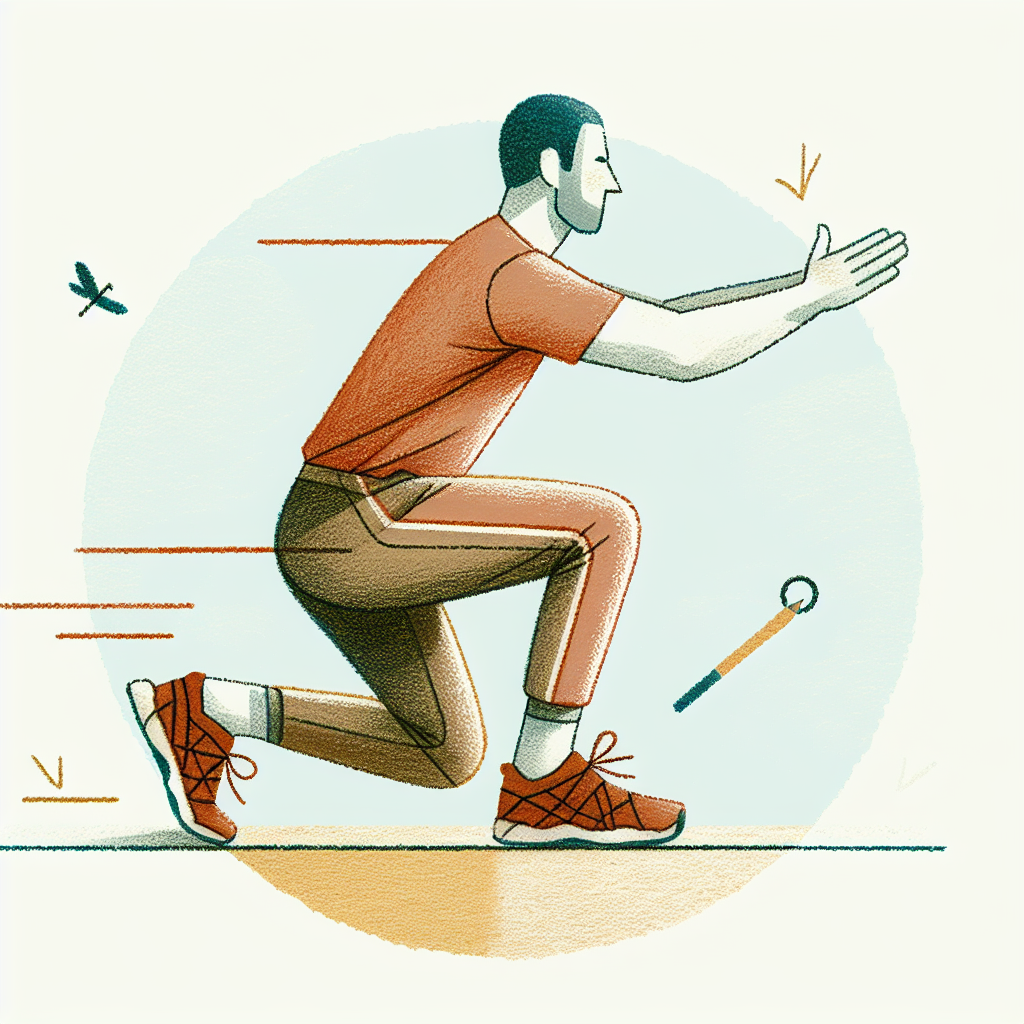
No Equipment Workout Program
In today’s fast-paced world, finding time to exercise can be a challenge. However, a no equipment workout program offers a convenient and effective way to improve fitness without the need for a gym or specialized gear. Such programs primarily depend on body weight exercises, making them accessible and suitable for all fitness levels. This article explores the benefits of no equipment workouts, provides practical steps to implement them, and even offers a link to a free 30-day exercise program that requires only 6 minutes of your time each day. Achieve impressive results without the burden of traditional gym settings.
- Understanding No Equipment Workouts
- Benefits of No Equipment Workouts
- Practical Steps for a No Equipment Routine
- Professional Consultation: When to Seek Help
- Common Misconceptions About No Equipment Workouts
- Frequently Asked Questions
- Conclusion
Understanding No Equipment Workouts
No equipment workouts utilize the body’s own weight for resistance, offering a versatile and effective approach to fitness. Exercises such as push-ups, squats, and lunges can be tailored to suit individual needs, making them an excellent choice for those at various fitness levels. The flexibility of these workouts allows for execution in virtually any setting, including at home, in a park, or even during a break at work.
Benefits of No Equipment Workouts
The advantages of engaging in a no equipment workout program are both numerous and significant:
- Accessibility: These workouts can be performed anywhere, eliminating travel time and gym fees.
- Cost-effectiveness: With no need for specialized equipment, individuals can save money while maintaining their fitness routine.
- Flexibility: These workouts can be adjusted to fit any schedule or fitness level.
- Improved Strength and Endurance: Bodyweight exercises promote functional fitness and enhance muscle endurance.
- Enhanced Mind-Body Connection: Focusing on bodyweight movements improves coordination and balance.
Practical Steps for a No Equipment Routine
Implementing an effective no equipment workout program requires minimal space and time. Here are some essential steps to get started:
- Establish a Schedule: Aim for at least 3-5 days of exercise each week, allocating 6 minutes per session.
- Warm Up: Spend 1-2 minutes doing dynamic stretches, such as arm circles or leg swings, to prepare your body.
- Select Your Exercises: Choose a mix of strength, cardio, and flexibility exercises. For example:
- Push-Ups (strength)
- Jumping Jacks (cardio)
- Lunges (strength)
- Plank (core stability)
- Bodyweight Squats (strength)
- High Knees (cardio)
- Duration: Spend about 30 seconds on each exercise, with minimal rest in between to maintain a higher heart rate.
- Cool Down: Conclude with static stretches to enhance flexibility and recover properly.
For those seeking a structured program, consider enrolling in a free 30-day exercise plan that optimizes efficiency with only 6 minutes of daily workouts. You can register here.
Professional Consultation: When to Seek Help
While engaging in no equipment workouts can often be done safely, there are instances when professional guidance is advisable. If you experience any of the following, consider consulting a qualified health professional:
- Persistent pain during or after workouts
- Severe breathlessness or dizziness
- Pre-existing health conditions that may be aggravated by physical activity
- Unsure about how to perform certain exercises safely
Common Misconceptions About No Equipment Workouts
Despite their growing popularity, there are several myths surrounding no equipment workouts that can lead to misconceptions:
- Myth 1: No equipment workouts are not as effective as gym workouts. Fact: Many bodyweight exercises can build strength and endurance to the same degree as traditional weight lifting.
- Myth 2: You cannot gain muscle without weights. Fact: Bodyweight exercises can increase muscle mass, especially for beginners.
- Myth 3: You need a long workout to see results. Fact: Short, high-intensity workouts can be very effective in building fitness.
- Myth 4: No equipment workouts are less challenging. Fact: They can be modified to increase intensity and challenge for all fitness levels.
Frequently Asked Questions
1. How often should I do no equipment workouts?
Aim for at least 3-5 times a week for optimal results.
2. Can beginners do no equipment workouts?
Yes, these workouts can be easily modified to suit any fitness level.
3. How can I track my progress?
Monitoring repetitions, overall endurance, and how you feel during exercises can help gauge progress.
4. Do I need to warm up before starting?
Yes, warming up is essential to prevent injury and prepare your body for exercise.
5. Can I lose weight with no equipment workouts?
Combined with a balanced diet, these workouts can be effective for weight loss.
6. Is it safe to perform these workouts daily?
Daily workouts can be performed if intensity varies and proper rest and recovery are included.
Conclusion
- No equipment workouts are accessible and flexible, suitable for those with limited time or resources.
- They provide significant health benefits, including improved strength and cardiovascular fitness.
- A structured 30-day program can enhance the effectiveness of short workouts.
- Consult a professional if experiencing any adverse symptoms or if you have existing health issues.
- Consider dispelling common myths to enhance understanding and adherence to your fitness routine.
Embrace the convenience and efficiency of no equipment workouts! Taking steps to improve one’s fitness is possible for everyone. Start your journey with a clear plan, and remember to seek professional advice when necessary.
Author: John Angel