
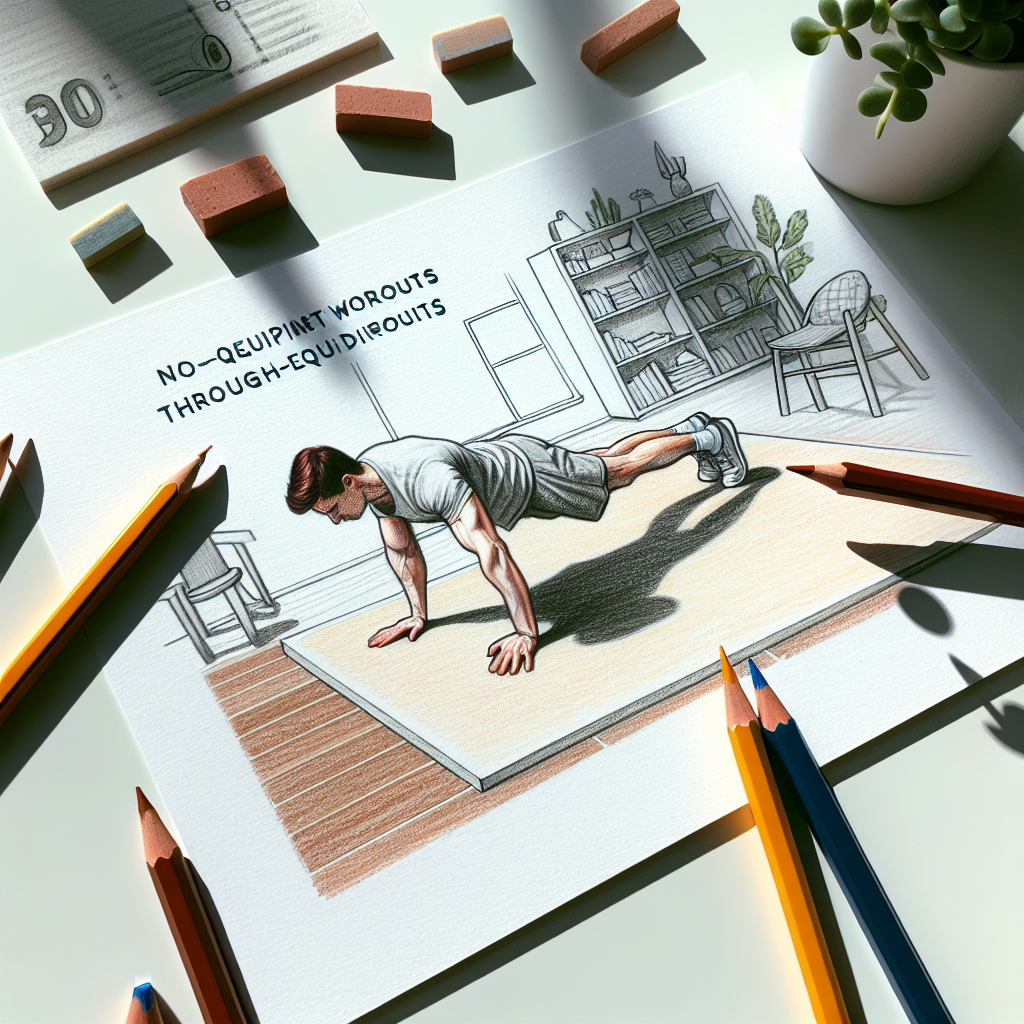
In today’s fast-paced world, finding time for a workout can be challenging. However, building muscle doesn’t always require a gym or expensive equipment. A no-equipment workout can be remarkably effective in enhancing strength and overall fitness. This article will explore various bodyweight exercises that cater to all fitness levels and provide guidance on how to build muscle without any specialized equipment.
- Understanding No-Equipment Workouts
- Key Benefits of Bodyweight Training
- Essential Exercises for Muscle Building
- Structuring a No-Equipment Workout Plan
- Consulting Professionals for Guidance
- Myths and Misconceptions
- Frequently Asked Questions
Understanding No-Equipment Workouts
No-equipment workouts primarily utilize body weight for resistance. This form of exercise can be performed anywhere, making it exceptionally convenient. It emphasizes strength, flexibility, and endurance and can be tailored to meet individual fitness goals. Whether you are a beginner or an experienced fitness enthusiast, incorporating no-equipment workouts into your routine can yield significant benefits.
Key Benefits of Bodyweight Training
Bodyweight training offers a multitude of advantages:
- Accessibility: No special equipment or gym membership is required.
- Versatility: Exercises can be modified for various fitness levels.
- Improved Functional Strength: Enhances daily movement and physical capabilities.
- Core Stability: Many bodyweight exercises engage core muscles, promoting balance.
- Time Efficiency: Workouts can be completed in less than 20 minutes.
Essential Exercises for Muscle Building
Here are some effective bodyweight exercises that focus on muscle building:
1. Push-Ups
Push-ups are a cornerstone of bodyweight training, targeting the chest, triceps, and shoulders. Variations such as incline and decline push-ups can be adapted for different levels of difficulty.
2. Squats
Squats engage the lower body, primarily the quadriceps, hamstrings, and glutes. They also improve core stability and flexibility.
3. Lunges
Lunges promote balance and coordination while strengthening the legs and glutes. Variations like side lunges and reverse lunges can provide a different stimulus.
4. Planks
This isometric hold strengthens the core and helps improve overall stability. Plank variations can intensify the challenge.
5. Burpees
A full-body exercise that combines push-ups and jumps, burpees are excellent for cardiovascular fitness and muscle building.
Structuring a No-Equipment Workout Plan
A structured workout plan is essential for maximizing results. Here is a sample routine:
- Warm-up (5 minutes of dynamic stretches)
- 3 sets of 10-15 push-ups
- 3 sets of 12-15 squats
- 3 sets of 10 lunges per leg
- 3 sets of 30-second planks
- 5 burpees to finish
- Cool down (5 minutes of static stretching)
For those looking for a quick and efficient routine, consider joining a 30-day exercise program that offers a 6-minute daily workout, achieving results comparable to traditional gym sessions.
When to Consult a Professional for Guidance
While bodyweight workouts are generally safe, consulting a fitness professional can be beneficial in certain circumstances:
- If you are recovering from an injury or have pre-existing conditions.
- If you are unsure how to perform specific exercises correctly.
- If you wish to create a personalized workout plan tailored to your goals.
- If you experience pain during workouts that persists beyond normal discomfort.
Myths and Misconceptions About Bodyweight Training
Despite the popularity of no-equipment workouts, several myths persist:
- “Bodyweight exercises are not challenging enough.” Many variations can increase difficulty significantly.
- “You can’t build muscle without weights.” Bodyweight training is highly effective for building strength and muscle mass.
- “Bodyweight training is only for beginners.” Advanced athletes can also benefit through variation and intensity adjustments.
Frequently Asked Questions
Can beginners start with bodyweight exercises?
Yes, bodyweight exercises can be modified to suit all fitness levels, making them ideal for beginners.
How often should I do no-equipment workouts?
Aim for at least three to four sessions per week for optimal results.
Will I lose weight with bodyweight training?
Bodyweight training can promote fat loss, especially when combined with a proper diet.
Do I need to warm up before bodyweight workouts?
Yes, warming up prepares your muscles for exercise, reducing the risk of injury.
Can I perform bodyweight workouts anywhere?
Yes, one of the advantages of bodyweight training is that it can be performed virtually anywhere, indoors or outdoors.
How can I make bodyweight exercises more challenging?
Incorporate variations, increase repetitions, or decrease rest time between sets to enhance difficulty.
Conclusion
- No-equipment workouts are effective for building muscle and improving strength.
- Bodyweight exercises are versatile and accessible for all fitness levels.
- A structured workout plan is crucial for achieving desired results.
- Consulting a professional is advisable when specific concerns or conditions arise.
- Debunking myths about bodyweight training can help encourage more people to engage in fitness.
Embrace the power of no-equipment workouts and explore how they can transform your fitness journey. Consider joining a 30-day exercise program to kickstart your muscle-building efforts today!
Author: John Angel