
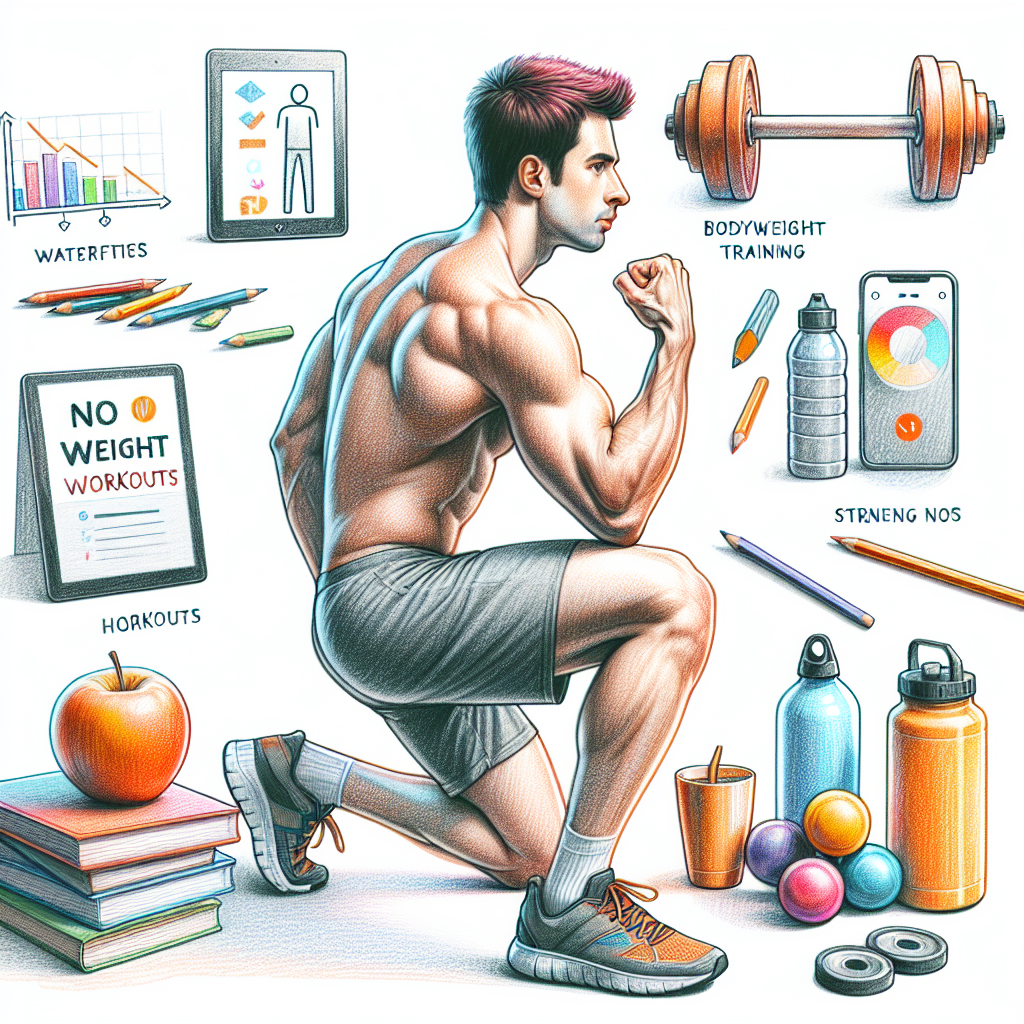
The concept of strength training has evolved significantly, leading to innovative approaches such as no weight workouts. These routines emphasize bodyweight exercises, catering to those seeking effective workouts without the need for heavy weights. This article will delve into the myriad benefits of no weight workouts, offering practical guidance, addressing misconceptions, and emphasizing key strategies for success.
- Understanding No Weight Workouts
- Benefits of Bodyweight Training
- Essential Exercises to Get Started
- Creating a No Weight Workout Routine
- When to Seek Professional Guidance
- Common Misconceptions about Bodyweight Training
- FAQ
Understanding No Weight Workouts
No weight workouts primarily utilize the body’s own weight to build strength, improve flexibility, and enhance overall fitness levels. This form of training eliminates the need for traditional gym equipment, making it accessible and versatile. Exercises can be adapted to suit various fitness levels and require minimal to no space, making them ideal for both home and outdoor settings.
Benefits of Bodyweight Training
- Increased Functional Strength: Utilizing bodyweight movements helps develop functional strength that translates into everyday activities.
- Improved Flexibility and Mobility: Many bodyweight exercises promote an increase in flexibility and joint mobility.
- Enhanced Cardiovascular Health: Circuit-style bodyweight workouts can elevate heart rates, leading to cardiovascular benefits.
- Convenience: No gym membership or equipment is necessary, allowing for flexibility in schedule and location.
- Reduced Injury Risk: Bodyweight exercises often pose a lower injury risk compared to lifting heavy weights.
Essential Exercises to Get Started
To initiate your no weight workout regimen, consider incorporating the following foundational exercises:
- Push-Ups: Targeting chest, shoulders, and triceps.
- Squats: Engaging the lower body, particularly quadriceps and glutes.
- Planks: Strengthening the core and enhancing stability.
- Lunges: A dynamic exercise benefiting both legs and core balance.
- Burpees: An excellent full-body workout that boosts cardiovascular fitness.
Creating a No Weight Workout Routine
Developing an effective workout plan revolves around the principle of variety and consistency. Follow these steps to create a comprehensive no weight workout routine:
- Daily Schedule: Dedicate at least 6 minutes each day for your workout.
- Structure Your Routine: Incorporate a mix of strength, flexibility, and cardio exercises.
- Focus on Form: Ensure proper form to maximize benefits and minimize injury risk.
- Self-Monitor: Track your progress, noting improvements in strength and endurance.
- Progress Over Time: Gradually increase intensity by adding variations or increasing repetitions.
For a structured approach, consider registering for a 30-day exercise program that requires merely 6 minutes of daily commitment, delivering results comparable to gym workouts.
When to Seek Professional Guidance
Understanding when to consult a healthcare or fitness professional is crucial:
- Experience chronic pain during workouts.
- Have a history of injuries that may impact exercise.
- Experience sudden changes in physical ability or endurance.
- Seeking personalized advice tailored to specific health conditions.
- Desiring professional guidance to optimize performance or technique.
Common Misconceptions about Bodyweight Training
While no weight workouts are becoming increasingly popular, several myths persist regarding their efficacy:
- Myth 1: Bodyweight exercises are not effective for building muscle. Reality: They effectively build functional strength and muscle endurance.
- Myth 2: You cannot achieve advanced fitness levels without weights. Reality: Many elite athletes use bodyweight training as part of their regimen.
- Myth 3: Repetition leads to stagnation. Reality: Exercises can be modified to increase difficulty as strength progresses.
FAQ
What is a no weight workout?
A no weight workout uses bodyweight exercises to build strength and enhance fitness without traditional weights or gym equipment.
Can beginners do no weight workouts?
Yes, no weight workouts can be easily adapted for beginners, allowing for gradual progression as fitness improves.
How long should I spend on a no weight workout?
Even short sessions of about 6 minutes daily can be effective if exercises are performed with intensity and focus.
Do I need to warm up before a no weight workout?
Yes, warming up is important to prepare your body and reduce the risk of injury.
Can I lose weight with no weight workouts?
With a comprehensive approach including healthy nutrition, bodyweight workouts can contribute to weight loss and body composition improvement.
Is bodyweight training suitable for everyone?
While generally accessible, individuals with pre-existing conditions should consult with a professional before beginning any exercise program.
Conclusion
- No weight workouts are versatile and effective for varied fitness levels.
- Many foundational exercises can be performed to enhance strength, flexibility, and cardiovascular health.
- Caution is necessary when addressing injuries or chronic pain; professional guidance is often beneficial.
- Dispelling common myths about bodyweight training is crucial in understanding its full potential.
- Starting a no weight workout can lead to significant health improvements with minimal equipment or time required.
Begin your journey towards a healthier lifestyle through efficient no weight workouts. For a structured program that requires only 6 minutes of your day yet promises results akin to gym sessions, consider registering for a 30-day exercise program. Your fitness journey awaits!
Author: John Angel