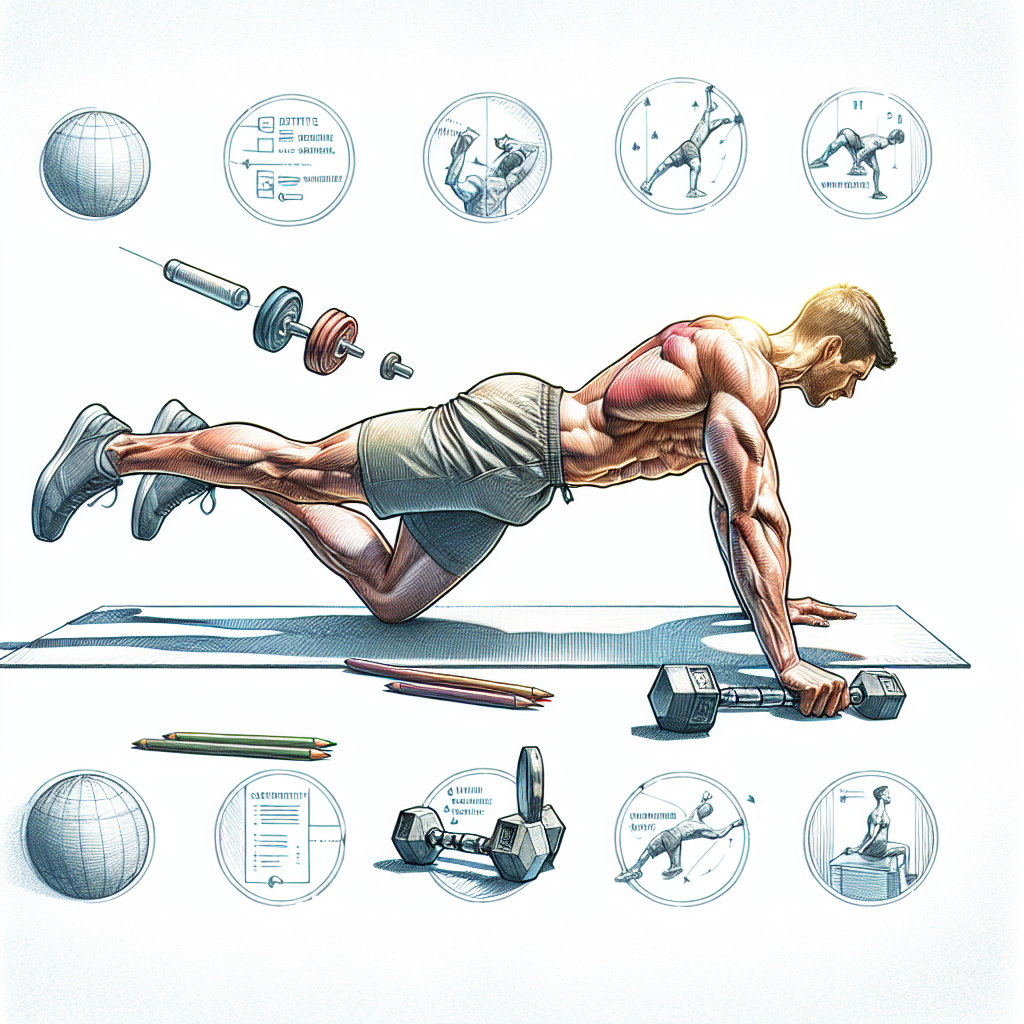
As the pursuit of fitness continues to evolve, many individuals are discovering that building muscle does not necessarily require the traditional methods of weight lifting. In fact, no-weight workouts can be remarkably effective for muscle growth. This article explores how to harness the body’s natural resistance to promote muscle development, ensuring you can achieve your fitness goals regardless of access to weights or gym facilities.
- Understanding No Weight Workouts
- Key Benefits of No Weight Training
- Effective Exercises to Build Muscle
- Creating a No-Weight Workout Plan
- Common Myths about No Weight Workouts
- When to Consult a Fitness Professional
- FAQs
Understanding No Weight Workouts
No-weight workouts utilize the body’s own resistance to stimulate muscle growth. This form of training can include exercises that leverage gravity, balance, and coordination. Movements such as push-ups, squats, and lunges are classic examples that not only build strength but enhance overall functional fitness. Importantly, this training model is highly adaptable to various fitness levels, making it accessible for beginners and seasoned athletes alike.
Key Benefits of No Weight Training
The advantages of no-weight workouts extend beyond simple convenience. Key benefits include:
- Accessibility: No gym membership or expensive equipment is required.
- Flexibility: Workouts can be performed anywhere, fitting seamlessly into any lifestyle.
- Reduced Injury Risk: Less strain is placed on joints, which may lower the risk of injury.
- Improved Functional Strength: Enhances daily activities by fostering the strength needed for everyday movements.
- Time Efficiency: Short, targeted sessions can yield substantial results.
Effective Exercises to Build Muscle
Implementing a variety of exercises ensures comprehensive muscle engagement. Below are some no-weight exercises proven to be effective for muscle building:
- Push-Ups: Engages chest, shoulders, and triceps. Variations include incline and decline push-ups.
- Squats: Targets the quadriceps, hamstrings, and glutes. Progress can include jump squats or single-leg squats.
- Lunges: Works on leg strength and stability. Can be performed forward, backward, or laterally.
- Planks: Strengthens the core and shoulders. Variations like side planks engage obliques.
- Burpees: A full-body workout that enhances cardiovascular fitness while building strength.
Creating a No-Weight Workout Plan
A well-structured workout plan is essential for muscle building. Here’s how to create one:
- Define Your Goals: Identify whether you aim for general fitness, muscle gain, or weight loss.
- Set a Schedule: Commit to a consistent routine, aiming for at least 3-5 sessions per week.
- Mix It Up: Incorporate a variety of exercises targeting different muscle groups to prevent plateaus.
- Track Progress: Log your workouts and improvements to stay motivated and assess effectiveness.
- Join a Program: Consider accessing structured guides, such as a free 30-day exercise program that emphasizes quick, 6-minute workouts. You can register [here](https://app.revolucnicviceni.cz/en/registration).
Common Myths about No Weight Workouts
Several misconceptions surround no-weight workouts. Here we address a few:
- Myth: No-weight workouts are ineffective for muscle building. Truth: When performed with intensity and proper technique, no-weight workouts can lead to significant muscle gains.
- Myth: You can only build muscle with heavy weights. Truth: Muscle hypertrophy can occur via bodyweight exercises through progressive overload and varied intensity.
- Myth: Cardio is not effective for muscle building. Truth: Dynamic cardio exercises can contribute to muscle strength and endurance when combined with bodyweight resistance.
When to Consult a Fitness Professional
While no-weight workouts offer numerous benefits, there are scenarios when seeking professional guidance is advisable:
- If you are unsure how to perform exercises safely and effectively.
- When experiencing persistent pain or discomfort during workouts.
- If you have specific fitness goals and require tailored programming.
- When transitioning from injury recovery to a regular workout routine.
FAQs
Can I really build muscle without weights?
Yes, no-weight exercises can effectively promote muscle growth through resistance training using bodyweight.
How often should I do no-weight workouts?
To achieve results, aim for at least 3-5 sessions per week, incorporating variety in your exercises.
What is the best no-weight exercise for beginners?
Push-ups and bodyweight squats are excellent starting points, as they engage multiple muscle groups.
How long do I need to work out to see results?
Regular commitment over a few weeks, typically 4-6, will likely yield noticeable improvements in strength and endurance.
Are no-weight workouts suitable for weight loss?
Yes, when paired with a balanced diet, no-weight workouts can effectively aid in weight management and fat loss.
Can I combine no-weight workouts with other forms of exercise?
Absolutely, integrating no-weight workouts with cardio or flexibility exercises can enhance overall fitness and endurance.
Conclusion
- No-weight workouts can effectively build muscle and improve overall fitness.
- They offer convenience and accessibility for individuals at all fitness levels.
- Incorporating variety and intensity is key to achieving results.
- Professional guidance can enhance your training approach and safety.
- Commitment to a structured routine will facilitate progress and motivation.
As you embark on your fitness journey, consider integrating no-weight workouts into your routine. For an efficient and effective option, explore a structured program such as the one available [here](https://app.revolucnicviceni.cz/en/registration), where you can achieve significant results in just 6 minutes a day. Start your path to improved strength today!
Author: John Angel