
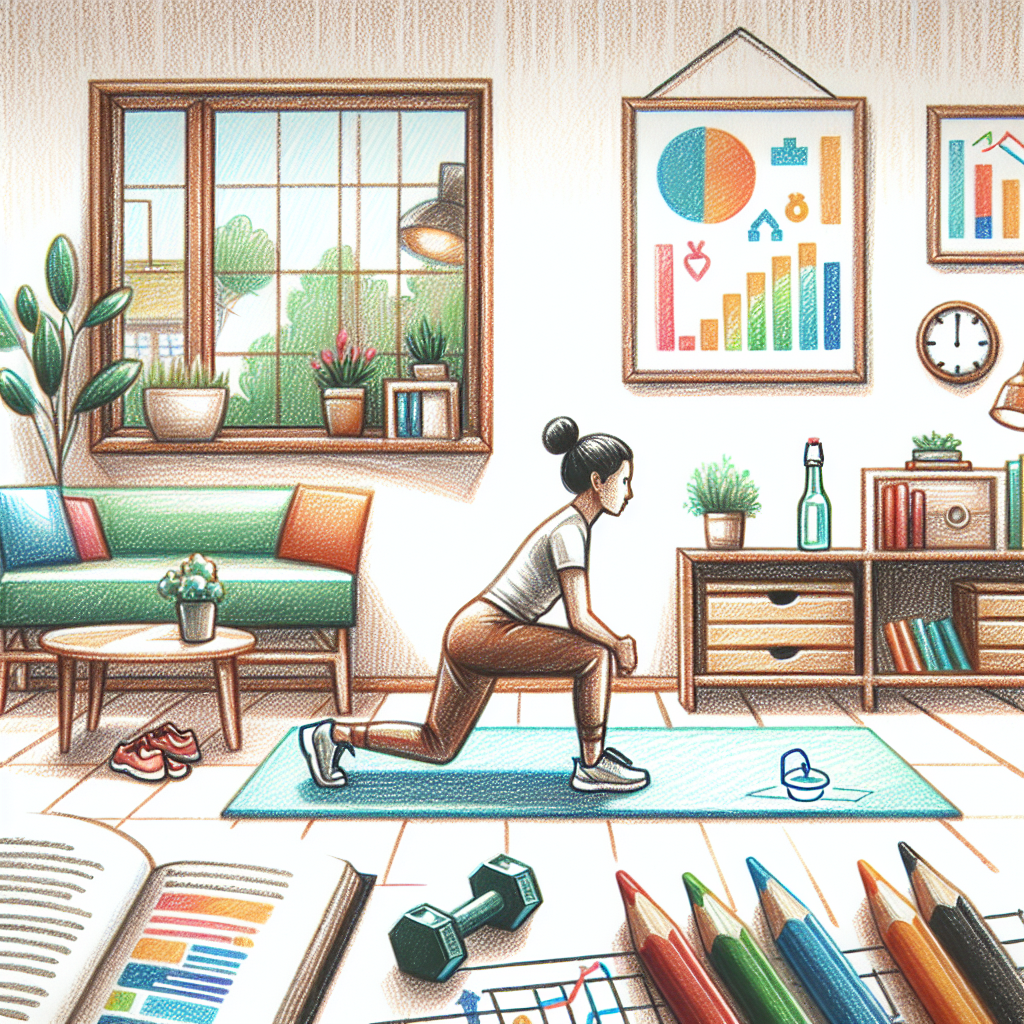
In today’s fast-paced world, maintaining physical fitness can often seem daunting, especially for those with busy schedules. However, you don’t need expensive gym memberships or sophisticated equipment to stay fit. This article delves into simple at-home workouts that require no equipment, making fitness easily accessible to everyone. By incorporating short, efficient routines into your daily schedule, you can achieve tangible results without the intimidation of a gym environment.
- Understanding No-Equipment Workouts
- Benefits of Home Workouts
- Essential Bodyweight Exercises
- Creating Your Workout Routine
- When to Consult a Professional
- Common Myths and Mistakes
- FAQs
- Conclusion
Understanding No-Equipment Workouts
No-equipment workouts leverage your body weight to build strength, endurance, and flexibility. These exercises can be performed in the comfort of your home, allowing for a customized workout that suits your unique needs. By focusing on functional movements, these workouts can improve your overall physical performance.
Benefits of Home Workouts
Choosing to exercise at home offers an array of advantages:
- Convenience: Perform workouts at your own pace and schedule.
- Cost-Effective: Eliminate gym fees and equipment costs.
- Flexibility: Adapt workouts to fit your available time.
- Privacy: Exercise without the pressure of an audience.
- Variety: Experiment with different routines and exercises easily.
Essential Bodyweight Exercises
Here are some fundamental exercises you can incorporate into your routine:
- Push-Ups: Great for building upper body strength.
- Squats: Effective for strengthening the legs and glutes.
- Lunges: Helpful for balance and leg strength.
- Planks: Excellent for core stability.
- Burpees: A full-body exercise that enhances cardiovascular fitness.
Creating Your Workout Routine
Designing a workout plan is essential to achieving results. Here’s a simple approach:
- Choose a Schedule: Aim for a minimum of three days a week.
- Select Exercises: Pick 4-5 bodyweight exercises.
- Set Time Limits: Start with 10-15 minutes and gradually increase.
- Incorporate Rest: Ensure to rest between sets and exercises.
- Track Progress: Keep a journal of your workouts and improvements.
For those looking for a structured approach, consider a 30-day exercise program where you only need six minutes of exercise each day, yet achieve results similar to traditional gym workouts.
When to Consult a Professional
While home workouts are generally safe, there are situations where consulting a professional is imperative:
- If you experience significant pain during or after exercising.
- If you have pre-existing health conditions or injuries.
- For personalized guidance tailored to specific fitness goals.
- If you find yourself plateauing in your progress.
Common Myths and Mistakes
Misunderstandings surrounding home workouts can hinder progress. Here are some common myths:
- Myth 1: Home workouts are less effective than gym workouts.
- Myth 2: You need to workout for hours to see results.
- Myth 3: Bodyweight exercises don’t build muscle.
- Myth 4: Equipment-free workouts are only for beginners.
FAQs
Are bodyweight exercises effective for weight loss?
Yes, bodyweight exercises can effectively aid in weight loss when combined with proper nutrition.
How often should I do bodyweight workouts?
Aim for at least three to five times per week for optimal results.
Can I perform these exercises if I am a beginner?
Yes, bodyweight exercises can be scaled to suit all fitness levels, making them ideal for beginners.
How long should each workout session last?
Start with 10-15 minutes and gradually increase as your fitness improves.
Will I need to progress to equipment later?
Not necessarily; many find bodyweight exercises sufficient for their fitness goals.
Is it possible to maintain motivation while working out at home?
Yes, consider setting specific goals, tracking progress, and varying your routine to stay engaged.
Conclusion
- Workout at home using simple bodyweight exercises.
- Enjoy the flexibility and convenience of no-equipment workouts.
- Incorporate a structured routine to track progress effectively.
- Consult a professional if pain or injury arises.
- Challenge common myths to maximize your home workout potential.
Take the first step towards your fitness journey today. Whether you follow simple exercises at home or explore a structured program, prioritize your health and well-being.
Author: John Angel