
Strength Training Exercises No Equipment
In the modern fitness landscape, strength training has emerged as essential for enhancing overall health and well-being. Not only does it increase muscle mass and strength, but it can also improve metabolic rate and support mental health. The misconception that strength training requires extensive equipment can deter many from reaping its benefits. This article aims to illuminate how to effectively engage in strength training without any equipment, enabling anyone to incorporate these beneficial exercises into their daily routine.
- Overview of Bodyweight Exercises
- Benefits of Strength Training without Equipment
- Key Bodyweight Strength Training Exercises
- Creating a Balanced Routine
- Common Mistakes to Avoid
- When to Consult a Professional
- FAQs
Overview of Bodyweight Exercises
Bodyweight exercises utilize an individual’s own weight as resistance, making them a highly accessible form of strength training. These exercises not only enhance muscular strength but also improve flexibility, balance, and endurance. Due to their adaptability, they can be performed anywhere—from a park to the comfort of your home. Moreover, they can cater to a wide array of fitness levels, making them suitable for beginners and seasoned athletes alike.
Benefits of Strength Training without Equipment
- Cost-Effective: Eliminates the need for purchasing gym memberships or home equipment.
- Convenience: Can be performed anywhere and at any time.
- Functionality: Enhances functional strength for daily activities.
- Progression: Easily adjustable to match evolving fitness levels.
- Variety: Numerous exercises can be combined to prevent monotony.
Key Bodyweight Strength Training Exercises
The following exercises exemplify a comprehensive approach to strength training without equipment. Each of these exercises targets multiple muscle groups, contributing to overall strength development.
1. Push-Ups
Push-ups are a quintessential exercise targeting the chest, shoulders, and triceps. They also engage your core for support.
- Start in a plank position, with hands shoulder-width apart.
- Lower your body until your chest nearly touches the floor.
- Push back to the starting position.
2. Squats
Squats primarily engage the quadriceps, hamstrings, and glutes.
- Stand with feet shoulder-width apart.
- Lower your body as if sitting back into a chair, keeping knees behind toes.
- Return to standing position.
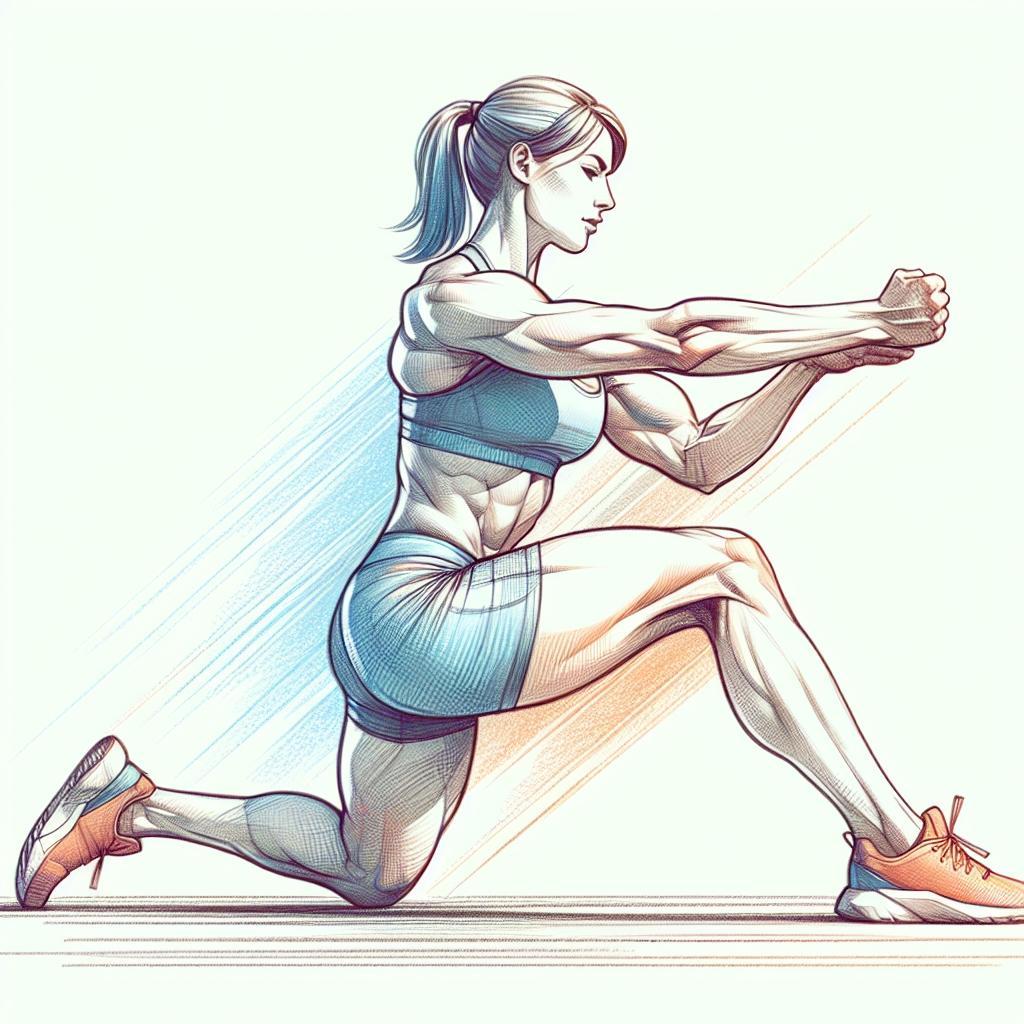
3. Lunges
Lunges enhance the strength of the legs and improve balance.
- Start standing tall and take a large step forward with one leg.
- Lower your hips until both knees are at 90-degree angles.
- Push back to the starting position and alternate legs.
4. Plank
The plank is an excellent exercise for engaging the core.
- Lie face down and lift your body onto your forearms and toes.
- Maintain a straight line from head to heels, engaging your core.
- Hold for as long as you can, aiming for at least 30 seconds.
5. Burpees
Burpees provide a full-body workout, combining strength training with a cardiovascular challenge.
- Stand tall, drop into a squat with your hands on the ground.
- Kick your feet back into a plank position.
- Return to squat, then jump up explosively.
Creating a Balanced Routine
For an effective workout regimen, it is crucial to ensure variety and balance in your routine. Aim to engage in strength training at least three times a week, incorporating exercises that target all major muscle groups. A well-rounded routine could involve:
- A day focused on upper body strength (e.g., push-ups, tricep dips).
- A day dedicated to lower body strength (e.g., squats, lunges).
- A day aimed at core stability (e.g., planks, leg raises).
To facilitate commitment and consistency, consider registering for a free 30-day exercise program where you only need to exercise for 6 minutes daily. The program is designed to help you achieve results akin to a conventional gym workout. [Sign up here](https://app.revolucnicviceni.cz/en/registration).
Common Mistakes to Avoid
Engaging in bodyweight exercises can lead to substantial progress, but it is essential to be mindful of common errors that can inhibit results or lead to injuries:
- Poor Form: Maintain proper form to maximize efficiency and minimize injury risk.
- Neglecting Warm-Up: Always warm up to prepare your body for exercise and prevent injuries.
- Inconsistent Routine: Regularity is key; inconsistent training can impede progress.
- Ignoring Recovery: Allow your body adequate time to recover between workouts.
- Overestimating Ability: Start with manageable repetitions and gradually increase as strength improves.
When to Consult a Professional
Despite the accessibility and simplicity of bodyweight exercises, individuals should seek professional guidance under certain circumstances. If you experience:
- Persistent pain during exercise that does not improve with rest.
- Significant difficulty performing basic movements.
- Pre-existing injuries that may be aggravated by strength training.
- Concerns about developing a tailored exercise program that aligns with your specific fitness goals.
Consulting a qualified fitness professional can provide valuable insights and ensure safe exercise practices.
FAQs
1. How often should I engage in bodyweight strength training?
Aim for at least three sessions per week to achieve optimal results.
2. Can I build muscle without weights?
Yes, bodyweight exercises can effectively build muscle through resistance training.
3. How do I know if I am using proper form?
Focus on alignment and control; consider seeking feedback from a professional if uncertain.
4. Is it possible to get a complete workout without equipment?
Absolutely, bodyweight exercises can target all major muscle groups effectively.
5. Can beginners start with bodyweight exercises?
Yes, bodyweight exercises are ideal for beginners due to their adaptability and scalability.
6. How can I track my progress?
Keep a workout journal or use fitness apps to monitor your routines and improvements over time.
Conclusion
- Bodyweight exercises are effective for strength training without any equipment.
- Regular participation can lead to significant improvements in overall strength and fitness.
- Maintaining proper form and consistency is critical for success.
- Be aware of your body’s signals and consult a professional when necessary.
- Consider convenient programs that integrate short, effective workouts into your daily routine.
Embark on your strength training journey today, leveraging the flexibility and efficiency of bodyweight exercises. Your health is an investment, and the time to start is now.
Author: John Angel