
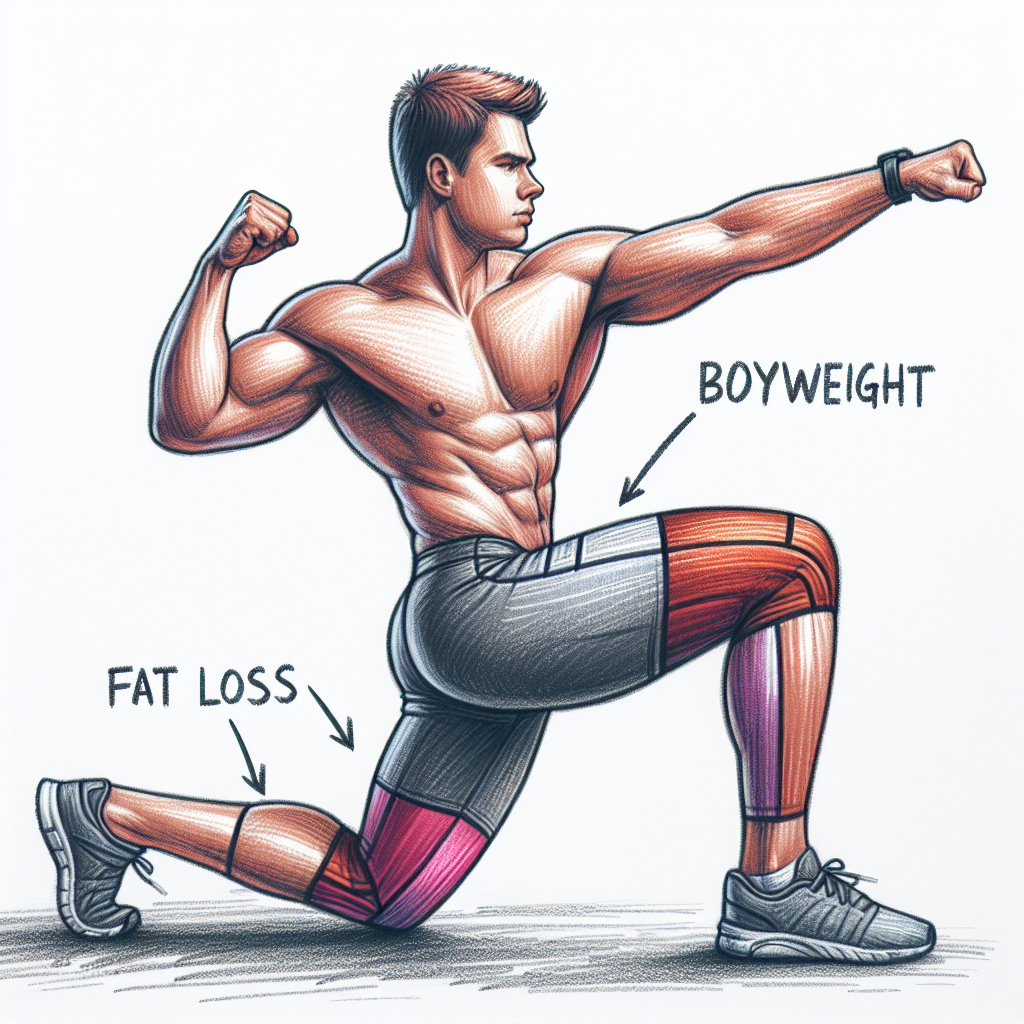
Strength training is often perceived as requiring expensive equipment and access to a gym; however, this misconception can thwart effective fat loss strategies. When approached correctly, bodyweight exercises can provide substantial benefits without the need for any apparatus. This article explores the fundamentals of strength training for fat loss without equipment, offering practical guidance to help you achieve impressive results in a short timeframe.
- Understanding Bodyweight Training
- Key Benefits of Strength Training for Fat Loss
- Effective Bodyweight Exercises
- Practical Guidelines for a Successful Routine
- When to Consult a Professional
- Myths and Misconceptions
- Frequently Asked Questions
- Conclusion
Understanding Bodyweight Training
Bodyweight training utilizes the individual’s weight as resistance, allowing for a diverse array of exercises that engage multiple muscle groups. It can be performed anywhere and is highly adaptable to various fitness levels. As you build strength, you can modify movements to increase difficulty, making it an effective method for both beginners and experienced athletes.
Key Benefits of Strength Training for Fat Loss
Incorporating strength training into your fitness regime can significantly enhance fat loss efforts. Here are some noteworthy benefits:
- Increased Muscle Mass: Building muscle through strength training elevates your resting metabolic rate, allowing you to burn more calories even while at rest.
- Improved Body Composition: Regular strength training promotes fat loss while preserving lean muscle, leading to a healthier body composition.
- Enhanced Functional Fitness: Bodyweight exercises improve overall strength, flexibility, and balance, facilitating day-to-day activities.
- Time Efficiency: Short, high-intensity workouts can yield superior results in limited timeframes. For example, a 30-day program involving just 6 minutes of daily exercise can be found here.
Effective Bodyweight Exercises
Here are some foundational bodyweight exercises that can contribute to fat loss:
- Push-ups: A classic exercise that engages the upper body and core.
- Squats: Targets the lower body while building strength and endurance.
- Lunges: Enhances balance and coordination besides working on leg strength.
- Planks: A potent core strengthening exercise that engages multiple muscle groups.
- Burpees: A full-body exercise that incorporates cardiovascular benefits along with strength training.
Practical Guidelines for a Successful Routine
To maximize your results during strength training for fat loss, consider the following guidelines:
- Consistency is Key: Aim for regular workouts to maintain momentum and achieve results.
- Set Specific Goals: Define clear, achievable targets to maintain motivation.
- Mix Up Exercises: Incorporate various movements to prevent boredom and to continuously challenge your body.
- Focus on Form: Ensure your technique is correct to avoid injuries and to maximize effectiveness.
- Incorporate High-Intensity Intervals: Sprinkle high-intensity bursts within your routine to enhance calorie burn.
- Listen to Your Body: Allow for sufficient rest and recovery to avoid burnout or injury.
When to Consult a Professional
While bodyweight training can be effective for fat loss, there are circumstances where it may be prudent to seek guidance from a certified fitness professional:
- If you are new to exercise or strength training.
- Should you experience persistent pain or discomfort during workouts.
- If you have pre-existing health conditions that could be exacerbated by exercise.
- When seeking personalized advice to meet specific fitness goals.
- If you feel unsure about maintaining proper form or technique.
Myths and Misconceptions
Despite its benefits, several misconceptions surrounding bodyweight training can hinder efforts:
- Myth 1: Bodyweight training is less effective than using weights.
- Myth 2: You can’t build muscle without equipment.
- Myth 3: Only high-volume training leads to fat loss.
- Myth 4: Bodyweight exercises are not challenging enough.
- Myth 5: You can target fat loss in specific areas (spot reduction).
Frequently Asked Questions
1. Can I lose weight with bodyweight exercises alone?
Yes, bodyweight exercises can effectively contribute to weight loss when combined with a balanced diet and a caloric deficit.
2. How often should I do strength training for fat loss?
Aim for at least two to three strength training sessions each week, with adequate rest days in between.
3. Is it necessary to do cardio with strength training?
While cardio can enhance calorie burn, strength training alone can be effective for fat loss, particularly when combined with high-intensity variations.
4. How long should a bodyweight workout be?
Even short sessions of 20 to 30 minutes can be effective, particularly when performed at a high intensity.
5. Can beginners perform bodyweight exercises?
Absolutely! Bodyweight exercises can be easily modified to suit various fitness levels.
6. What should I eat while training for fat loss?
A balanced diet rich in whole foods, lean proteins, healthy fats, and ample vegetables is recommended to support your fitness goals.
Conclusion
- Bodyweight training is an accessible and effective method for fat loss.
- Regular strength training can increase muscle mass and resting metabolic rate.
- Incorporate a variety of bodyweight exercises for optimal results.
- Seek professional guidance if unsure or experiencing discomfort.
- Understand and challenge common myths related to bodyweight training.
Ready to embark on your journey towards effective fat loss through strength training? Start with a plan that suits your lifestyle, ensuring consistency and enjoyment in your workouts. Consider exploring a convenient exercise option; you can register for a free 30-day program that requires only 6 minutes a day here.
Author: John Angel