At Home Bodyweight Workout: Maximize Your Fitness Potential
In an age where time is at a premium, engaging in a bodyweight workout at home offers an effective solution that requires no special equipment and minimal space. These workouts can be tailored to fit individual fitness levels, allowing for enhanced strength, flexibility, and endurance. Moreover, a consistent bodyweight regimen can yield results comparable to traditional gym workouts, often in just a few minutes a day. For those seeking an efficient entry into bodyweight training, consider a 30-day exercise program where you only exercise for 6 minutes daily but still achieve significant results, available for free registration here.
- Understanding Bodyweight Workouts
- Benefits of Bodyweight Training
- How to Structure Your At-Home Workout
- Common Myths and Mistakes in Bodyweight Training
- When to Consult a Professional
- FAQ
- Conclusion
Understanding Bodyweight Workouts
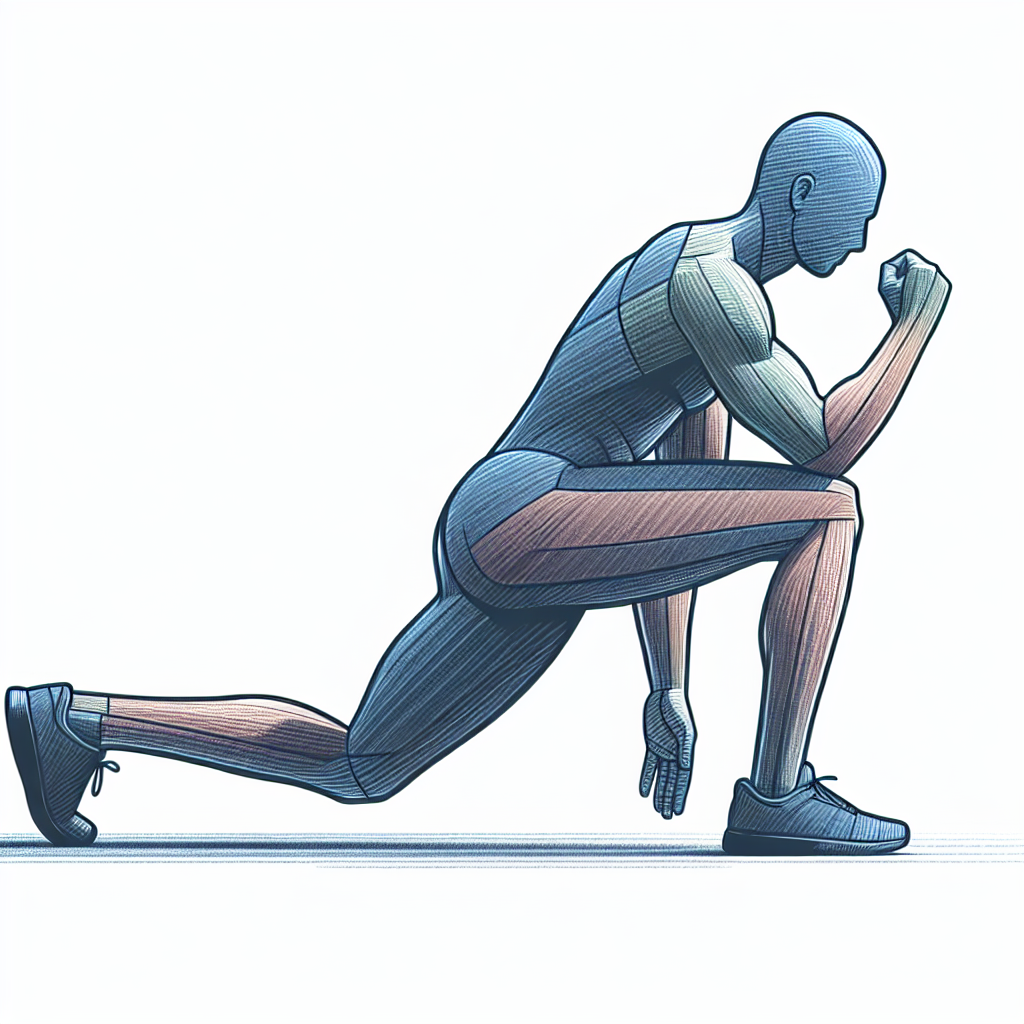
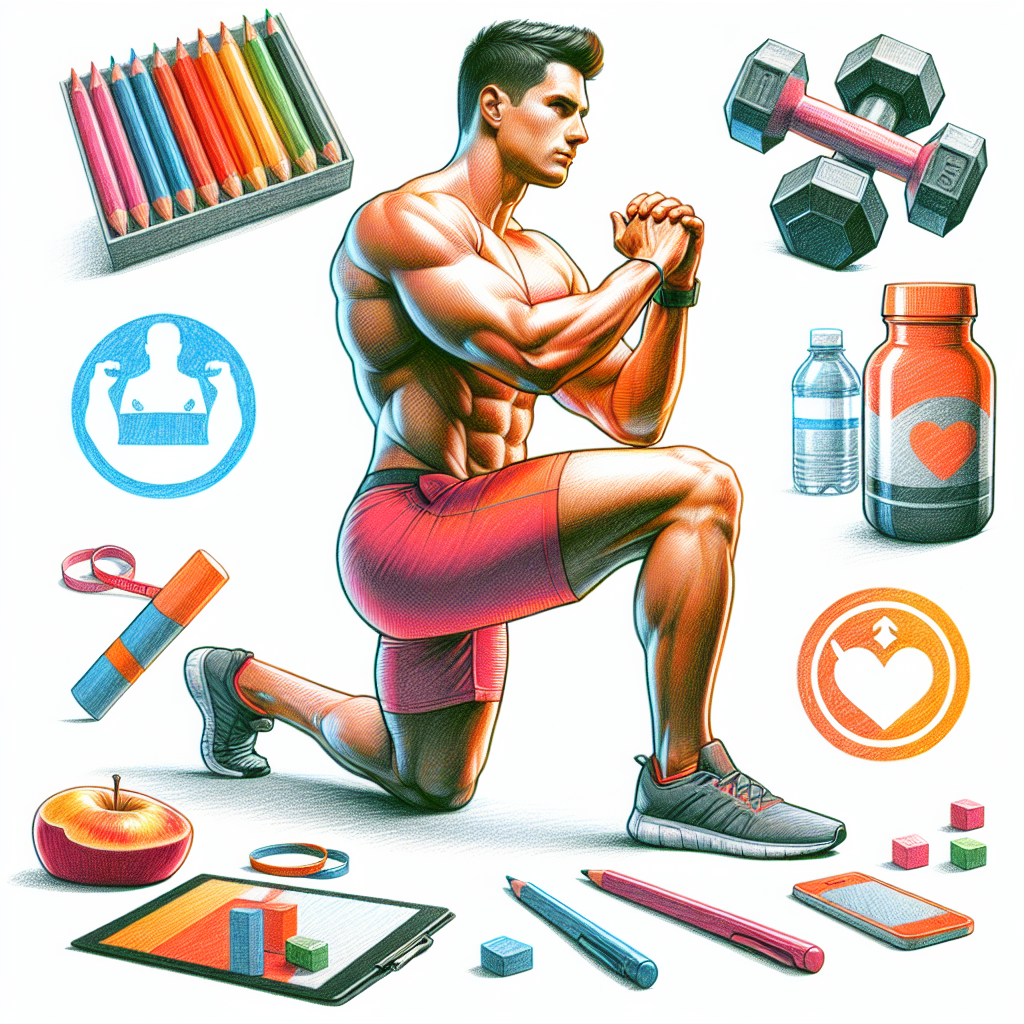
Bodyweight workouts utilize the individual’s weight as resistance, which can enhance functional fitness. Unlike free weights or machines, these exercises often engage multiple muscle groups, promoting better coordination and balance. Common exercises include squats, lunges, push-ups, and planks. They can be modified to increase or decrease intensity, making them suitable for all fitness levels.
Benefits of Bodyweight Training
- Accessibility: Requires no equipment and can be done anywhere.
- Versatility: Exercises can be modified to suit individual fitness levels.
- Time Efficiency: Short duration of workouts can fit into any schedule.
- Improved Functional Strength: Enhances strength and flexibility in everyday movements.
- Cost-effective: Eliminates the need for gym memberships or expensive equipment.
How to Structure Your At-Home Workout
Creating a structured workout plan is essential for maximizing the benefits of bodyweight training. Follow these guidelines for an effective at-home workout:
- Warm-up: Begin with a 5-minute warm-up to increase your heart rate and loosen your muscles. Activities could include jogging in place, arm circles, and dynamic stretches.
- Main Workout: Choose 4-6 exercises focusing on different muscle groups. Perform each exercise for 30 seconds to 1 minute, followed by a short rest. A sample workout may include:
- Push-ups
- Squats
- Planks
- Lunges
- Burpees
Common Myths and Mistakes in Bodyweight Training
Despite the efficacy of bodyweight workouts, several misconceptions persist:
- Myth 1: Bodyweight training cannot build muscle mass. Reality: Properly structured bodyweight workouts can effectively promote muscle hypertrophy.
- Myth 2: Only beginners should do bodyweight exercises. Reality: Advanced athletes often incorporate these exercises to enhance performance.
- Mistake 1: Not maintaining proper form. Reality: This can lead to injuries—always prioritize quality over quantity.
- Mistake 2: Skipping warm-up and cool-down. Reality: These phases are crucial for preventing injury and promoting recovery.
When to Consult a Professional
Although bodyweight workouts can be performed safely by most individuals, there are circumstances that warrant consulting a fitness professional:
- Experiencing persistent pain or discomfort during exercises.
- Hesitating to engage in physical activity due to pre-existing medical conditions.
- Feeling uncertain about proper form and technique.
- Seeking a tailored workout plan that considers individual goals and limitations.
FAQ
Can bodyweight workouts help with weight loss?
Yes, when combined with proper nutrition, bodyweight workouts can effectively contribute to weight loss by increasing calorie expenditure.
How often should I perform bodyweight workouts?
For optimal results, aim for at least 3-5 sessions per week, incorporating variations to your routine.
Do I need special equipment for bodyweight training?
No, bodyweight exercises can be performed without any equipment, making them highly accessible.
Can beginners successfully do bodyweight workouts?
Absolutely, bodyweight exercises can be easily modified for beginners and progressively increased in difficulty.
What are the best bodyweight exercises for beginners?
Start with push-ups, squats, lunges, and planks as they effectively target multiple major muscle groups.
Is it necessary to rest between workouts?
Yes, ensure to allow at least one rest day between intense workout sessions to promote recovery and prevent overtraining.
Conclusion
- Bodyweight workouts are highly accessible and effective for improving fitness levels.
- Such workouts can be structured efficiently to fit into even the busiest schedules.
- Common misconceptions and mistakes can hinder progress; focus on proper form and structure.
- Consult professionals when uncertain about technique or when experiencing pain.
- Maximize results by considering brief, structured workouts as advocated in programs like the 30-day exercise challenge.
Ready to take your fitness journey to the next level? Consider joining a free 30-day exercise program that only requires 6 minutes a day to achieve transformative results, available for registration here.
Author: John Angel