

Categories
Meal Planning

Weekly Healthy Meal Plan for Effective Weight Loss

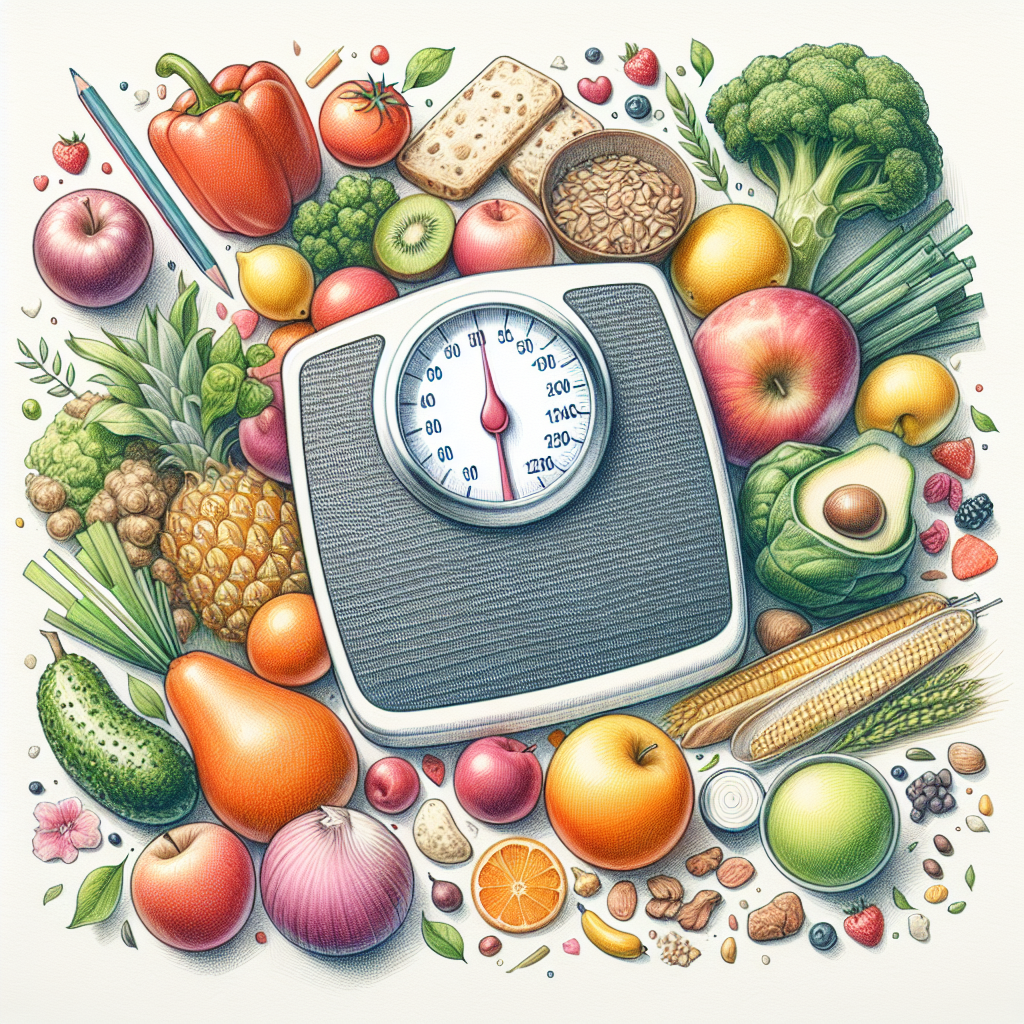
Embarking on a weight loss journey requires strategic planning, particularly regarding meal choices. A healthy meal plan for a week can provide structure, ensuring the right balance of nutrients while also satisfying your appetite. This guide offers a comprehensive, practical approach to meal planning tailored for weight loss, enhanced with insights on incorporating quick workouts into your daily routine.

  • Understanding the Basics of a Healthy Meal Plan
  • Sample Healthy Meal Plan for a Week
  • Incorporating Quick Workouts into Your Routine
  • When to Consult a Health Professional
  • Common Misconceptions About Weight Loss
  • Frequently Asked Questions

Understanding the Basics of a Healthy Meal Plan

Weight loss is largely governed by the balance between calories consumed and calories burned. A healthy meal plan emphasizes nutrient-dense foods—those rich in vitamins, minerals, and other beneficial compounds—while being mindful of caloric intake. Key components include:

  • Fruits and Vegetables: Rich in fiber, vitamins, and minerals, these should form the foundation of your meals.
  • Lean Proteins: Foods like chicken, fish, beans, and legumes promote satiety and support muscle maintenance.
  • Whole Grains: Sources like quinoa, brown rice, and whole-grain bread offer sustained energy and nutrients.
  • Healthy Fats: Avocados, nuts, and olive oil contribute to overall health and feelings of fullness.

Sample Healthy Meal Plan for a Week

This sample meal plan provides a balanced approach to nutrition, with meals designed to be satisfying and conducive to weight loss.

Monday

  • Breakfast: Oatmeal with berries and a sprinkle of nuts
  • Lunch: Grilled chicken salad with mixed greens and vinaigrette
  • Dinner: Baked salmon with quinoa and steamed broccoli

Tuesday

  • Breakfast: Greek yogurt with honey and sliced banana
  • Lunch: Quinoa bowl with black beans, corn, and avocado
  • Dinner: Stir-fried tofu with vegetables and brown rice

Wednesday

  • Breakfast: Smoothie with spinach, banana, and almond milk
  • Lunch: Turkey wrap with lettuce, tomato, and hummus
  • Dinner: Zucchini noodles with marinara sauce and grilled chicken

Thursday

  • Breakfast: Scrambled eggs with spinach and whole-grain toast
  • Lunch: Lentil soup with a side salad
  • Dinner: Grilled shrimp with asparagus and wild rice

Friday

  • Breakfast: Overnight oats with chia seeds and raspberries
  • Lunch: Chickpea salad with cucumber and peppers
  • Dinner: Roast chicken with sweet potatoes and green beans

Saturday

  • Breakfast: Smoothie bowl topped with granola and fruits
  • Lunch: Quinoa salad with feta and olives
  • Dinner: Beef stir-fry with broccoli and brown rice

Sunday

  • Breakfast: Whole-grain pancakes with maple syrup and strawberries
  • Lunch: Spinach salad with grilled chicken
  • Dinner: Stuffed peppers with ground turkey and brown rice

Incorporating Quick Workouts into Your Routine

Many individuals struggle to find time for exercise amidst their busy schedules. However, the magic of six-minute short workouts at home is their versatility and efficiency. These condensed workouts can easily fit into a hectic day, allowing for consistent movement without the need for extensive time commitments. By engaging in just six minutes of high-intensity exercise, you can:

  • Boost your metabolism and burn calories throughout the day.
  • Improve your cardiovascular health and stamina.
  • Enhance your mood through the release of endorphins.
  • Fit exercise seamlessly into your routine.

For those interested in adding this element to their weight loss journey, consider trying the free 30-day SixPack workout program, designed to maximize results in minimal time.

When to Consult a Health Professional

While many individuals can manage their weight loss journey through diet and exercise, certain situations warrant consultation with a healthcare provider:

  • If you have a chronic health condition that could affect your diet or exercise.
  • When you experience significant weight loss or gain without intention.
  • Should you face difficulties with meal planning and finding sustainable habits.
  • If your weight loss journey significantly impacts your mental health or leads to disordered eating patterns.

Common Misconceptions About Weight Loss

Several myths surrounding weight loss can hinder progress. Here are some misbeliefs to address:

  • Myth: Skipping meals is an effective way to lose weight. Fact: This can lead to increased hunger and potential overeating later.
  • Myth: All fats are bad. Fact: Healthy fats are essential for overall health.
  • Myth: Supplements can replace healthy eating. Fact: Whole foods provide necessary nutrients that supplements cannot fully replicate.

Frequently Asked Questions

What is the best way to plan meals for weight loss?

Focus on whole, nutrient-dense foods, tiering your meals around lean proteins, fruits, vegetables, healthy fats, and whole grains.

How can I stick to my healthy meal plan?

Make your meal plan realistic and enjoyable; include a variety of foods and prepare meals in advance to reduce decision fatigue.

Are quick workouts effective for weight loss?

Yes, short, high-intensity workouts can be very effective in boosting metabolism and burning calories in a limited timeframe.

How important are portion sizes in a meal plan?

Portion sizes are critical; being mindful of serving sizes helps ensure caloric intake aligns with weight loss goals.

Can healthy meals be budget-friendly?

Absolutely! Planning meals around seasonal produce and bulk buying can help keep costs low while maintaining healthy eating habits.

Should I weigh myself daily during my weight loss journey?

It’s generally more productive to weigh yourself weekly; daily fluctuations are normal and can impact motivation and morale.

Conclusion

  • Creating a balanced, healthy meal plan is essential for successful weight loss.
  • Incorporating quick, effective workouts can enhance your efforts significantly.
  • Understanding when to seek professional guidance is crucial for long-term goals.
  • Acknowledging common misconceptions can help you maintain focus and motivation.
  • Stay committed, embrace variety, and enjoy your weight loss journey.

If you’re ready to elevate your weight loss journey, consider exploring the free 30-day SixPack workout program for a formidable boost.

Author: John Angel
Categories
Weight Loss

Healthy Meals for Effective Weight Loss: A Comprehensive Guide

Embarking on a weight loss journey requires commitment, discipline, and, importantly, the right nutritional choices. This article highlights healthy meals that support weight loss, offering readers valuable insights into meal planning and preparation for achieving their desired outcomes. By understanding how to nourish your body efficiently, you can foster sustainable weight loss and improved overall health. Moreover, coupling these meals with short, effective workouts can further enhance your results.

  • Introduction
  • Understanding Healthy Meals
  • Ingredients for Success
  • Meal Planning Tips
  • The Power of Short Workouts
  • When to Consult a Professional
  • Common Misconceptions
  • FAQs
  • Conclusion

Understanding Healthy Meals

Healthy meals for weight loss typically focus on whole, nutrient-dense foods that provide sufficient energy without excessive calories. These meals should incorporate a balance of macronutrients—proteins, fats, and carbohydrates—tailored to your individual needs. Foods such as lean meats, vegetables, fruits, whole grains, and legumes form the foundation of a weight loss-friendly diet.

Ingredients for Success

Selecting the right ingredients is crucial in your approach to healthy eating. Here is a list of essential components to incorporate into your meals:

  • Lean Proteins: Chicken, turkey, fish, and plant-based options like beans and lentils help build muscle and keep you satiated.
  • Whole Grains: Brown rice, quinoa, and oats provide fiber and energy, supporting digestion and prolonged fullness.
  • Healthy Fats: Avocados, nuts, and olive oil support metabolic health and can aid in nutrient absorption.
  • Fruits and Vegetables: These provide vitamins, minerals, and antioxidants while being low in calories.

Meal Planning Tips

Successfully implementing healthy meals into your weight loss journey requires thoughtful planning. Here are steps to consider:

  1. Set a Schedule: Designate specific days for meal prep each week to minimize the stress of daily cooking.
  2. Balance Your Plate: Ensure each meal is comprised of macronutrients, adhering to a formula of 40% carbohydrates, 30% protein, and 30% healthy fats.
  3. Batch Cooking: Prepare larger portions and store them in individual containers for quick access throughout the week.
  4. Incorporate Variety: Experiment with different recipes and flavors to keep your meals enjoyable and prevent monotony.

The Power of Short Workouts

Physical activity is essential for weight loss, but it can be challenging to find time for lengthy workouts. The magic of short, six-minute workouts at home lies in their ability to fit seamlessly into a busy lifestyle. These workouts elevate your heart rate, boost metabolism, and enhance overall endurance without the need for a gym.

Short workouts offer significant advantages for individuals on a weight loss journey:

  • Time-efficient: They can be completed in the time it takes to prepare a meal or commute to the gym.
  • Accessibility: No special equipment is needed, allowing you to exercise anywhere.
  • Boosts Energy: Even a quick workout can elevate mood and energy levels, leading to better productivity throughout the day.
  • Enhances Compliance: Short sessions can help those who struggle with motivation stay engaged and committed.

To experience these benefits firsthand, consider registering for a trial of the SixPack workout program for 30 days for free.

When to Consult a Professional

While embarking on a weight loss journey through healthy meals and exercise is commendable, there are certain scenarios in which consulting a healthcare professional becomes vital:

  • If you have underlying health conditions that may affect dietary choices or exercise routines.
  • If weight loss stalls for an extended period despite adherence to your plan.
  • When experiencing significant emotional distress or anxiety related to food and weight.
  • If you are considering extreme dieting or unusual weight loss methods.

Common Misconceptions

When it comes to diet and weight loss, misinformation abounds. Here are some prevalent myths:

  • Myth: All fats are bad. In reality, healthy fats are essential for bodily functions.
  • Myth: You must eliminate entire food groups. Balance is key; moderation is more effective than restriction.
  • Myth: Carbs cause weight gain. Quality carbohydrates, especially from whole grains, are vital to a balanced diet.
  • Myth: You can out-exercise a poor diet. Nutrition plays a crucial role in weight management; both diet and exercise are imperative.

FAQs

What is the best meal for weight loss?

A balanced meal containing lean protein, healthy fats, and fiber-rich carbohydrates, such as a grilled chicken salad with avocado and quinoa, is often recommended.

How many meals should I eat per day while trying to lose weight?

Eating three balanced meals with healthy snacks in between can help maintain energy levels and reduce hunger.

Are smoothies a good option for weight loss?

Yes, smoothies can be nutritious and low in calories, especially when made with whole ingredients and without added sugars.

How can I avoid emotional eating?

Practicing mindfulness and seeking alternative coping strategies, such as exercise or hobbies, can help mitigate emotional eating.

Is it possible to lose weight without exercising?

While diet plays a significant role in weight loss, incorporating physical activity enhances results and supports overall well-being.

What are some quick snacks for weight loss?

Options like fresh fruits, nuts, Greek yogurt, and cut vegetables with hummus can be excellent, satisfying choices.

Conclusion

  • Focus on whole, nutritious foods for sustainable weight loss.
  • Meal planning can simplify and enhance your dietary adherence.
  • Short workouts offer flexibility, making physical activity more accessible.
  • Consult a professional if weight loss becomes a significant concern.
  • Beware of common myths that can lead you astray on your journey.

As you embark on your weight loss journey, remember that consistency is key. Combining healthy meals with efficient workouts can lead to lasting results. Start by exploring a nutritious meal plan and consider joining the SixPack workout program for 30 days for free to discover the magic of effective, short workouts at home.

Author: John Angel

Related articles

Website analytics information

We use Google Analytics 4 for visitor statistics. Analytics cookies require your consent, which you can change using the button above. The data controller is ZDRAVÍ S ÚSMĚVEM s.r.o., company ID 29283329, contact podpora@revolucnicviceni.cz. Google processes browser, device and page visit information. We do not send form field values to Analytics. How Google uses information · Google Privacy Policy.