Categories
Fitness

Top No-Equipment Workout Apps for Effective Training

In a world increasingly dominated by convenience and accessibility, workout apps that require no equipment have surged in popularity. The appeal lies not only in their affordability but also in the flexibility they offer for those with busy lifestyles. Whether you are a beginner seeking to establish a fitness routine or an experienced individual looking for a quick and effective workout, the right app can facilitate your goals. This article will explore some of the best workout applications that necessitate no equipment, ensuring you can exercise anytime, anywhere.

  • Understanding Bodyweight Training
  • Top Workout Apps Without Equipment
  • How to Create Your Own Routine
  • When to Consider Professional Guidance
  • Debunking Common Fitness Myths
  • Frequently Asked Questions
  • Conclusion

Understanding Bodyweight Training

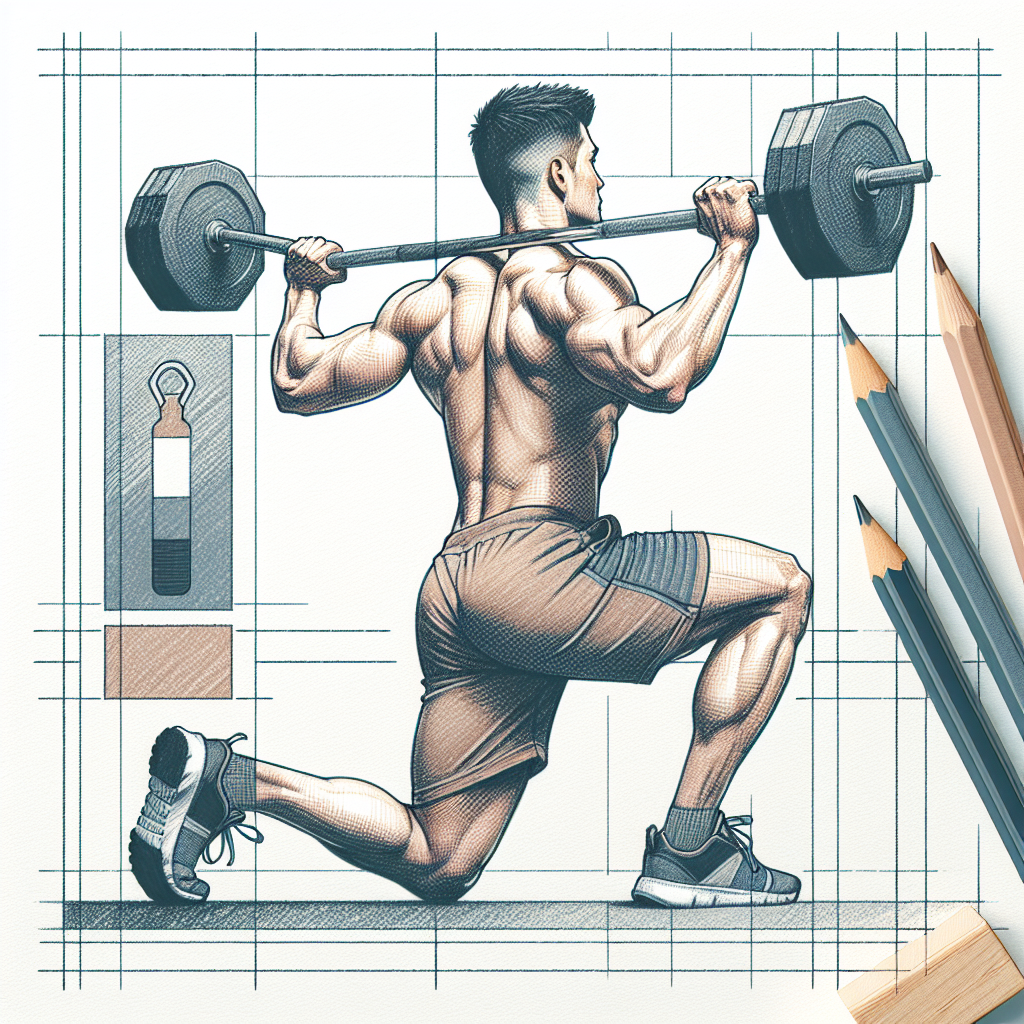
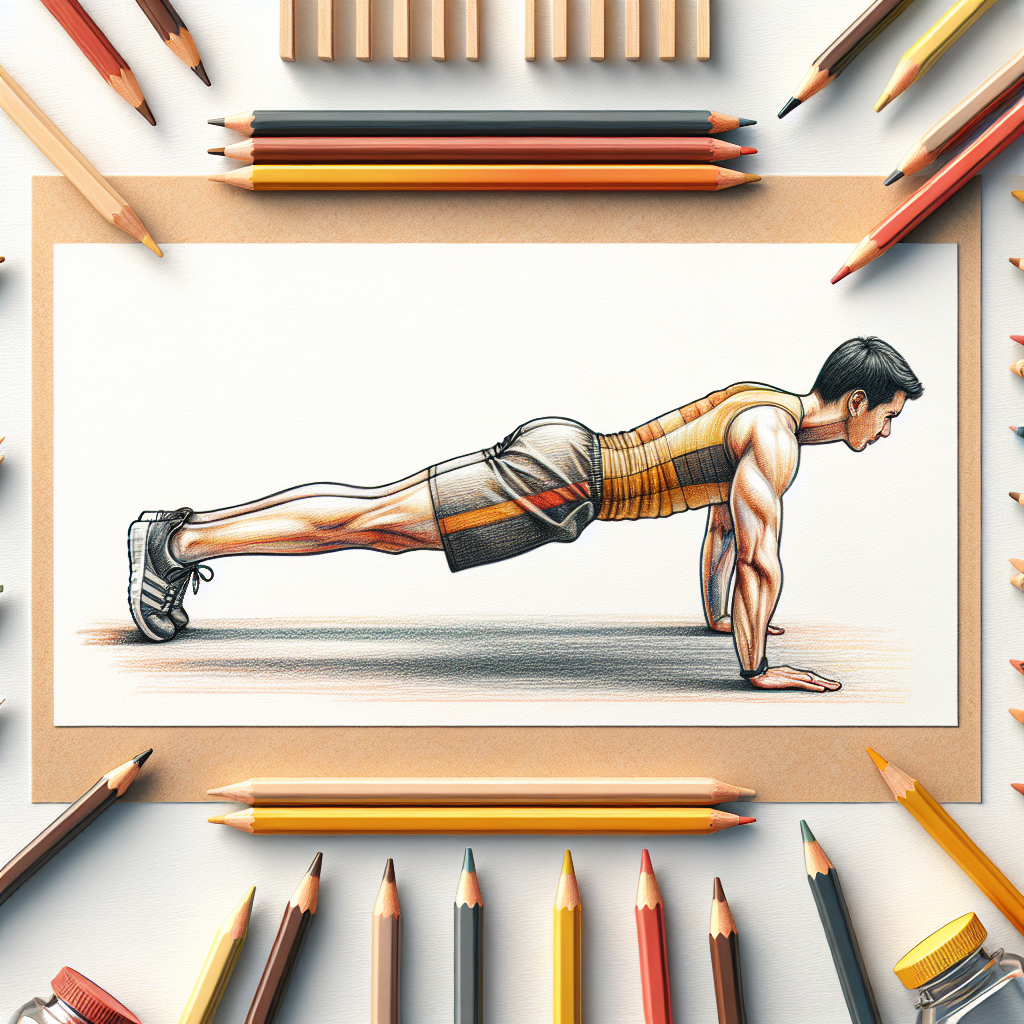
Bodyweight training refers to exercises that utilize your own weight as resistance, allowing for a comprehensive workout without the need for additional equipment. Some common exercises include push-ups, squats, lunges, and planks. This form of training can improve strength, flexibility, and cardiovascular health. Its benefits include:

  • Accessibility: No need for gym memberships or costly equipment.
  • Versatility: Exercises can be performed anywhere, from a park to your living room.
  • Adaptability: Suitable for all fitness levels, as movements can be modified to fit individuals’ abilities.
  • Time efficiency: Many effective bodyweight exercises can be completed in a short period, making it ideal for those with tight schedules.

Top Workout Apps Without Equipment

With countless workout apps available, it can be daunting to choose the right one. Here are some of the best no-equipment workout apps currently on the market:

1. 7 Minute Workout

This app focuses on high-intensity interval training, where you perform a set of exercises for seven minutes. It is especially beneficial for individuals seeking a quick yet effective routine.

2. Sworkit

Sworkit offers customizable workouts that can vary in length and intensity. Users can choose from strength, cardio, yoga, and stretching routines that require no equipment.

3. Fitbod

While primarily targeted at those who use weights, Fitbod offers a range of bodyweight routines as well. It adapts to users’ fitness levels and enables a progressive workout experience.

4. Daily Burn

With a variety of workout types, including strength and cardiovascular exercises, Daily Burn features a no-equipment option perfect for those looking to stay fit at home. The app also provides access to professional trainers.

5. Johnson & Johnson Official 7 Minute Workout App

This application is based on the concept of short, effective workouts. It includes a variety of circuits and offers audio and visual cues to guide your exercise session.

How to Create Your Own Routine

Creating a personalized workout routine can be a straightforward process if guided by specific goals and preferences. Here are steps to tailor your bodyweight workout:

  1. Set Clear Goals: Decide your primary focus, whether it is weight loss, strength building, or overall fitness.
  2. Choose Exercises: Select a combination of exercises that target different muscle groups. Examples include push-ups, squats, lunges, and core exercises.
  3. Establish Duration: Set a timeframe for each session. An effective workout can be completed in as little as 6 minutes, as demonstrated by this 30-day exercise program.
  4. Schedule Regular Workouts: Consistency is key. Aim to exercise at least 3-4 times a week.
  5. Track Progress: Maintain a journal or use apps to record your workouts, noting improvements in strength and endurance.

When to Consider Professional Guidance

While bodyweight training is accessible and beneficial for many, it is essential to consult with a qualified professional under the following circumstances:

  • You experience pain or discomfort during exercises.
  • You are recovering from an injury or health issue.
  • You have specific fitness goals that require tailored programming.
  • You are unsure about proper form and technique.
  • You feel that self-guided training is not yielding the desired results.

Debunking Common Fitness Myths

The fitness industry is rife with myths that can mislead individuals. Understanding the truth behind these misconceptions can aid you in making informed decisions:

Myth 1: You need a gym for an effective workout.

Bodyweight exercises can be incredibly effective, allowing you to achieve robust fitness levels without a gym.

Myth 2: More exercise always means better results.

Quality of exercise is more important than quantity. Short, focused workouts can yield results just as effectively as lengthy sessions.

Myth 3: Cardio is the only way to lose weight.

Strength training, including bodyweight exercises, is equally important for weight loss and overall health.

Myth 4: You have to feel sore to have had a good workout.

Soreness is not an indicator of effectiveness; it is possible to have a productive session without experiencing pain.

Frequently Asked Questions

What types of exercises can I do with no equipment?

You can perform push-ups, squats, lunges, planks, and many more bodyweight exercises that target various muscle groups.

How often should I work out without equipment?

Aim for at least 3-4 times a week for effective results, depending on your fitness level and goals.

Can beginners use these apps?

Yes, many workout apps are designed with beginners in mind and offer modified versions of exercises.

Is it possible to build muscle without weights?

Absolutely. Bodyweight exercises can stimulate muscle growth effectively when performed correctly and progressively.

How do I stay motivated to work out at home?

Set clear goals, track your progress, and engage with online fitness communities for support and motivation.

Do I need to warm up before bodyweight exercises?

Yes, warming up for 5-10 minutes is crucial to prepare your body and reduce the risk of injury.

Conclusion

  • Bodyweight training provides a flexible and effective workout option for individuals at any fitness level.
  • Numerous apps offer structured programs with no need for equipment, making fitness accessible from home.
  • Creating a personalized routine allows for adaptation to individual goals and preferences.
  • Seek professional advice if experiencing pain or looking for tailored guidance.
  • Dispelling common fitness myths can help you make better-informed decisions about your health journey.

As you embark on your fitness journey, consider trying out a no-equipment workout app that aligns with your goals. Discover the potential of bodyweight training and start achieving your fitness aspirations today!

Author: John Angel

Related articles

Categories
Fitness

Top No-Equipment At-Home Workout Apps for Effective Fitness

Best At-Home Workout App No Equipment

In today’s fast-paced environment, many individuals seek effective workout solutions that can fit seamlessly into their daily schedules. With a growing number of at-home workout applications available, one may wonder which is the most effective—particularly for those who wish to exercise without the burdens of equipment. This article explores the best options for at-home workouts requiring no equipment while offering practical guidance on creating a regimen that fits your lifestyle.

  • Introduction
  • Benefits of At-Home Workouts
  • Top Workout Apps
  • Key Features to Look For
  • How to Maximize Results
  • When to Consult a Professional
  • Common Misconceptions
  • FAQ
  • Conclusion

Benefits of At-Home Workouts

At-home workouts offer several advantages over traditional gym sessions. Firstly, they provide unmatched convenience—allowing individuals to exercise when and where they choose. This flexibility can lead to greater consistency and, ultimately, better results.

Additionally, working out at home eliminates the intimidation that some feel in a gym setting. Many individuals find it easier to focus on form and technique in the comfort of their homes, leading to more effective workouts.

Top Workout Apps

When it comes to no-equipment workout applications, several stand out for their user-friendly interfaces and comprehensive routines. Here are a few noteworthy options:

  • Nike Training Club: This app offers a plethora of workouts ranging from strength and endurance to yoga and mobility. It includes guided sessions that require no equipment.
  • 7 Minute Workout: Designed for those with limited time, this app features high-intensity workouts that last just seven minutes, suitable for all fitness levels.
  • FitOn: This app hosts workouts led by professional trainers and includes a vast library of classes that require no equipment while fostering community interaction.
  • JEFIT: Although primarily used for strength training, JEFIT provides bodyweight routines for users preferring equipment-free workouts.
  • RevoLuci: This app is unique in that it offers a specialized 30-day exercise program that requires only 6 minutes of daily commitment to yield results comparable to traditional gym sessions. You can start your journey by registering for free at RevoLuci.

Key Features to Look For

Choosing an app that motivates and supports your fitness journey is paramount. Here are essential features to consider:

  • User-Friendly Interface: An intuitive design allows for easy navigation, helping you focus on your workout.
  • Variety of Workouts: A wide range of routines can keep workouts interesting and cater to different fitness levels.
  • Progress Tracking: Features that allow users to monitor their progress can enhance motivation and accountability.
  • Community or Social Features: Connecting with others can foster motivation and create a sense of accountability.
  • Expert Guidance: Access to professional trainers can enhance technique and provide valuable feedback.

How to Maximize Results

Even when utilizing a no-equipment workout app, consistency and effort are vital for achieving results. Here are some actionable steps you can take:

  1. Establish a Routine: Set specific days and times for your workouts to build a habit.
  2. Warm-Up and Cool Down: Always include a proper warm-up to prepare your muscles, and cool down to aid recovery.
  3. Focus on Form: Quality over quantity is crucial. Pay attention to your movement patterns to avoid injury.
  4. Incorporate Variety: Avoid workout monotony by switching up routines and trying new exercises.
  5. Stay Hydrated: Drink water before, during, and after workouts to maintain optimal performance.
  6. Track Your Progress: Use the app’s tracking features to set goals and celebrate achievements.

When to Consult a Professional

While many individuals can safely undertake at-home workouts, there are situations in which professional guidance is advisable. Seek the expertise of a qualified fitness trainer or healthcare professional if:

  • You experience persistent pain or discomfort during workouts.
  • You have existing health concerns or conditions that could complicate your exercise regimen.
  • You are unsure about how to properly perform certain exercises.
  • You wish to develop a personalized training program exceeding basic home workouts.
  • You are preparing for specific athletic goals or events.

Common Misconceptions

Several myths surrounding at-home workouts may deter individuals from pursuing this convenient fitness solution. Here are a few of the most common misconceptions:

  • You Need Equipment to Get Fit: Bodyweight exercises are highly effective and can build strength, endurance, and flexibility.
  • At-Home Workouts Are Less Effective: When performed consistently and correctly, home workouts can yield results comparable to gym sessions.
  • Short Workouts Don’t Count: Research supports the efficacy of high-intensity, short-duration workouts for fitness gains.
  • All Apps Are the Same: Each app offers distinct features, formats, and training styles that cater to various fitness levels and goals.

FAQ

Can I really get fit at home without any equipment?

Yes, many effective bodyweight exercises can enhance fitness without the need for equipment.

How much time should I dedicate to at-home workouts?

Even as little as 6 minutes a day can yield significant results when performed consistently, particularly with high-intensity workouts.

Are app-based workouts suitable for beginners?

Many workout apps offer routines tailored to beginners, allowing you to gradually increase your intensity and duration.

What is the best time to work out at home?

Choosing a time that aligns with your schedule ensures consistency; select a time when you feel most energetic.

Do I need a special diet to see results from at-home workouts?

A balanced diet can significantly enhance your results, but effectiveness largely depends on the intensity and consistency of your workouts.

Can I use multiple apps for workouts?

Yes, many individuals benefit from using a combination of apps to diversify their workouts and avoid monotony.

Conclusion

  • At-home workouts offer flexibility and accessibility, enabling individuals to maintain fitness amidst busy lives.
  • Numerous apps provide excellent no-equipment workout options, catering to a variety of fitness levels.
  • Consistency, form, and hydration play crucial roles in maximizing workout results.
  • Recognizing when to seek professional guidance can enhance your fitness journey.
  • Dispelling common misconceptions helps foster a more informed approach to fitness.

If you’re ready to embark on a productive and manageable workout journey, consider trying out the innovative approach through RevoLuci, where you can start with just 6 minutes a day to see impressive results. Sign up for the 30-day program for free at RevoLuci.

Author: John Angel

Related articles

Categories
Fitness

30-Day No Equipment Workout Plan for Beginners

30-Day Workout Plan for Beginners: No Equipment Required

Embarking on a fitness journey can be both exciting and daunting, particularly for beginners. A structured workout plan can provide a solid foundation, helping you establish a routine while achieving noticeable results. This 30-day no-equipment workout plan is designed specifically for beginners, focusing on short, effective sessions that require minimal time commitment. By the end of the month, you will likely feel stronger, more energized, and more confident in your physical abilities.

  • Introduction
  • Benefits of a Consistent Workout Routine
  • Overview of the 30-Day Workout Plan
  • Daily Schedule Breakdown
  • When to Consult a Professional
  • Common Myths and Mistakes
  • Frequently Asked Questions
  • Conclusion

Benefits of a Consistent Workout Routine

Establishing a consistent workout routine offers an array of physical and mental benefits. Regular exercise can boost cardiovascular health, enhance muscular strength, improve mood, and promote better sleep. Additionally, engaging in daily physical activity can facilitate weight management and increase energy levels, contributing to overall well-being.

Overview of the 30-Day Workout Plan

This plan is designed for beginners and consists of simple yet effective bodyweight exercises that do not require any equipment. Each workout session lasts just six minutes, making it highly accessible for those with busy schedules. By consistently following this method, participants can achieve results comparable to those attained through traditional gym workouts.

To maximize your results, consider registering for a tailored, complementary exercise program, where you will only exercise for six minutes daily while yielding significant results. You can learn more and register for free here.

Daily Schedule Breakdown

The workout plan is structured over four weeks, with varying exercises designed to target different muscle groups and keep workouts engaging. Here is a brief overview:

  1. Weeks 1 & 2: Foundational Movements
  2. Week 3: Introduction of Variations
  3. Week 4: Increasing Intensity

Each week consists of five workout days followed by two rest days. Here is a weekly breakdown:

  • Week 1: Basic bodyweight exercises (e.g., squats, push-ups, lunges)
  • Week 2: Incorporate core exercises (e.g., planks, mountain climbers)
  • Week 3: Add variations and increase duration to 8 minutes
  • Week 4: Focus on endurance with circuit training

When to Consult a Professional

While beginning a new workout routine can often be achieved independently, certain circumstances may warrant professional guidance. If you experience persistent pain, discomfort, or any warning signs such as shortness of breath, dizziness, or irregular heartbeat, it is advisable to consult with a healthcare provider or a certified fitness expert. Likewise, those with pre-existing health conditions should seek professional advice before starting a new exercise program.

Common Myths and Mistakes

As you begin your fitness journey, it is essential to be aware of prevalent myths and mistakes that can hinder progress. Here are a few common misconceptions:

  • Myth 1: You need a gym membership to get fit.
  • Myth 2: Longer workouts are always more effective.
  • Myth 3: Cardio is the only effective exercise for weight loss.
  • Myth 4: You will see results overnight.

Recognizing these misconceptions will help to set realistic expectations and enhance your exercise journey.

Frequently Asked Questions

What if I miss a workout day?

Missing a workout day occasionally is normal. Simply resume your schedule the following day, and consider adjusting your plan to accommodate your lifestyle.

How can I modify exercises if they are too challenging?

You can modify exercises by reducing the number of repetitions or slowing down the pace, helping you gradually build strength and confidence.

Is it important to warm up before workouts?

Yes, incorporating a brief warm-up before working out increases blood flow to your muscles and reduces the risk of injury.

How should I cool down after exercising?

A proper cool down involves light stretching and deep breathing, aiding recovery and flexibility.

What should I eat to support my workouts?

A balanced diet rich in whole foods, including fruits, vegetables, whole grains, and lean proteins, can help fuel your workouts effectively.

How quickly can I expect to see results?

Results can vary significantly based on individual factors such as fitness level and consistency, but most beginners notice improvements within a few weeks.

Conclusion

  • Consistency is key to achieving fitness goals.
  • Workout sessions can be short yet effective.
  • Listen to your body and adjust as necessary.
  • A balanced diet complements your fitness efforts.
  • Seek professional guidance if you experience any health concerns.

Embarking on a fitness journey is an admirable pursuit, and this 30-day workout plan provides a manageable, no-equipment approach for beginners. By committing to these six-minute daily sessions, you are investing in your health and well-being. Start today and explore a free registration for a tailored exercise program that delivers significant results in minimal time here.

Author: John Angel

Related articles

Categories
Fitness

Effective Full Body Workout Without Weights

Full Body Workout Without Weights

In today’s fast-paced world, maintaining a fitness routine can often feel daunting, especially for those with busy schedules or limited access to gym facilities. However, a full body workout without weights can deliver effective results in a concise format, promoting strength, flexibility, and cardiovascular fitness without the need for traditional gym equipment. This article will explore various bodyweight exercises, provide practical guidance on structuring your workout, and emphasize the importance of maintaining a healthy lifestyle.

  • Introduction to Bodyweight Workouts
  • Key Benefits of a Weight-Free Routine
  • Effective Bodyweight Exercises
  • Sample Full Body Workout Plan
  • When to Consult a Professional
  • Common Myths About Bodyweight Training
  • Frequently Asked Questions
  • Conclusion

Introduction to Bodyweight Workouts

Bodyweight workouts utilize one’s own body as resistance; they can be performed anywhere and at any time. This makes them incredibly versatile and accessible. Engaging in a routine that requires no weights allows individuals to develop overall strength while improving balance and coordination. Moreover, bodyweight exercises cater to a range of fitness levels, making them suitable for both beginners and advanced fitness enthusiasts. For those looking to get started, consider registering for a 30-day exercise program which requires only six minutes of daily commitment but promises gym-like results.

Key Benefits of a Weight-Free Routine

Embracing a full body workout without weights offers numerous advantages:

  • Convenience: Perform workouts anywhere without needing equipment.
  • Cost-effective: Eliminate gym membership fees and purchase of equipment.
  • Improved Functional Strength: Engage in movements that mimic real-life activities.
  • Enhanced Flexibility: Incorporate a range of motions that promote joint health.
  • Scalable Difficulty: Modifications can be made to suit varying abilities and goals.

Effective Bodyweight Exercises

A range of bodyweight exercises targets various muscle groups, ensuring a balanced workout. Here are some effective options:

  • Push-Ups: Strengthen the chest, shoulders, and triceps.
  • Squats: Develop the lower body, particularly the thighs and glutes.
  • Lunges: Enhance leg strength and balance.
  • Planks: Engage core muscles and improve stability.
  • Burpees: Combine strength and cardiovascular training in one explosive move.
  • Mountain Climbers: Foster endurance while targeting the core and legs.

Sample Full Body Workout Plan

To create an effective bodyweight workout, follow this simple routine that targets all major muscle groups. Aim for at least 30 minutes of exercise, adjusting rest times and repetitions according to your fitness level:

  1. Warm-Up (5 minutes):
    • Jumping Jacks or High Knees
    • Arm Circles and Leg Swings
  2. Workout (20 minutes):
    • Push-Ups: 3 sets of 10-15 repetitions
    • Squats: 3 sets of 15-20 repetitions
    • Lunges: 3 sets of 10-12 repetitions (per leg)
    • Planks: 3 sets of 30-60 seconds
    • Burpees: 3 sets of 5-10 repetitions
    • Mountain Climbers: 3 sets of 30-45 seconds
  3. Cool Down (5 minutes):
    • Stretching major muscle groups (hold each stretch for 15-30 seconds)

When to Consult a Professional

While bodyweight workouts are generally safe, there are certain situations where it is prudent to consult a fitness professional or healthcare provider:

  • If you experience persistent pain during or after exercise.
  • If you have a pre-existing medical condition that may affect your ability to exercise.
  • If unsure about the proper form and technique for specific exercises.
  • If you are new to exercise, and seeking tailored guidance.

Common Myths About Bodyweight Training

The effectiveness of bodyweight workouts is often misunderstood, leading to several common myths:

  • Myth 1: Bodyweight exercises are only for beginners.
  • Myth 2: You cannot build muscle without weights.
  • Myth 3: All bodyweight workouts are easy and ineffective.
  • Myth 4: Cardio cannot be performed without equipment.
  • Myth 5: Bodyweight training always requires high repetitions.

Frequently Asked Questions

Can I build muscle using bodyweight exercises?

Yes, you can develop muscle strength and endurance with bodyweight exercises by modifying the intensity and increasing the volume over time.

How often should I perform a bodyweight workout?

Aim for 3 to 5 sessions per week, allowing for adequate rest and recovery between sessions.

Can bodyweight workouts help with weight loss?

Yes, when combined with a balanced diet, bodyweight workouts can support weight loss by increasing calorie expenditure.

Are there any risks associated with bodyweight training?

As with any exercise, there is a risk of injury if proper form is not maintained. Always listen to your body and progress gradually.

What is the best way to progress in bodyweight exercises?

To progress, increase the number of repetitions, extend the duration of holds, or integrate more challenging variations of the exercises.

Can I perform bodyweight workouts indoors?

Absolutely! Bodyweight exercises can easily be performed indoors, making them convenient for any home environment.

Conclusion

  • Bodyweight workouts are versatile and convenient for any lifestyle.
  • They provide an effective alternative to traditional gym exercises, enhancing overall fitness.
  • With a structured approach, individuals can achieve significant strength and endurance improvements.
  • Consult a professional if faced with persistent pain or uncertainty about exercise form.
  • Incorporate bodyweight exercises into your routine today; consider signing up for a 30-day exercise program that offers effective workouts lasting just six minutes daily.

Author: John Angel

Related articles

Categories
Fitness

Bodyweight Exercises: Effective Workouts Without Equipment

Bodyweight Exercise: No Equipment Needed

In an age where fitness is increasingly prioritized, the ability to achieve significant results without equipment presents a remarkable opportunity for individuals of all fitness levels. Bodyweight exercises specifically utilize one’s own weight as resistance, enabling efficient workouts that can be adapted to individual strength and endurance. This flexibility is particularly beneficial for those with time constraints, such as busy professionals or parents. Furthermore, if you’re looking for a structured and effective approach, consider registering for a 30-day exercise program that allows you to exercise for only 6 minutes daily while attaining remarkable results akin to those achieved in a gym setting.

  • Understanding Bodyweight Exercises
  • Benefits of No-Equipment Workouts
  • Effective Bodyweight Exercises
  • Practical Tips for Success
  • When to Consult a Professional
  • Common Myths and Misconceptions
  • Frequently Asked Questions

Understanding Bodyweight Exercises

Bodyweight exercises are physical activities that leverage one’s own weight to build strength, flexibility, and endurance. Unlike traditional gym workouts that require machines or free weights, these exercises can be performed virtually anywhere — be it at home, in a park, or even in a hotel room. Common examples include push-ups, squats, and planks.

Benefits of No-Equipment Workouts

Engaging in bodyweight exercises comes with a myriad of benefits, which may include:

  • Accessibility: No special gym equipment or memberships are required.
  • Cost-Effectiveness: Free from the financial burden associated with gym fees or gear purchases.
  • Time-Efficiency: Workouts can be tailored to fit even the most hectic schedules.
  • Increased Functional Strength: Improves core and overall body strength through natural movement patterns.
  • Enhanced Flexibility: Many bodyweight exercises naturally increase flexibility and balance.

Effective Bodyweight Exercises

Here is a compilation of effective bodyweight exercises categorized by their focus:

Upper Body

  • Push-Ups: Target the chest, shoulders, and triceps.
  • Tricep Dips: Engage the triceps using a chair or low surface.

Core

  • Planks: Strengthen the entire core by maintaining a stable position.
  • Mountain Climbers: Improve core strength and cardiovascular fitness simultaneously.

Lower Body

  • Squats: Enhance strength in the thighs and glutes.
  • Lunges: Develop balance and engage multiple leg muscles.

Practical Tips for Success

To maximize the effectiveness of your bodyweight workouts, consider the following strategies:

  • Set Clear Goals: Establish fitness goals to keep yourself motivated.
  • Maintain Proper Form: Prioritize form over quantity to prevent injury.
  • Stay Consistent: Commit to regular workouts for lasting results.
  • Mix It Up: Incorporate a variety of exercises to keep your routine engaging.
  • Track Progress: Document your workouts to monitor improvements.

When to Consult a Professional

Consultation with a fitness professional should be prioritized in the following circumstances:

  • If you are new to exercise and unsure of where to begin.
  • In the presence of any medical conditions that may affect your ability to exercise.
  • If you experience persistent pain or discomfort during workouts.
  • When contemplating significant changes to your fitness regimen.

Common Myths and Misconceptions

Understanding common myths related to bodyweight exercises can prevent misapprehensions:

  • Myth 1: Bodyweight exercises are only for beginners. Fact: They can be modified for all fitness levels.
  • Myth 2: You can’t build muscle without weights. Fact: Advanced variations and proper progression can develop muscle effectively.
  • Myth 3: Cardio is more important than strength training. Fact: Both play critical roles in overall fitness.

Frequently Asked Questions

Can bodyweight exercises help me lose weight?

Yes, when combined with a balanced diet, bodyweight exercises can contribute to weight loss through increased calorie expenditure and improved muscle tone.

How often should I perform bodyweight workouts?

Generally, committing to at least three to five sessions per week is recommended for optimal results.

Are bodyweight exercises suitable for all ages?

Yes, bodyweight exercises can be safely performed by individuals of varying ages, but modifications may be necessary for different fitness levels and physical capabilities.

Can bodyweight workouts improve athletic performance?

Absolutely, bodyweight exercises can enhance functional strength, power, agility, and endurance, all of which contribute to improved athletic performance.

How can I progress my bodyweight workouts?

Progressions can include increasing repetitions, reducing rest time, or incorporating more challenging variations of exercises.

Is flexibility important for bodyweight training?

Yes, flexibility is crucial as it helps in performing exercises correctly and reduces the risk of injury.

Conclusion

  • Bodyweight exercises are a versatile and effective way to achieve fitness goals without equipment.
  • They offer a range of physical benefits, including strength, flexibility, and increased endurance.
  • Proper form and consistency are key to maximizing results.
  • Consulting with a professional may be necessary depending on individual circumstances.
  • Understanding myths and ensuring a diversified routine will enhance effectiveness.

Embark on your fitness journey today by exploring the potential of bodyweight exercises, and consider registering for a 30-day exercise program that can guide you to quick, effective workouts for maximum results.

Author: John Angel

Related articles

Categories
Fitness

Effective Bodyweight Workouts: No Equipment Needed

In a world where convenience often takes precedence, the ability to maintain a rigorous workout regimen without the need for elaborate equipment is increasingly appealing. Workouts without equipment not only save time but also provide flexibility, enabling individuals to train effectively almost anywhere. This article aims to elucidate the various benefits of bodyweight exercises, present effective strategies for incorporating them into your routine, and guide you towards achieving significant fitness goals.

  • Understanding Bodyweight Workouts
  • Benefits of Exercising Without Equipment
  • Effective Bodyweight Exercises
  • Creating Your Home Workout Routine
  • When to Seek Professional Guidance
  • Common Misconceptions
  • FAQs
  • Conclusion

Understanding Bodyweight Workouts

Bodyweight workouts leverage your own body weight as resistance, eliminating the necessity for external weights or machines. This form of exercise includes movements such as push-ups, squats, and lunges. It provides an effective way to build strength, improve cardiovascular fitness, and increase flexibility. Furthermore, bodyweight exercises can be performed anywhere, making them an excellent choice for individuals with busy lifestyles.

Benefits of Exercising Without Equipment

Engaging in workouts without equipment yields multiple advantages:

  • Convenience: No need to visit a gym or purchase expensive equipment.
  • Cost-Efficiency: Eliminates the expense of gym memberships and workout gear.
  • Versatility: Offers a wide range of exercises that can be adapted to individual fitness levels.
  • Improved Functional Strength: Enhances everyday movement patterns by building core and muscle strength.
  • Time-Saving: Workouts can often be completed in a short duration, such as the innovative 30-day exercise program where you only exercise for six minutes daily, achieving results comparable to conventional gym training.

Effective Bodyweight Exercises

Incorporating a variety of exercises into your routine can provide a comprehensive workout. Here are some fundamental bodyweight exercises:

  • Push-Ups: Strengthens the chest, shoulders, and triceps.
  • Squats: Targets the glutes, quadriceps, and hamstrings.
  • Lunges: Enhances lower body strength and stability.
  • Planks: Strengthens the core, shoulders, and back.
  • Burpees: Provides a full-body workout while increasing cardiovascular endurance.

Creating Your Home Workout Routine

A practical approach to formulating a workout routine at home can be outlined as follows:

  1. Set Goals: Identify what you want to achieve, such as weight loss, muscle gain, or improved endurance.
  2. Select Exercises: Choose a mix of strength and cardiovascular exercises. Aim for a balanced routine.
  3. Determine Workout Frequency: Aim for at least 3-5 sessions per week, with options for both high-intensity and low-impact days.
  4. Time Management: Allocate a specific time frame for your workouts, ensuring consistency.
  5. Track Progress: Keep a log of your workouts to monitor improvements and stay motivated.

When to Seek Professional Guidance

While bodyweight exercises are inherently safe, certain scenarios warrant professional consultation. Consider seeking advice from a qualified fitness expert or healthcare professional if you experience:

  • Persistent pain during workouts.
  • Dizziness or shortness of breath that persists post-exercise.
  • Significant fatigue that hampers your daily activities.
  • Difficulty in maintaining proper form during exercises.

Common Misconceptions About Bodyweight Workouts

Several myths surround bodyweight workouts. Addressing these misconceptions can increase your confidence in embarking on this journey:

  • Myth 1: Bodyweight workouts are not effective for muscle building.
  • Fact: When performed correctly, bodyweight exercises can be highly effective for increasing strength and muscle mass.

  • Myth 2: These exercises are only suitable for beginners.
  • Fact: Bodyweight workouts can be adapted for all fitness levels, making them accessible to everyone.

  • Myth 3: Bodyweight workouts lack variety.
  • Fact: There is an extensive range of potential exercises and variations to keep routines innovative and engaging.

FAQs

What are the best bodyweight exercises for beginners?

Beginners may start with basic movements such as squats, push-ups, and planks, slowly progressing to more complex variations as strength improves.

How long should a bodyweight workout last?

Effective bodyweight workouts can be as short as 20-30 minutes, depending on the intensity and number of exercises included.

Can I lose weight with bodyweight exercises?

Yes, combining bodyweight workouts with a balanced diet can lead to significant weight loss results over time.

Is it possible to build muscle with bodyweight training?

Absolutely; bodyweight training can effectively build muscle strength, particularly when incorporating progressive overload strategies.

Do I need to warm up before a bodyweight workout?

Yes, warming up is crucial to prepare your muscles and joints, reducing the risk of injury.

How often should I perform bodyweight exercises?

For optimal results, aim for at least 3-5 days a week, ensuring to alternate muscle groups and include rest days.

Conclusion

  • Bodyweight workouts offer convenience and flexibility.
  • They are beneficial for individuals of all fitness levels.
  • Creating a structured routine is key to achieving results.
  • Professional guidance is advisable in certain situations.
  • Myths about bodyweight training should not deter you from pursuing this effective method.

For anyone seeking to harness the power of bodyweight workouts, consider integrating them into your daily routine. If you’re looking for a structured approach, don’t forget to check out the 30-day exercise program, which requires just six minutes a day to yield remarkable results. Start your journey towards a healthier you today!

Author: John Angel

Related articles

Categories
Fitness

Effective 30-Day No-Equipment Workout Plan for Busy Individuals

Embarking on a fitness journey can seem daunting, particularly when it comes to the commitment of time and resources necessary for conventional gym workouts. However, an effective solution is at hand: a 30-day no-equipment workout plan. This regimen enables you to achieve remarkable results with just six minutes of exercise daily. By integrating high-intensity workouts that leverage your body weight, you can enhance your strength, improve cardiovascular fitness, and boost overall health—all without the need for gym memberships or equipment. For more streamlined guidance, consider signing up for a free 30-day exercise program designed specifically for busy individuals like you: Join Now.

  • Overview of the 30-Day No-Equipment Workout Plan
  • Understanding Bodyweight Training
  • How to Structure Your Workouts
  • Common Myths About Bodyweight Workouts
  • When to Consult a Fitness Professional
  • Your FAQs Explained
  • Conclusion

Overview of the 30-Day No-Equipment Workout Plan

The core purpose of a 30-day no-equipment workout plan is to foster a sustainable routine that can fit into any lifestyle. This approach focuses on bodyweight exercises that increase in intensity and complexity over the month. Each session lasts just six minutes, making it an accessible option for individuals with busy schedules. The cumulative benefits of daily exercise not only target muscle groups but also enhance endurance and flexibility.

Understanding Bodyweight Training

Bodyweight training involves using your own weight for resistance rather than external tools. It can lead to the following benefits:

  • Flexibility: Incorporates a range of motion that often translates to improved athletic performance.
  • Strength Development: Engages multiple muscle groups simultaneously, fostering overall strength.
  • Convenience: Requires no special equipment, enabling quick transitions and workouts in any setting.
  • Enhanced Core Stability: Many bodyweight exercises engage core muscles, improving balance and posture.

How to Structure Your Workouts

Below is a basic structure for your 30-day workout regimen:

  1. Warm-Up: 1 minute of jumping jacks to elevate your heart rate.
  2. Main Workout: 4 minutes of varied exercises tailored to your fitness level. Example exercises include:
  • Push-ups
  • Bodyweight squats
  • Plank holds
  • Burpees
  • Lunges
  • Cool Down: 1 minute of stretching to assist muscle recovery.
  • Gradually increase the intensity and variety of exercises each week to continue challenging yourself.

    Common Myths About Bodyweight Workouts

    Despite the effectiveness of bodyweight exercises, several misconceptions persist:

    • Myth 1: Bodyweight exercises are only for beginners. In reality, they can be adapted to suit all fitness levels.
    • Myth 2: You can’t build muscle without weights. Bodyweight exercises can effectively build and tone muscle, especially when performed progressively.
    • Myth 3: This type of training is less effective for weight loss. High-intensity bodyweight workouts can boost your metabolism and contribute to significant weight loss.
    • Myth 4: Bodyweight training lacks variety. There are countless variations and combinations of movements to keep workouts engaging.

    When to Consult a Fitness Professional

    While a no-equipment workout plan can provide substantial benefits, some situations warrant consulting a qualified fitness professional:

    • If you have pre-existing health conditions or injuries.
    • If you experience pain during workouts that does not subside with rest.
    • If you’re unsure about correct form, which may lead to injury.
    • If you desire personalized fitness goals beyond general conditioning.

    Your FAQs Explained

    How often should I do bodyweight workouts?

    The ideal frequency is daily, with a focus on different muscle groups each day to promote recovery.

    Can beginners start with this workout plan?

    Yes, the program is designed to accommodate all fitness levels by starting with simpler exercises and gradually increasing difficulty.

    Will I see results from just six minutes a day?

    With consistent effort and progressive overload, many individuals notice gradual improvements in strength and endurance within a month.

    Can I do these workouts anywhere?

    Absolutely! Bodyweight workouts can be performed in various environments—home, park, or office.

    What if I have limited space?

    You can tailor the workouts to suit a small area by focusing on exercises that don’t require much room, such as lunges and planks.

    How can I stay motivated throughout the month?

    Setting achievable personal goals, tracking your progress, and possibly joining a community for support can enhance motivation.

    Conclusion

    • A 30-day no-equipment workout plan can help you achieve remarkable fitness results with just six minutes of daily exercise.
    • Bodyweight training offers flexibility, convenience, and significant benefits for general health.
    • Structured workouts can be customized based on fitness levels, incorporating a variety of exercises over time.
    • Understanding and addressing common myths can help you appreciate the effectiveness of bodyweight exercises.
    • Consulting with a professional can provide guidance for safety and personalized fitness aspirations.

    To start your fitness journey and assist you further, consider registering for a free 30-day exercise program: Join Now.

    Author: John Angel

    Related articles

    Categories
    Fitness

    Effective Bodyweight Workout Plan for All Fitness Levels

    Workout Plan: Bodyweight Exercises for Everyone

    Embracing a bodyweight workout plan can transform your fitness journey without the need for traditional gym equipment. Utilizing the weight of your own body offers a myriad of benefits, including improved muscle strength, increased flexibility, and enhanced cardiovascular health. This article presents a comprehensive guide to designing an effective bodyweight workout plan tailored to your needs, complete with expert tips and a recommended 30-day program.

    • Understanding Bodyweight Exercises
    • Benefits of Bodyweight Training
    • Designing Your Workout Plan
    • Practical Bodyweight Exercises
    • When to Consult a Professional
    • Myths and Misconceptions
    • Frequently Asked Questions
    • Conclusion

    Understanding Bodyweight Exercises

    Bodyweight exercises are strength training activities that leverage an individual’s weight to provide resistance against gravity. Common examples include push-ups, squats, and planks. These exercises can be performed virtually anywhere, making them accessible for individuals at all fitness levels. However, proper technique is crucial for maximizing benefits and minimizing injury risk.

    Benefits of Bodyweight Training

    • Convenience: No equipment is necessary, allowing for workouts at home or on the go.
    • Cost-Effectiveness: Eliminates gym fees and enhances self-sufficiency in fitness.
    • Variety: A wide range of exercises targets different muscle groups.
    • Functional Strength: Improves strength in a manner applicable to real-life movements.
    • Accessibility: Suitable for all fitness levels and can be modified to fit individual capabilities.

    Designing Your Workout Plan

    When creating a bodyweight workout plan, consider the following elements:

    1. Determine Your Goals: Are you focusing on strength, endurance, flexibility, or a combination?
    2. Assess Your Current Fitness Level: Choose exercises that match your abilities to avoid frustration.
    3. Create a Schedule: Consistency is key; aim for at least three to five workouts per week.
    4. Mix It Up: Include a variety of exercises to keep your routine engaging and comprehensive.
    5. Set Progression Targets: Regularly challenge yourself by increasing the number of repetitions or sets.

    Practical Bodyweight Exercises

    The following exercises can be incorporated into your routine to ensure a well-rounded workout:

    • Push-Ups: Targets chest, shoulders, and triceps.
    • Bodyweight Squats: Strengthens the lower body including quadriceps, hamstrings, and glutes.
    • Planks: Focuses on core stability and strength.
    • Lunges: Enhances balance and leg strength.
    • Burpees: A full-body exercise that builds endurance and aerobic capacity.

    For those seeking a structured approach, consider registering for a 30-day exercise program that features only 6 minutes of guided bodyweight exercises each day, yet yields results akin to regular gym workouts.

    When to Consult a Professional

    It is advisable to consult a fitness professional or healthcare provider in the following scenarios:

    • Experiencing persistent pain or discomfort during exercises.
    • Having pre-existing medical conditions that may affect physical activity.
    • Feeling unsure about proper form or technique.
    • Desiring a personalized fitness program tailored to specific needs.

    Myths and Misconceptions

    Several myths surround bodyweight training that can mislead newcomers:

    • Myth: Bodyweight exercises are only for beginners. Truth: These exercises can be incredibly challenging and adaptable for all fitness levels.
    • Myth: Bodyweight training does not build muscle. Truth: When done correctly, bodyweight exercises can effectively promote muscle growth.
    • Myth: You need to work out for long hours to see results. Truth: Short, efficient workouts can be just as effective with proper intensity.

    Frequently Asked Questions

    What are bodyweight exercises?

    Bodyweight exercises utilize your own weight as resistance, eliminating the need for gym equipment.

    Can beginners perform bodyweight workouts?

    Yes, bodyweight exercises are highly adaptable, making them suitable for individuals at any fitness level.

    How long should a bodyweight workout last?

    A bodyweight workout can be effective in as little as 6 minutes per day, focusing on intensity and technique.

    Are bodyweight exercises effective for weight loss?

    Yes, bodyweight training can aid in weight loss when combined with a balanced diet and cardio activities.

    Do I need a gym membership to do bodyweight training?

    No, bodyweight exercises can be performed anywhere, making them a convenient choice for all.

    How often should I do bodyweight workouts?

    Aim for at least three to five sessions per week for optimal results.

    Conclusion

    • Bodyweight exercises offer flexibility and convenience.
    • They can effectively build strength and endurance.
    • Customized workout plans enhance performance and motivation.
    • Consult a professional if you experience pain or possess medical concerns.
    • Dispelling myths can lead to a more informed fitness journey.

    Start your journey today by participating in our recommended 30-day exercise program, where just 6 minutes of daily exercise can yield significant results. Embrace bodyweight training, prioritize your health, and enjoy the journey to better fitness!

    Author: John Angel

    Related articles

    Categories
    Fitness

    Effective Home Workouts: No Equipment Needed

    In today’s fast-paced world, finding time for a workout can be a challenging endeavor. However, home workouts without equipment offer a practical and effective solution. This approach not only saves you time and money but also allows for flexibility and convenience. By dedicating just a few minutes each day to structured exercises, you can achieve impressive results comparable to gym routines. This article will guide you through effective no-equipment exercises, common misconceptions, and the vital signs indicating that you may need professional advice.

    • Understanding Home Workouts
    • Benefits of No-Equipment Exercises
    • Effective Home Workout Routines
    • Common Myths and Misconceptions
    • When to Consult a Professional
    • FAQs
    • Conclusion

    Understanding Home Workouts

    Home workouts have gained immense popularity, particularly in recent years. The shift toward exercising from home removes barriers such as travel time and gym memberships. Furthermore, these workouts can be tailored to individual fitness levels, making them accessible to virtually anyone.

    The Essence of No-Equipment Exercises

    No-equipment exercises focus on leveraging body weight for resistance, incorporating strength, flexibility, and cardiovascular elements. This method is beneficial for those who may not have access to traditional gym equipment or prefer the comfort of their homes.

    Benefits of No-Equipment Exercises

    • Cost-Effective: No gym memberships or equipment costs.
    • Time-Saving: Quick, focused workouts can fit into any schedule.
    • Increased Flexibility: Can be performed anywhere at any time.
    • Minimal Space Required: Suitable for small living areas.
    • Range of Movements: Engages various muscle groups simultaneously.

    Effective Home Workout Routines

    Here is a simple yet effective home workout routine that requires no equipment and only six minutes per day. This program focuses on various muscle groups to ensure a balanced workout.

    1. Warm-Up (1 minute):
      • Jumping Jacks
      • High Knees
    2. Bodyweight Exercises (4 minutes):
      • Push-ups (30 seconds)
      • Squats (30 seconds)
      • Plank (30 seconds)
      • Lunges (30 seconds)
      • Burpees (30 seconds)
      • Mountain Climbers (30 seconds)
    3. Cool Down (1 minute):
      • Forward Bend Stretch
      • Child’s Pose

    For those who wish to explore a structured program, you can register for a 30-day exercise program where you only exercise for six minutes each day, achieving results similar to those from a gym. You can sign up for free at this link.

    Common Myths and Misconceptions

    Despite the growing popularity of home workouts, several myths persist regarding their effectiveness and benefits.

    • Myth 1: You need expensive equipment to see results 
      Reality: Bodyweight exercises can be very effective for building strength and endurance.
    • Myth 2: Only gym workouts can achieve weight loss
      Reality: Consistently engaging in no-equipment workouts can contribute significantly to weight loss.
    • Myth 3: Home workouts are not challenging 
      Reality: Bodyweight exercises can be modified to increase the intensity, meeting various fitness levels.

    When to Consult a Professional

    Recognizing when to seek professional advice is crucial to maintaining a healthy fitness routine. Consider consulting a qualified fitness professional or healthcare provider in the following situations:

    • If you experience persistent pain during or after workouts
    • If you have pre-existing health conditions that may affect your ability to exercise
    • If you’re unsure about the correct form or technique for specific exercises
    • If you wish to engage in a tailored workout program that considers your unique needs

    FAQs

    Can I build muscle without weights?

    Yes, bodyweight exercises can be very effective for muscle building when performed with proper technique and intensity.

    How often should I perform no-equipment workouts?

    It is generally recommended to engage in at least three to five sessions per week for optimal results.

    Is it possible to lose weight through home workouts?

    Absolutely. Coupled with proper nutrition, no-equipment workouts can lead to significant weight loss.

    Do I need to warm up before starting my workout?

    A warm-up is essential to prepare your body for exercise and minimize the risk of injury.

    What should I do if I encounter soreness?

    Soreness is normal, but if it persists, consider resting, applying heat or cold, and hydrating. If in doubt, consult a healthcare professional.

    Is it necessary to cool down after a workout?

    Cooling down helps your body transition back to a resting state and aids in recovery.

    Conclusion

    • Home workouts offer a cost-effective and flexible solution for fitness.
    • No-equipment exercises leverage body weight for effective training.
    • Understanding workout routines and structure is essential for achieving results.
    • Debunking myths helps in staying motivated and focused on goals.
    • Consult a professional when uncertain or when experiencing pain for safe and effective exercise.

    Consider integrating these insights into your daily routine and begin your journey toward a healthier lifestyle. By prioritizing short, effective workouts, you can enjoy the benefits of fitness in the comfort of your home.

    Author: John Angel

    Related articles

    Categories
    Fitness

    Maximize Your Weight Loss with Six-Minute Workouts

    In today’s fast-paced world, maintaining physical fitness often becomes a second priority. However, integrating short yet effective workouts into your daily routine—especially six-minute sessions—can significantly enhance your weight loss journey and overall wellness. These brief workouts are not just time-efficient; they are also designed to fit seamlessly into a busy lifestyle, ensuring that exercise becomes a regular part of your day without the stress of lengthy gym sessions.

    • Understanding the Magic of Six-Minute Workouts
    • Incorporating Short Workouts into Your Daily Routine
    • Benefits of Short Workouts for Weight Loss
    • Common Myths About Short Workouts
    • When to Consult a Professional
    • FAQs
    • Conclusion

    Understanding the Magic of Six-Minute Workouts

    Six-minute workouts are not merely a trend; they encapsulate the essence of efficient exercise. These quick sessions utilize high-intensity interval training (HIIT) principles, promoting fat loss while building muscle and enhancing cardiovascular fitness. The beauty of these workouts lies in their adaptability; they can be performed at home, require minimal to no equipment, and can easily integrate into your daily schedule.

    Incorporating Short Workouts into Your Daily Routine

    The key to success with short workouts is consistency. Here are some practical steps to help you incorporate six-minute sessions into your daily routine:

    1. Choose a Dedicated Time: Identify specific times in your day when you can commit to six minutes of exercise, whether it’s first thing in the morning or during a lunch break.
    2. Set a Reminder: Utilize technology, such as calendar alerts or fitness apps, to remind you to engage in your workout.
    3. Mix It Up: Incorporate various exercises like squats, push-ups, and jumping jacks to keep your routine exciting and to engage different muscle groups.
    4. Track Your Progress: Monitor your workouts to observe improvements over time, which can motivate you to continue your weight loss journey.
    5. Join a Program: Consider registering for a structured program like the SixPack workout program for 30 days for free to streamline your approach.

    Benefits of Short Workouts for Weight Loss

    Engaging in six-minute workouts offers a plethora of benefits:

    • Time Efficient: Fit physical activity into your schedule without significant commitments.
    • Boost Metabolism: Short bursts of high-intensity exercise can increase your metabolic rate long after your workout.
    • Improved Mood: Physical activity releases endorphins, which enhance your mood and can aid in reducing stress.
    • Accessible Anywhere: No gym memberships or travel required; workouts can easily be performed at home.
    • Encourages Consistency: Short durations make it less daunting, encouraging regular participation.

    Common Myths About Short Workouts

    Despite the growing popularity of six-minute workouts, several misconceptions exist:

    • Too Short to Be Effective: While duration is lesser, the intensity is what drives results, making short workouts impactful.
    • Only for Beginners: They can be tailored for all fitness levels; advanced individuals can increase the difficulty through intensity or additional repetitions.
    • Less Variety: Numerous workouts exist; it’s easy to incorporate diverse exercises to target various fitness aspects.

    When to Consult a Professional

    Despite the benefits of short workouts, there are situations that may require professional advice:

    • If you experience persistent pain or discomfort during or after workouts.
    • If you are considering starting a new exercise regime but have pre-existing health conditions.
    • Should you find it increasingly challenging to maintain your weight or achieve your fitness goals.

    Frequently Asked Questions

    Can six-minute workouts help with weight loss?

    Yes, when performed correctly and consistently, six-minute workouts can significantly contribute to weight loss, especially when combined with a healthy diet.

    Do I need any equipment for six-minute workouts?

    No, many six-minute workouts can be performed with just your body weight, making them accessible to everyone.

    Can beginners do six-minute workouts?

    Absolutely! Six-minute workouts are suitable for all fitness levels and can be adjusted for intensity to match your personal capabilities.

    How many short workouts should I do each week?

    Aim for at least 3-5 short workouts each week for optimum benefits, increasing frequency as your fitness level improves.

    Can short workouts improve my endurance?

    Yes, regularly engaging in short, intense workouts can enhance endurance, muscular strength, and cardiovascular fitness.

    What should I do if I feel pain during my workouts?

    If you experience pain, it’s crucial to stop immediately and consult a fitness professional or a healthcare provider to prevent injury.

    Conclusion

    • Six-minute workouts can seamlessly fit into a busy lifestyle while promoting weight loss.
    • Consistency is key; making these short sessions a daily habit can lead to significant improvements.
    • Engaging in diverse exercises keeps the workout routine exciting and effective.
    • Myths surrounding short workouts can be dispelled through education and understanding of their benefits.
    • Consult a professional if pain occurs or if you have concerns regarding starting a new exercise regimen.

    Integrate six-minute workouts into your day and experience the transformative impact they can have on your wellness journey. Consider taking the first step by registering for the SixPack workout program for 30 days for free to unlock your potential.

    Author: John Angel

    Related articles

    Website analytics information

    We use Google Analytics 4 for visitor statistics. Analytics cookies require your consent, which you can change using the button above. The data controller is ZDRAVÍ S ÚSMĚVEM s.r.o., company ID 29283329, contact podpora@revolucnicviceni.cz. Google processes browser, device and page visit information. We do not send form field values to Analytics. How Google uses information · Google Privacy Policy.