Weekly Workout Routine: No Equipment Needed
In an age where health and fitness have taken center stage, many individuals find themselves constrained by time and resources, unable to access a gym. A weekly workout routine that requires no equipment can be both effective and efficient, delivering substantial results while fitting seamlessly into a busy lifestyle. This article outlines a simple, yet comprehensive workout regimen suitable for all fitness levels, promoting both physical health and mental well-being.
- Introduction
- Benefits of No-Equipment Workouts
- Your Weekly Workout Plan
- Methodology: How to Approach Each Workout
- When to Seek Professional Guidance
- Common Myths and Misconceptions
- Frequently Asked Questions
- Conclusion
Benefits of No-Equipment Workouts
No-equipment workouts offer numerous advantages, making fitness accessible to everyone. Here are some of the key benefits:
- Cost-Effective: Eliminates the need for a gym membership or equipment purchases.
- Convenience: Allows for workouts anytime, anywhere—ideal for busy schedules.
- Creativity: Encourages innovative exercises that engage multiple muscle groups.
- Scalable: Easily adapted to different fitness levels from beginners to advanced athletes.
Your Weekly Workout Plan
The following weekly workout routine consists of six sessions, each designed to target different muscle groups and enhance overall fitness. A seventh day can be allocated for rest or light activity.
Monday: Full Body
- Jumping Jacks – 30 seconds
- Bodyweight Squats – 15 repetitions
- Push-Ups – 10 repetitions (modify as necessary)
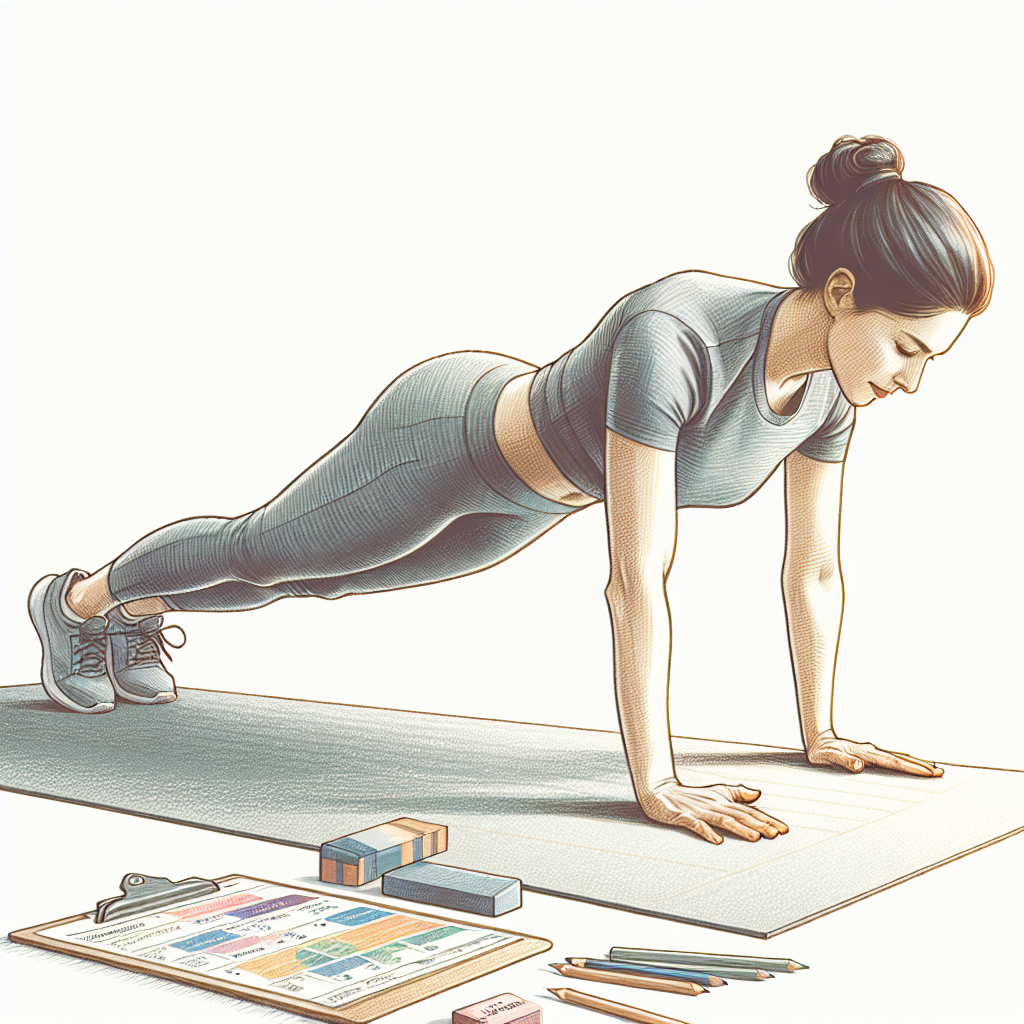
- Plank – 30 seconds
- Burpees – 8 repetitions
Tuesday: Core Focus
- Crunches – 15 repetitions
- Leg Raises – 10 repetitions
- Russian Twists – 15 repetitions (each side)
- Mountain Climbers – 30 seconds
- Side Plank – 20 seconds (each side)
Wednesday: Lower Body
- Lunges – 10 repetitions (each leg)
- Calf Raises – 15 repetitions
- Glute Bridges – 15 repetitions
- Wall Sit – 30 seconds
- Side Lunges – 10 repetitions (each side)
Thursday: Upper Body
- Close-Grip Push-Ups – 10 repetitions
- Tricep Dips (using a chair) – 10 repetitions
- Plank Shoulder Taps – 15 repetitions (each side)
- Inchworms – 5 repetitions
- Superman – 10 repetitions
Friday: Cardio Burst
- High Knees – 30 seconds
- Skaters – 30 seconds
- Butt Kicks – 30 seconds
- Fast Feet – 30 seconds
- Burpees – 8 repetitions
Saturday: Flexibility and Recovery
- Dynamic Stretching – 10 minutes
- Yoga poses such as downward dog, cobra, and child’s pose – hold each for 15-30 seconds
- Breathing exercises for 5 minutes
For those interested in a shorter routine, consider this free 30-day exercise program, which requires only 6 minutes of your day while yielding results comparable to traditional gym workouts.
Methodology: How to Approach Each Workout
To maximize effectiveness, follow these key strategies:
- Warm-Up: Always begin with a 5-minute warm-up to prepare your muscles and joints.
- Focus on Form: Prioritize proper technique over speed to prevent injury.
- Rest Intervals: Allow for brief rests of 30-60 seconds between exercises to maintain intensity.
- Hydration: Ensure you are adequately hydrated before and after workouts.
When to Seek Professional Guidance
While exercising at home can be beneficial, certain circumstances may require professional consultation:
- If you experience pain that persists beyond normal muscle soreness.
- Any pre-existing medical conditions or injuries that could be exacerbated by physical activity.
- If you feel uncertain about exercise form and techniques.
- For personalized workout plans and dietary considerations.
Common Myths and Misconceptions
Understanding common misconceptions can enhance your workout experience:
- Myth 1: No-equipment workouts are less effective. Truth: They can be equally effective as gym workouts, focusing on functional movement.
- Myth 2: You cannot build muscle without weights. Truth: Bodyweight exercises can promote muscle growth if performed correctly.
- Myth 3: Short workouts are not worth it. Truth: Quality trumps quantity; effective short sessions can yield results.
Frequently Asked Questions
Can I lose weight with no-equipment workouts?
Yes, consistent no-equipment workouts combined with a balanced diet can lead to weight loss.
How often should I do these workouts?
A minimum of three times a week is recommended for optimal results. Consider more sessions for a faster pace.
What if I’m a beginner?
Start with fewer repetitions and duration, then progressively increase as your fitness improves.
Do I need to warm up before workouts?
Yes, warming up for at least five minutes before beginning any workout is crucial to prevent injuries.
Can I do these workouts at home?
Absolutely; this routine is specifically designed for home use without any equipment.
Are these workouts safe for older adults?
Many exercises can be modified for older adults, but consulting with a healthcare professional is advisable.
Conclusion
- A no-equipment workout routine can foster consistency in fitness habits.
- It is cost-effective and convenient, ideal for busy lives.
- A structured weekly plan ensures balanced muscle engagement.
- Professional guidance is vital if any pain or injury occurs.
- Dispelling common myths can enhance workout effectiveness and satisfaction.
Take the first step towards a healthier lifestyle today by integrating these workouts into your routine. For those seeking an even shorter commitment, explore this free 30-day exercise program that only requires 6 minutes a day.
Author: John Angel