
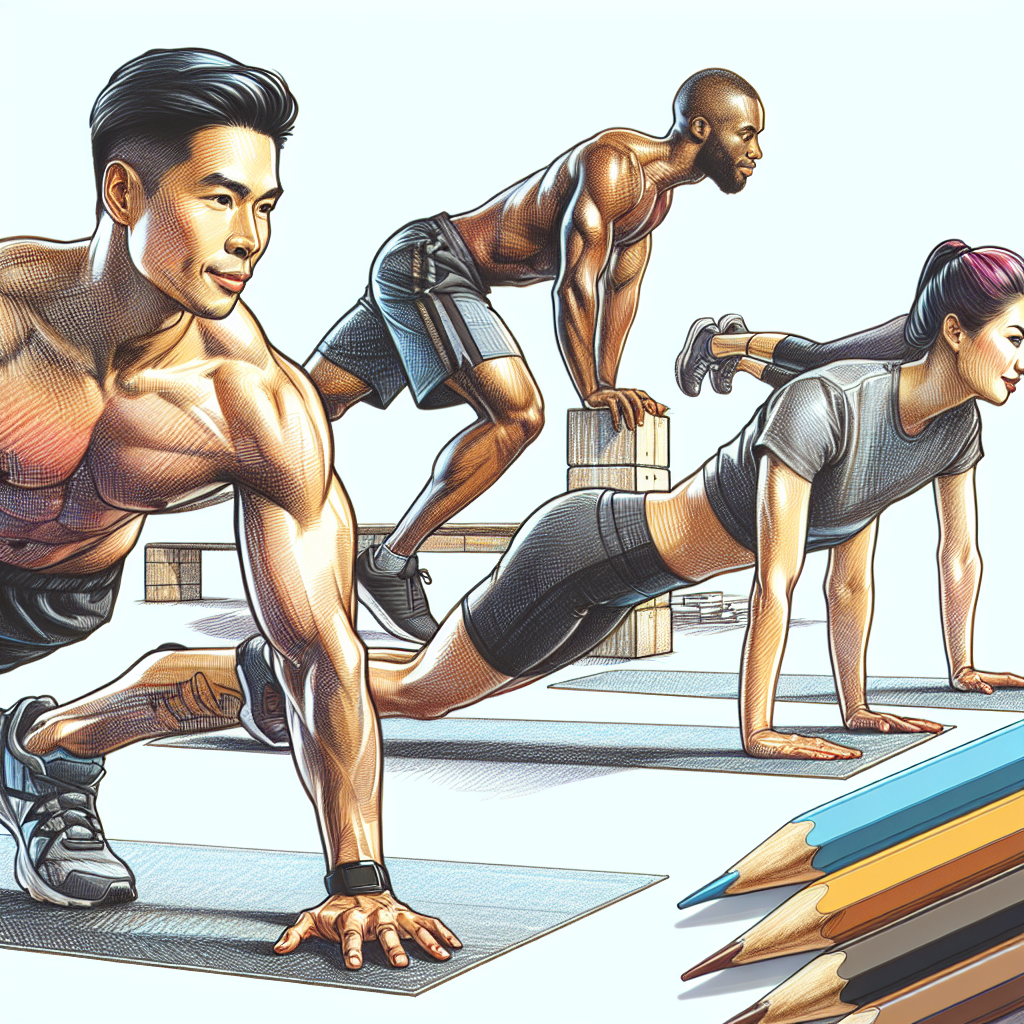
Engaging in strength training is essential for enhancing physical fitness, and one doesn’t always need access to a gym or specialized equipment to reap its benefits. Weight exercises using one’s own body weight can be highly effective in building strength, improving muscle tone, and boosting overall health. This article will discuss various weight exercises that can be performed without any equipment, offering clear guidance on how to incorporate them into your daily routine.
- Introduction
- The Benefits of Bodyweight Exercises
- Essential Bodyweight Exercises
- Structuring Your Workout Routine
- When to Consult a Professional
- Common Myths About Weight Training
- FAQ
- Conclusion
The Benefits of Bodyweight Exercises
Bodyweight exercises utilize the weight of your own body to develop strength. They are not only cost-effective but also accessible and versatile. Some key benefits include:
- Convenience: No need for a gym or special equipment.
- Functional strength: Improves everyday movements.
- Versatility: Can be modified to match any fitness level.
- Increased mobility: Enhances overall body movement.
Essential Bodyweight Exercises
The following exercises can be performed anywhere, making them perfect for home workouts or on the go:
- Push-Ups: Targets the chest, shoulders, and triceps.
- Squats: Strengthens the lower body and core.
- Lunges: Improves balance and coordination while targeting multiple muscle groups.
- Plank: Builds core strength and stability.
- Burpees: A full-body workout that enhances endurance.
- Mountain Climbers: Engages the core and improves cardiovascular fitness.
Detailed Exercise Descriptions
To help you execute these exercises correctly, here’s a more detailed breakdown:
- Push-Ups: Start in a plank position, lower your body until your chest nearly touches the ground, then push back up. Aim for 3 sets of 8-12 repetitions.
- Squats: Stand with feet shoulder-width apart, lower your body as if sitting back into a chair, then return to standing. Aim for 3 sets of 10-15 repetitions.
- Lunges: Step forward with one leg, lowering your hips until both knees are bent at about a 90-degree angle. Alternate legs for 3 sets of 10-12 repetitions.
- Plank: Hold a plank position for 20-60 seconds; ensure your body forms a straight line from head to heels.
- Burpees: Start standing, drop into a squat, kick your feet back into a plank, return to squat, and then jump up. Perform 3 sets of 5-10 burpees.
- Mountain Climbers: Start in a plank position, bring one knee to your chest, then quickly switch legs. Aim for 3 sets of 30 seconds.
Structuring Your Workout Routine
Incorporating bodyweight exercises into a structured routine can enhance the effectiveness of your workouts. Here’s a suggested format:
- Warm-Up: 5 minutes of dynamic stretching.
- Strength Training: Select 3-5 exercises and perform 3 sets of each.
- Cardio: Include intervals or a circuit of exercises like burpees or mountain climbers.
- Cool Down: Stretch and recover for 5-10 minutes.
For an easy way to kickstart your exercise routine, consider registering for a free 30-day program that allows you to exercise for just six minutes each day, achieving results like going to the gym: Join Here.
When to Consult a Professional
Although bodyweight exercises are generally safe, you should consider consulting a qualified fitness professional if:
- You are new to exercising.
- You have existing injuries or medical conditions.
- You experience pain or discomfort during exercise.
- You are unsure about proper form and technique.
Common Myths About Weight Training
There are several misconceptions surrounding bodyweight exercises that may deter individuals from incorporating them into their fitness regimen:
- Myth 1: Bodyweight exercises are ineffective for building strength. Truth: They can be just as effective when done correctly and progressively.
- Myth 2: Only heavier weights lead to muscle growth. Truth: Increasing resistance through body weight can also stimulate muscle growth.
- Myth 3: Bodyweight training lacks variety. Truth: There are numerous exercises and variations to keep workouts engaging.
FAQ
Can I build muscle with bodyweight exercises?
Yes, bodyweight exercises can effectively build muscle when performed with proper intensity and progression.
How often should I do bodyweight exercises?
Ideally, aim for at least 2-3 times a week, allowing for recovery between sessions.
Do I need a warm-up before starting?
Yes, warming up is essential to prepare your body and prevent injuries.
Is it safe for beginners?
Yes, bodyweight exercises are generally safe for beginners; however, starting slowly is advised.
How do I ensure proper form?
Focus on technique over quantity; consider watching instructional videos or consulting a trainer.
Can I combine bodyweight exercises with other training?
Absolutely! They can complement cardiovascular training or weight lifting for a balanced routine.
Conclusion
- Bodyweight exercises are an efficient way to build strength without equipment.
- They offer numerous health benefits, including improved mobility and muscle tone.
- Establishing a structured workout routine can enhance your fitness journey.
- Consult a professional if you have any concerns or pre-existing conditions.
- Debunking common myths can help motivate individuals to explore bodyweight training.
Incorporating weight exercises without equipment into your routine is both practical and beneficial. Start today, and consider exploring a free 30-day program aimed at achieving significant results in just six minutes a day by clicking here: Join Here.
Author: John Angel