
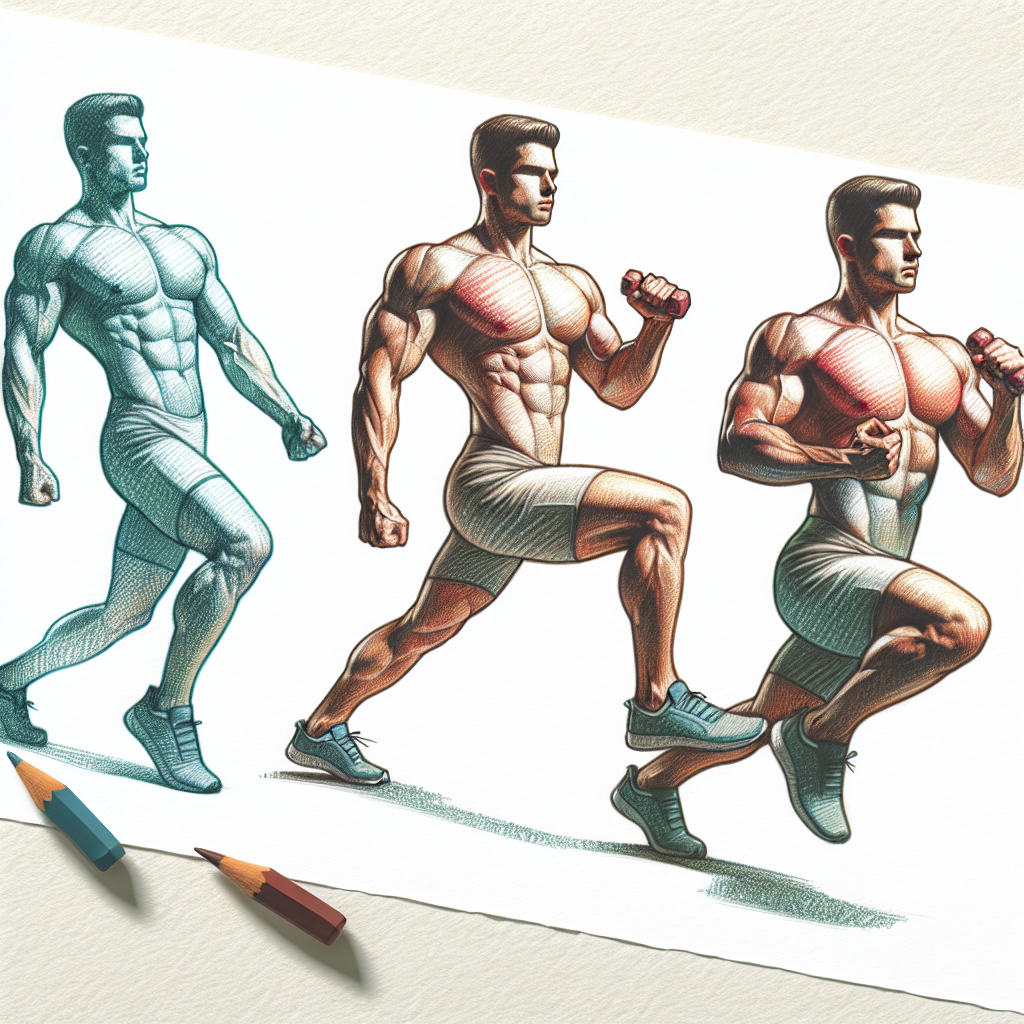
Weight Gain with Workout: Understanding the Dynamics
Embarking on a weight loss journey often comes with the misconception that workouts solely lead to weight loss. However, understanding how muscles develop and how body weight can fluctuate is crucial for anyone looking to transform their physique. In this article, we explore the intricacies of weight gain in the context of exercise, the unique benefits of short workout sessions, and practical advice to navigate your fitness goals effectively.
- Understanding Weight Gain with Workouts
- The Role of Muscle in Weight Management
- Benefits of Six-Minute Short Workouts
- Practical Steps to Incorporate Short Workouts
- When to Seek Professional Guidance
- Common Myths About Weight Gain and Workouts
- Frequently Asked Questions
- Conclusion
Understanding Weight Gain with Workouts
It is important to recognize that weight gain can sometimes occur as a result of increased muscle mass rather than excess fat. When you engage in resistance or strength training, your body adapts by building muscle to meet increased demands. Consequently, it is not uncommon for individuals who exercise regularly to experience an initial weight increase.
The Complex Relationship Between Muscle and Fat
Muscle tissue weighs more than fat due to its denser composition. Therefore, a person may notice an upward trend on the scale while becoming fitter and healthier. This paradox can be particularly disconcerting for individuals focused mainly on weight loss, highlighting the necessity of understanding body composition rather than solely relying on weight as an indicator of health.
The Role of Muscle in Weight Management
Muscle plays a significant role in increasing metabolic rate. More muscle means higher calories burned at rest, which can facilitate weight loss over time. This understanding underscores the potential long-term benefits of incorporating strength training into a workout regimen.
Fat Loss vs. Weight Loss
While weight loss generally refers to a reduction in total body weight, fat loss is a more specific term. Engaging in regular workouts that promote muscle growth can lead to fat loss even if your scale reads higher due to increased muscle mass. Thus, your focus should ideally shift from merely weight loss to overall fitness and body composition.
Benefits of Six-Minute Short Workouts
The magic of six-minute short workouts lies in their simplicity, efficiency, and adaptability. In a world where time is often scarce, these brief yet intense workouts cater to individuals of all fitness levels, making it easier to incorporate physical activity into daily routines.
Time-Efficient and Effective
Six-minute workouts pack a punch by combining high-intensity intervals with minimal rest, allowing for maximum calorie burn and muscle engagement in a limited time frame. This can be especially beneficial for those who are overwhelmed by traditional workout schedules.
Can Be Done Anywhere
Short workouts do not require a gym or extensive equipment. They can be performed at home, during a lunch break, or even while traveling—offering unparalleled convenience to maintain a regular fitness routine.
Reduced Barrier to Entry
For newcomers to exercise, committing to a six-minute workout can feel less daunting than dedicating an hour at the gym. This lower barrier to entry encourages consistency and helps build the habit of regular exercise.
To experience the benefits of these efficient workouts, consider registering for the SixPack workout program, available for 30 days free. This program can help you cultivate a consistent fitness routine and witness the transformative impact of short, effective workouts.
Practical Steps to Incorporate Short Workouts
To seamlessly integrate six-minute workouts into your daily life, consider these practical steps:
- Schedule Your Workouts: Choose a specific time each day to dedicate to your six-minute workouts, treating them as unmissable appointments.
- Vary Your Routine: Incorporate different types of exercises such as bodyweight squats, push-ups, and jumping jacks to keep your workouts engaging.
- Set Realistic Goals: Start with achievable targets, such as completing one workout a day, and gradually increase intensity or frequency.
- Stay Consistent: Consistency is key—aim to commit to your six-minute workouts several times a week.
- Track Your Progress: Keep a record of your workouts and note changes in how you feel physically and mentally.
When to Seek Professional Guidance
If you experience signs of injury, persistent discomfort, or are unsure about how to structure your workouts effectively, consulting a qualified professional can provide clarity. A personal trainer or physical therapist can offer tailored advice and modifications, ensuring you work out safely and efficiently.
Common Myths About Weight Gain and Workouts
Several misconceptions surround the relationship between workouts and weight gain. Addressing these myths can empower individuals in their weight loss journey:
- Myth 1: All weight gain is bad. In reality, muscle gain is beneficial and essential for a healthy physique.
- Myth 2: Cardio is the only way to lose weight. While cardio is effective, strength training can significantly contribute to fat loss and overall fitness.
- Myth 3: Working out means you can eat whatever you want. Nutrition plays a pivotal role in your weight management journey; a balanced diet is essential.
- Myth 4: Weight gain means failure. Increased muscle mass is a positive outcome of dedicated strength training.
Frequently Asked Questions
Can I gain weight while exercising?
Yes, weight gain from muscle accumulation is common when starting a workout routine, especially strength training.
How can I tell if I am gaining muscle or fat?
Monitoring changes in body composition and energy levels is essential; consider using body measurements or taking progress photos for more accurate assessments.
Are six-minute workouts effective for weight loss?
Sufficiently intense six-minute workouts can lead to fat loss due to their metabolic benefits and efficiency.
How often should I do short workouts?
Aim for several short workouts a week to build a consistent routine and enhance results.
Should I focus solely on exercise for weight management?
A balanced approach combining exercise and healthy nutrition is key to sustainable weight management.
What if I feel sore after starting a new workout regimen?
Mild soreness is common when starting a new workout; however, if pain persists or worsens, consult a professional for advice.
Conclusion
- Weight gain during workouts can indicate muscle development.
- Both muscle and fat impact body weight, but focusing on overall health is crucial.
- Six-minute workouts provide a time-efficient, versatile solution for busy lifestyles.
- Consistency and variety are key factors in maximizing the benefits of short workouts.
- Consulting a professional is advised if discomfort or injury occurs.
Take the first step towards efficient fitness today by exploring the SixPack workout program, available for 30 days free. Begin cultivating a routine that prioritizes your health and fosters joy in movement.
Author: John Angel