
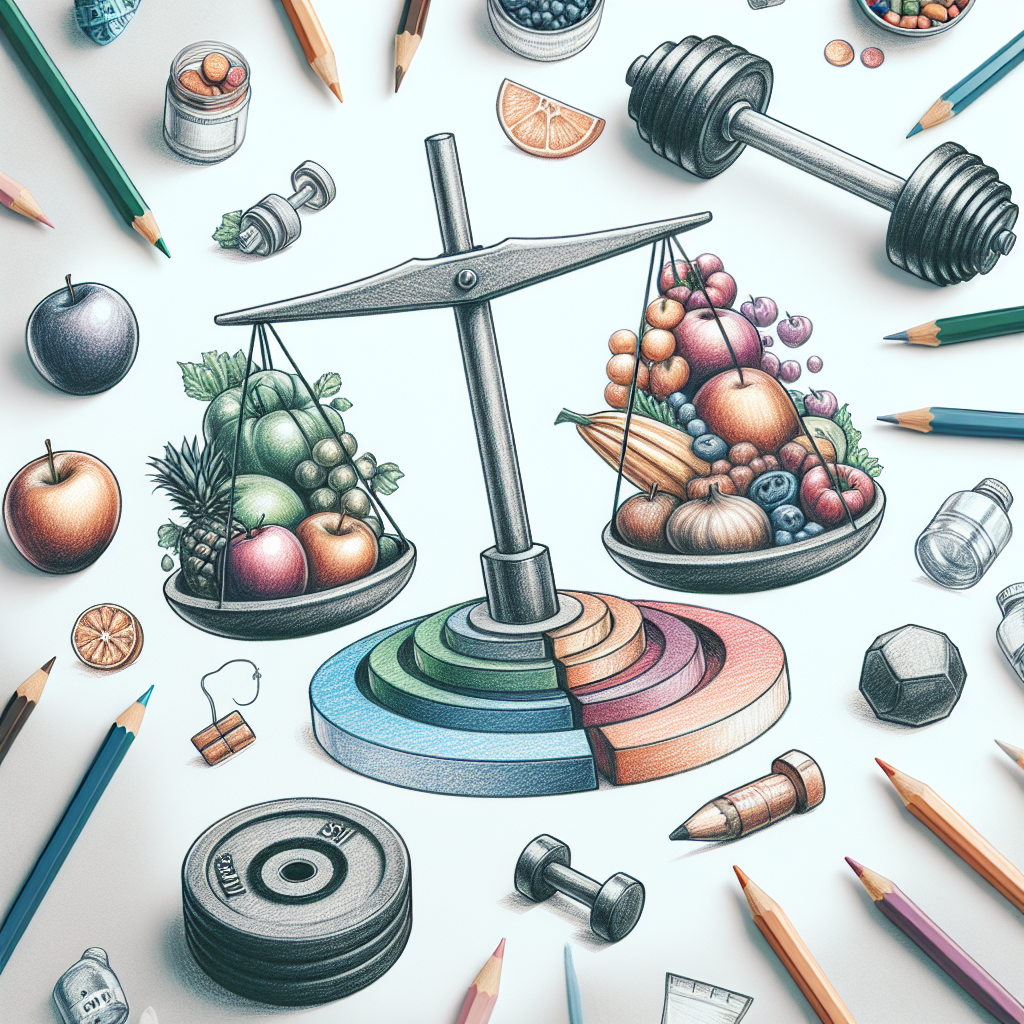
Weight Loss and Muscle Loss: A Delicate Balance
Weight loss is often seen as a measurable goal in many people’s lives, yet it is not always synonymous with a positive health outcome. While shedding pounds can be beneficial, it is crucial to understand how weight loss can coincide with muscle loss, potentially undermining your fitness objectives. This article will explore the intricate relationship between weight loss and muscle loss, its implications, and how to navigate your weight loss journey effectively.
- Understanding Weight Loss vs. Fat Loss
- The Importance of Muscle Retention
- Practical Steps for Healthy Weight Loss
- The Role of Short Workouts
- When to Consult a Professional
- Common Misconceptions About Weight and Muscle Loss
- Frequently Asked Questions
Understanding Weight Loss vs. Fat Loss
Many individuals embarking on a weight loss journey focus primarily on the scale, eager to see a reduction in numbers that signifies their efforts. However, it is vital to distinguish between weight loss and fat loss. Weight loss encompasses loss from water, muscle, and fat, while fat loss specifically targets the reduction of body fat.
When weight loss occurs without adequate attention to nutrition and exercise, the body may use muscle tissue as an energy source, leading to muscle loss. This scenario can compromise your metabolism and overall strength, highlighting the need for a balanced approach.
The Importance of Muscle Retention
Muscle plays a crucial role in our overall health and metabolism. Maintaining muscle mass is vital not only for physical appearance but also for various bodily functions, including:
- Boosting metabolic rate and aiding in fat loss
- Improving functional strength and physical performance
- Enhancing insulin sensitivity, which lowers diabetes risk
Prioritizing muscle retention during your weight loss journey should be a focal point in achieving sustainable results. This can be particularly important for those who wish to transform their body composition without sacrificing muscle mass.
Practical Steps for Healthy Weight Loss
Achieving a successful weight loss journey while retaining muscle requires a comprehensive approach. Here are practical steps to guide you through:
- Prioritize Protein: Ensure adequate protein intake, which is essential for muscle repair and growth. Aim for a source of protein in every meal.
- Incorporate Resistance Training: Engage in strength training exercises at least 2-3 times weekly to promote muscle maintenance while losing weight.
- Monitor Caloric Intake: Gradually create a caloric deficit by consuming fewer calories than you expend while being mindful of nutrient-dense foods.
- Hydration: Drink plenty of water to maintain hydration levels, which supports muscle function and metabolism.
- Consistent Workouts: Commit to regular physical activity. Discover the benefits of dynamic workouts, such as the magic of six-minute short workouts at home, making exercise both efficient and accessible for your daily routine. Register here for the SixPack workout program for 30 days free.
The Role of Short Workouts
In the busy modern world, time constraints often hinder individuals from pursuing their fitness goals. The charm of six-minute short workouts at home lies in their ability to deliver effective results without significant time commitments. These workouts can seamlessly fit into your daily life, whether conducted in your living room or during a break at work.
Benefits of short workouts include:
- Time Efficiency: Quick sessions can be done anytime, sparing you the time of commuting to a gym.
- Flexibility: Adapt to your schedule, making it easier to stay consistent.
- Increased Metabolism: Short bursts of high-intensity exercises can elevate your metabolic rate, promoting fat loss.
By embracing such workouts, you can ensure that your muscles remain engaged while pursuing your weight loss goals.
When to Consult a Professional
While this article provides practical guidance, certain signs suggest the need to seek advice from a qualified professional:
- Experiencing excessive fatigue or weakness
- Rapid weight loss without intentional efforts
- Struggling to maintain a balanced diet despite efforts
- Noticing dramatic changes in appetite or mood
Consulting a healthcare or fitness professional can provide tailored solutions and help overcome obstacles on your weight loss journey.
Common Misconceptions About Weight and Muscle Loss
Several myths persist surrounding weight loss and muscle retention. Let’s address a few common misconceptions:
- Myth 1: All weight loss is beneficial. Truth: Unintentional weight loss, particularly from muscle, can lead to detrimental health issues.
- Myth 2: You can target fat loss in specific areas. Truth: Spot reduction is a myth; when losing fat, the body loses it from various areas.
- Myth 3: Carbohydrates are the enemy. Truth: Balanced carbohydrates are essential for energy and workout performance.
- Myth 4: Lifting weights makes you bulky. Truth: Strength training, when done properly, maintains muscle tone without bulk.
Frequently Asked Questions
What is the difference between weight loss and fat loss?
Weight loss refers to a decrease in overall body mass, including fat, muscle, and water. Fat loss specifically targets the reduction of body fat percentage.
How can I prevent muscle loss while losing weight?
To prevent muscle loss, ensure a high protein intake, engage in regular resistance training, and maintain a gradual caloric deficit.
Are short workouts effective for weight loss?
Yes, short workouts can be very effective, especially high-intensity interval training (HIIT), which keeps metabolism elevated post-workout.
How much protein should I consume per day?
A general recommendation is to consume 0.8–1 gram of protein per kilogram of body weight, but this can vary depending on individual fitness goals.
Can weight loss affect my mental health?
Yes, significant changes in weight can impact mood and emotional health. It’s essential to prioritize mental well-being and seek support if needed.
When should I consult a healthcare professional?
You should consult a healthcare professional if you experience unusual fatigue, drastic weight changes, or difficulties in maintaining a healthy diet.
Conclusion
- Understand the difference between weight loss and muscle loss and make informed decisions.
- Prioritize muscle retention with adequate nutrition and strength training.
- Explore the efficiency of short workouts for integrating exercise into a busy lifestyle.
- Be aware of signs necessitating professional consultation for a balanced approach.
- Separate fact from myth to navigate your weight loss journey more effectively.
As you embark on your weight loss journey, remember that a sustainable approach prioritizing both health and fitness is key. Discover the balance of effective workouts with 30 days of the SixPack workout program for free, and unlock a healthier you today!
Author: John Angel