Categories
Fitness

Beginner Workouts: Effective No-Equipment Exercises

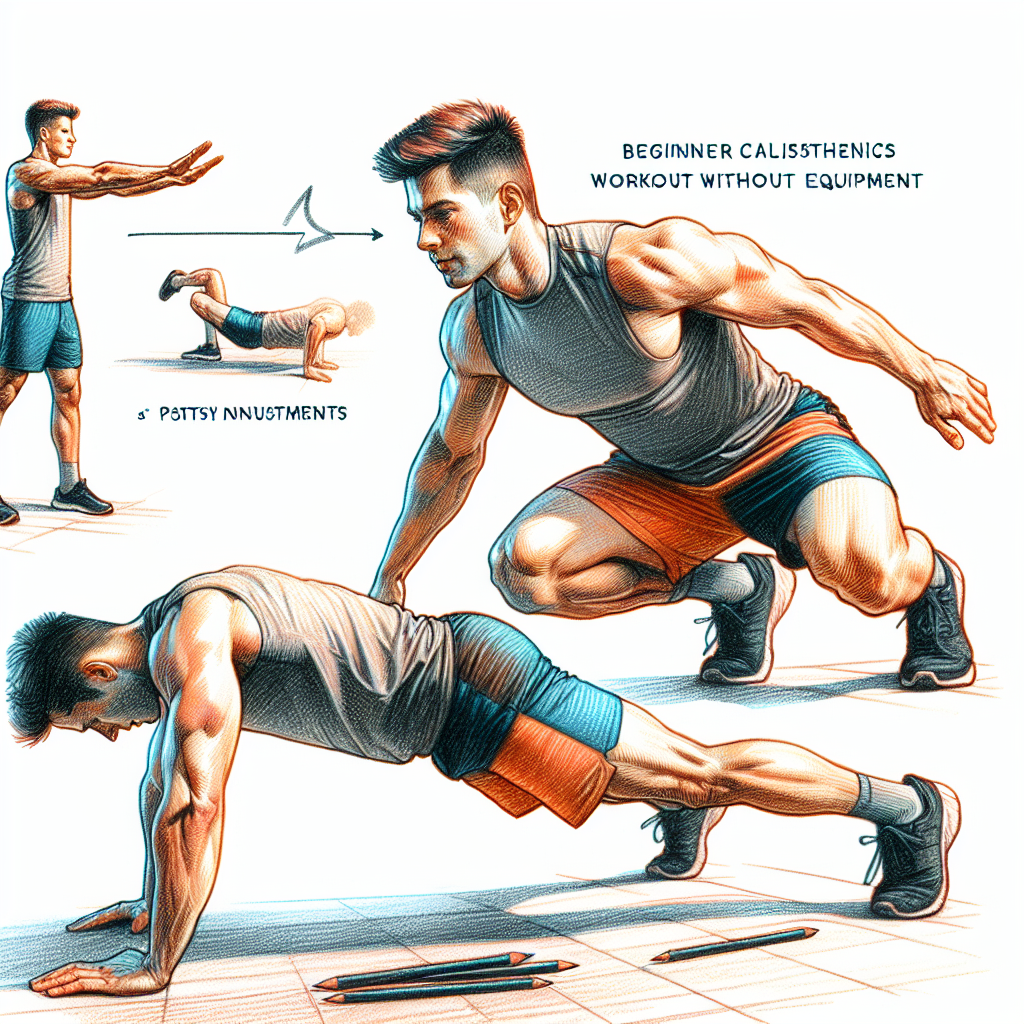
Workout for Beginners: No Equipment Required

Embarking on a fitness journey as a beginner can be both daunting and exciting. One of the most significant barriers to starting a workout routine is access to equipment, but worry not; effective workouts can be achieved without any tools. In this article, we will explore simple yet powerful exercises that require no equipment at all. These exercises can be done anywhere, making them accessible for anyone looking to improve their fitness level.

  • Introduction
  • Benefits of No-Equipment Workouts
  • Essential Exercises for Beginners
  • Creating a Simple Workout Routine
  • Common Mistakes to Avoid
  • When to Consult a Professional
  • Frequently Asked Questions
  • Conclusion

Benefits of No-Equipment Workouts

The beauty of no-equipment workouts lies in their accessibility and versatility. Here are a few key benefits:

  • Convenience: You can perform these workouts anytime and anywhere, whether at home, in a park, or even while traveling.
  • Cost-effective: Without the need for gym memberships or expensive equipment, these workouts are friendly to your budget.
  • Simplicity: No-excuse routines allow you to focus on building foundational strength and endurance without the complexities of gym machinery.
  • Customizability: These workouts can be easily modified to cater to various fitness levels and goals.

Essential Exercises for Beginners

Here are some core exercises that can be adapted based on your fitness level:

1. Bodyweight Squats

Squats engage multiple muscle groups, primarily targeting the quads, hamstrings, and glutes.

2. Push-Ups

This classic move strengthens the chest, shoulders, and triceps. Beginners can modify by doing push-ups on their knees.

3. Lunges

Lunges work the legs and core while improving balance. They can be performed forward or backward.

4. Planks

Planks are excellent for core stability and can be done in various adaptations (e.g., forearm plank, side plank).

5. Mountain Climbers

This exercise is great for cardiovascular fitness, engaging your entire body while promoting agility.

Creating a Simple Workout Routine

To create an effective workout routine, consider the following steps:

  1. Warm-Up: Begin with 5 minutes of dynamic stretches or light cardio.
  2. Choose Your Exercises: Combine 4-5 exercises from those mentioned above.
  3. Set a Duration: Aim for 20-30 minutes, gradually increasing the duration as your fitness improves.
  4. Rest Between Sets: Allow 30-60 seconds of rest between exercises to recover.
  5. Cool Down: Finish with 5 minutes of stretching to improve flexibility and prevent injury.

For those who wish to enhance their fitness with minimal time commitment, consider registering for a free 30-day exercise program that requires just 6 minutes of daily activity and yields remarkable results akin to gym workouts: 30-Day Exercise Program.

Common Mistakes to Avoid

When starting a new workout routine, beginners often fall into specific traps. Here are common mistakes to watch out for:

  • Skipping Warm-Ups: This increases the risk of injury and decreases performance. Always allocate time for proper warm-ups.
  • Neglecting Form: Proper form is crucial. Poor mechanics can lead to injury and hinder results. Focus on technique over quantity.
  • Overtraining: More isn’t always better. Take rest days seriously to allow your body to recover.
  • Inconsistent Routine: Regular exercise is vital for progress. Establish a schedule to maintain consistency.

When to Consult a Professional

While most beginners can benefit from starting a home workout routine, certain conditions may warrant consulting a fitness professional:

  • **Pre-existing Injuries:** If you have a history of injury or chronic pain.
  • **Medical Conditions:** Consult a doctor if you suffer from conditions such as heart disease or diabetes.
  • **Uncertainty in Technique:** If you are unsure about proper exercise techniques that could lead to injury.
  • **Plateaus in Progress:** If you find your progress has stalled despite consistent effort.

Frequently Asked Questions

1. Can I build muscle without equipment?

Yes, bodyweight exercises can help build muscle, but for advanced strength gains, additional resistance may be needed over time.

2. How often should I work out as a beginner?

Start with 2-3 days per week, gradually increasing as your body adapts and your fitness improves.

3. How long should each workout session be?

For beginners, sessions lasting 20-30 minutes can be effective, focusing on quality over duration.

4. What should I do if I don’t see results?

Ensure your routine is consistent, check your form, and consider varying your workout to challenge different muscle groups.

5. Is it safe to work out every day?

While mild daily exercise is typically safe, it’s important to include rest days to facilitate recovery and avoid overtraining.

6. Should I follow a specific diet with my workout program?

A balanced diet rich in protein, healthy fats, and carbohydrates will support your fitness goals, but consult a nutritionist for personalized guidance.

Conclusion

  • No-equipment workouts are accessible and effective for beginners.
  • Focus on foundational exercises such as squats, push-ups, and lunges.
  • Create a structured yet flexible workout routine that includes warm-ups and cool-downs.
  • Avoid common mistakes by staying mindful of your form and consistency.
  • Consult a professional when necessary to optimize your fitness journey.

As you embark on your fitness journey, remember to listen to your body and seek guidance when needed. Start small and gradually build momentum; with time and dedication, you will witness transformation. For more structured support, consider registering for a free 30-day exercise program that asks for just 6 minutes of your day.

Author: John Angel

Related articles

Categories
Fitness

Effective No Equipment Muscle Workout Guide for All Levels

No Equipment Muscle Workout

Embarking on a fitness journey doesn’t necessitate frequent trips to the gym or costly membership fees. With a no equipment muscle workout, individuals can engage in effective strength training right from the comfort of their home or any other space. This approach not only enhances muscle tone and strength but also promotes flexibility and overall physical well-being. The key benefit of this regimen is that it maximizes efficiency, allowing individuals to achieve significant results through brief, targeted workouts.

  • Understanding No Equipment Workouts
  • Benefits of Bodyweight Training
  • Essential Exercises in Detail
  • Creating an Effective Workout Routine
  • Common Misconceptions
  • When to Consult a Professional
  • Frequently Asked Questions
  • Conclusion and Next Steps

Understanding No Equipment Workouts

No equipment workouts leverage the body’s weight as resistance to enhance strength and muscle definition. These exercises can target various muscle groups, including the core, legs, back, and arms, making it an all-encompassing fitness solution. Functional movement patterns, such as pushing, pulling, and squatting, are integral components, ensuring a comprehensive workout. Engaging in this form of training is not only convenient but also adaptable to all fitness levels, from beginners to advanced practitioners.

Benefits of Bodyweight Training

Choosing bodyweight exercises provides numerous advantages, which include:

  • Accessibility: Can be performed anywhere, at any time, eliminating the need for travel or special facilities.
  • Cost-Effective: No need to invest in gym memberships or equipment purchases.
  • Flexibility: Adaptable to fit into any schedule, accommodating personal availability.
  • Improved Functional Strength: Enhances everyday physical tasks, promoting better balance and coordination.
  • Injury Prevention: Encourages proper body mechanics, thereby reducing the risk of injury associated with external weights.

Essential Exercises in Detail

To develop a balanced no equipment routine, consider the following fundamental exercises:

  • Push-Ups: Targets the chest, shoulders, and triceps. Variations include incline, decline, and diamond push-ups to engage different muscle groups.
  • Squats: Strengthens the quadriceps, hamstrings, and glutes. Proper form and modifications can accommodate all abilities.
  • Lunges: Focuses on each leg individually, enhancing balance and strength. Forward, backward, and side lunges provide comprehensive lower body engagement.
  • Planks: Excellent for core stability. Variations like side planks and forearm planks can intensify the workout.
  • Burpees: A full-body exercise ideal for building endurance and explosive strength.
  • Mountain Climbers: A dynamic move that combines cardio with strength, targeting the core and legs.

Creating an Effective Workout Routine

Designing a successful no equipment workout plan involves focusing on structure and consistency. Follow these steps to create your routine:

  1. Determine your fitness goals (e.g., building muscle, increasing endurance).
  2. Select 5-7 exercises targeting all major muscle groups.
  3. Choose a training frequency (aim for at least 3-5 sessions per week).
  4. Start with two sets of 8-12 repetitions for strength exercises and maintain a consistent duration for cardio-based moves.
  5. Incorporate rest days to allow for muscle recovery.
  6. Assess progress and adjust the routine for continued improvement.

For an easy introduction, consider this free registration for a 30-day exercise program that requires only six minutes of daily effort with impressive results.

Common Misconceptions About Bodyweight Training

Despite its growing popularity, several myths persist regarding bodyweight training:

  • Myth 1: Bodyweight training is not effective for building muscle.
  • Fact: With proper progression and increased intensity, bodyweight exercises can significantly enhance muscle strength.
  • Myth 2: It is suitable only for beginners.
  • Fact: Advanced athletes can also benefit by incorporating challenging variations and progressions.
  • Myth 3: Results take longer to achieve compared to traditional weight training.
  • Fact: The efficiency of short, intense bodyweight workouts can equal that of longer gym sessions.

When to Consult a Professional

While many find success with no equipment workouts, there are specific situations warranting professional guidance:

  • If you experience persistent pain or discomfort during exercises.
  • To address imbalances, injuries, or underlying health conditions.
  • For personalized programs that accommodate individual fitness levels and goals.
  • When looking for advanced training techniques or variations to avoid plateaus.

Frequently Asked Questions

What is a no equipment workout?

A no equipment workout utilizes the body’s weight as resistance, allowing for effective strength training without gym equipment.

Can I build muscle with bodyweight exercises?

Yes, bodyweight exercises can effectively build muscle by increasing intensity and incorporating progressive variations.

How often should I do no equipment workouts?

Aim for at least 3-5 sessions per week to see optimal results while allowing for recovery time.

Are no equipment workouts suitable for all fitness levels?

Yes, bodyweight exercises can be modified to accommodate beginners through advanced athletes.

Can bodyweight training help with weight loss?

Incorporated into a well-rounded fitness and nutrition plan, bodyweight training can support weight loss efforts.

Is professional guidance necessary for beginners?

While many beginners can start independently, consulting a qualified professional can provide tailored guidance and prevent injury.

Conclusion and Next Steps

  • No equipment workouts provide a convenient, effective way to enhance fitness.
  • Emphasize bodyweight exercises for muscle strength and flexibility.
  • Create a structured routine to maximize results.
  • Stay informed about commonly held misconceptions to enhance understanding.
  • Consult a professional when necessary for guidance and safety.

Now is the time to take charge of your fitness journey. Consider signing up for a 30-day exercise program that offers efficient workouts without equipment, requiring only six minutes per day. Your path to improved strength and fitness begins today.

Author: John Angel

Related articles

Categories
Fitness

Beginner Calisthenics Workout Plan Without Equipment

Calisthenics is an effective workout regimen that utilizes body weight for resistance training, making it an excellent choice for beginners who may not have access to traditional gym equipment. This guide presents a beginner workout plan that focuses on calisthenics techniques, designed to build strength, improve flexibility, and enhance overall fitness without the need for equipment. By incorporating a few basic exercises, anyone can get started on their fitness journey.

  • What is Calisthenics?
  • Essential Calisthenics Exercises
  • A Sample Beginner Workout Plan
  • Tips for Effective Training
  • When to Consult a Professional
  • Myths and Misunderstandings About Calisthenics
  • FAQs
  • Conclusion

What is Calisthenics?

Calisthenics is a form of exercise that relies on using your body weight as resistance. It involves various movements that enhance strength without the need for weights or machines. Common examples of calisthenics include push-ups, squats, lunges, and planks. This approach emphasizes natural movement patterns and can be adjusted for different fitness levels, making it accessible for beginners.

Essential Calisthenics Exercises

To help you establish an effective workout regimen, here are some fundamental exercises to incorporate:

  • Push-Ups: A classic exercise that targets the chest, shoulders, and triceps.
  • Squats: Excellent for building leg and glute strength.
  • Lunges: A dynamic movement that improves balance and coordination.
  • Planks: Strengthens core muscles and improves stability.
  • Burpees: A full-body exercise that combines strength and cardio.

A Sample Beginner Workout Plan

The following workout plan requires no equipment and is suitable for beginners. Aim to perform these exercises three to four times a week.

  1. Warm-up: 5 minutes of light jogging or jumping jacks.
  2. Push-Ups: 3 sets of 5-10 repetitions.
  3. Bodyweight Squats: 3 sets of 10-15 repetitions.
  4. Lunges: 3 sets of 10 repetitions per leg.
  5. Plank: Hold for 20-30 seconds, repeat 3 times.
  6. Burpees: 3 sets of 5-10 repetitions.
  7. Cool Down: 5 minutes of stretching major muscle groups.

If you are seeking a structured approach to exercise, consider registering for a 30-day exercise program with just 6 minutes of daily workouts that yields results comparable to traditional gym efforts.

Tips for Effective Training

To maximize the benefits of calisthenics, consider the following training tips:

  • Maintain Proper Form: Focus on executing each movement correctly to prevent injury.
  • Progress Gradually: Increase repetitions or sets as your strength improves.
  • Stay Consistent: Regular training is vital to achieve noticeable results.
  • Listen to Your Body: Rest when needed and avoid pushing through pain.
  • Mix It Up: Incorporate a variety of exercises to target different muscle groups.

When to Consult a Professional

While calisthenics is generally safe for beginners, there are instances where professional guidance may be warranted:

  • If you experience persistent or severe pain during exercise.
  • When unsure about proper form for specific movements.
  • If you have pre-existing health conditions that could affect your ability to exercise.
  • When needing personalized workout plans or nutrition advice.

Myths and Misunderstandings About Calisthenics

Understanding common misconceptions can help you stay motivated and informed:

  • Calisthenics is Not Challenging: Many advanced calisthenics movements can be extremely demanding.
  • You Cannot Build Muscle without Weights: Bodyweight exercises can effectively build muscle if performed correctly.
  • Calisthenics is Only for Young People: Individuals of all ages can reap benefits from calisthenics.
  • It is a Time-Consuming Approach: Effective workouts can be completed in a short duration.

FAQs

Can calisthenics help me lose weight?

Yes, calisthenics can aid in weight loss when combined with a balanced diet and consistent exercise routine.

Do I need to warm up before starting calisthenics?

Yes, warming up helps prevent injuries and prepares your muscles for exercise.

How often should I practice calisthenics?

For beginners, engaging in calisthenics three to four times a week is advisable.

Can I do calisthenics at home?

Absolutely, calisthenics is convenient and can be performed anywhere, making it ideal for home workouts.

Are there any risks to practicing calisthenics?

As with any exercise, there is a risk of injury if movements are performed incorrectly. Listening to your body is crucial.

Is calisthenics suitable for everyone?

Calisthenics is generally suitable for most individuals, but consulting with a healthcare provider is recommended for those with specific health concerns.

Conclusion

  • Calisthenics is an effective, equipment-free workout suitable for beginners.
  • A structured plan can help you build strength and improve fitness.
  • Focus on proper form and progress gradually to avoid injuries.
  • Consult professionals when unsure about exercise techniques or health concerns.
  • Combat myths to stay motivated in your fitness journey.

Calisthenics offers a flexible and rewarding pathway to fitness without requiring extensive equipment or gym memberships. Start your journey today! Consider signing up for a 30-day exercise program that only requires 6 minutes a day but can lead to significant results.

Author: John Angel

Related articles

Categories
Fitness

Effective No-Equipment Workouts for Beginners at Home

Embarking on a fitness journey does not necessarily require access to a gym or expensive equipment. A no-equipment beginner workout can be an effective way to build strength, improve cardiovascular health, and enhance overall well-being in the comfort of your home. This method is adaptable for any fitness level and can yield impressive results in a short period. This article outlines a structured approach to performing no-equipment workouts, enabling anyone to start their fitness journey with confidence.

  • Understanding the Benefits of No-Equipment Workouts
  • Essential Principles of Effective Exercise
  • Recommended No-Equipment Exercises
  • Constructing a 6-Minute Workout Routine
  • When to Consult a Professional
  • Common Myths and Mistakes
  • Frequently Asked Questions
  • Conclusion and Call to Action

Understanding the Benefits of No-Equipment Workouts

No-equipment workouts provide a versatile means to enhance physical fitness without the barrier of gym memberships or purchasing equipment. They foster accountability, flexibility, and consistency, promoting better adherence to fitness routines. These workouts engage multiple muscle groups and can be performed virtually anywhere, simplifying the process of integrating exercise into a busy lifestyle.

Essential Principles of Effective Exercise

Consistency is Key

Consistent exercise, even in short bursts, can drive significant benefits. This principle applies particularly well to beginners, as frequent workouts help to establish healthy habits.

Focus on Form

Correct form during exercises is crucial. It reduces the risk of injury and ensures that you are targeting the intended muscle groups effectively.

Progression Matters

Gradually increasing the intensity or complexity of exercises over time will aid in continuous improvement, keeping workouts challenging and engaging.

Recommended No-Equipment Exercises

Below is a selection of effective no-equipment exercises that beginners can easily incorporate into their routines:

  • Bodyweight Squats: Targets the legs and glutes.
  • Push-Ups: Strengthens the upper body and core.
  • Planks: Engages the core and promotes stability.
  • Jumping Jacks: Great for cardiovascular fitness.
  • Lunges: Strengthens legs and enhances balance.
  • Burpees: A full-body workout that builds endurance.

Constructing a 6-Minute Workout Routine

Here is a simple yet effective 6-minute workout routine that incorporates the exercises listed above:

  1. Warm-Up (1 minute): Perform light stretches or marching in place.
  2. Bodyweight Squats (1 minute): Complete as many squats as possible while maintaining proper form.
  3. Push-Ups (1 minute): Aim for a steady pace, taking breaks as needed.
  4. Planks (1 minute): Hold a plank position for as long as possible, resting briefly if necessary.
  5. Jumping Jacks (1 minute): Increase heart rate with consistent jumping jacks.
  6. Lunges or Burpees (1 minute): Alternate between these two exercises for a challenging finish.

This workout can be adjusted according to personal fitness levels, making it accessible and sustainable.

To explore a structured 30-day exercise program where you only exercise for 6 minutes every day but achieve gym-like results, consider registering for this free program: 30-Day Exercise Program.

When to Consult a Professional

While beginners can often successfully perform no-equipment workouts, certain situations warrant professional guidance:

  • If you experience persistent pain during exercise.
  • Upon noticing significant limitations in mobility or strength.
  • In the presence of underlying health conditions that could affect your ability to exercise.
  • If you require assistance in designing a personalized workout plan tailored to specific goals.

Common Myths and Mistakes

Myth: No Pain, No Gain

This famous adage can lead many to believe that pain is necessary for progress. While some discomfort is normal when adapting to exercise, persistent pain or injury is a sign that you should modify your approach.

Myth: You Need Equipment to Get Fit

Many individuals believe that access to weights or machines is essential for effective workouts. However, bodyweight exercises can yield substantial results when performed correctly and consistently.

Mistake: Overtraining

Beginners often feel they must work out intensely every day. However, allowing time for recovery is essential for muscle growth and overall health.

Mistake: Ignoring Warm-ups and Cool-downs

Neglecting warm-up and cool-down routines can lead to injuries. Engaging in these practices primes your body for exercise and aids in recovery.

Myth: Group Classes Are the Only Way to Stay Motivated

While group classes can be beneficial, many people find success exercising alone. Finding what works best for you is key to sustaining motivation.

Frequently Asked Questions

What is a no-equipment workout?

A no-equipment workout involves exercises that utilize your body weight to build strength and endurance without the need for gym apparatus.

Can beginners really see results with no-equipment workouts?

Yes, beginners can achieve significant results with consistent no-equipment workouts, as these exercises can effectively target muscle groups and improve fitness levels.

How often should I do no-equipment workouts?

It is advisable for beginners to aim for at least 3-4 sessions per week, gradually increasing frequency as fitness levels improve.

Is it okay to combine no-equipment workouts with other forms of exercise?

Absolutely! Combining different forms of exercise, such as cardio or yoga, can enhance overall fitness and keep your routine diverse.

Do I need to stretch before starting a no-equipment workout?

Yes, performing a brief warm-up can help prepare your muscles and reduce the risk of injury during your workout.

What if I struggle with certain exercises?

Modification is key. If you find certain exercises challenging, seek alternatives that achieve similar goals while accommodating your current fitness level.

Conclusion and Call to Action

  • No-equipment workouts are accessible and effective for beginners.
  • Consistent practice leads to noticeable improvements in fitness.
  • Focusing on proper form can enhance workout effectiveness and prevent injuries.
  • Consult a professional when uncertain about exercise techniques or if experiencing pain.
  • Explore structured programs to maximize results, like the 30-day exercise program mentioned earlier.

Begin your fitness journey today by incorporating no-equipment workouts into your routine. Remember that progress takes time, and every step counts. For a guided and structured approach, consider signing up for a free 30-day exercise program here: Register Now.

Author: John Angel

Related articles

Categories
Fitness

Navigating Weight Loss Without Muscle Loss

Weight Loss and Muscle Loss: A Delicate Balance

Weight loss is often seen as a measurable goal in many people’s lives, yet it is not always synonymous with a positive health outcome. While shedding pounds can be beneficial, it is crucial to understand how weight loss can coincide with muscle loss, potentially undermining your fitness objectives. This article will explore the intricate relationship between weight loss and muscle loss, its implications, and how to navigate your weight loss journey effectively.

  • Understanding Weight Loss vs. Fat Loss
  • The Importance of Muscle Retention
  • Practical Steps for Healthy Weight Loss
  • The Role of Short Workouts
  • When to Consult a Professional
  • Common Misconceptions About Weight and Muscle Loss
  • Frequently Asked Questions

Understanding Weight Loss vs. Fat Loss

Many individuals embarking on a weight loss journey focus primarily on the scale, eager to see a reduction in numbers that signifies their efforts. However, it is vital to distinguish between weight loss and fat loss. Weight loss encompasses loss from water, muscle, and fat, while fat loss specifically targets the reduction of body fat.

When weight loss occurs without adequate attention to nutrition and exercise, the body may use muscle tissue as an energy source, leading to muscle loss. This scenario can compromise your metabolism and overall strength, highlighting the need for a balanced approach.

The Importance of Muscle Retention

Muscle plays a crucial role in our overall health and metabolism. Maintaining muscle mass is vital not only for physical appearance but also for various bodily functions, including:

  • Boosting metabolic rate and aiding in fat loss
  • Improving functional strength and physical performance
  • Enhancing insulin sensitivity, which lowers diabetes risk

Prioritizing muscle retention during your weight loss journey should be a focal point in achieving sustainable results. This can be particularly important for those who wish to transform their body composition without sacrificing muscle mass.

Practical Steps for Healthy Weight Loss

Achieving a successful weight loss journey while retaining muscle requires a comprehensive approach. Here are practical steps to guide you through:

  1. Prioritize Protein: Ensure adequate protein intake, which is essential for muscle repair and growth. Aim for a source of protein in every meal.
  2. Incorporate Resistance Training: Engage in strength training exercises at least 2-3 times weekly to promote muscle maintenance while losing weight.
  3. Monitor Caloric Intake: Gradually create a caloric deficit by consuming fewer calories than you expend while being mindful of nutrient-dense foods.
  4. Hydration: Drink plenty of water to maintain hydration levels, which supports muscle function and metabolism.
  5. Consistent Workouts: Commit to regular physical activity. Discover the benefits of dynamic workouts, such as the magic of six-minute short workouts at home, making exercise both efficient and accessible for your daily routine. Register here for the SixPack workout program for 30 days free.

The Role of Short Workouts

In the busy modern world, time constraints often hinder individuals from pursuing their fitness goals. The charm of six-minute short workouts at home lies in their ability to deliver effective results without significant time commitments. These workouts can seamlessly fit into your daily life, whether conducted in your living room or during a break at work.

Benefits of short workouts include:

  • Time Efficiency: Quick sessions can be done anytime, sparing you the time of commuting to a gym.
  • Flexibility: Adapt to your schedule, making it easier to stay consistent.
  • Increased Metabolism: Short bursts of high-intensity exercises can elevate your metabolic rate, promoting fat loss.

By embracing such workouts, you can ensure that your muscles remain engaged while pursuing your weight loss goals.

When to Consult a Professional

While this article provides practical guidance, certain signs suggest the need to seek advice from a qualified professional:

  • Experiencing excessive fatigue or weakness
  • Rapid weight loss without intentional efforts
  • Struggling to maintain a balanced diet despite efforts
  • Noticing dramatic changes in appetite or mood

Consulting a healthcare or fitness professional can provide tailored solutions and help overcome obstacles on your weight loss journey.

Common Misconceptions About Weight and Muscle Loss

Several myths persist surrounding weight loss and muscle retention. Let’s address a few common misconceptions:

  • Myth 1: All weight loss is beneficial. Truth: Unintentional weight loss, particularly from muscle, can lead to detrimental health issues.
  • Myth 2: You can target fat loss in specific areas. Truth: Spot reduction is a myth; when losing fat, the body loses it from various areas.
  • Myth 3: Carbohydrates are the enemy. Truth: Balanced carbohydrates are essential for energy and workout performance.
  • Myth 4: Lifting weights makes you bulky. Truth: Strength training, when done properly, maintains muscle tone without bulk.

Frequently Asked Questions

What is the difference between weight loss and fat loss?

Weight loss refers to a decrease in overall body mass, including fat, muscle, and water. Fat loss specifically targets the reduction of body fat percentage.

How can I prevent muscle loss while losing weight?

To prevent muscle loss, ensure a high protein intake, engage in regular resistance training, and maintain a gradual caloric deficit.

Are short workouts effective for weight loss?

Yes, short workouts can be very effective, especially high-intensity interval training (HIIT), which keeps metabolism elevated post-workout.

How much protein should I consume per day?

A general recommendation is to consume 0.8–1 gram of protein per kilogram of body weight, but this can vary depending on individual fitness goals.

Can weight loss affect my mental health?

Yes, significant changes in weight can impact mood and emotional health. It’s essential to prioritize mental well-being and seek support if needed.

When should I consult a healthcare professional?

You should consult a healthcare professional if you experience unusual fatigue, drastic weight changes, or difficulties in maintaining a healthy diet.

Conclusion

  • Understand the difference between weight loss and muscle loss and make informed decisions.
  • Prioritize muscle retention with adequate nutrition and strength training.
  • Explore the efficiency of short workouts for integrating exercise into a busy lifestyle.
  • Be aware of signs necessitating professional consultation for a balanced approach.
  • Separate fact from myth to navigate your weight loss journey more effectively.

As you embark on your weight loss journey, remember that a sustainable approach prioritizing both health and fitness is key. Discover the balance of effective workouts with 30 days of the SixPack workout program for free, and unlock a healthier you today!

Author: John Angel

Related articles

Categories
Fitness

30-Day Bodyweight Workout Plan for Beginners

30 Day Bodyweight Workout for Beginners

Embarking on a weight loss journey can often feel overwhelming, especially for beginners. However, integrating a structured bodyweight workout into your daily routine can be an impactful and accessible solution. This 30-day bodyweight workout plan is designed specifically for those just starting, allowing individuals to build strength, improve endurance, and foster healthy habits—all from the comfort of their own homes. The beauty lies in the flexibility of six-minute workouts, which can seamlessly fit into even the busiest of schedules.

  • Introduction
  • Benefits of Bodyweight Workouts
  • Overview of the 30-Day Plan
  • Practical Steps to Start
  • Seeking Professional Guidance
  • Common Myths and Mistakes
  • Frequently Asked Questions
  • Conclusion

Benefits of Bodyweight Workouts

Bodyweight exercises offer numerous advantages, particularly for beginners:

  • Accessibility: No equipment is required, making them perfect for home workouts.
  • Improved Strength: These workouts enhance strength by using your own body weight to engage different muscle groups.
  • Cardiovascular Health: Many bodyweight exercises are high-intensity, helping improve cardiovascular health.
  • Flexibility and Balance: Basic movements promote flexibility, helping improve overall body coordination.
  • Mental Wellness: Regular exercise is linked to reduced anxiety and improved mood, especially important during challenging times.

Overview of the 30-Day Plan

The 30-day plan comprises short six-minute workouts, designed for individuals with varying fitness levels. Each week will introduce new exercises, ensuring that your body continues to adapt and progress. Here’s a brief overview:

  • Week 1: Introduction to basic movements like squats, lunges, and push-ups.
  • Week 2: Increased intensity with variations and combinations of basic exercises.
  • Week 3: Introduction of core-focused exercises such as planks and mountain climbers.
  • Week 4: A blend of all previous exercises, enhancing resistance and endurance while incorporating intervals.

To start this transformative journey, consider registering for the SixPack workout program for 30 days for free and unlock a structured approach tailored to your fitness level.

Practical Steps to Start

For anyone new to exercising, the following steps can set the foundation for success:

  1. Establish a Routine: Set aside dedicated time each day to ensure workouts become a habit.
  2. Warm-Up: Always begin with a few minutes of stretching or light movement to prepare your body.
  3. Focus on Form: Prioritize correct form and technique over speed or repetitions to prevent injuries.
  4. Stay Hydrated: Drink water before, during, and after workouts to stay hydrated and maintain performance.
  5. Track Progress: Use a journal or app to monitor your workouts to stay motivated.

When to Seek Professional Guidance

While bodyweight workouts are generally safe, there are instances when consulting a professional is advisable:

  • If you experience persistent pain during or after exercise.
  • When you have a pre-existing medical condition that could be exacerbated by physical activity.
  • If you are unsure about proper techniques, particularly for more advanced movements.
  • When you find no progress over several weeks of consistent effort.

Common Myths and Mistakes

Understanding common myths surrounding bodyweight workouts is crucial for beginners:

  • Myth 1: Bodyweight exercises are only for beginners. Fact: They can challenge advanced athletes as well.
  • Myth 2: You can’t build muscle without weights. Fact: Bodyweight training can effectively build strength.
  • Mistake 1: Skipping warm-up or cool-down sessions. Note: This increases injury risk.
  • Mistake 2: Always doing the same routine. Tip: Variability keeps workouts engaging and effective.

Frequently Asked Questions

Can I lose weight with just bodyweight exercises?

Yes, bodyweight exercises can contribute significantly to weight loss, especially when combined with a balanced diet.

How often should I do bodyweight workouts?

For beginners, aiming for 3-5 sessions per week is a great start, with rest days in between to allow recovery.

What if I cannot perform some exercises?

It’s essential to modify exercises to match your current fitness level. Begin with easier versions and gradually progress.

Can I do these workouts anywhere?

Absolutely! Bodyweight exercises can be performed at home, in a park, or even while traveling.

How do I measure my progress?

Track your workout completion, repetitions, and any improvements in the way you feel or perform the exercises.

Is professional guidance necessary?

While not always necessary, professional guidance can provide personalized advice and help mitigate injury risks.

Conclusion

  • Bodyweight workouts offer a flexible and accessible path for beginners.
  • Short, six-minute sessions can effectively fit into any schedule.
  • Establishing a routine, focusing on form, and tracking progress are essential to success.
  • Consulting a professional may be beneficial in certain circumstances.
  • Being aware of common myths and mistakes can enhance your workout experience.

Embarking on this bodyweight journey not only improves your physical health but also positively influences your overall well-being. To enhance your experience, consider joining the SixPack workout program for 30 days for free, and unlock your potential.

Author: John Angel

Related articles

Website analytics information

We use Google Analytics 4 for visitor statistics. Analytics cookies require your consent, which you can change using the button above. The data controller is ZDRAVÍ S ÚSMĚVEM s.r.o., company ID 29283329, contact podpora@revolucnicviceni.cz. Google processes browser, device and page visit information. We do not send form field values to Analytics. How Google uses information · Google Privacy Policy.