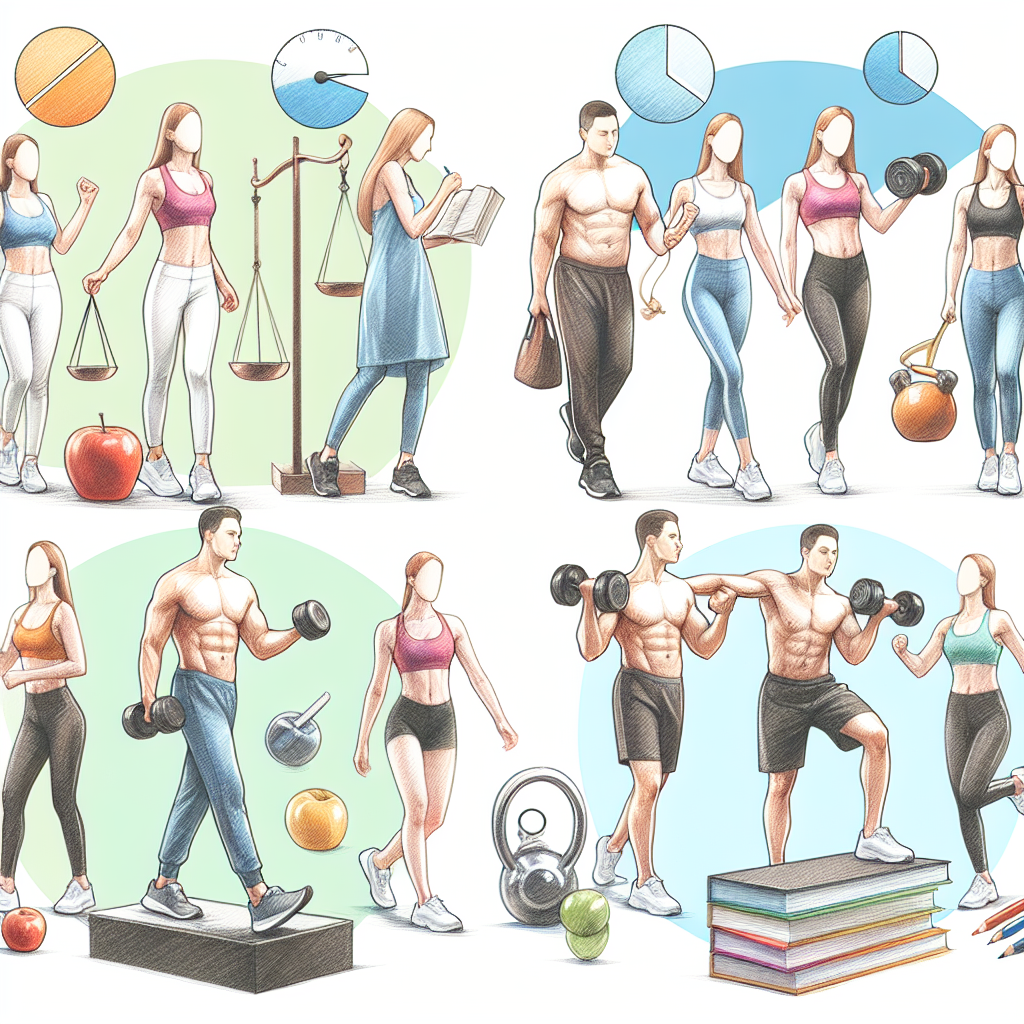
When embarking on a weight loss journey, individuals often prioritize shedding excess fat. However, an overlooked aspect of this process is muscle preservation. Understanding the relationship between weight loss and muscle loss is crucial for achieving long-term health and fitness goals. This article explores how to navigate this delicate balance, particularly through the integration of effective, short workouts.
- Understanding Weight Loss and Muscle Loss
- The Benefits of Short Workouts
- Strategies for Preserving Muscle
- Common Misconceptions About Weight Loss
- When to Consult a Professional
- Frequently Asked Questions
Understanding Weight Loss and Muscle Loss
Weight loss can lead to muscle loss, especially if not approached carefully. When the body is in a caloric deficit, it seeks energy where it can find it, often turning to muscle tissue. This loss is detrimental, not just cosmetically, but also because muscles play a vital role in metabolism and overall health.
The Benefits of Short Workouts
Incorporating brief, six-minute workouts can be a game-changer in any weight loss journey. These workouts are designed to maximize intensity while minimizing time commitment, making them highly accessible for individuals with busy schedules. Beyond just burning calories, short workouts also help to stimulate muscle growth, thereby mitigating the risk of muscle loss during weight reduction.
Imagine fitting in a quick workout at home before breakfast or during a lunch break; this flexibility allows individuals to maintain activity levels without the need for lengthy gym sessions. This way, the workout routines can seamlessly integrate into daily life, leading to sustained engagement and consistency.
Explore our SixPack workout program for a free 30-day trial.Strategies for Preserving Muscle
To ensure that weight loss does not compromise muscle mass, consider the following strategies:
- Maintain Protein Intake: Aim for a diet rich in protein to support muscle retention. Foods such as lean meats, fish, eggs, legumes, and dairy can be beneficial.
- Engaging in Resistance Training: Incorporating strength training into your routine helps stimulate muscle growth. Focus on compound movements that work multiple muscle groups.
- Avoid Excessive Caloric Deficits: Aim for a moderate caloric deficit that allows weight loss without risking muscle mass. A deficit of 500 to 750 calories daily can be effective.
- Stay Hydrated: Proper hydration supports muscle function and recovery, further aiding in retention.
- Consider Nutrient Timing: Consuming protein-rich meals or snacks post-workout can enhance muscle recovery and growth.
Common Misconceptions About Weight Loss
There are several prevailing myths surrounding weight loss that can hinder progress:
- Myth 1: All weight lost is fat. Not true. Weight loss can include water and muscle mass.
- Myth 2: More cardio is always better. While beneficial, excessive cardio can lead to muscle loss.
- Myth 3: Lifting weights will make me bulky. This is a common concern; however, proper strength training actually aids in fat loss.
When to Consult a Professional
It’s essential to seek guidance from health professionals if you experience any of the following situations:
- Significant Muscle Loss: If you notice unexpected muscle loss or strength depletion.
- Plateau in Weight Loss: If weight loss stalls despite adherence to diet and exercise guidelines.
- Nutrition Concerns: If unsure about proper nutrition intake to avoid muscle loss.
- Underlying Health Issues: If you have any medical conditions affecting your weight loss journey.
Frequently Asked Questions
Is it normal to lose muscle during a weight loss journey?
Yes, it can be common, but with proper strategies, muscle loss can be minimized.
How can I tell if I am losing muscle?
Signs include a decline in strength, endurance, or noticeable changes in body composition.
Are short workouts effective for weight loss?
Absolutely. Short, intense workouts can be highly effective in burning calories and preserving muscle.
What role does protein play in muscle retention?
Protein is crucial for muscle repair and growth, helping to preserve muscle during weight loss.
Should I avoid carbs when trying to lose weight?
No, carbohydrates are essential for energy. Focus on whole grains and complex carbs for best results.
How often should I do resistance training?
It is generally recommended to engage in resistance training 2-3 times per week.
Conclusion
- Muscle loss during weight loss is a concern that can be addressed through targeted strategies.
- Short workouts of just six minutes can effectively help preserve muscle while aiding weight loss.
- Proper nutrition, including adequate protein intake, is essential for muscle retention.
- Avoid common misconceptions that may derail your progress; knowledge empowers better decisions.
- Consult professionals if you encounter challenges to ensure a safe and effective weight loss journey.
For a unique approach to your weight loss journey that incorporates short yet effective workouts, sign up for the SixPack workout program and enjoy your 30-day free trial.
Author: John Angel