Categories
Fitness

Effective Six-Minute Workouts for Weight Loss at Home

Embarking on a weight loss journey can be both exciting and overwhelming. Among the many components essential for success, exercise stands out as a primary pillar. Engaging in short, focused workouts can lead to significant reductions in body weight while offering numerous additional health benefits. In this article, we will explore effective exercises for weight loss, specifically highlighting the magic of six-minute short workouts you can perform at home.

  • Understanding the Science of Weight Loss
  • Benefits of Short Workouts
  • Effective Exercises for Quick Results
  • A Day in the Life of Short Workouts
  • When to Consult a Professional
  • Common Myths About Weight Loss
  • FAQs
  • Conclusion

Understanding the Science of Weight Loss

To effectively navigate your weight loss journey, it is crucial to understand the basic principles of weight management. Weight loss occurs when you burn more calories than you consume. This caloric deficit stimulates your body to utilize stored fat for energy, leading to weight reduction. Regular exercise amplifies this effect by increasing your metabolism and enhancing fat oxidation.

Benefits of Short Workouts

Short workouts can be surprisingly effective. The convenience and time efficiency of workouts lasting just six minutes make them accessible for nearly everyone. These brief sessions can easily fit into a busy day, enabling consistent engagement in physical activity without feeling overwhelmed. The following highlights illuminate the benefits:

  • Time-Efficient: Short workouts require minimal time commitment, making it easier to integrate exercise into your routine.
  • Flexibility: You can perform exercises virtually anywhere—at home, during a break at work, or while traveling.
  • Enhanced Focus: Short bursts of exercise can help maintain your enthusiasm and commitment to your weight loss journey.
  • Improved Mood: Physical activity releases endorphins, which can boost your overall mental well-being.
  • Consistent Engagement: Easier to remain committed when workouts are brief and can be repeated multiple times a day.

Effective Exercises for Quick Results

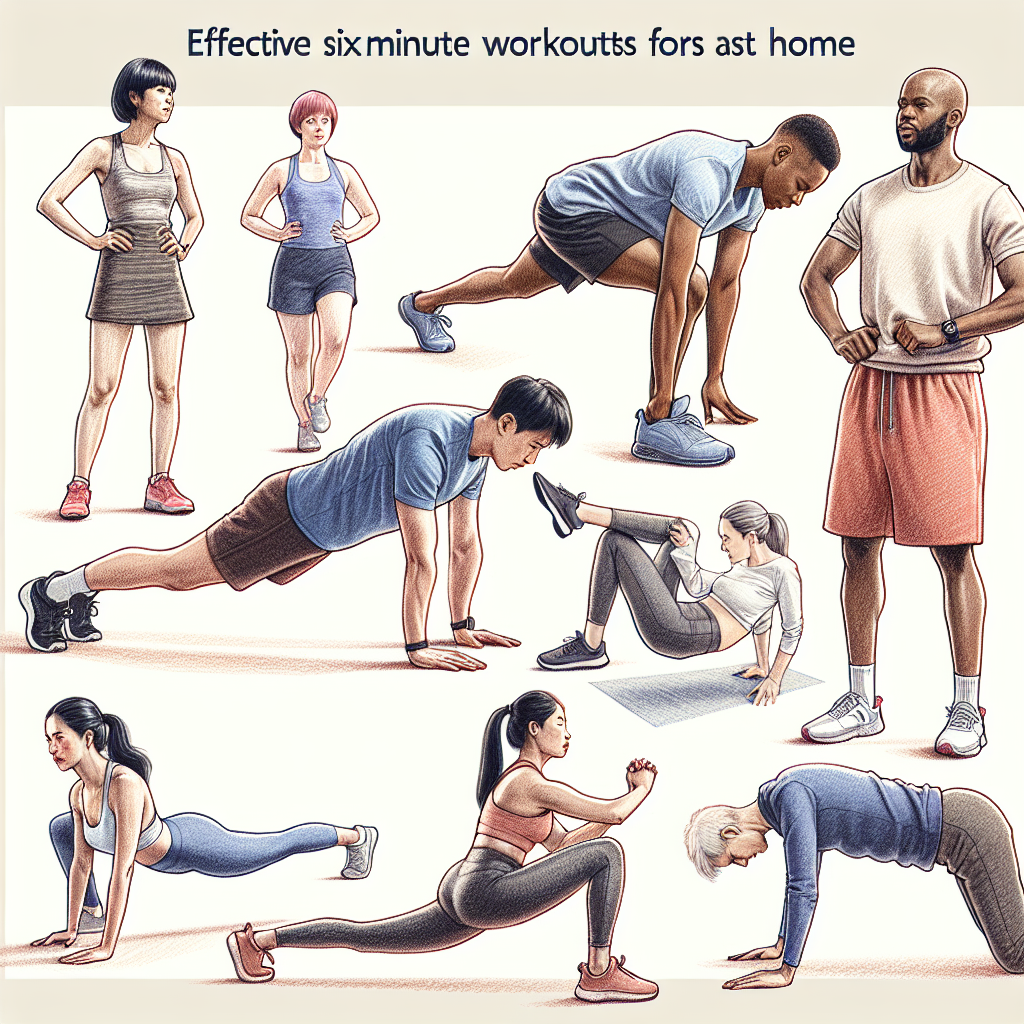
Incorporating a variety of exercises into your routine can optimize weight loss. Below are high-impact exercises suitable for six-minute sessions:

  1. Jumping Jacks: A classic cardio move that elevates your heart rate.
  2. High Knees: This exercise targets your legs and activates your core.
  3. Burpees: A full-body workout combining strength and cardio.
  4. Mountain Climbers: Great for stimulating multiple muscle groups and burning calories.
  5. Bodyweight Squats: Strengthen your legs and core while maintaining a steady pace.

For a structured guide, consider the 30-day SixPack workout program to enhance your results and keep your motivation high.

A Day in the Life of Short Workouts

Incorporating six-minute short workouts into your daily routine can bring transformative benefits:

  • Upon waking, engage in a short workout to kickstart your metabolism.
  • Utilize breaks during work to perform quick sessions, maintaining your energy levels.
  • End your day with a brief workout to unwind and relieve stress.

This rhythm facilitates better calorie management throughout the day and enables a smooth weight loss journey.

When to Consult a Professional

While exercise is essential, it is crucial to recognize when to seek professional guidance. Consider consultation with a qualified health professional if you experience any of the following:

  • Unexplained weight fluctuations.
  • Chronic fatigue or excessive strain during workouts.
  • Pre-existing health conditions that impact your ability to exercise.
  • Concerns about meeting your nutritional needs.

Common Myths About Weight Loss

Numerous misconceptions surround the topic of weight loss. Addressing these is vital for clarity:

  • Myth: Longer workouts yield better results.
  • Myth: Weight loss is solely about exercising.
  • Myth: Lifting weights makes you bulky.
  • Myth: You have to cut out entire food groups to lose weight.

Recognizing these myths allows you to approach your weight loss journey more informed and confidently.

FAQ

What type of exercise is best for weight loss?

A combination of cardiovascular and strength training exercises offers the best results for weight loss.

How often should I work out for effective weight loss?

Engaging in moderate-intensity exercise most days of the week is ideal, with at least 150 minutes per week being a good benchmark.

Can short workouts be effective for weight loss?

Yes, short, intense workouts can be highly effective, especially when performed consistently.

Will strength training help me lose belly fat?

Strength training builds muscle, which can increase your metabolic rate, aiding in overall fat loss, including belly fat.

Do I need equipment for a home workout?

No, many effective exercises can be done with just your body weight.

How can I stay motivated on my weight loss journey?

Setting realistic goals, tracking progress, and joining a supportive community can enhance motivation.

Conclusion

  • Understanding the fundamentals of weight loss is essential for success.
  • Short workouts offer time-efficient, effective options for weight loss.
  • Incorporating a variety of exercises keeps your routine fresh and engaging.
  • Recognizing the need for professional guidance ensures a safer journey.
  • Combatting common myths allows for a more informed approach to weight loss.

As you embark on your weight loss journey, remember that consistency and determination are key. Consider participating in the 30-day SixPack workout program to help you stay committed and achieve your goals effectively.

Author: John Angel

Related articles

Categories
Fitness

Understanding Exercise’s Impact on Weight Loss Results

Embarking on a weight loss journey can often become a perplexing experience, especially when the scales refuse to budge despite diligent exercise efforts. Understanding why exercise alone may not result in weight loss can empower individuals and reshape their approach to fitness. This article delves into the multifaceted interactions between physical activity, metabolism, and lifestyle choices, emphasizing the importance of a well-rounded approach.

  • Understanding Exercise’s Role in Weight Loss
  • Caloric Balance: The Fundamental Equation
  • Exploring Short Workouts: The Magic of Six-Minute Sessions
  • Practical Steps for Effective Exercise
  • When to Consult a Professional
  • Common Myths and Misconceptions
  • Frequently Asked Questions

Understanding Exercise’s Role in Weight Loss

The quintessential belief is that exercise is the cornerstone of any weight loss journey. While this is certainly an important aspect, it is not the sole factor. Exercise enhances muscle mass, boosts metabolism, and improves overall health. However, without a simultaneous focus on dietary habits and external lifestyle factors, weight loss can stagnate. Recognizing this balance is pivotal to achieving sustainable results.

Caloric Balance: The Fundamental Equation

Weight loss is fundamentally tied to caloric balance, encapsulated in the equation: calories consumed versus calories burned. While exercise increases caloric expenditure, dietary intake plays an equally critical role. If one consumes more calories than they expend, weight loss will be elusive, regardless of exercise frequency.

Exploring Short Workouts: The Magic of Six-Minute Sessions

In today’s fast-paced world, time constraints often hinder effective workout routines. This is where the concept of six-minute short workouts emerges as a game-changer. These sessions are not only efficient but can also be tailored to fit seamlessly into daily schedules, allowing individuals to engage in physical activity without significant time commitment.

The six-minute workouts focus on high-intensity exercises that maximize effort in a short timeframe, stimulating metabolism and promoting fat burning. As a free 30-day introduction to this innovative approach, consider joining the SixPack workout program, which allows for flexibility while ensuring consistency.

Practical Steps for Effective Exercise

To maximize the efficacy of your exercise routine concerning weight loss, consider the following concrete steps:

  • Set Realistic Goals: Define achievable objectives that motivate and inspire.
  • Mix It Up: Incorporate a variety of exercises—combining strength training with cardiovascular workouts can enhance results.
  • Stay Consistent: Establish a regular workout schedule to develop a routine.
  • Listen to Your Body: Pay attention to physical signals. Adjust workouts as necessary to prevent injury.
  • Nutrition Counts: Pair your exercise routine with a balanced diet to create a caloric deficit.
  • Track Your Progress: Use apps or journals to keep track of workouts and dietary intake. This can help identify patterns.

When to Consult a Professional

While exercise is beneficial, certain indicators suggest it is time to consult a professional. Seek advice if:

  • You experience persistent pain or discomfort during or after exercising.
  • Weight loss has plateaued despite consistent efforts over several months.
  • Dietary choices are confusing or overwhelming, leading to poor nutritional habits.
  • You have pre-existing medical conditions that may be affected by increased physical activity.

Common Myths and Misconceptions

Myths can impede one’s weight loss journey. Here are some prevalent misconceptions:

  • “More Exercise Always Means More Weight Loss”: Quality often outweighs quantity. Focusing on effective workouts is more beneficial than simply extending exercise duration.
  • “Carbs are the Enemy”: Carbohydrates are essential for energy. Balance and moderation are crucial.
  • “Weight Training Makes You Bulk Up”: Instead, it helps in building lean muscle, which can boost metabolic rate.
  • “You Can Out-Exercise a Poor Diet”: Nutrition is foundational; without suitable dietary practices, exercise may not yield the desired results.

Frequently Asked Questions

Why am I exercising but not losing weight?

Weight loss is a complex process involving caloric intake, exercise, metabolism, and more. It’s essential to evaluate your overall lifestyle, including diet and stress levels.

Do short workouts really work for weight loss?

Yes, short and intense workouts can effectively boost metabolism and burn calories, especially when paired with a balanced diet.

How can I make exercise a regular part of my routine?

Set specific days and times for working out, find activities you enjoy, and consider joining workout programs or groups for motivation.

Is it necessary to change my diet while exercising?

Yes, a healthy diet is crucial to achieving weight loss goals, as it complements the energy expended during exercise.

What types of exercises should I prioritize?

A mix of cardiovascular, strength training, and flexibility exercises is typically recommended for a balanced fitness program.

How long does it take to see results from exercising?

Results vary based on individual factors, but most people can typically expect to see changes within a few weeks of consistent effort.

Conclusion

  • Exercise is a vital but not exclusive factor in achieving weight loss.
  • Caloric balance is fundamental to effective weight management.
  • Short workouts, such as six-minute sessions, can be highly effective for busy schedules.
  • Tracking progress and adjusting habits can enhance outcomes.
  • When in doubt, consulting a professional can provide guidance and support.

Embrace your weight loss journey with a focus on holistic health—consider participating in the free 30-day SixPack workout program to kickstart your fitness routine today!

Author: John Angel

Related articles

Categories
Fitness

Balancing Weight Loss and Muscle Preservation Strategies

When embarking on a weight loss journey, individuals often prioritize shedding excess fat. However, an overlooked aspect of this process is muscle preservation. Understanding the relationship between weight loss and muscle loss is crucial for achieving long-term health and fitness goals. This article explores how to navigate this delicate balance, particularly through the integration of effective, short workouts.

  • Understanding Weight Loss and Muscle Loss
  • The Benefits of Short Workouts
  • Strategies for Preserving Muscle
  • Common Misconceptions About Weight Loss
  • When to Consult a Professional
  • Frequently Asked Questions

Understanding Weight Loss and Muscle Loss

Weight loss can lead to muscle loss, especially if not approached carefully. When the body is in a caloric deficit, it seeks energy where it can find it, often turning to muscle tissue. This loss is detrimental, not just cosmetically, but also because muscles play a vital role in metabolism and overall health.

The Benefits of Short Workouts

Incorporating brief, six-minute workouts can be a game-changer in any weight loss journey. These workouts are designed to maximize intensity while minimizing time commitment, making them highly accessible for individuals with busy schedules. Beyond just burning calories, short workouts also help to stimulate muscle growth, thereby mitigating the risk of muscle loss during weight reduction.

Imagine fitting in a quick workout at home before breakfast or during a lunch break; this flexibility allows individuals to maintain activity levels without the need for lengthy gym sessions. This way, the workout routines can seamlessly integrate into daily life, leading to sustained engagement and consistency.

Explore our SixPack workout program for a free 30-day trial.

Strategies for Preserving Muscle

To ensure that weight loss does not compromise muscle mass, consider the following strategies:

  • Maintain Protein Intake: Aim for a diet rich in protein to support muscle retention. Foods such as lean meats, fish, eggs, legumes, and dairy can be beneficial.
  • Engaging in Resistance Training: Incorporating strength training into your routine helps stimulate muscle growth. Focus on compound movements that work multiple muscle groups.
  • Avoid Excessive Caloric Deficits: Aim for a moderate caloric deficit that allows weight loss without risking muscle mass. A deficit of 500 to 750 calories daily can be effective.
  • Stay Hydrated: Proper hydration supports muscle function and recovery, further aiding in retention.
  • Consider Nutrient Timing: Consuming protein-rich meals or snacks post-workout can enhance muscle recovery and growth.

Common Misconceptions About Weight Loss

There are several prevailing myths surrounding weight loss that can hinder progress:

  • Myth 1: All weight lost is fat. Not true. Weight loss can include water and muscle mass.
  • Myth 2: More cardio is always better. While beneficial, excessive cardio can lead to muscle loss.
  • Myth 3: Lifting weights will make me bulky. This is a common concern; however, proper strength training actually aids in fat loss.

When to Consult a Professional

It’s essential to seek guidance from health professionals if you experience any of the following situations:

  • Significant Muscle Loss: If you notice unexpected muscle loss or strength depletion.
  • Plateau in Weight Loss: If weight loss stalls despite adherence to diet and exercise guidelines.
  • Nutrition Concerns: If unsure about proper nutrition intake to avoid muscle loss.
  • Underlying Health Issues: If you have any medical conditions affecting your weight loss journey.

Frequently Asked Questions

Is it normal to lose muscle during a weight loss journey?

Yes, it can be common, but with proper strategies, muscle loss can be minimized.

How can I tell if I am losing muscle?

Signs include a decline in strength, endurance, or noticeable changes in body composition.

Are short workouts effective for weight loss?

Absolutely. Short, intense workouts can be highly effective in burning calories and preserving muscle.

What role does protein play in muscle retention?

Protein is crucial for muscle repair and growth, helping to preserve muscle during weight loss.

Should I avoid carbs when trying to lose weight?

No, carbohydrates are essential for energy. Focus on whole grains and complex carbs for best results.

How often should I do resistance training?

It is generally recommended to engage in resistance training 2-3 times per week.

Conclusion

  • Muscle loss during weight loss is a concern that can be addressed through targeted strategies.
  • Short workouts of just six minutes can effectively help preserve muscle while aiding weight loss.
  • Proper nutrition, including adequate protein intake, is essential for muscle retention.
  • Avoid common misconceptions that may derail your progress; knowledge empowers better decisions.
  • Consult professionals if you encounter challenges to ensure a safe and effective weight loss journey.

For a unique approach to your weight loss journey that incorporates short yet effective workouts, sign up for the SixPack workout program and enjoy your 30-day free trial.

Author: John Angel

Related articles

Categories
Fitness

Effective Weight Loss Strategies: Six-Minute Workouts & Nutrition

Embarking on a weight loss journey can often feel overwhelming; however, it does not have to be. The key elements often boil down to understanding effective strategies and integrating manageable habits into daily life. One innovative solution gaining traction is the SixPack workout program, which leverages six-minute short workouts at home to maximize efficiency and results. The unique charm of these brief sessions lies in their simplicity and accessibility, allowing individuals to fit fitness seamlessly into their busy routines.

  • Understanding the Concept of Weight Loss
  • The Magic Behind Short Workouts
  • The Role of Nutrition
  • Setting Realistic Goals
  • When to Consult a Professional
  • Common Myths and Misconceptions
  • Frequently Asked Questions
  • Conclusion and Call to Action

Understanding the Concept of Weight Loss

Fundamentally, weight loss occurs when you burn more calories than you consume. This calorie deficit is essential for shedding pounds. However, the journey encompasses more than just counting calories; it incorporates an intricate balance of nutrition, physical activity, and lifestyle changes. Effective weight management requires attention to various components, including diet quality, exercise consistency, and psychological factors.

The Magic Behind Short Workouts

Short workouts, particularly six-minute sessions, have emerged as a game-changer for many on their weight loss journey. The enchantment lies in their ability to deliver substantial results within a minimal time commitment. Here are some benefits to consider:

  • Time Efficiency: With busy schedules, dedicating even a few minutes to exercise often proves more feasible than lengthy workout sessions.
  • Increased Consistency: Short, manageable workouts are easier to incorporate regularly, enhancing adherence to fitness regimes.
  • Boosted Metabolism: Engaging in short bursts of intense activity can elevate metabolism, promoting fat burning even after the session ends.
  • Convenience: Such workouts can be performed anywhere, eliminating barriers related to gym access or equipment.
  • Variety: Short sessions can easily blend various types of exercises, preventing boredom while ensuring a comprehensive workout.

To experience the benefits of these six-minute workouts, consider exploring the 30-day free trial of the SixPack workout program. This program is designed to keep you engaged and motivated, making it easier to stick to your goals.

The Role of Nutrition

While exercise is crucial, nutrition plays an equally pivotal role in successful weight loss. A balanced diet, rich in whole foods, is essential for providing the necessary nutrients while maintaining a calorie deficit. Focus on incorporating:

  • Proteins: Essential for muscle repair and satiety, lean meats, fish, legumes, and dairy are excellent choices.
  • Healthy Fats: Include sources such as avocados, nuts, and olive oil which support overall health.
  • Complex Carbohydrates: Opt for whole grains, vegetables, and fruits to fuel your workouts and ensure energy levels remain stable.

Moreover, staying hydrated is crucial, as water helps metabolize fat and stave off hunger.

Setting Realistic Goals

Setting realistic, achievable goals is fundamental to any weight loss journey. Goals should be specific, measurable, attainable, relevant, and time-bound (SMART). For instance:

  • Specific: Instead of saying “I want to lose weight,” specify “I aim to lose 10 pounds in three months.”
  • Measurable: Track progress weekly to see if you’re on the right path.
  • Attainable: Set a realistic daily or weekly calorie deficit that aligns with your lifestyle.
  • Relevant: Ensure your goals reflect what is important to you personally.
  • Time-Bound: Assign a deadline to evaluate progress effectively.

When to Consult a Professional

Recognizing the Right Time for Help

While embarking on a weight loss journey, there may be occasions when professional guidance is necessary. Consider seeking assistance from a registered dietitian, nutritionist, or personal trainer if:

  • You feel overwhelmed by dietary choices or confused about nutritional information.
  • You have underlying health conditions affecting your ability to lose weight.
  • You struggle with emotional eating or body image issues.
  • Your weight loss goals are not being met despite efforts, indicating potential underlying issues.

Common Myths and Misconceptions

Debunking Weight Loss Misconceptions

Several myths can cloud judgment during the weight loss journey. Here are a few prevalent misconceptions:

  • Carbs Are the Enemy: While excess refined carbohydrates can contribute to weight gain, whole grains are essential for energy and should not be entirely eliminated.
  • Spot Reduction is Possible: Targeting fat loss in specific areas through exercise is largely ineffective; overall body fat reduction is necessary.
  • All Calories are Equal: Quality matters. Nutrient-dense foods generally provide more health benefits than empty calories.
  • Weight Loss Equals Starvation: Sustainable weight loss is achieved through balanced eating, not extreme restriction.

Frequently Asked Questions

What is the most effective exercise for weight loss?

The best exercise for weight loss combines cardiovascular activities, strength training, and flexibility exercises for comprehensive fitness.

How many calories should I consume daily to lose weight?

Caloric needs vary based on factors such as age, gender, and activity level. A registered dietitian can help determine an appropriate range.

Can I lose weight without exercising?

While exercise is beneficial, weight loss primarily depends on dietary changes. However, incorporating physical activity enhances results.

What is a healthy rate of weight loss?

Aim for 1-2 pounds per week, which is considered a safe and sustainable rate of weight loss.

Are meal replacement shakes effective for weight loss?

Meal replacement shakes can be useful but should not replace all meals long-term. Whole foods provide necessary nutrients often lacking in shakes.

How can I stay motivated during my weight loss journey?

Set small milestones, track progress, reward yourself for achievements, and engage with supportive communities to maintain motivation.

Conclusion

  • Weight loss is achievable through a combination of proper nutrition, consistent exercise, and realistic goal-setting.
  • Short six-minute workouts offer an effective and time-efficient way to integrate fitness into busy lives.
  • Nutrition is key; focus on whole, nutrient-dense foods for optimal health and weight loss.
  • Seek professional advice when facing challenges, emotional barriers, or health concerns.
  • Be aware of myths that can derail your progress; focus on evidence-based strategies.

As you embark on your weight loss journey, remember that small, consistent changes can lead to significant results over time. Consider trying out the 30-day free trial of the SixPack workout program to discover how short, efficient workouts can enhance your daily routine and help you stay committed to your goals.

Author: John Angel

Related articles

Website analytics information

We use Google Analytics 4 for visitor statistics. Analytics cookies require your consent, which you can change using the button above. The data controller is ZDRAVÍ S ÚSMĚVEM s.r.o., company ID 29283329, contact podpora@revolucnicviceni.cz. Google processes browser, device and page visit information. We do not send form field values to Analytics. How Google uses information · Google Privacy Policy.