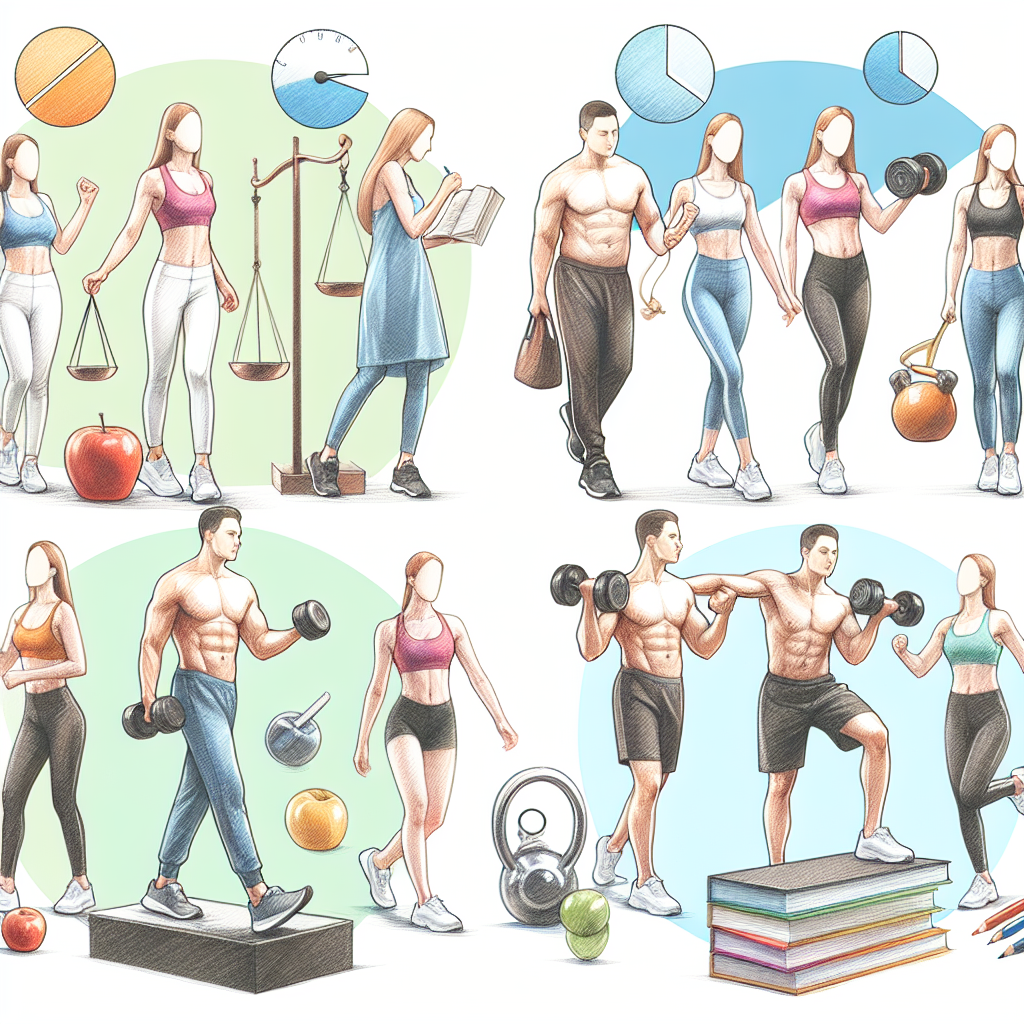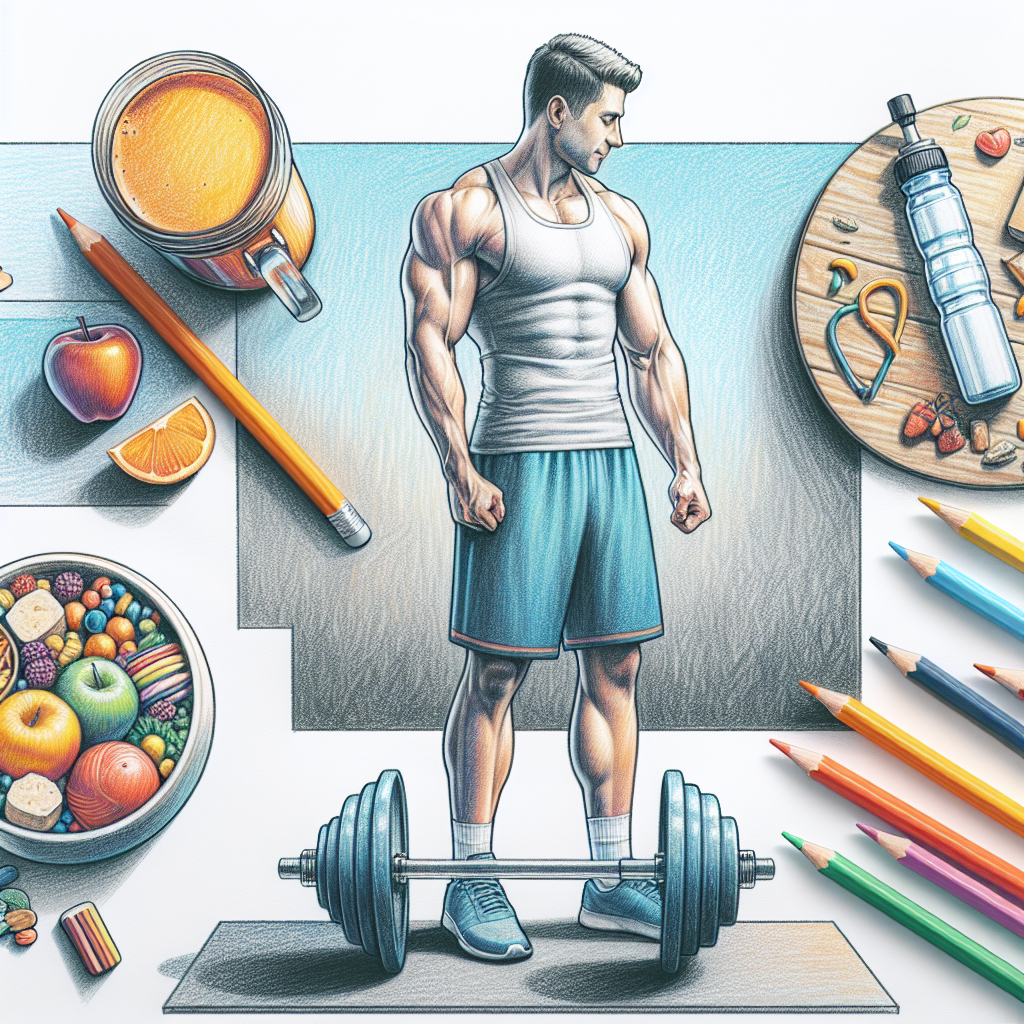
Embarking on a weight loss journey often brings with it the challenge of retaining muscle mass while shedding unnecessary fat. Many individuals focus primarily on the numbers on the scale, neglecting to recognize the complications that arise when muscle loss occurs alongside weight reduction. In this article, we will delve into the intricacies of achieving sustainable weight loss without compromising your muscle health, while also highlighting the potential of short at-home workouts.
- Understanding Weight Loss and Muscle Loss
- The Role of Exercise in Preserving Muscle Mass
- Importance of Nutrition in the Weight Loss Journey
- Benefits of Six-Minute Short Workouts at Home
- When to Consult a Professional
- Common Myths and Mistakes in Weight Loss
- Frequently Asked Questions
- Conclusion: Key Takeaways
Understanding Weight Loss and Muscle Loss
Weight loss is often seen as the ultimate objective for many seeking better health or appearance. However, the accompanying loss of muscle mass can significantly affect metabolic rate, strength, and overall health. Muscle tissue is more metabolically active than fat, meaning that losing it can lead to a slower metabolism, making further weight loss more challenging. Understanding this relationship is crucial for anyone embarking on a weight loss journey.
The Role of Exercise in Preserving Muscle Mass
Incorporating resistance training into your exercise regimen is essential for preserving muscle mass during weight loss. While cardiovascular activities are effective for burning calories, they can lead to muscle degradation when not balanced with strength training. Aim to include weight-lifting exercises or bodyweight movements two to three times per week to maintain muscle mass.
Importance of Nutrition in the Weight Loss Journey
Nutrition plays a pivotal role in achieving weight loss goals while minimizing muscle loss. Consuming adequate protein is vital since it supports muscle repair and growth. Aim to include sources of lean protein, such as chicken, fish, beans, and legumes, in your meals. Additionally, maintaining a balanced diet rich in vitamins and minerals ensures overall wellness and supports your weight loss journey.
Benefits of Six-Minute Short Workouts at Home
One of the intriguing advantages of adopting short workouts is their flexibility and ease of integration into daily life. The magic of six-minute workouts lies not just in their duration but also in their ability to maximize efficiency. These workouts can help raise your heart rate, build strength, and stimulate muscle retention without overwhelming your schedule.
By consistently engaging in six-minute workouts, you can maintain muscle mass, enhance metabolism, and improve mood. Best of all, you can perform these workouts at home, making it easy to establish a routine. For those curious about discovering the benefits of effective six-minute workouts, consider taking advantage of a 30-day free trial of the SixPack workout program.
Practical Steps to Achieve Weight Loss Without Muscle Loss
- Set achievable weight-loss goals. Aim for 1-2 pounds per week.
- Incorporate strength training exercises at least twice a week.
- Prioritize protein intake at every meal.
- Focus on whole, nutrient-dense foods and minimize processed options.
- Stay hydrated by drinking plenty of water throughout the day.
- Consider short, efficient workouts that can easily fit into your daily routine.
When to Consult a Professional
Certain signs indicate that it may be necessary to consult a healthcare professional or a registered dietitian. These include:
- Experiencing excessive fatigue or weakness.
- Noticing significant muscle loss despite a proper diet and exercise regime.
- Struggling with emotional distress related to food or exercise.
- Having underlying health conditions that could complicate your weight loss.
In any of these cases, professional guidance can ensure that your weight loss journey is safe and effective.
Common Myths and Mistakes in Weight Loss
Many myths surround weight loss that can hinder progress. Some of these include:
- Myth: All calories are created equal. Fact: Nutrient-dense foods are essential for health.
- Myth: You must do cardio to lose weight. Fact: Strength training is vital to preserve muscle.
- Myth: Skipping meals is effective for weight loss. Fact: It can lead to overeating and muscle loss.
Frequently Asked Questions
Can I lose weight without any muscle loss?
Yes, with the right balance of strength training, nutrition, and an adequate intake of protein, it is possible to lose weight without losing muscle.
How important is protein in a weight loss journey?
Protein is crucial as it aids in muscle repair, promotes satiety, and can help prevent muscle loss during calorie restriction.
Are short workouts effective for weight loss?
Short workouts, when done consistently and combined with proper nutrition, can be highly effective for weight loss and muscle preservation.
What should I do if I’m feeling fatigued while losing weight?
If fatigue is persistent, it may be beneficial to consult with a healthcare professional to assess your nutritional intake and overall health.
How often should I strength train during my weight loss journey?
It is recommended to incorporate strength training at least two to three times a week to effectively preserve muscle mass.
Is it possible to regain muscle after weight loss?
Yes, muscle can be regained through consistent strength training and adequate protein intake, even after weight loss.
Conclusion: Key Takeaways
- Weight loss can lead to muscle loss if not managed properly.
- Incorporating resistance training is vital for muscle preservation.
- A balanced diet rich in protein is essential during the weight loss journey.
- Short, efficient workouts can be effective and easy to integrate into daily life.
- Seek professional guidance if you experience significant issues during your journey.
Embarking on a weight loss journey doesn’t have to mean sacrificing muscle health. By incorporating the right strategies and understanding the dynamics of weight loss, you can maintain both your physique and well-being. For those ready to start a sustainable workout plan that fits into their life, consider exploring the 30-day free trial of the SixPack workout program.
Author: John Angel