
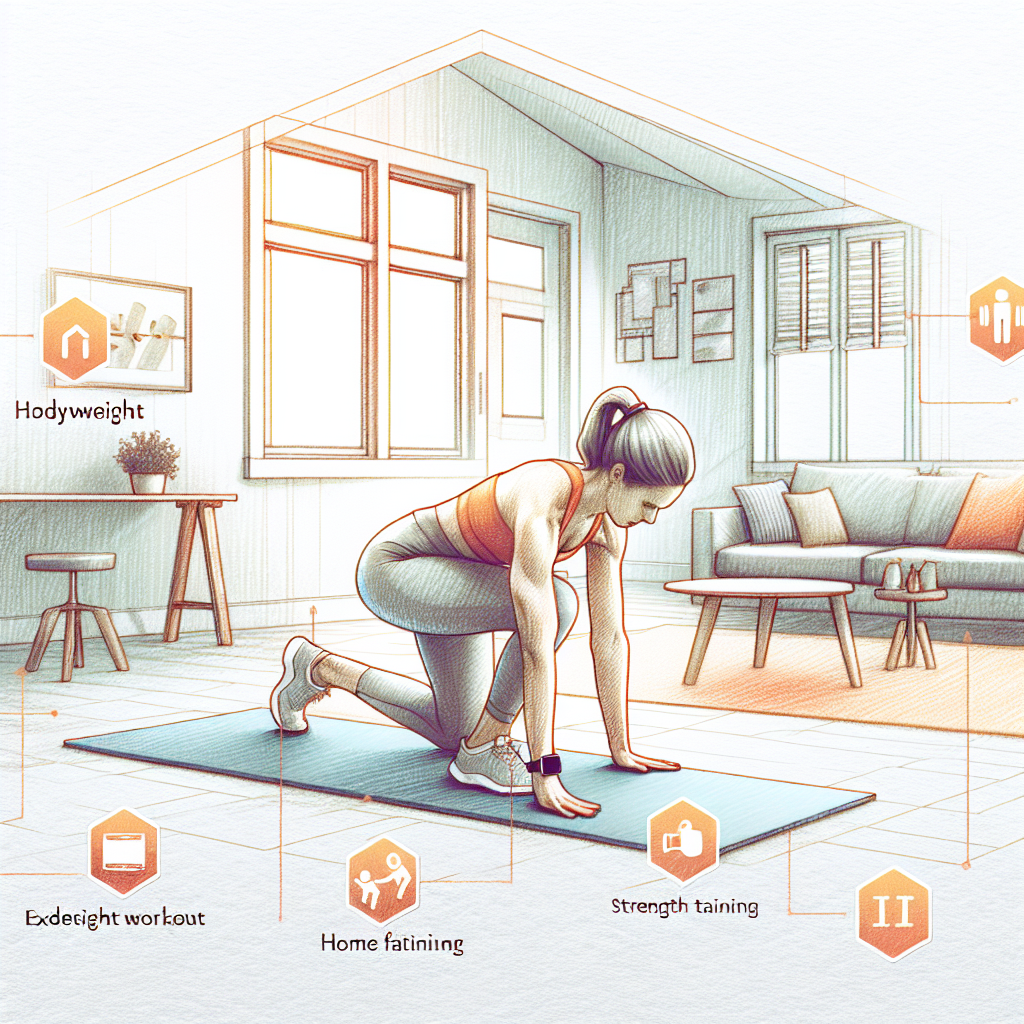
Workout Program Without Equipment: A Comprehensive Guide
In today’s fast-paced world, finding time for fitness can be a challenge. However, engaging in an effective workout program without equipment offers a flexible solution that fits seamlessly into busy lives. This guide will present practical advice, concrete steps, and structured routines that require no gym access, allowing you to harness the benefits of exercise from the comfort of your home or wherever you may be.
- Understanding Bodyweight Exercises
- Constructing a Time-Efficient Routine
- Building a Balanced Program
- Common Myths and Mistakes
- When to Seek Professional Guidance
- FAQs
- Conclusion
Understanding Bodyweight Exercises
Bodyweight exercises are physical activities that utilize your body weight as resistance. These exercises can include squats, lunges, push-ups, and planks, among others. They are not only accessible but also versatile, allowing you to adapt your workouts based on your fitness level.
One of the key advantages of bodyweight exercises is their ability to engage multiple muscle groups simultaneously. This leads to improved functional strength, flexibility, and endurance without the need for equipment.
Constructing a Time-Efficient Routine
Incorporating a workout routine without equipment doesn’t mean sacrificing effectiveness. Here is a step-by-step guide to craft a short yet powerful workout program:
- Warm-Up: Start with a 2-3 minute warm-up involving dynamic stretches to increase blood flow.
- Select Your Exercises: Choose 4-6 bodyweight exercises targeting different muscle groups.
- Time Your Intervals: Allocate specific time intervals for exercise and rest; for instance, 30 seconds of work followed by 15 seconds of rest.
- Cool Down: Conclude with static stretches for around 2-3 minutes to promote recovery.
If you wish to follow a guided program that requires only 6 minutes of your day yet yields remarkable results, consider registering for a free 30-day exercise program at this link.
Building a Balanced Program
A balanced workout regime is essential for overall fitness. Here are some components to include in your program:
- Strength Training: Focus on multiple muscle groups, incorporating exercises like push-ups, squats, and planks.
- Cardiovascular Work: Integrate high-intensity interval training (HIIT) to elevate your heart rate and improve endurance.
- Flexibility and Mobility: Include yoga poses or static stretches to enhance flexibility and prevent injury.
- Core Strength: Engage in exercises like sit-ups, leg raises, and Russian twists for core stability.
Common Myths and Mistakes
Despite the growing popularity of bodyweight training, several misconceptions persist:
- Myth 1: Bodyweight exercises are ineffective for building muscle.
- Myth 2: You need heavy weights to achieve results.
- Myth 3: Bodyweight training doesn’t provide a good cardiovascular workout.
- Myth 4: You can’t progress with bodyweight exercises.
By understanding these myths, individuals can better appreciate the efficacy of a workout program without equipment.
When to Seek Professional Guidance
There are circumstances where consulting with a fitness professional is advisable:
- If you experience persistent pain during or after exercises.
- When unsure of proper form to prevent injury.
- If you are new to exercise and need guidance on starting safe routines.
- When struggling to achieve desired results, indicating a potential need for tailored programming.
Professional trainers can provide personalized advice and support for your fitness journey.
FAQs
What are effective bodyweight exercises for beginners?
Effective bodyweight exercises for beginners include push-ups, squats, lunges, and planks.
How often should I perform bodyweight exercises?
It is generally recommended to perform bodyweight exercises 3-5 times per week for optimal results.
Can I lose weight with bodyweight exercises?
Yes, bodyweight exercises can contribute to weight loss when combined with a balanced diet and consistent routine.
Is it possible to build muscle without weights?
Yes, bodyweight exercises can promote muscle building by utilizing various techniques such as increased repetitions or advanced variations.
How long should a bodyweight workout last?
A bodyweight workout can effectively last as little as 6-30 minutes, depending on intensity and structure.
Can I do bodyweight training at home?
Absolutely! Bodyweight training is highly flexible and can be done in various environments, including at home.
Conclusion
- Bodyweight exercises are effective and adaptable for various fitness levels.
- Creating a time-efficient routine is possible with proper planning.
- A balanced program should include strength, cardio, flexibility, and core work.
- Understand and dispel common myths surrounding bodyweight training.
- Recognize when to seek professional guidance for better results.
Embarking on a workout program without equipment offers a flexible path to health and fitness. With commitment and the right approach, you can successfully achieve your fitness goals. Consider signing up for a structured program that fits your schedule and demands by visiting this link.
Author: John Angel