
Introduction
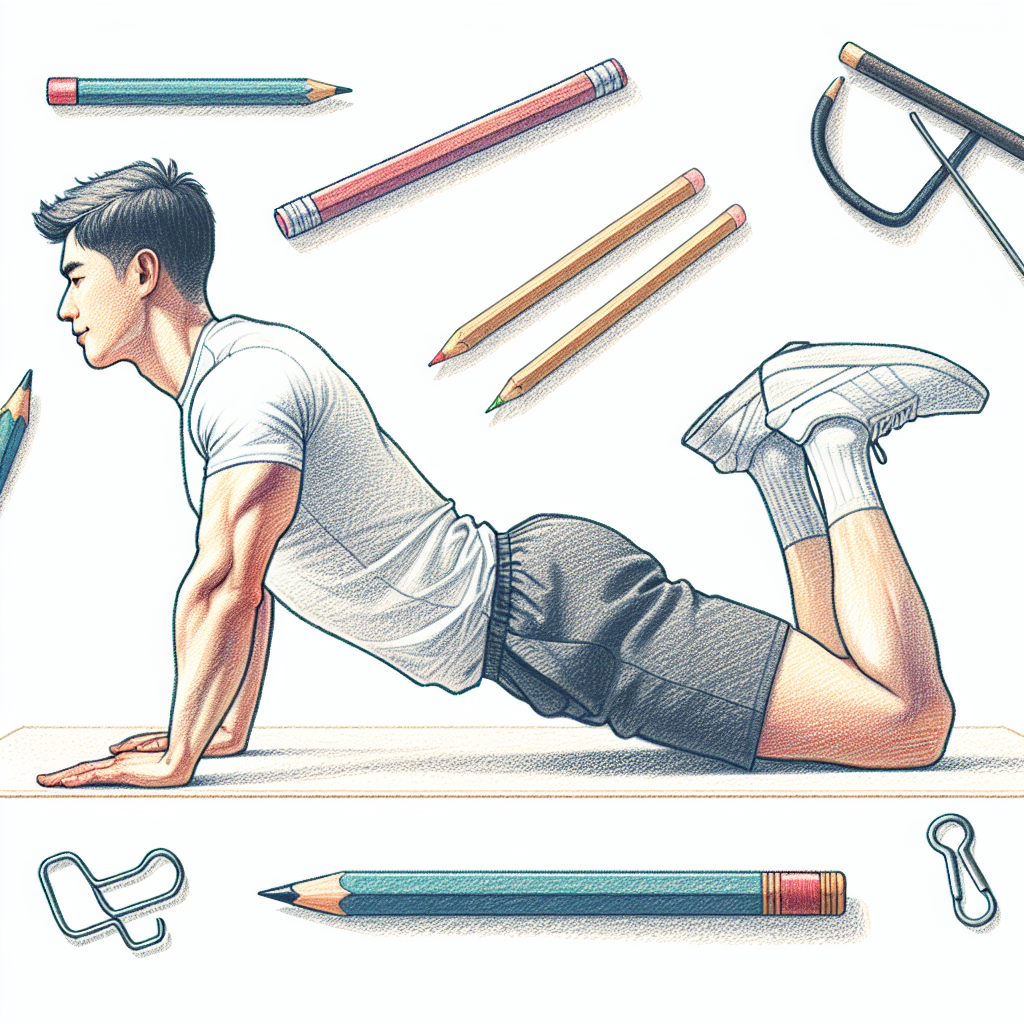
Maintaining a strong and flexible back is essential for overall health, yet many individuals overlook effective exercises due to limited access to equipment. Fortunately, there are numerous equipment-free back exercises that can be seamlessly integrated into your daily routine. These exercises not only enhance strength and stability but also help in alleviating back pain and improving posture. With just a few minutes of daily effort, you can achieve results comparable to traditional gym workouts.
- Understanding the Importance of Back Exercises
- Essential Equipment-Free Exercises
- Guided Routine for a Stronger Back
- When to Seek Professional Help
- Common Myths and Mistakes
- Frequently Asked Questions
- Conclusion and Next Steps
Understanding the Importance of Back Exercises
Back exercises play a crucial role in maintaining spinal health and preventing back-related issues. The back muscles, comprising a diverse array of muscle groups, support your abdomen, spine, and overall body structure. Strong back muscles help in better posture, reducing the risk of injuries, and enhancing athletic performance. Neglecting these muscles can lead to imbalances that precipitate pain and discomfort.
Essential Equipment-Free Exercises
Here is a list of effective equipment-free exercises that target various muscles in your back:
- Cat-Cow Stretch: This yoga-based exercise improves flexibility and alleviates tension.
- Superman Exercise: This strengthens the lower back and glutes, enhancing overall stability.
- Plank: While primarily a core exercise, it also engages the muscles in the upper and lower back.
- Bird-Dog: This promotes balance while strengthening the lower back and core.
- Bridge: This targets the glutes and lower back, supporting spinal alignment.
Guided Routine for a Stronger Back
Here’s a simple routine you can follow to efficiently strengthen your back without any equipment:
- Cat-Cow Stretch: 10 repetitions
- Superman Exercise: 10 repetitions, holding each for 3 seconds
- Plank: Hold for 20-30 seconds
- Bird-Dog: 10 repetitions per side
- Bridge: Hold for 15-20 seconds, repeat 5 times
By dedicating just 6 minutes a day to this routine, you can work towards achieving significant improvements in your back strength and functionality. Consider registering for a free 30-day exercise program to help guide you through efficient daily workouts: Free 30-Day Exercise Program.
When to Seek Professional Help
While incorporating these exercises into your routine can be highly beneficial, certain signs may indicate the need for professional intervention. You should consult a qualified health professional if you experience:
- Persistent back pain that does not improve with rest
- Neurological symptoms such as numbness or tingling in the legs
- Pain accompanying significant injuries or falls
- Severe discomfort during exercises that persists despite modification
Engaging with a healthcare provider can ensure that your back health is properly assessed and managed.
Common Myths and Mistakes
There are several misconceptions surrounding back exercises that can hinder progress. Here are a few common myths and mistakes:
- Myth: You need equipment to strengthen your back. Equipment-free exercises can be just as effective as gym-based workouts.
- Mistake: Ignoring form for more repetitions. Prioritize technique over quantity to avoid injury and maximize effectiveness.
- Myth: Stretching alone is sufficient. While flexibility is essential, strength training is equally important for a balanced back.
- Mistake: Performing the same exercises daily. Variety prevents plateaus and keeps your muscles engaged.
Frequently Asked Questions
What is the best time to perform back exercises?
The best time to perform back exercises is whenever you can consistently fit them into your routine, whether in the morning, afternoon, or evening.
Can I perform back exercises daily?
Yes, you can perform these exercises daily, but listen to your body and adjust intensity as necessary, especially if you’re a beginner.
How long will it take to see results?
Results can vary, but with consistent practice, many people begin to notice improvements in strength and posture within a few weeks.
Should I warm up before exercising?
Yes, warming up prepares your muscles and reduces the risk of injury. Simple dynamic stretches can suffice.
Are these exercises suitable for everyone?
While generally safe, individuals with existing back conditions should consult a healthcare professional before starting any new exercise routine.
Can these exercises help with back pain?
Many of these exercises can alleviate mild to moderate back pain; however, consult with a professional for persistent discomfort.
Conclusion and Next Steps
- Regularly engage in equipment-free back exercises to enhance strength.
- Prioritize proper form over quantity to maximize effectiveness.
- Consider varying your routine to prevent monotony and plateaus.
- Consult a professional if you experience persistent back issues.
- Start your journey towards back strength today with simple daily routines.
Incorporating these exercises into your daily routine can make a profound difference in your back health and overall well-being. Whether you’re a beginner or looking to strengthen an already fit back, remember that consistency is key. Start small, stay committed, and experience the benefits of a stronger back.
Author: John Angel