
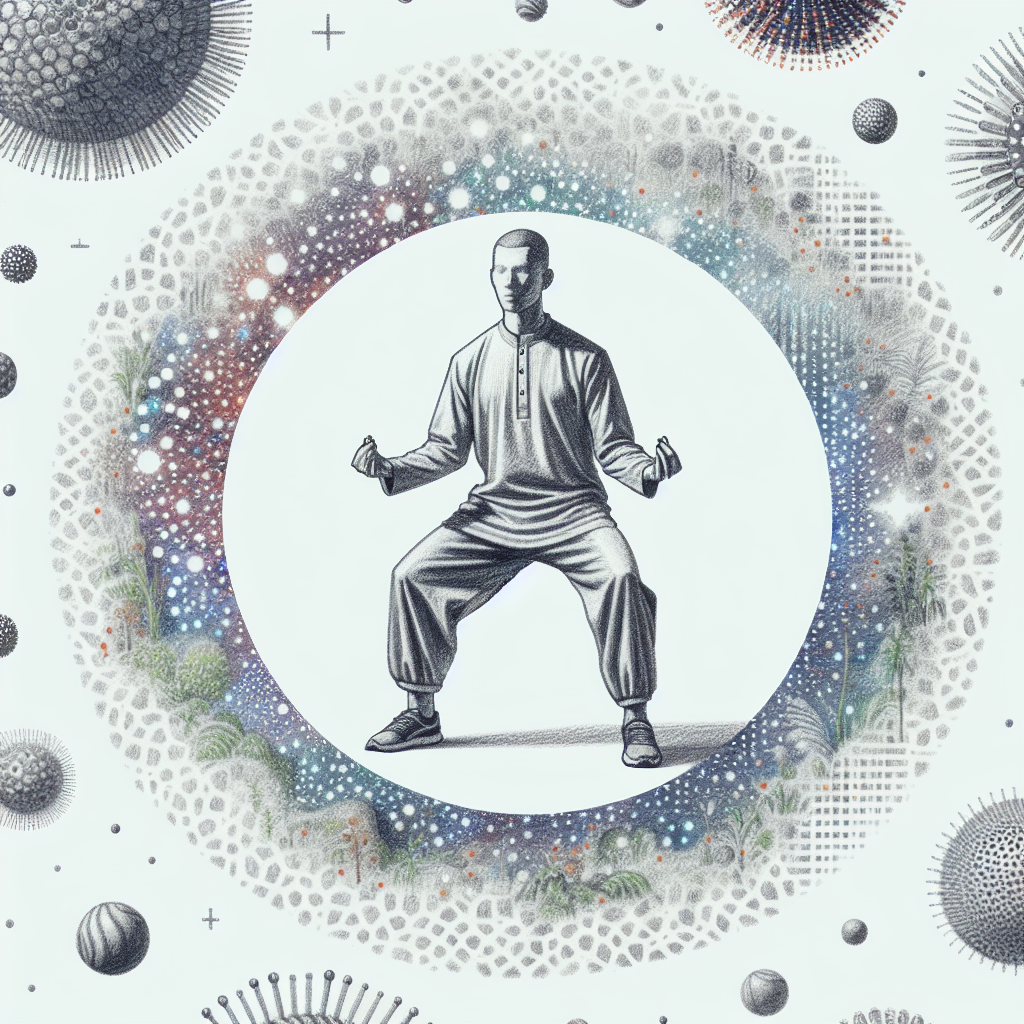
In today’s busy world, finding time for a fulfilling workout can often seem daunting. However, a 30-minute workout without equipment can provide an effective, efficient solution for those seeking to maintain fitness without the need for a gym. This post explores the benefits of such workouts, outlines various exercises, and offers practical tips for maximizing your fitness journey.
- Understanding the Benefits
- Key Exercises for a Full-Body Workout
- Creating Your Routine
- When to Seek Professional Guidance
- Common Misconceptions about Bodyweight Workouts
- FAQs
- Conclusion
Understanding the Benefits
A 30-minute workout without equipment is not only convenient but also caters to multiple fitness goals. These workouts can enhance cardiovascular fitness, improve muscle strength, and increase flexibility—all without the need for specialized gear. They are particularly beneficial for those who seek to exercise at home or travel frequently. Such routines promote consistency and can be tailored to individual fitness levels, making them accessible for everyone.
Key Exercises for a Full-Body Workout
To construct a balanced workout, it is essential to include elements that engage various muscle groups. The following exercises encompass strength, cardio, and flexibility:
- Bodyweight Squats: Target the lower body, particularly the quadriceps, hamstrings, and glutes.
- Push-Ups: Build upper body strength, engaging the chest, shoulders, and triceps.
- Burpees: A full-body workout that combines strength and cardio, incorporating a squat, push-up, and jump.
- Plank: Strengthens the core, enhancing stability and overall strength.
- Lunges: Focus on lower body strength and flexibility, improving balance and stability.
- Mountain Climbers: An excellent cardiovascular exercise that also targets the core and legs.
Creating Your Routine
To achieve maximum results from your 30-minute workout, consider the following structure:
- Warm-Up (5 minutes): Engage in dynamic stretches like arm circles and leg swings to prepare your body.
- Main Workout (20 minutes): Execute each exercise for 40 seconds followed by 20 seconds of rest. Aim for three rounds:
- Bodyweight Squats
- Push-Ups
- Burpees
- Plank
- Lunges
- Mountain Climbers
For those seeking a streamlined approach, consider registering for a free 30-day exercise program that incorporates just six minutes of daily exercise. You can achieve results akin to a full gym session at this link: 30-day exercise program registration.
When to Seek Professional Guidance
While bodyweight exercises are generally safe, certain indicators suggest it is prudent to consult a healthcare or fitness professional:
- Persistent pain or discomfort during exercises.
- Existing health conditions or injuries that may be exacerbated by physical activity.
- Difficulty in executing proper form or technique for exercises.
- Lack of progress despite consistent effort.
Common Misconceptions about Bodyweight Workouts
Several myths surround bodyweight workouts that may deter individuals from adopting them. Understanding these misconceptions can clear the path toward effective at-home fitness:
- Myth 1: Bodyweight workouts are less effective than gym workouts.
Fact: When performed correctly, bodyweight exercises can be equally—or even more—effective. - Myth 2: You need to perform countless repetitions for results.
Fact: Quality over quantity is key; focus on form and intensity instead. - Myth 3: Bodyweight workouts don’t build muscle.
Fact: They can enhance muscle endurance and strength significantly. - Myth 4: You cannot progress with bodyweight training.
Fact: Progression can be achieved by modifying exercises and increasing difficulty.
FAQs
1. How often should I do a 30-minute bodyweight workout?
It is advisable to engage in these workouts 3–5 times per week, allowing for rest days as necessary.
2. Can beginners perform these workouts?
Yes, beginners can adapt exercises to their fitness level and gradually progress to more challenging versions.
3. What should I eat before and after a workout?
A light snack rich in carbohydrates and protein is beneficial before workouts; a balanced meal post-workout aids recovery.
4. How can I stay motivated to work out at home?
Set specific goals, track your progress, and consider joining a community or group for support and accountability.
5. Is a warm-up necessary?
A warm-up is essential as it prepares your muscles and reduces the risk of injury.
6. Can I lose weight with bodyweight workouts?
Yes, regular bodyweight workouts can help reduce weight, particularly when combined with a healthy diet.
Conclusion
- A 30-minute workout without equipment can be effective for various fitness goals.
- Key exercises include squats, push-ups, and burpees for a balanced routine.
- Consult a professional if you experience pain or have health concerns.
- Don’t be misled by common misconceptions regarding bodyweight training.
- Consider trying a focused program for efficient results in just six minutes per day.
Embrace the power of bodyweight workouts, and remember, consistency is key to achieving your fitness dreams. Begin your journey today!
Author: John Angel