Categories
Fitness

Effective Full Body 30-Minute Workout Without Equipment

Full Body 30 Minute Workout No Equipment

Achieving a full-body workout without any specialized equipment is not only feasible but can also be highly effective within a brief 30-minute session. This approach harnesses the power of bodyweight exercises to target various muscle groups, enhancing strength, endurance, and flexibility—conveniently from the comfort of your home. The following guide provides practical steps for executing an efficient, no-equipment workout, along with expert tips for maximizing your results.

  • Benefits of bodyweight training
  • The structure of a 30-minute workout
  • Step-by-step workout guide
  • Common errors to avoid
  • When to consult a fitness professional
  • FAQs
  • Conclusion and summary

Benefits of Bodyweight Training

Bodyweight training offers numerous advantages, including:

  • Accessibility: No gym membership or equipment is needed.
  • Improved functional strength: Exercises mimic everyday movements.
  • Enhanced flexibility and mobility: Dynamic movements promote range of motion.
  • Cardiovascular benefits: High-intensity interval training (HIIT) can elevate heart rates.
  • Time efficiency: Full workouts can be tailored to fit even the busiest of schedules.

The Structure of a 30-Minute Workout

A well-balanced 30-minute workout should include a warm-up, a series of bodyweight exercises, and a cool-down. Each segment is crucial for preventing injury and ensuring optimal performance.

Warm-Up (5 minutes)

Begin with gentle movements to get the blood flowing:

  • Jumping jacks: 1 minute
  • Arm circles: 1 minute
  • Dynamic stretches: 3 minutes (focus on legs and core)

Step-by-Step Workout Guide

Here’s a structured routine that you can follow for a complete body workout.

Workout (20 minutes)

Perform each exercise for 40 seconds, followed by 20 seconds of rest. Repeat the entire circuit twice.

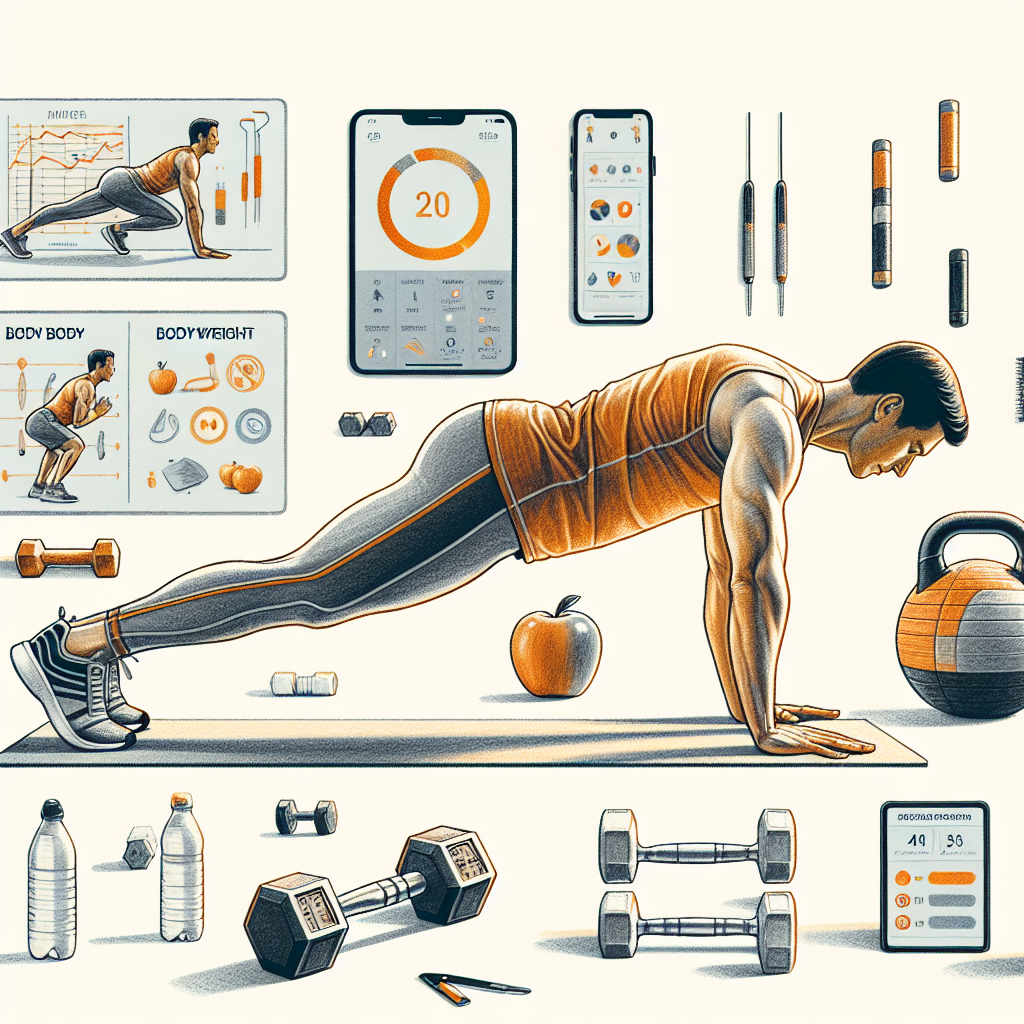
  1. Push-Ups: Target the chest, shoulders, and arms.
  2. Squats: Engage the legs and glutes.
  3. Plank: Strengthen the core.
  4. Lunges: Work on balance and leg strength.
  5. Burpees: Boost cardiovascular fitness and full-body strength.

Cool-Down (5 minutes)

End your session with gentle stretching to promote recovery:

  • Hamstring stretch
  • Quad stretch
  • Shoulder stretch
  • Cobra stretch for the back

For those seeking a truly unique yet time-efficient exercise strategy, consider a fantastic 30-day program where you only have to dedicate 6 minutes daily. You can register for free here: 30-Day Exercise Program.

Common Errors to Avoid

Even a simple routine can lead to mistakes. Here are several common errors to steer clear of:

  • Neglecting form: Proper technique is essential to avoid injuries.
  • Skipping warm-ups and cool-downs: These segments are critical for muscle readiness.
  • Overtraining: Ensure adequate rest between sessions.
  • Not listening to your body: Pay attention to pain signals; don’t push through significant discomfort.

When to Consult a Fitness Professional

While bodyweight workouts are generally safe, certain circumstances warrant professional guidance:

  • If you’re new to exercise and feel uncertain about your routine.
  • Experiencing persistent pain or discomfort during or after workouts.
  • Having pre-existing health conditions that could be exacerbated by physical activity.
  • Seeking personalized exercise plans tailored to specific goals or needs.

Common Myths Surrounding Bodyweight Training

Despite its efficacy, many misconceptions persist about bodyweight exercises. Clarifying these myths can help maximize your training:

  • Myth #1: Bodyweight training cannot build muscle mass. In reality, resistance training can lead to hypertrophy.
  • Myth #2: Only heavy weights lead to effective workouts. Bodyweight exercises can be equally challenging if performed correctly.
  • Myth #3: Cardio is unnecessary for strength training. Integrating both improves overall fitness.

FAQs

What are the benefits of no-equipment workouts?

No-equipment workouts increase accessibility and can be performed anywhere, promoting functional strength and flexibility.

How often should I perform bodyweight workouts?

Ideally, aim for at least 3-4 times per week, allowing for rest days in between sessions.

Can beginners start with this workout?

Yes, beginners can adapt the exercises to their current fitness level, focusing on form over intensity.

What if I can’t complete the whole circuit?

It’s okay to take breaks as needed. Progress at your own pace, gradually increasing your endurance.

Is it necessary to warm up and cool down?

Yes, warming up reduces injury risk and preparing your muscles, while cooling down aids recovery.

Are bodyweight exercises effective for weight loss?

Yes, when combined with a healthy diet, bodyweight training can support weight loss and overall fitness improvements.

Conclusion

  • Bodyweight workouts are efficient and accessible for all fitness levels.
  • A full-body routine can be completed in just 30 minutes.
  • Pay attention to form and avoid common mistakes for optimal results.
  • Consult a professional if you experience pain or have specific fitness goals.
  • Consider a specialized program for a unique, time-efficient approach to exercise.

Ready to transform your fitness routine? Start with the simple, effective bodyweight workout plan outlined above. Don’t forget to explore the 30-day program for an even quicker way to see results: 30-Day Exercise Program.

Author: John Angel

Related articles

Categories
Fitness

Effective 30-Minute No-Equipment Workout Guide

In today’s fast-paced world, finding time to exercise can be a challenge. However, a 30-minute workout without any equipment can provide significant benefits in terms of physical fitness, mental health, and overall well-being. This article outlines how you can effectively utilize a half-hour to engage in high-intensity and impactful workouts that require no special equipment. Whether you’re a beginner or looking to maintain your fitness, this guide offers concrete steps and practical advice to help you maximize your limited time.

  • Benefits of a 30-Minute No-Equipment Workout
  • Essential Warm-Up Techniques
  • Sample 30-Minute Workout Routine
  • Common Misconceptions About Short Workouts
  • When to Consult a Professional
  • Frequently Asked Questions

Benefits of a 30-Minute No-Equipment Workout

Engaging in a no-equipment workout for just 30 minutes offers numerous benefits:

  • Convenience: No need for a gym or special gear.
  • Time-Efficient: A quick workout fits easily into busy schedules.
  • Enhanced Cardiovascular Health: High-intensity interval training (HIIT) boosts heart health.
  • Flexibility and Strength: Improves core stability and muscular endurance.
  • Mental Clarity: Physical activity releases endorphins, reducing stress and anxiety.

Essential Warm-Up Techniques

Before beginning any workout, a proper warm-up is vital to prevent injuries. Here are a few effective warm-up exercises:

  • Jumping Jacks: 1 minute to increase heart rate.
  • Arm Circles: 30 seconds forward and 30 seconds backward to prepare your upper body.
  • Leg Swings: 30 seconds per leg to loosen hip joints.
  • Torso Twists: 1 minute to engage your core muscles.

Sample 30-Minute Workout Routine

The following circuit can be completed in 30 minutes, alternating between different exercises. Repeat the circuit 2-3 times, resting for 1 minute between circuits.

  1. Bodyweight Squats: 15-20 repetitions
  2. Push-Ups: 10-15 repetitions (modify by doing them on your knees if necessary)
  3. Lunges: 10-15 repetitions per leg
  4. Mountain Climbers: 30 seconds
  5. Plank: Hold for 30 seconds to 1 minute
  6. Burpees: 10 repetitions

To further enhance your results, consider registering for a free 30-day exercise program where you only need to exercise for 6 minutes every day and still achieve results as if you were going to the gym. You can find more information at this link.

Common Misconceptions About Short Workouts

Despite the clear advantages, there are common misconceptions regarding short, no-equipment workouts:

  • Myth 1: Short workouts are ineffective. In reality, high-intensity exercises can lead to significant results in a condensed time frame.
  • Myth 2: You must have equipment to build strength. Bodyweight exercises are powerful for increasing muscle endurance.
  • Myth 3: You need to spend hours exercising to see progress. Consistent, shorter workouts are often more manageable and effective.

When to Consult a Professional

While many can safely engage in these workouts, certain situations necessitate professional guidance:

  • Experiencing persistent pain or discomfort during exercise.
  • Having pre-existing health conditions or injuries.
  • Feeling dizzy, short of breath, or unusually fatigued during physical activity.

In such cases, it is advisable to consult with a qualified fitness professional or healthcare provider to tailor a safe exercise regimen that meets your specific needs.

Frequently Asked Questions

1. Can beginners participate in a 30-minute workout?

Absolutely! The workout can be modified to accommodate all fitness levels.

2. How many times a week should I do this workout?

Ideally, aim for 3-5 times per week to see meaningful results.

3. What if I do not have 30 minutes straight to exercise?

You can break the workout into shorter segments throughout the day as needed.

4. Is it necessary to warm up before exercising?

Yes, warming up helps prepare your body and prevents injuries.

5. Can I combine this workout with other forms of exercise?

Yes, integrating different workout styles can provide variety and enhance overall fitness.

6. Do I need to cool down after my workout?

Cooling down is recommended to help your body transition back to a resting state.

Conclusion

  • A 30-minute no-equipment workout is an effective way to improve fitness and health.
  • Warm-ups are essential for injury prevention.
  • Circuit training allows for a balanced workout in a short time.
  • Common myths surrounding short workouts often undermine their effectiveness.
  • Seek professional advice if you experience pain or have health concerns.

Incorporating these workouts into your routine can lead to improved fitness and well-being. Consider leveraging the benefits of a guided program designed for efficiency. Remember, it’s not about the duration but the quality of your workout effort. Take the first step towards a healthier lifestyle today!

Author: John Angel

Related articles

Categories
Fitness

Effective 30-Minute Bodyweight Workouts for Fitness Anywhere

In today’s busy world, finding time for a fulfilling workout can often seem daunting. However, a 30-minute workout without equipment can provide an effective, efficient solution for those seeking to maintain fitness without the need for a gym. This post explores the benefits of such workouts, outlines various exercises, and offers practical tips for maximizing your fitness journey.

  • Understanding the Benefits
  • Key Exercises for a Full-Body Workout
  • Creating Your Routine
  • When to Seek Professional Guidance
  • Common Misconceptions about Bodyweight Workouts
  • FAQs
  • Conclusion

Understanding the Benefits

A 30-minute workout without equipment is not only convenient but also caters to multiple fitness goals. These workouts can enhance cardiovascular fitness, improve muscle strength, and increase flexibility—all without the need for specialized gear. They are particularly beneficial for those who seek to exercise at home or travel frequently. Such routines promote consistency and can be tailored to individual fitness levels, making them accessible for everyone.

Key Exercises for a Full-Body Workout

To construct a balanced workout, it is essential to include elements that engage various muscle groups. The following exercises encompass strength, cardio, and flexibility:

  • Bodyweight Squats: Target the lower body, particularly the quadriceps, hamstrings, and glutes.
  • Push-Ups: Build upper body strength, engaging the chest, shoulders, and triceps.
  • Burpees: A full-body workout that combines strength and cardio, incorporating a squat, push-up, and jump.
  • Plank: Strengthens the core, enhancing stability and overall strength.
  • Lunges: Focus on lower body strength and flexibility, improving balance and stability.
  • Mountain Climbers: An excellent cardiovascular exercise that also targets the core and legs.

Creating Your Routine

To achieve maximum results from your 30-minute workout, consider the following structure:

  1. Warm-Up (5 minutes): Engage in dynamic stretches like arm circles and leg swings to prepare your body.
  2. Main Workout (20 minutes): Execute each exercise for 40 seconds followed by 20 seconds of rest. Aim for three rounds:
  • Bodyweight Squats
  • Push-Ups
  • Burpees
  • Plank
  • Lunges
  • Mountain Climbers
  • Cool Down (5 minutes): Conclude with static stretching to improve flexibility and ease muscle tension.
  • For those seeking a streamlined approach, consider registering for a free 30-day exercise program that incorporates just six minutes of daily exercise. You can achieve results akin to a full gym session at this link: 30-day exercise program registration.

    When to Seek Professional Guidance

    While bodyweight exercises are generally safe, certain indicators suggest it is prudent to consult a healthcare or fitness professional:

    • Persistent pain or discomfort during exercises.
    • Existing health conditions or injuries that may be exacerbated by physical activity.
    • Difficulty in executing proper form or technique for exercises.
    • Lack of progress despite consistent effort.

    Common Misconceptions about Bodyweight Workouts

    Several myths surround bodyweight workouts that may deter individuals from adopting them. Understanding these misconceptions can clear the path toward effective at-home fitness:

    • Myth 1: Bodyweight workouts are less effective than gym workouts.
      Fact: When performed correctly, bodyweight exercises can be equally—or even more—effective.
    • Myth 2: You need to perform countless repetitions for results.
      Fact: Quality over quantity is key; focus on form and intensity instead.
    • Myth 3: Bodyweight workouts don’t build muscle.
      Fact: They can enhance muscle endurance and strength significantly.
    • Myth 4: You cannot progress with bodyweight training.
      Fact: Progression can be achieved by modifying exercises and increasing difficulty.

    FAQs

    1. How often should I do a 30-minute bodyweight workout?

    It is advisable to engage in these workouts 3–5 times per week, allowing for rest days as necessary.

    2. Can beginners perform these workouts?

    Yes, beginners can adapt exercises to their fitness level and gradually progress to more challenging versions.

    3. What should I eat before and after a workout?

    A light snack rich in carbohydrates and protein is beneficial before workouts; a balanced meal post-workout aids recovery.

    4. How can I stay motivated to work out at home?

    Set specific goals, track your progress, and consider joining a community or group for support and accountability.

    5. Is a warm-up necessary?

    A warm-up is essential as it prepares your muscles and reduces the risk of injury.

    6. Can I lose weight with bodyweight workouts?

    Yes, regular bodyweight workouts can help reduce weight, particularly when combined with a healthy diet.

    Conclusion

    • A 30-minute workout without equipment can be effective for various fitness goals.
    • Key exercises include squats, push-ups, and burpees for a balanced routine.
    • Consult a professional if you experience pain or have health concerns.
    • Don’t be misled by common misconceptions regarding bodyweight training.
    • Consider trying a focused program for efficient results in just six minutes per day.

    Embrace the power of bodyweight workouts, and remember, consistency is key to achieving your fitness dreams. Begin your journey today!

    Author: John Angel

    Related articles

    Categories
    Fitness

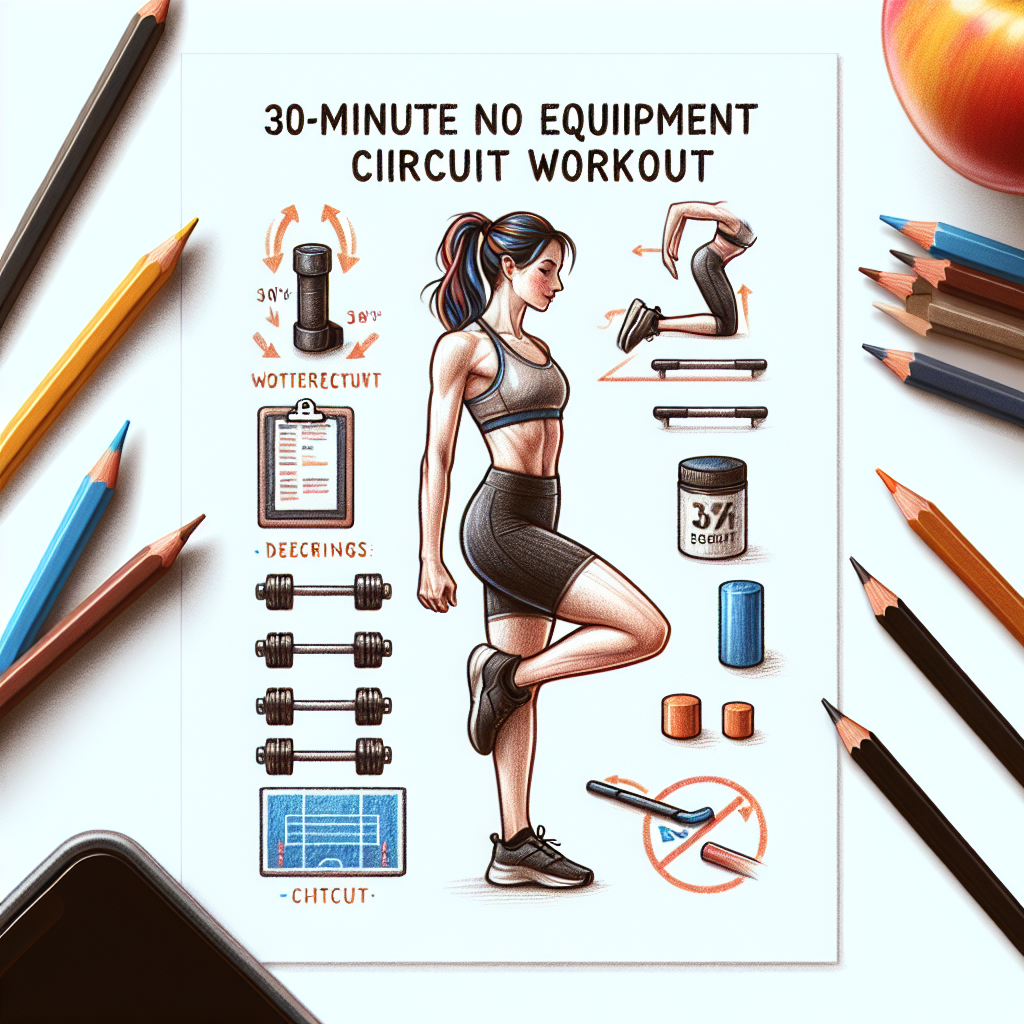
    30-Minute No-Equipment Circuit Workout Guide

    Engaging in regular physical activity has been shown to enhance overall health, improve mood, and boost energy levels. However, not everyone has access to a gym or the luxury of time, rendering the pursuit of fitness seemingly elusive. A 30-minute circuit workout can effectively address these challenges, requiring no equipment while delivering substantial results through a blend of cardiovascular training and strength building. This article will guide you through a practical 30-minute no-equipment workout routine, detailing its benefits and providing actionable steps to get started.

    • Benefits of Circuit Workouts
    • Effective No-Equipment Circuit Exercises
    • Practical Steps to Complete Your Workout
    • When to Consult a Professional
    • Common Misconceptions about Circuit Training
    • Frequently Asked Questions
    • Conclusion and Call to Action

    Benefits of Circuit Workouts

    Circuit workouts are highly efficient exercise routines that allow for minimal rest between exercises, thereby elevating the heart rate and maximizing calorie burn in a short period. The benefits of these workouts include:

    • Time Efficiency: Perfect for busy schedules, a 30-minute circuit can fit into any lifestyle.
    • No Equipment Required: With just your body weight, you can achieve a full-body workout anywhere.
    • Improved Cardiovascular Health: The intensity of these workouts boosts heart function and endurance.
    • Increased Muscle Strength: Engaging various muscle groups enhances strength and muscle tone.
    • Flexibility and Mobility: Certain exercises promote better flexibility, aiding overall agility.

    Effective No-Equipment Circuit Exercises

    The following exercises can be performed in a circuit format, with each exercise targeting different muscle groups while also providing cardiovascular benefits:

    • Jumping Jacks: A great warm-up that raises your heart rate.
    • Bodyweight Squats: Strengthens your legs and glutes.
    • Push-Ups: Targets the chest, shoulders, and triceps.
    • Burpees: A full-body exercise that combines strength and cardiovascular training.
    • Mountain Climbers: Improves agility while performing a high-intensity cardio move.
    • Plank: Engages core muscles and enhances stability.

    Practical Steps to Complete Your Workout

    Following is a structured approach to performing your 30-minute circuit workout:

    1. Warm-Up (5 minutes): Start with light exercises such as arm circles, leg swings, and side bends to prepare your body.
    2. Circuit (20 minutes): Complete the following circuit, performing each exercise for 40 seconds, followed by 20 seconds of rest. Repeat the entire circuit four times:
      • Jumping Jacks
      • Bodyweight Squats
      • Push-Ups
      • Burpees
      • Mountain Climbers
      • Plank
    3. Cool Down (5 minutes): Conclude with stretching exercises to reduce muscle soreness and enhance flexibility.

    When to Consult a Professional

    While circuit workouts are generally safe for most individuals, there are specific scenarios in which consulting a healthcare provider or fitness professional is advisable:

    • If you experience chest pain or shortness of breath during exercise.
    • If you have a pre-existing health condition that may affect your ability to exercise.
    • If you are unsure about performing certain exercises due to physical limitations or injuries.
    • If you are new to fitness and need guidance on safe practices.

    Common Misconceptions about Circuit Training

    There are several myths surrounding circuit training that can lead to misunderstanding its benefits and practices:

    • Myth 1: Circuit training is only for advanced athletes. Fact: It can be tailored for all fitness levels through variations in intensity.
    • Myth 2: You cannot build muscle with circuit training. Fact: While it may focus on endurance, muscle strength can be attained through consistent training.
    • Myth 3: You don’t need a cool-down. Fact: Cooling down is essential to prevent injury and promote recovery.
    • Myth 4: High-intensity workouts are only for weight loss. Fact: They also improve cardiovascular health and overall endurance.

    Frequently Asked Questions

    What are the benefits of circuit training?

    Circuit training provides a comprehensive workout that combines cardiovascular and strength elements, promoting weight loss, improved endurance, and increased muscle tone.

    How often should I perform circuit workouts?

    For optimal results, aim for 2-3 times weekly, allowing 48 hours of recovery between sessions for muscle repair.

    Can beginners do circuit training?

    Yes, circuit training can be modified to suit any fitness level. Beginners should start with lower intensity and gradually increase it as they gain confidence.

    What should I eat before a circuit workout?

    A light snack containing carbohydrates and protein, such as a banana with nut butter or yogurt, can provide necessary energy without causing discomfort.

    What if I have an injury?

    If you have an injury, consult a healthcare professional before engaging in circuit workouts to ensure safety and avoid exacerbating your condition.

    Is equipment necessary for circuit training?

    No, circuit training can be effectively performed using only body weight. However, you can incorporate light weights if desired and appropriate.

    Conclusion and Call to Action

    • Circuit workouts are efficient and effective, requiring minimal time with no equipment needed.
    • The suggested 30-minute routine targets various muscle groups while boosting cardiovascular health.
    • Consult a professional if you have existing health concerns or injuries before starting.
    • Common misconceptions about circuit training should be clarified to ensure proper practice.
    • Consistent performance of circuit workouts can lead to significant fitness improvements.

    Ready to take your first step towards a healthier lifestyle? Consider participating in a specialized exercise program that only requires six minutes a day, yet delivers results comparable to regular gym training. Register for free at 30-Day Exercise Program.

    Author: John Angel

    Related articles

    Categories
    Home Workouts

    30-Minute No-Equipment Home Workout for Busy Individuals

    30 Minute Workout at Home: No Equipment Needed

    In today’s fast-paced world, maintaining a regular workout regimen often feels like a daunting task. However, the good news is that you can achieve fitness results in the comfort of your home without any equipment in as little as 30 minutes. This article aims to provide you with an effective and efficient workout routine tailored for busy individuals, ensuring that you can build strength, improve cardiovascular health, and enhance flexibility—all within a manageable timeframe.

    • Introduction
    • Overview of the 30-Minute Home Workout
    • Benefits of Working Out at Home
    • Sample 30-Minute Workout Routine
    • When to Consider Professional Consultation
    • Common Myths and Mistakes in Home Workouts
    • Frequently Asked Questions
    • Conclusion

    Overview of the 30-Minute Home Workout

    A 30-minute workout at home is designed to maximize benefits while minimizing the time commitment involved. Such a routine typically includes a blend of cardiovascular exercises, strength training, and flexibility work, allowing participants to engage multiple muscle groups effectively. Importantly, this approach removes barriers like travel time to the gym and the need for specialized equipment.

    Benefits of Working Out at Home

    Engaging in a home workout has numerous advantages:

    • Convenience: Save time and effort by eliminating travel.
    • Cost-Effective: No membership fees or expensive equipment required.
    • Flexibility: Schedule workouts at your convenience.
    • Privacy: Workout in a comfortable and personalized environment.
    • Self-Paced: Progress at your own speed and adjust the intensity as needed.

    Sample 30-Minute Workout Routine

    Here is a practical and effective workout routine that requires no equipment. It is structured as follows:

    Warm-Up (5 minutes)

    • Jumping Jacks – 1 minute
    • Arm Circles – 1 minute
    • Leg Swings – 1 minute (30 seconds each leg)
    • Hip Circles – 1 minute
    • High Knees – 1 minute

    Main Workout (20 minutes)

    This portion consists of four sets of exercises performed in a circuit format. Aim for 45 seconds of work followed by 15 seconds of rest for each exercise. Repeat the entire circuit twice.

    • Bodyweight Squats
    • Push-Ups (modified if needed)
    • Lunges (alternating legs)
    • Plank (hold the position)
    • Mountain Climbers
    • Burpees
    • Side Plank (30 seconds each side)

    Cool Down (5 minutes)

    • Child’s Pose – 1 minute
    • Standing Quadriceps Stretch – 1 minute (30 seconds each leg)
    • Seated Forward Bend – 1 minute
    • Cat-Cow Stretch – 1 minute
    • Deep Breathing – 1 minute

    When to Consider Professional Consultation

    Even the most dedicated fitness enthusiasts should take care to listen to their bodies. You should consider consulting a qualified professional if you experience:

    • Persistent pain or discomfort during or after workouts.
    • Unexplained fatigue that doesn’t improve with rest.
    • Signs of overtraining, such as mood changes or decreased performance.
    • Medical conditions that could be aggravated by physical activity.

    Common Myths and Mistakes in Home Workouts

    When exercising at home, it is essential to dispel common myths and avoid frequent mistakes:

    • Myth: You need expensive equipment to be effective.
    • Mistake: Skipping warm-ups and cool-downs.
    • Myth: All home workouts lack intensity.
    • Mistake: Focusing only on one type of exercise, neglecting strength and flexibility.
    • li>Myth: You cannot achieve significant results without going to the gym.

    Frequently Asked Questions

    Can I really get fit with just a 30-minute workout?

    Yes, if performed consistently and with the right intensity, a 30-minute workout can yield significant fitness results.

    Do I need to workout every day?

    It is advisable to aim for a minimum of three to five sessions per week, allowing rest days for recovery.

    How can I stay motivated to exercise at home?

    Setting clear goals, tracking progress, and varying workouts can help maintain motivation.

    What if I have limited space at home?

    Many effective bodyweight exercises require minimal space, making them suitable for compact areas.

    Should I focus more on cardio or strength training?

    A balanced routine incorporates both cardio and strength training for overall fitness.

    Where can I find additional resources for home workouts?

    You can register for a free 30-day exercise program that features just 6 minutes of daily exercises, offering results akin to traditional gym workouts. Sign up here: 30-Day Exercise Program.

    Conclusion

    • A 30-minute no-equipment workout can be highly effective for maintaining fitness.
    • Prioritize warming up and cooling down to prevent injury.
    • Track your progress to stay motivated and see improvements.
    • Be mindful of when to consult a professional if challenges arise.
    • Dispelling myths can enhance your home workout experience.

    Transform your fitness journey today by incorporating this simple yet effective routine into your daily schedule. With consistency and dedication, you can achieve your fitness goals at home. Remember, every small step counts towards a healthier you!

    Author: John Angel

    Related articles

    Categories
    Fitness

    Benefits of a Daily 30-Minute Workout Routine

    Unlocking the Power of a 30-Minute Daily Workout

    In a world where time seems to slip away from us, the idea of committing to a lengthy workout routine can feel overwhelming. However, dedicating just 30 minutes a day to exercise can be transformative, especially for those on a weight loss journey. This manageable commitment can yield significant physical and mental benefits, boosting overall well-being and fostering a healthier lifestyle. In this article, we will explore the magic of shorter workouts, practical tips for incorporating them into your daily routine, and how the SixPack workout program can facilitate this journey.

    • Understanding the Benefits of 30-Minute Workouts
    • Creating Your Daily Workout Routine
    • Maximizing Efficiency with Short Workouts
    • When to Consult a Professional
    • Common Myths About Short Workouts
    • Frequently Asked Questions
    • Conclusion

    Understanding the Benefits of 30-Minute Workouts

    The notion that one must spend hours in the gym to achieve fitness goals is a misconception. Short, intense workouts can be just as effective, if not more so, than lengthy sessions. Here are some benefits of dedicating 30 minutes each day to exercise:

    • Time Convenience: With just 30 minutes, even the busiest individual can squeeze in a workout.
    • Improved Mental Health: Exercise releases endorphins that can significantly improve mood and reduce stress.
    • Boosted Metabolism: Short bursts of high-intensity exercise can elevate metabolic rates, promoting weight loss.
    • Increased Energy: Regular exercise can enhance overall energy levels, making daily tasks feel easier.
    • Enhanced Physical Fitness: Consistent short workouts can improve cardiovascular health and muscle strength.

    Creating Your Daily Workout Routine

    Developing a structured workout routine will ensure you maximize the benefits of your 30-minute exercise sessions. Here’s a simple guide to structuring an effective daily workout:

    1. Warm-Up (5 minutes): Begin with dynamic stretches or light cardio to prepare your body for exercise.
    2. Core Workout (10 minutes): Incorporate exercises like planks, crunches, and leg raises to strengthen your core.
    3. High-Intensity Interval Training (15 minutes): Alternate between 30 seconds of intense exercise (like jumping jacks or burpees) and 30 seconds of rest.
    4. Cool Down (5 minutes): End with gentle stretches to relax your muscles and improve flexibility.

    Maximizing Efficiency with Short Workouts

    Engaging in short workouts does not mean sacrificing intensity. In fact, they can often be more efficient. Here are strategies to make the most of your 30 minutes:

    • Focus on Compound Exercises: Choose movements that work multiple muscle groups (e.g., squats, push-ups, and deadlifts).
    • Limit Rest Time: Keep breaks short to maintain an elevated heart rate and optimize calorie burn.
    • Utilize Body Weight: Many effective exercises require no equipment, making them easy to perform at home.
    • Track Your Progress: Use apps or journals to monitor improvements and stay motivated.

    When to Consult a Professional

    Although 30-minute workouts are beneficial for many, there are instances where consulting a professional may be necessary:

    • If you experience chronic pain or discomfort during exercises.
    • If you have pre-existing medical conditions that may be aggravated by exercise.
    • If you are uncertain about how to perform specific exercises safely.
    • If you require tailored advice to meet specific fitness goals.

    Common Myths About Short Workouts

    Despite the effectiveness of short workouts, several misconceptions still prevail:

    • Myth: You Need to Work Out for at Least an Hour to Make a Difference. Reality: Even 30 minutes of focused exercise can lead to significant health benefits.
    • Myth: Short Workouts Are Not Efficient for Weight Loss. Reality: High-intensity short workouts can effectively support weight loss by increasing metabolism.
    • Myth: You Can’t Build Muscle in 30 Minutes. Reality: Properly structured short workouts can promote muscle hypertrophy.

    Frequently Asked Questions

    What types of exercises can I include in a 30-minute workout?

    You can include a mix of cardio, strength training, and flexibility exercises, such as running, body-weight exercises, and yoga.

    How many days a week should I work out for best results?

    Most fitness guidelines recommend 3 to 5 sessions per week for optimal health benefits.

    Can I lose weight with just 30 minutes of exercise a day?

    Yes, combined with a balanced diet, 30 minutes of daily exercise can significantly support weight loss.

    Is it better to work out in the morning or evening?

    It depends on your personal preference and schedule; the best time to work out is when you can be consistent.

    Do I need any special equipment for a 30-minute workout?

    No, many effective workouts can be conducted with just your body weight or minimal equipment like dumbbells.

    How can I stay motivated to work out daily?

    Set clear goals, track your progress, and find an activity you enjoy to make exercising something to look forward to.

    Conclusion

    • A 30-minute workout is a time-efficient way to improve physical fitness.
    • Consistency is key; even short workouts can yield substantial health benefits.
    • Incorporating diverse exercises will keep your routine engaging and effective.
    • Be aware of when to seek professional guidance, especially if facing challenges.
    • Combat misconceptions about short workouts to leverage their full potential in your weight loss journey.

    Ready to embark on an effective 30-day workout program? Experience the transformative effects of structured, short workouts by registering for the SixPack workout program for free today.

    Author: John Angel

    Related articles

    Categories
    Fitness

    Effective 30-Minute Fat Loss Workout for Busy Schedules

    Embarking on a weight loss journey can often feel overwhelming, but integrating an effective and time-efficient workout into your daily routine can make a significant difference. This article introduces a 30-minute workout specifically designed for fat loss, emphasizing that effective exercise doesn’t always require an extensive time commitment. By leveraging structured short workouts, you can maintain both motivation and momentum towards achieving your fitness goals.

    • Understanding Short Workouts
    • Benefits of 30-Minute Workouts
    • Sample 30-Minute Fat Loss Workout
    • Myths about Short Workouts
    • When to Consult a Professional
    • FAQs
    • Conclusion

    Understanding Short Workouts

    The concept of a six-minute workout might sound too good to be true, but the magic lies not just in the duration but in the intensity. Short bursts of high-intensity exercises significantly increase heart rate, boost metabolism, and maximize fat burning. These efforts can particularly benefit those with busy schedules, allowing the integration of fitness into daily life without sacrificing substantial time.

    Benefits of 30-Minute Workouts

    Engaging in a 30-minute workout can lead to numerous benefits, including:

    • Time Efficiency: Suitable for those with a packed lifestyle, these workouts fit easily into daily routines.
    • Improved Cardiorespiratory Fitness: Short, intense workouts enhance heart and lung capacity.
    • Enhanced Metabolic Rate: Boosts metabolism for hours post-exercise, leading to increased calorie burn.
    • Convenience: Can be performed at home or in any available space with minimal equipment.
    • Consistency: Easier to incorporate into a daily schedule, leading to better long-term adherence to fitness programs.

    Sample 30-Minute Fat Loss Workout

    Below is a simple yet effective 30-minute fat loss workout that can be executed at home, requiring little equipment—just your body weight and perhaps a set of dumbbells.

    1. Warm-Up (5 minutes):
      • Jumping Jacks – 2 minutes
      • Dynamic stretches (arm circles, leg swings, etc.) – 3 minutes
    2. Workout Routine (20 minutes):
      • High Knees – 1 minute
      • Rest – 15 seconds
      • Bodyweight Squats – 1 minute
      • Rest – 15 seconds
      • Push-Ups – 1 minute
      • Rest – 15 seconds
      • Burpees – 1 minute
      • Rest – 15 seconds
      • Plank – 1 minute

      Repeat this circuit four times.

    3. Cool Down (5 minutes):
      • Gentle stretching focusing on major muscle groups.

    When to Consult a Professional

    While short workouts are generally safe and effective for many individuals, certain situations warrant a consultation with a qualified fitness professional or healthcare provider. These include:

    • Existing health conditions (e.g., cardiovascular disease, diabetes).
    • Injuries or chronic pain that could be exacerbated by exercise.
    • Any unusual changes in heart rate or breathing during workouts.
    • Lack of progress despite consistent efforts.
    • Seeking personalized guidance or training protocols.

    Myths about Short Workouts

    Common myths surrounding short workouts often discourage individuals from embracing them. Here are some misconceptions clarified:

    • Myth: Short workouts aren’t effective for weight loss.
    • Fact: High-intensity intervals can be more effective than longer, moderate workouts.
    • Myth: You need extensive equipment for efficient fat loss.
    • Fact: Bodyweight exercises are powerful tools for fat loss.
    • Myth: Short workouts are only for beginners.
    • Fact: Individuals at any fitness level can benefit from short, intense workouts.

    FAQs

    How often should I do a 30-minute workout?

    For optimal results, aim for at least 3-5 times a week, mixing different exercises to avoid adaptation.

    Can I lose weight with only 30-minute workouts?

    Yes, when combined with a balanced diet, 30-minute high-intensity workouts can effectively aid in weight loss.

    Do I need any equipment for this workout?

    No, bodyweight exercises can be performed without equipment. However, incorporating dumbbells can enhance effectiveness.

    Is it safe to perform high-intensity workouts daily?

    While many can handle daily high-intensity workouts, it is advisable to include rest days and vary workout intensity.

    What if I can’t complete the full 30 minutes?

    Begin with what you can manage and gradually increase duration and intensity as your fitness improves.

    Can I modify exercises to fit my fitness level?

    Absolutely. Modify exercises based on your ability, such as doing knee push-ups instead of standard push-ups.

    Conclusion

    • Integrating 30-minute workouts into your daily routine is a feasible way to accelerate your weight loss journey.
    • Short, intense workouts can enhance cardiovascular fitness and boost metabolism.
    • You can effectively perform these workouts at home with minimal equipment.
    • Understanding myths can empower you to adopt these practices confidently.
    • Consult a professional if you have any health concerns or need personalized guidance.

    To experience the magic of structured short workouts and start your journey towards effective fat loss, register for the SixPack workout program for 30 days for free here.

    Author: John Angel

    Related articles

    Categories
    Fitness

    30-Minute Workouts for Effective Weight Loss

    Embarking on a weight loss journey can often feel overwhelming, especially when time is limited. However, incorporating a focused 30-minute workout into your daily routine can yield significant results. This article explores the transformative magic of short, intensive workouts that can easily fit into your day, enhancing not only your physical fitness but also your overall well-being.

    • The Science Behind Short Workouts
    • Benefits of 30-Minute Workouts
    • Effective Exercises for Weight Loss
    • Establishing a Routine
    • Consult a Professional When…
    • Common Myths About Workouts
    • Frequently Asked Questions

    The Science Behind Short Workouts

    Research has shown that shorter, high-intensity workouts can be just as effective as longer sessions for weight loss and overall fitness. This is often attributed to the concept of excess post-exercise oxygen consumption (EPOC), where your body continues to burn calories even after the workout has concluded. By engaging multiple muscle groups in a concise timeframe, you can maximize calorie expenditure and muscle engagement.

    Benefits of 30-Minute Workouts

    Short workouts offer a plethora of benefits that can significantly impact your weight loss journey:

    • Time Efficiency: A mere 30 minutes can easily be accommodated into a busy schedule.
    • Boosts Mood: Endorphins released during workouts can enhance your overall mood, making it easier to stick to your goals.
    • Flexibility: Short workouts can be done anywhere—at home, in the office, or even outdoors.
    • Variety: The flexibility of short sessions allows for a wide range of exercises to keep boredom at bay.
    • Accessibility: Minimal equipment is needed, making it easier to get started.

    Effective Exercises for Weight Loss

    Here are some powerful exercises that can be incorporated into a 30-minute workout:

    • High-Intensity Interval Training (HIIT): Alternating between high and low-intensity exercises promotes effective calorie burning.
    • Bodyweight Exercises: Movements like push-ups, squats, and lunges are highly effective for building strength and endurance.
    • Circuit Training: Incorporating a combination of cardio and strength exercises can maximize your efficiency.
    • Core Strengthening: Exercises like planks and Russian twists improve core stability, contributing to overall fitness.
    • Jump Rope: A simple yet effective way to elevate heart rate and enhance coordination.

    Establishing a Routine

    Integrating a 30-minute workout into your daily schedule requires some planning. Here are tips to help you establish consistency:

    1. Set Specific Goals: Define what you want to achieve, whether it’s weight loss, improved strength, or increased endurance.
    2. Choose Your Time: Find a time that works best for you, whether in the morning, during lunch, or before bed.
    3. Stay Accountable: Partner with a friend or join a program like the SixPack workout program to keep you motivated.
    4. Track Your Progress: Regularly assess your advancements, both in terms of weight lost and fitness improvements.
    5. Be Flexible: Life can be unpredictable; adaptability is essential to stay on track.

    Consult a Professional When…

    While many can safely engage in 30-minute workouts, there are situations where professional consultation is warranted:

    • Persistent pain during exercise that does not improve with rest.
    • Pre-existing medical conditions that may affect physical activity.
    • Unexplained weight loss or gain.
    • Pregnancy or recent childbirth.
    • Significant changes in energy levels or mood.
    • Desire for personalized workout plans or nutrition guidance.

    Common Myths About Workouts

    Misconceptions about workouts can derail your progress. Here are a few common myths:

    • Myth 1: You must work out for at least an hour to see results.
    • Myth 2: Only cardio helps with weight loss.
    • Myth 3: Lifting weights will make women bulky.
    • Myth 4: Morning workouts are the best for weight loss.
    • Myth 5: If you’re not sweating, you’re not working hard enough.

    Frequently Asked Questions

    How often should I do a 30-minute workout?

    Aim for at least three to five times a week, depending on your fitness level and goals.

    Can I lose weight with just 30-minute workouts?

    Yes, when combined with a balanced diet, consistent 30-minute workouts can effectively aid in weight loss.

    Do I need special equipment for these workouts?

    Not necessarily; many effective exercises require no equipment at all, though some may benefit from basic gear like dumbbells or resistance bands.

    Is it safe for beginners to start with 30-minute workouts?

    Absolutely! Tailor the intensity to your fitness level and gradually increase as you build endurance.

    Can I do these workouts at home?

    Yes, short workouts can be easily performed at home with little to no equipment needed.

    What should I eat before and after my workouts?

    A light snack with carbs and protein beforehand, and a balanced meal afterwards, can aid in recovery and performance.

    Conclusion

    • Short, high-intensity workouts can significantly aid in weight loss.
    • Efficient exercise routines save time while effectively burning calories.
    • Establishing a consistent workout schedule is crucial for sustained progress.
    • Consulting a professional is wise when experiencing health concerns.
    • Dispelling common workout myths can keep you on track with your fitness goals.

    Embarking on a weight loss journey doesn’t have to be daunting. With the right approach and commitment, even a 30-minute workout can be transformative. To kickstart your journey, consider signing up for the SixPack workout program for 30 days free and experience the magic of effective home workouts.

    Author: John Angel

    Related articles

    Categories
    Fitness

    Effective 30-Minute Workouts for Weight Loss Success

    30 Minute Workout to Lose Weight: A Comprehensive Guide

    Embarking on a weight loss journey often calls for dedication and perseverance, but it does not need to consume your entire day. A well-structured 30-minute workout can effectively support your fitness goals, making it a practical option for those with busy schedules. This article explores the compelling benefits of short workouts, outlines an effective routine to implement, and addresses when to consult a professional on your fitness path.

    • Understanding the Importance of Short Workouts
    • Designing Your 30-Minute Routine
    • Key Benefits of Home Workouts
    • When to Consult a Professional
    • Common Misconceptions About Weight Loss
    • Frequently Asked Questions
    • Conclusion and Next Steps

    Understanding the Importance of Short Workouts

    The magic of 30-minute workouts lies in their ability to fit seamlessly into all lifestyles. These compact sessions not only save time but also deliver an efficient calorie burn. Engaging in rigorous exercise within a predetermined timeframe helps maximize effort, discipline, and motivation, which are crucial elements on your weight loss journey. Furthermore, the short duration tends to be less intimidating, allowing individuals to maintain consistency and gradually build up their fitness levels.

    Designing Your 30-Minute Routine

    The following is a balanced 30-minute workout routine designed to facilitate weight loss. This should incorporate cardiovascular exercises, strength training, and flexibility work.

    1. Warm-up (5 minutes): Begin with dynamic stretches, such as arm circles, leg swings, and gentle torso twists to prepare your body.
    2. Cardio (10 minutes): Engage in high-intensity activities like jumping jacks, burpees, or a brisk run in place. Aim to maintain a steady, elevated heart rate.
    3. Strength Training (10 minutes): Focus on body-weight exercises such as push-ups, squats, and lunges. Three sets of 10-15 repetitions work effectively.
    4. Core Work (5 minutes): Integrate core-strengthening exercises like planks and Russian twists to fortify this crucial area.

    To enhance your results, consider participating in the SixPack workout program for 30 days free, where you can access tailored guidance and track your progress effectively.

    Key Benefits of Home Workouts

    Short workouts at home present multiple advantages:

    • Convenience: Eliminate the need for gym commutes and time constraints, allowing you to exercise whenever fits your schedule best.
    • Cost-effective: Save money on gym memberships while still achieving significant results from your home.
    • Flexibility: Adapt workout types and schedules according to your specific preferences and daily commitments.
    • Focus on Form: Practice at your pace, which allows for enhanced form and technique during your routine.

    When to Consult a Professional

    While many individuals can enjoy working out at home, certain circumstances may warrant consulting a qualified professional. Seek guidance when:

    • You experience pain during workouts that limits your ability to perform exercises.
    • Health conditions may affect your exercise capacity, such as heart disease or diabetes.
    • You feel uncertain about your workout technique, leading to potential injury.
    • You are unable to lose weight despite consistent effort.

    Common Misconceptions About Weight Loss

    Myths about exercise and weight loss can mislead individuals on their fitness journeys:

    • Myth 1: More exercise always equates to more weight loss. In reality, overtraining can lead to fatigue and injuries.
    • Myth 2: You must spend hours at the gym to see results. Consistent, shorter workouts can be just as effective.
    • Myth 3: Weight loss should be fast. Sustainable progress is best achieved through gradual changes.
    • Myth 4: Cardio is the only way to lose weight. Incorporating strength training is equally important.

    Frequently Asked Questions

    What is the best time of day to work out?

    The optimal time varies by individual; find a time that fits your schedule and allows for commitment.

    Can a 30-minute workout really help with weight loss?

    Yes, when structured effectively, a 30-minute workout can significantly aid in weight loss.

    How many days a week should I work out?

    Aim for at least 3-5 days of exercise per week, balancing cardio and strength training.

    Do I need specific equipment for home workouts?

    No, many effective exercises utilize body weight, making them accessible without equipment.

    Can I lose weight without changing my diet?

    While exercise is beneficial, weight loss is more effective when combined with dietary changes.

    What if I miss a workout?

    Don’t be discouraged; simply resume your routine as soon as possible and stay consistent.

    Conclusion

    • 30-minute workouts can effectively support weight loss efforts.
    • Short routines fit easily into busy schedules, promoting consistency.
    • Balance your routine with cardio, strength training, and flexibility exercises.
    • Seek professional guidance should health concerns arise.
    • Dispelling myths can keep you motivated and focused on genuine progress.

    Incorporate a 30-minute workout into your daily life and witness the positive changes they can foster. For a structured workout approach, consider joining our SixPack workout program for 30 days free and take a significant step towards fulfilling your weight loss journey.

    Author: John Angel

    Related articles

    Categories
    Fitness

    Transform Your Fitness: Effective 30-Minute Workouts Explained

    In today’s fast-paced world, finding the time to commit to an extensive workout routine can be challenging. However, a highly effective 30-minute workout can be a transformative practice, particularly for those on their weight loss journey. Short, high-intensity workouts not only maximize physical benefits but also promote mental well-being, making them ideal for busy individuals.

    • Understanding the 30-Minute Workout
    • How Short Workouts Contribute to Weight Loss
    • Benefits of a 30-Minute Daily Routine
    • Steps to Design Your 30-Minute Workout
    • Consulting a Professional: When to Seek Help
    • Common Misconceptions About Short Workouts
    • Frequently Asked Questions
    • Conclusion

    Understanding the 30-Minute Workout

    A 30-minute workout typically involves a structured approach to exercise, combining cardiovascular, strength, and flexibility exercises packed into a short time frame. This method is not merely about time constraints but also about optimizing energy expenditure and achieving significant results in a minimal amount of time.

    How Short Workouts Contribute to Weight Loss

    Short workouts can be particularly potent for weight loss. Research indicates that high-intensity interval training (HIIT) increases caloric burn even after the workout has finished, due to a phenomenon known as excess post-exercise oxygen consumption (EPOC). By engaging multiple muscle groups, these workouts enhance metabolic rate and can lead to more efficient fat loss.

    Benefits of a 30-Minute Daily Routine

    Incorporating a 30-minute workout into your daily routine offers several invaluable benefits:

    • Time-Efficient: Fits well into busy schedules without compromising on effectiveness.
    • Mental Clarity: Enhances focus and reduces stress, leading to improved cognitive function.
    • Consistency: Easier to maintain, fostering a habit that promotes longer-term fitness goals.
    • Flexibility: Can be performed at home with minimal equipment, making it accessible.
    • Versatility: Allows for varied exercises, preventing monotony and keeping motivation high.

    Steps to Design Your 30-Minute Workout

    Creating an effective 30-minute workout requires structuring your time wisely. Here’s how to get started:

    1. Set Clear Goals: Determine whether you aim for weight loss, muscle gain, or improving endurance.
    2. Warm-Up (5 minutes): Begin with dynamic stretches or light cardio to prepare your body.
    3. High-Intensity Interval Training (20 minutes): Alternate between intense bursts of activity and short rest periods. For example, 40 seconds of jumping jacks followed by 20 seconds of rest.
    4. Cool Down (5 minutes): Conclude with static stretches to aid recovery and flexibility.
    5. Consider Moderation: Reflect on your fitness level and adjust intensity as needed.

    Ready to transform your fitness routine? Register for the SixPack workout program for 30 days free and discover the magic of short workouts at home.

    Consulting a Professional: When to Seek Help

    While short workouts can be immensely beneficial, certain situations warrant consulting a qualified professional. If you experience any of the following, it may be wise to seek help:

    • Persistent pain or injuries that do not improve with rest.
    • Underlying health conditions, such as heart disease or diabetes.
    • Uncertainties regarding the appropriateness of the workout intensity.
    • Desire for a tailored program that considers personal fitness levels and goals.

    Common Misconceptions About Short Workouts

    Despite their growing popularity, several misconceptions about short workouts persist:

    • Myth 1: Short workouts are ineffective. Reality: When designed properly, they can match or exceed the results of longer sessions.
    • Myth 2: You must be fit to start. Reality: Short workouts can be adapted for any fitness level.
    • Myth 3: Habits cannot be formed with short sessions. Reality: Consistency in short workouts can lead to significant lifestyle changes.
    • Myth 4: You need a gym. Reality: Many effective workouts can be completed at home.

    Frequently Asked Questions

    1. Can I lose weight with just 30-minute workouts?

    Yes, 30-minute workouts can be effective for weight loss, especially when combined with a balanced diet.

    2. How often should I do 30-minute workouts?

    To achieve optimal results, aim for at least three to five times a week.

    3. What equipment do I need for a 30-minute workout?

    Minimal equipment is needed; you can use body weight or basic items like weights or resistance bands.

    4. Can beginners perform 30-minute workouts?

    Absolutely, beginners can start with lower intensity and gradually increase as they become more comfortable.

    5. What types of exercises can I include?

    Incorporate cardiovascular exercises, strength training, and flexibility movements for a balanced workout.

    6. How do I stay motivated to work out regularly?

    Setting achievable goals, tracking progress, and mixing exercises can help maintain motivation.

    Conclusion

    • 30-minute workouts offer a time-efficient way to achieve fitness goals.
    • Short workouts can be significantly effective for weight loss.
    • The benefits extend beyond physical changes to enhance mental well-being.
    • Customizing your workout plan is essential for optimal results.
    • Consult professionals when unsure about your workout routine or if you experience health issues.

    Embrace the power of a 30-minute workout, and unlock your potential. For a structured program tailored for success, register for the SixPack workout program for 30 days free and transform your fitness journey today.

    Author: John Angel

    Related articles

    Website analytics information

    We use Google Analytics 4 for visitor statistics. Analytics cookies require your consent, which you can change using the button above. The data controller is ZDRAVÍ S ÚSMĚVEM s.r.o., company ID 29283329, contact podpora@revolucnicviceni.cz. Google processes browser, device and page visit information. We do not send form field values to Analytics. How Google uses information · Google Privacy Policy.