
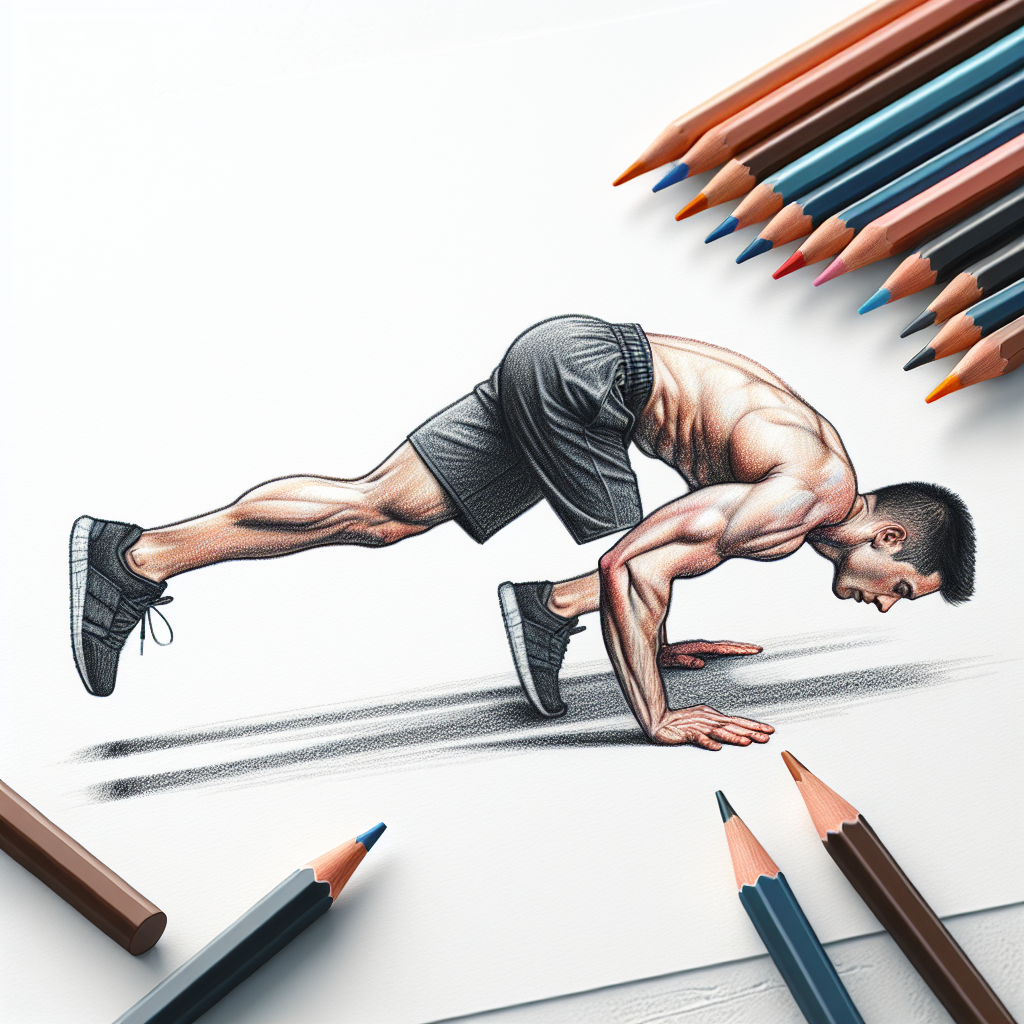
Calisthenics No Equipment Workout: Achieving Fitness with Your Own Body Weight
Calisthenics, a form of exercise that utilizes body weight, has gained significant popularity for its accessibility and efficacy. A no equipment workout allows individuals to enhance strength, flexibility, and endurance without the need for a gym or specialized apparatus. This article will provide insights into how you can effectively engage in calisthenics, the benefits associated with it, and an opportunity to explore a 30-day exercise program that allows you to achieve impressive results with just six minutes of daily commitment.
- What is Calisthenics?
- Benefits of No Equipment Workouts
- Basic Calisthenics Exercises
- Creating Your Calisthenics Routine
- When to Consult a Professional
- Myths and Misconceptions
- FAQ
- Conclusion
What is Calisthenics?
Calisthenics is a form of exercise that emphasizes physical fitness through various movements using one’s body weight. It typically includes a range of functional movements, such as push-ups, pull-ups, squats, and lunges, allowing individuals to improve their strength, flexibility, and overall health. The primary appeal of calisthenics lies in its simplicity and versatility, making it accessible for people at different fitness levels.
Benefits of No Equipment Workouts
The advantages of performing calisthenics without equipment are numerous, including:
- Accessibility: No gym membership or equipment investment needed.
- Convenience: Workouts can be performed anywhere, whether at home, outdoors, or while traveling.
- Variety: A wide range of exercises can be performed, preventing monotony and fostering engagement.
- Functional Strength: Movements are often compound, engaging multiple muscle groups and improving overall functional strength.
- Improved Body Awareness: Focus on body control and movement can enhance proprioception and coordination.
Basic Calisthenics Exercises
When starting with calisthenics, it is essential to familiarize yourself with a foundation of exercises:
- Push-Ups: Engages the chest, shoulders, and triceps.
- Squats: Targets the legs and glutes.
- Lunges: Improves balance and strength in the lower body.
- Plank: Engages the core, promoting stability and strength.
- Burpees: A total-body exercise that enhances cardiovascular endurance and strength.
- Mountain Climbers: Increases core strength and cardiovascular fitness.
Creating Your Calisthenics Routine
Developing an effective calisthenics routine involves a few straightforward steps. To form a balanced workout plan, consider the following:
- Select Exercises: Choose a mix of upper body, lower body, and core exercises.
- Define Sets and Repetitions: Aim for 2-3 sets of 8-15 repetitions for each exercise.
- Include Rest Intervals: Allow 30-60 seconds of rest between sets to facilitate recovery.
- Schedule Workouts: Plan to exercise at least 3-5 times per week for optimal results.
- Progress Gradually: Increase the intensity or difficulty of exercises as you build strength.
To enhance your journey further, consider registering for a free 30-day exercise program where you can exercise just six minutes daily yet achieve results akin to frequent gym workouts. Explore this opportunity at free registration here.
When to Consult a Professional
Despite the numerous benefits of calisthenics, there are instances where consulting a healthcare professional or fitness expert is advisable:
- Persistent Pain: If you experience pain that persists or worsens during or after your workout.
- Pre-existing Conditions: Consultation is essential if you have underlying health issues that may affect your ability to exercise safely.
- Post-Rehabilitation: After an injury, seeking guidance on suitable exercises for recovery can be beneficial.
- Uncertainty: If you are unsure about proper form or technique for specific exercises.
Myths and Misconceptions about Calisthenics
As with any fitness trend, numerous myths surround calisthenics. Here are a few common misconceptions:
- Myth 1: You cannot build significant muscle with calisthenics.
- Myth 2: Calisthenics is only for beginners.
- Myth 3: You can’t achieve cardiovascular fitness with body-weight exercises.
- Myth 4: Only weightlifting can lead to fat loss.
In reality, calisthenics can lead to substantial muscle gain and improved cardiovascular health if performed correctly and consistently.
FAQ
What is calisthenics?
Calisthenics refers to a form of exercise that uses body weight for resistance to improve strength, flexibility, and endurance.
Do I need any equipment for calisthenics?
No, calisthenics primarily relies on your body’s weight, so no equipment is necessary.
Is calisthenics suitable for beginners?
Yes, calisthenics can be easily adapted for all fitness levels, making it great for beginners and advanced individuals alike.
How often should I practice calisthenics?
Aiming for 3-5 times per week is ideal for building strength and endurance.
Can I get fit with calisthenics alone?
Yes, with consistent practice, calisthenics can significantly improve strength, endurance, and flexibility.
How long should a calisthenics workout last?
Calisthenics workouts can be as short as 15-30 minutes, making them convenient while still effective.
Conclusion
- Calisthenics offers an effective no equipment workout option for improving fitness.
- Accessibility and versatility make calisthenics suitable for individuals at various fitness levels.
- Understanding and incorporating basic exercises is essential for a balanced workout routine.
- Seek professional guidance when experiencing persistent pain or having pre-existing conditions.
- Dispelling myths surrounding calisthenics can empower individuals to embrace this effective exercise form.
Begin your journey towards improved fitness by exploring the world of calisthenics today. Don’t forget to visit this link for a free 30-day exercise program that requires only six minutes daily for remarkable results!
Author: John Angel