
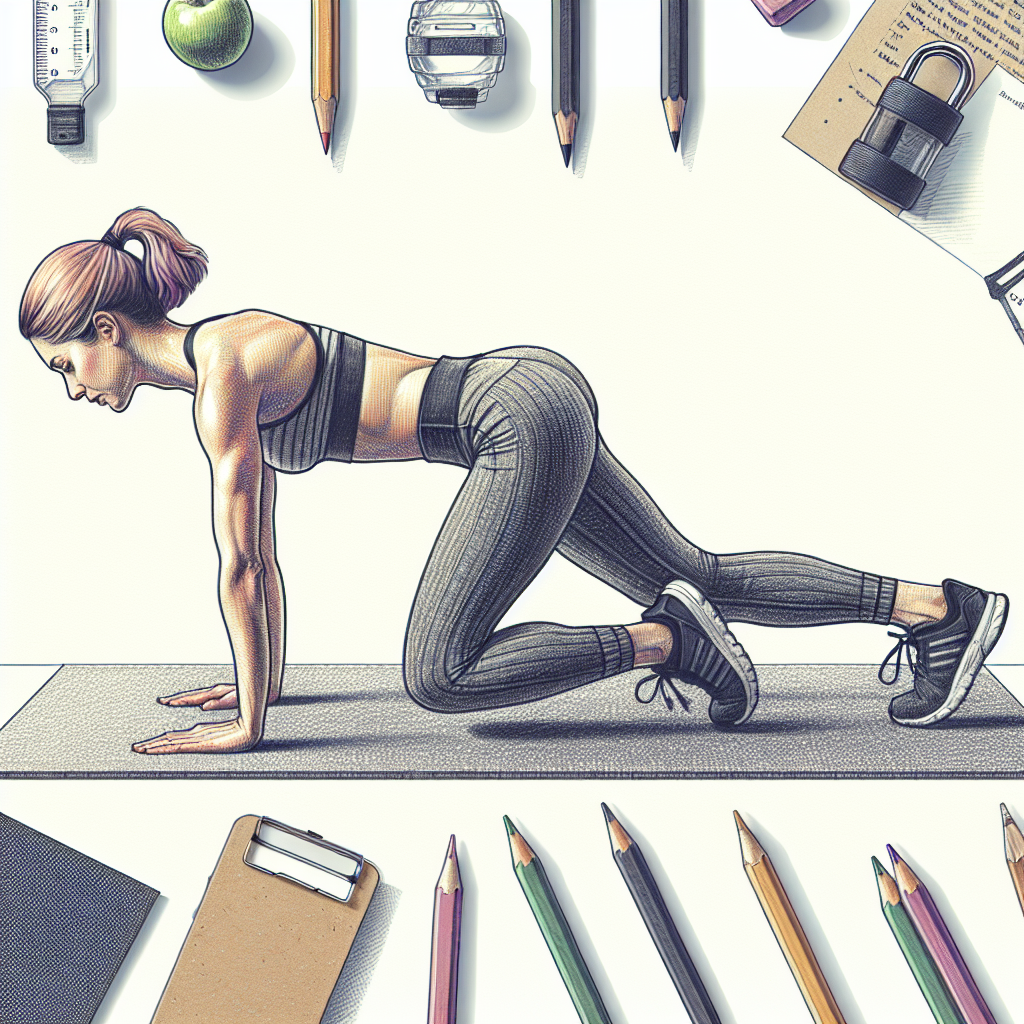
In today’s fast-paced world, getting fit without the need for weights has become an increasingly sought-after approach to health and wellness. This method not only reduces the barriers to entry for exercise, such as gym memberships and equipment costs, but it also emphasizes bodyweight exercises that can be done anywhere. Engaging in a daily routine of as little as six minutes can yield impressive results, comparable to traditional workout regimens, making it an accessible option for everyone. For those seeking a structured plan to start their journey, consider exploring a free registration for a 30-day exercise program that focuses on just six minutes of daily effort: Register here.
- Understanding Bodyweight Exercises
- Benefits of No-Equipment Workouts
- Practical Bodyweight Exercises
- Common Myths and Misconceptions
- When to Consult a Professional
- Frequently Asked Questions
- Conclusion
Understanding Bodyweight Exercises
Bodyweight exercises utilize the weight of your own body to create resistance against gravity. These exercises include a wide variety of movements such as push-ups, squats, planks, and lunges. Unlike traditional weight lifting, bodyweight training provides a comprehensive regimen that not only builds strength but also enhances flexibility, balance, and core stability. Due to their adaptability, these exercises can be tailored to suit various fitness levels, from beginners to advanced athletes.
Benefits of No-Equipment Workouts
Opting for bodyweight workouts comes with a plethora of advantages:
- Accessibility: You can perform these exercises anywhere—at home, in a park, or while traveling.
- Cost-effective: No need for expensive gym memberships or equipment purchases.
- Community-centered: You can work out with friends or family without the intimidation of a gym environment.
- Time-efficient: Short, intense workouts can fit into even the busiest schedules.
- Progress tracking: It’s easy to see improvement over time through increased repetitions or shorter rest periods.
Practical Bodyweight Exercises
Engaging in a structured routine that incorporates bodyweight exercises can lead to significant improvements in fitness levels. Here’s a practical guideline for a six-minute workout:
- Warm-up (1 minute): Jumping jacks or high knees to elevate heart rate.
- Push-ups (1 minute): Aim for three sets of 10-15 reps or as many as possible within a minute.
- Squats (1 minute): Perform deep squats, ensuring correct form for maximum effectiveness.
- Plank (1 minute): Hold a plank position, focusing on maintaining a straight line from head to heels.
- Lunges (1 minute): Alternate legs, completing as many repetitions as possible.
- Cool down (1 minute): Stretch major muscle groups to aid recovery.
Common Myths and Misconceptions
Despite the effectiveness of bodyweight training, misconceptions still abound:
- Myth 1: Bodyweight exercises are only for beginners. Truth: Individuals at all fitness levels can benefit from bodyweight workouts tailored to their specific goals.
- Myth 2: They are less effective than weight training. Truth: When performed with proper intensity and variety, bodyweight workouts can provide similar strength and conditioning benefits.
- Myth 3: You cannot build muscle without weights. Truth: Progressively increasing the difficulty of bodyweight exercises can lead to muscle hypertrophy.
When to Consult a Professional
While bodyweight training can be beneficial for most, certain situations warrant professional guidance:
- Experiencing ongoing pain or discomfort during exercise.
- Seeking a personalized program tailored to specific health conditions or fitness goals.
- Rehabilitation from an injury where specialized exercises are necessary.
- Struggling with motivation or adherence to a routine.
Frequently Asked Questions
Can I build muscle using only bodyweight exercises?
Yes, by increasing the difficulty and intensity, one can effectively build muscle using bodyweight exercises.
How often should I perform these exercises?
For best results, aim for at least three to four sessions per week, allowing for rest and recovery.
Are bodyweight exercises suitable for all ages?
Yes, bodyweight exercises can be adapted for all ages and fitness levels, making them universally beneficial.
How long does it take to see results?
Results can vary based on individual effort and consistency, but noticeable improvements can often be seen within a few weeks.
Do I need a warm-up before starting?
Yes, a warm-up is crucial to prepare your body, reduce injury risk, and improve performance.
What can I do if I find bodyweight exercises too easy?
To increase difficulty, try adding variations, increasing the number of repetitions, or reducing rest periods between sets.
Conclusion
- Bodyweight exercises are a flexible and effective way to enhance fitness without the need for weights.
- They are accessible and cost-effective, requiring no special equipment or gym memberships.
- Implementing a short daily routine can lead to significant fitness improvements.
- Common myths about bodyweight training can often undermine its effectiveness; understanding the truth can help you achieve better results.
- Professional guidance can be invaluable in certain situations, ensuring a safe and effective fitness journey.
As you embark on your fitness journey using bodyweight exercises, consider exploring a structured program to maximize your results in a minimal amount of time. For a free registration to a 30-day exercise challenge that commits just 6 minutes a day, click here.
Author: John Angel