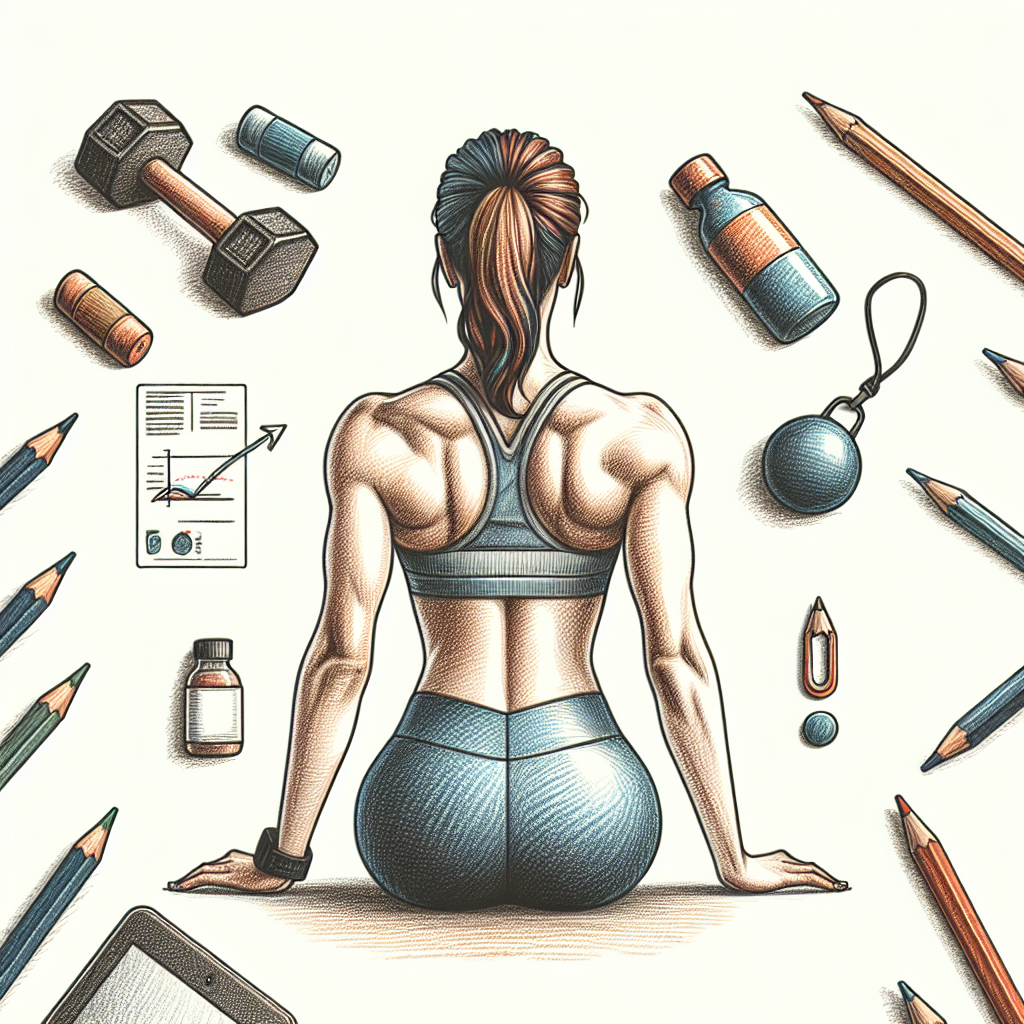
In today’s fast-paced world, finding time to maintain physical fitness can be challenging. Fortunately, a minimal equipment back workout strategy allows individuals to strengthen core musculature while using limited space and resources. This article will guide you through effective back exercises that require minimal or no equipment, helping you to achieve considerable results in just six minutes a day. For a more structured approach, consider registering for a free 30-day program where you exercise for only six minutes daily yet achieve gym-like results: 30-Day Exercise Program.
- Understanding the Importance of a Strong Back
- Essential Minimal Equipment Exercises
- Practical Steps to Develop Your Routine
- Consulting a Professional: When to Seek Help
- Common Myths and Mistakes in Back Workouts
- FAQs
- Conclusion
Understanding the Importance of a Strong Back
A strong back is crucial not only for maintaining proper posture but also for preventing injuries. The back supports overall body mechanics, making it essential in almost every movement. Building a robust back improves functional strength, athletic performance, and can even alleviate common issues like back pain.
Essential Minimal Equipment Exercises
The following exercises can be performed with minimal equipment, such as a resistance band, a set of dumbbells, or even just body weight.
1. Bent-Over Rows
This exercise targets the upper back muscles, enhancing your posture and strength.
- Stand with feet shoulder-width apart, holding a dumbbell in each hand.
- Bend your knees slightly and hinge at the hips, keeping your back straight.
- Pull the dumbbells towards your hips, squeezing your shoulder blades together.
- Lower the weights back down and repeat for 10-15 reps.
2. Resistance Band Pull Aparts
An effective way to target the upper back and shoulder stabilizers.
- Stand with feet shoulder-width apart while holding a resistance band with both hands.
- Extend your arms straight in front of you at shoulder height.
- Pull the band apart by moving your hands towards your sides.
- Hold for one second, then return to the starting position. Aim for 10-15 reps.
3. Plank Rows
This compound movement engages the back, core, and arms simultaneously.
- Begin in a plank position, feet hip-width apart, with hands holding dumbbells.
- Row one dumbbell towards your hip while stabilizing your body with the other arm.
- Alternate sides for 10-12 reps.
Practical Steps to Develop Your Routine
Integrating these exercises into a straightforward routine can yield results without requiring extensive equipment or time. Follow these steps to get started:
- Choose 2-3 exercises from the list above.
- Perform 2-3 sets of 10-15 repetitions per exercise.
- Incorporate the routine 3-4 times each week.
- Gradually increase intensity by adding weights or additional sets.
- Track your progress to stay motivated and make adjustments as needed.
Consulting a Professional: When to Seek Help
While it can be beneficial to follow self-guided exercise routines, there are instances where consulting a professional is advisable:
- Persistent pain or discomfort during exercise.
- Pre-existing medical conditions that may affect physical activity.
- Lack of progress despite consistent effort.
- Uncertainty regarding proper form or technique.
Common Myths and Mistakes in Back Workouts
Understanding common misconceptions about back workouts can help optimize effectiveness and prevent injury. Here are some prevalent myths:
- Myth: You need heavy weights to build back strength.
- Myth: Back pain is inevitable with age.
- Myth: All back exercises target the same muscles.
- Myth: You can spot reduce back fat through specific exercises.
FAQs
What muscles do back workouts primarily target?
Back workouts primarily target the latissimus dorsi, trapezius, and rhomboid muscles, among others.
Can I perform a back workout with no equipment?
Yes, exercises such as body-weight rows and planks can effectively strengthen your back without equipment.
How often should I perform back workouts?
It is recommended to incorporate back workouts 3-4 times a week for optimal results.
Can back workouts help with posture?
Yes, strengthening back muscles is crucial for improving posture and preventing slouching.
Is it normal to feel soreness after back workouts?
Some soreness is normal, especially for beginners, but sharp or persistent pain should be addressed with a healthcare provider.
What should I do if I can’t perform a certain exercise?
If you struggle with an exercise, consider modifying it or seeking alternative movements. Consulting a trainer can provide guidance.
Conclusion
- Strengthening your back is essential for posture and injury prevention.
- A minimal equipment back workout can be effective and efficient.
- Incorporate a variety of exercises for comprehensive back health.
- Consult a professional if you experience pain or feel unsure about your routine.
- Stay consistent and track your progress for continued improvement.
Take the first step towards a stronger back by exploring the 30-day exercise program mentioned earlier. It’s never too late to invest in your health and fitness.
Author: John Angel