Categories
Fitness

Effective Leg Workouts with Minimal Equipment

Leg workouts are crucial for overall fitness, core strength, and functional movement. However, not everyone has access to a gym or extensive equipment. Fortunately, effective leg workouts can be performed with minimal equipment, making fitness accessible to a broader audience. In this article, we will explore several efficient leg workouts that require little more than your body weight and a few simple tools. You will also discover how to maximize your workout in just six minutes a day. Feel free to register for a free 30-day exercise program at this link and experience results as if you’re hitting the gym.

  • Understanding Minimal Equipment Workouts
  • Essential Minimal Equipment
  • Effective Leg Exercises
  • Practical Workout Plan
  • When to Consult a Professional
  • Common Myths and Mistakes
  • FAQ
  • Conclusion

Understanding Minimal Equipment Workouts

Minimal equipment workouts focus on utilizing bodyweight and limited tools to perform exercises effectively. This approach is not only efficient but also ensures that anyone, regardless of their workout environment, can engage in effective leg training. These workouts promote flexibility, strength, and endurance while reducing the complexity and costs associated with traditional gym workouts.

Essential Minimal Equipment

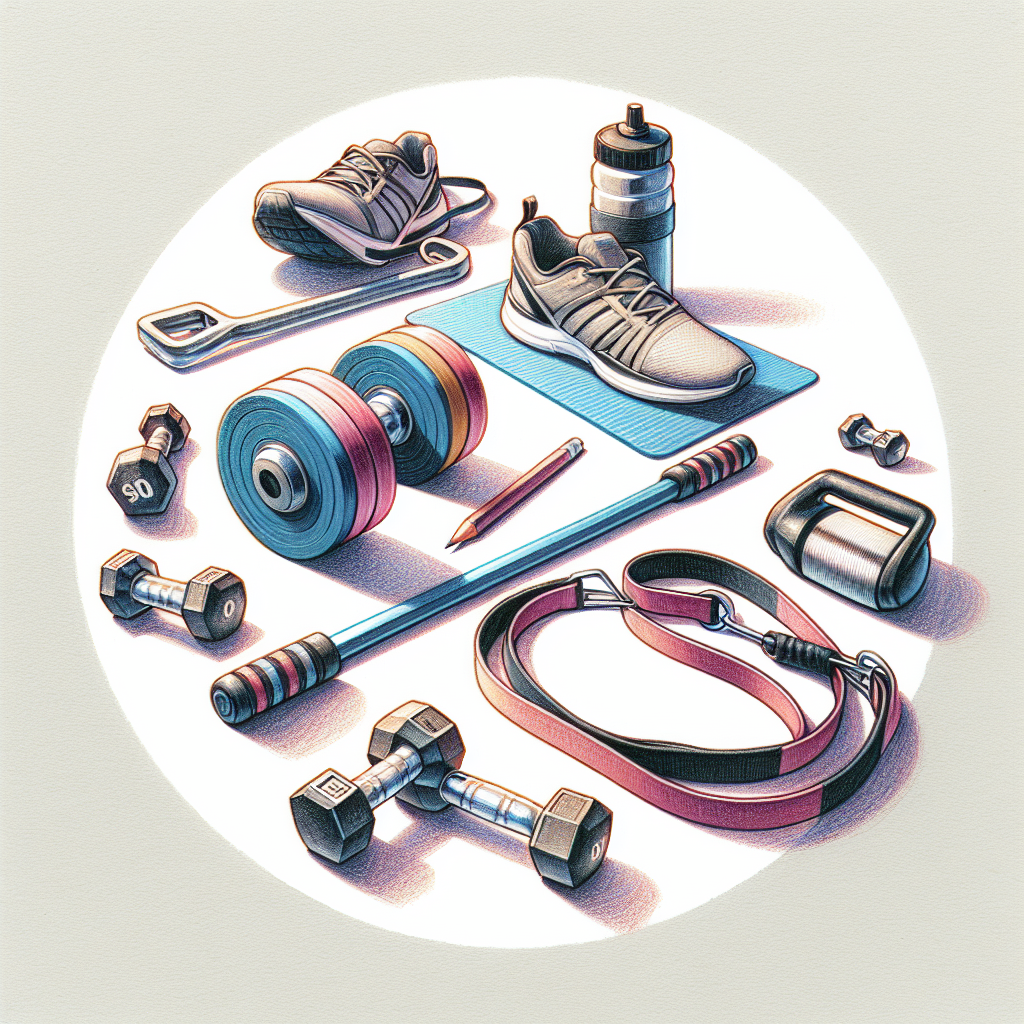
While many exercises require nothing but your body weight, having a few basic tools can enhance your training experience:

  • Resistance Bands: Compact and versatile, bands can add resistance to bodyweight exercises.
  • Dumbbells: A set of light to medium dumbbells can help increase resistance for various exercises.
  • Yoga Mat: Provides comfort and support during ground exercises.
  • Stability Ball: Useful for core engagement and can enhance many exercises.

Effective Leg Exercises

The following exercises can be incorporated into your leg workout routine, targeting various muscle groups:

  • Bodyweight Squats: Stand with feet shoulder-width apart. Lower into a squat by bending at the knees and hips, keeping your back straight. Return to the starting position.
  • Lunges: Step forward with one leg, lowering your hips until both knees are at a 90-degree angle. Push back to the starting position and alternate legs.
  • Step-Ups: Using a sturdy bench or step, step up with one foot and bring the other foot up to meet it. Step back down and repeat, alternating legs.
  • Glute Bridges: Lie on your back with knees bent and feet flat on the ground. Lift your hips towards the ceiling, squeezing your glutes at the top. Lower to the ground and repeat.
  • Calf Raises: Stand on the edge of a step, with heels hanging off. Raise your heels as high as possible, then lower back down.

Practical Workout Plan

Integrating these exercises into a quick and effective routine can be achieved with the following plan:

  1. Warm-up: Perform dynamic stretches for 1 minute.
  2. Bodyweight Squats: 30 seconds
  3. Lunges: 30 seconds
  4. Step-Ups: 30 seconds
  5. Glute Bridges: 30 seconds
  6. Calf Raises: 30 seconds
  7. Cool down: Perform static stretches for 1 minute.

This short routine can be completed in just six minutes daily, providing effective workouts without needing extensive equipment.

When to Consult a Professional

Your fitness journey should be enjoyable and injury-free. Consider consulting a fitness professional if you experience any of the following:

  • Persistent pain during or after workouts.
  • Difficulty performing exercises due to lack of mobility or flexibility.
  • Pre-existing health conditions that may affect your ability to exercise.
  • Uncertainty about the proper form for exercises.

Common Myths and Mistakes

When it comes to minimal equipment leg workouts, several misconceptions can deter individuals from achieving their fitness goals:

  • Myth: Bodyweight exercises are less effective than those using equipment. Truth: Bodyweight exercises can build strength and endurance effectively.
  • Mistake: Rush through exercises without focusing on form. Tip: Quality over quantity; maintain proper form to prevent injuries.
  • Myth: You need to work out for hours to see results. Truth: Consistent short workouts can yield impressive results.

FAQ

Can I get fit with minimal equipment?

Yes, effective strength training can be achieved using just your body weight or minimal equipment.

How often should I exercise my legs?

For optimal results, aim for at least two to three leg workouts per week.

Do I need to warm up before my workout?

Always warm up for a few minutes to prepare your muscles and reduce the risk of injury.

Is it normal to feel sore after a leg workout?

Some soreness can be normal, especially if you’re new to exercising. Ensure you listen to your body.

What should I do if an exercise causes pain?

Stop the exercise immediately and consult a professional if the pain persists.

Can I lose weight with minimal equipment workouts?

Yes, combining strength training with proper nutrition can lead to weight loss.

Conclusion

  • Minimal equipment workouts can be effective for developing strength and endurance.
  • Focus on fundamental exercises like squats and lunges to engage various muscle groups.
  • Consistency is key; aim for short, effective workouts most days of the week.
  • Consult professionals if you experience pain or have specific health concerns.
  • Remember, quality of movement is more important than quantity.

For more guidance, consider joining a free 30-day exercise program, where you’ll need only six minutes a day to achieve results akin to gym workouts: Register here.

Author: John Angel

Related articles

Categories
Fitness

Effective Leg Workouts at Home with Minimal Equipment

Leg Workout with Minimal Equipment

In today’s fast-paced world, many individuals struggle to find time for effective workouts, especially when access to a gym or extensive equipment may be limited. Fortunately, a comprehensive leg workout can be conducted with minimal gear, offering significant benefits for strength, endurance, and overall fitness. With just a few basic items, you can effectively target your leg muscles and enhance your physical health.

  • Introduction
  • The Importance of Leg Workouts
  • Essential Equipment for Home Workouts
  • Effective Leg Exercises with Minimal Equipment
  • Common Myths and Misconceptions
  • When to Consult a Professional
  • Frequently Asked Questions
  • Conclusion

The Importance of Leg Workouts

Leg workouts play a crucial role in overall body fitness. Strong legs not only enhance athletic performance but also contribute to better stability, balance, and mobility. Moreover, leg workouts engage some of the largest muscle groups in the body, facilitating improved metabolism and calorie burning. By incorporating regular leg exercises, you can fortify your lower body, prevent injuries, and enhance your daily function.

Essential Equipment for Home Workouts

While elaborate gym setups can be beneficial, they are not a prerequisite for a successful workout routine. The following items are recommended for minimal equipment leg workouts:

  • Resistance Bands: These versatile bands add variable resistance to exercises, enhancing muscle engagement.
  • Dumbbells: A lightweight set can add intensity to leg exercises without needing much space.
  • Sturdy Chair or Bench: A stable surface is useful for various exercises such as step-ups and tricep dips.
  • Yoga Mat: Provides comfort for floor exercises and enhances grip for certain movements.

Effective Leg Exercises with Minimal Equipment

Here’s a structured approach to a leg workout that can be performed in the comfort of your home:

  1. Squats: Stand with feet shoulder-width apart. Lower into a squat while keeping your back straight. Hold for a moment, then return to standing. Aim for 3 sets of 10-15 repetitions.
  2. Lunges: Step forward with one leg and lower your hips until both knees are bent at about 90 degrees. Alternate legs for 3 sets of 10-12 repetitions.
  3. Glute Bridges: Lie on your back with knees bent and feet flat on the floor. Raise your hips towards the ceiling to form a straight line from shoulders to knees. Hold for a few seconds, then lower. Aim for 3 sets of 12-15 repetitions.
  4. Resistance Band Leg Press: Secure a resistance band under your feet while seated. Push against the band while keeping your back straight, then slowly return. Aim for 3 sets of 10-12 repetitions.
  5. Calf Raises: Stand on an elevated surface with your heels hanging off the edge. Raise your heels as high as possible, then lower back down. Aim for 3 sets of 12-15 repetitions.

For those seeking a structured regimen, consider registering for this 30-day exercise program, which requires only 6 minutes of effort each day and delivers results comparable to traditional gym workouts.

Common Myths and Misconceptions

Many misconceptions surround leg workouts, particularly regarding equipment and effectiveness:

  • Myth 1: Heavy weights are necessary for leg gains. Truth: Bodyweight exercises and lighter weights can yield significant results when performed with correct form.
  • Myth 2: You must workout every day to see results. Truth: Consistency and rest are key; 2-3 times per week is effective.
  • Myth 3: Spot reduction is possible. Truth: Fat loss occurs uniformly throughout the body, not just in targeted areas.

When to Consult a Professional

While engaging in leg workouts is beneficial, certain conditions may necessitate the involvement of a professional:

  • If you experience persistent pain during or after exercise.
  • If you have a pre-existing injury that may affect your ability to perform leg exercises.
  • If you are uncertain about proper exercise techniques or routines.

Frequently Asked Questions

Can I achieve leg muscle growth with bodyweight exercises?

Yes, bodyweight exercises can effectively promote muscle growth when performed with proper form and consistency.

How often should I conduct leg workouts?

For optimal results, aim for 2-3 leg workouts per week, allowing time for recovery in between sessions.

Are warm-ups necessary before leg workouts?

Yes, warming up is crucial to prepare your muscles and joints for the physical stress of the workout, reducing the risk of injury.

Can I combine leg workouts with upper body exercises?

Absolutely! Full-body workouts can be very effective in enhancing overall fitness.

Should I use weights during leg workouts?

Using weights can increase the intensity of your workouts; however, bodyweight exercises are also effective, especially for beginners.

How can I track my progress?

Monitor improvements by tracking the number of repetitions, the weight used, or how your body feels during workouts over time.

Conclusion

  • Leg workouts are essential for overall physical fitness and function.
  • Minimal equipment, like resistance bands and dumbbells, can facilitate effective workouts at home.
  • Implementing a variety of exercises enhances muscle engagement and growth.
  • Seek professional advice if you encounter persistent pain or have concerns regarding exercise techniques.
  • Consider integrating a comprehensive program for guided and structured training.

Incorporating leg workouts into your routine will significantly enhance your fitness journey. For a simplified approach to exercising, explore the 30-day exercise program that requires just 6 minutes each day for noticeable results.

Author: John Angel

Related articles

Categories
Fitness

Effective Minimal Equipment Back Workout Guide

In today’s fast-paced world, finding time to maintain physical fitness can be challenging. Fortunately, a minimal equipment back workout strategy allows individuals to strengthen core musculature while using limited space and resources. This article will guide you through effective back exercises that require minimal or no equipment, helping you to achieve considerable results in just six minutes a day. For a more structured approach, consider registering for a free 30-day program where you exercise for only six minutes daily yet achieve gym-like results: 30-Day Exercise Program.

  • Understanding the Importance of a Strong Back
  • Essential Minimal Equipment Exercises
  • Practical Steps to Develop Your Routine
  • Consulting a Professional: When to Seek Help
  • Common Myths and Mistakes in Back Workouts
  • FAQs
  • Conclusion

Understanding the Importance of a Strong Back

A strong back is crucial not only for maintaining proper posture but also for preventing injuries. The back supports overall body mechanics, making it essential in almost every movement. Building a robust back improves functional strength, athletic performance, and can even alleviate common issues like back pain.

Essential Minimal Equipment Exercises

The following exercises can be performed with minimal equipment, such as a resistance band, a set of dumbbells, or even just body weight.

1. Bent-Over Rows

This exercise targets the upper back muscles, enhancing your posture and strength.

  • Stand with feet shoulder-width apart, holding a dumbbell in each hand.
  • Bend your knees slightly and hinge at the hips, keeping your back straight.
  • Pull the dumbbells towards your hips, squeezing your shoulder blades together.
  • Lower the weights back down and repeat for 10-15 reps.

2. Resistance Band Pull Aparts

An effective way to target the upper back and shoulder stabilizers.

  • Stand with feet shoulder-width apart while holding a resistance band with both hands.
  • Extend your arms straight in front of you at shoulder height.
  • Pull the band apart by moving your hands towards your sides.
  • Hold for one second, then return to the starting position. Aim for 10-15 reps.

3. Plank Rows

This compound movement engages the back, core, and arms simultaneously.

  • Begin in a plank position, feet hip-width apart, with hands holding dumbbells.
  • Row one dumbbell towards your hip while stabilizing your body with the other arm.
  • Alternate sides for 10-12 reps.

Practical Steps to Develop Your Routine

Integrating these exercises into a straightforward routine can yield results without requiring extensive equipment or time. Follow these steps to get started:

  1. Choose 2-3 exercises from the list above.
  2. Perform 2-3 sets of 10-15 repetitions per exercise.
  3. Incorporate the routine 3-4 times each week.
  4. Gradually increase intensity by adding weights or additional sets.
  5. Track your progress to stay motivated and make adjustments as needed.

Consulting a Professional: When to Seek Help

While it can be beneficial to follow self-guided exercise routines, there are instances where consulting a professional is advisable:

  • Persistent pain or discomfort during exercise.
  • Pre-existing medical conditions that may affect physical activity.
  • Lack of progress despite consistent effort.
  • Uncertainty regarding proper form or technique.

Common Myths and Mistakes in Back Workouts

Understanding common misconceptions about back workouts can help optimize effectiveness and prevent injury. Here are some prevalent myths:

  • Myth: You need heavy weights to build back strength.
  • Myth: Back pain is inevitable with age.
  • Myth: All back exercises target the same muscles.
  • Myth: You can spot reduce back fat through specific exercises.

FAQs

What muscles do back workouts primarily target?

Back workouts primarily target the latissimus dorsi, trapezius, and rhomboid muscles, among others.

Can I perform a back workout with no equipment?

Yes, exercises such as body-weight rows and planks can effectively strengthen your back without equipment.

How often should I perform back workouts?

It is recommended to incorporate back workouts 3-4 times a week for optimal results.

Can back workouts help with posture?

Yes, strengthening back muscles is crucial for improving posture and preventing slouching.

Is it normal to feel soreness after back workouts?

Some soreness is normal, especially for beginners, but sharp or persistent pain should be addressed with a healthcare provider.

What should I do if I can’t perform a certain exercise?

If you struggle with an exercise, consider modifying it or seeking alternative movements. Consulting a trainer can provide guidance.

Conclusion

  • Strengthening your back is essential for posture and injury prevention.
  • A minimal equipment back workout can be effective and efficient.
  • Incorporate a variety of exercises for comprehensive back health.
  • Consult a professional if you experience pain or feel unsure about your routine.
  • Stay consistent and track your progress for continued improvement.

Take the first step towards a stronger back by exploring the 30-day exercise program mentioned earlier. It’s never too late to invest in your health and fitness.

Author: John Angel

Related articles

Categories
Fitness

Effective Minimal Equipment Leg Workout for All Fitness Levels

Minimal Equipment Leg Workout: Strengthening Your Lower Body with Ease

For individuals seeking an effective leg workout that requires minimal equipment, this article provides insights into efficient exercises that can be executed in the comfort of one’s home or any recreational space. With only a few small items or even just body weight, one can reap the benefits of improved muscle strength and endurance in the lower body. Such targeted workouts are excellent for enhancing overall fitness, boosting metabolic health, and maintaining physical well-being.

  • Introduction
  • The Benefits of Minimal Equipment Workouts
  • Essential Exercises for Your Leg Workout
  • Step-by-Step Guide to a Minimal Equipment Leg Workout
  • Common Misconceptions Regarding Equipment-Limited Training
  • When to Seek Professional Consultation
  • Frequently Asked Questions
  • Conclusion

The Benefits of Minimal Equipment Workouts

Engaging in leg workouts with minimal equipment is advantageous for various reasons. Firstly, it allows flexibility in training locations, making fitness accessible regardless of gym memberships or expensive machinery. Secondly, it promotes functional strength, as many bodyweight and basic exercises mimic real-life movements, enhancing daily life efficiency. Finally, minimal equipment often leads to quicker setup times, making it easier to integrate workouts into busy schedules.

Essential Exercises for Your Leg Workout

Here are a few essential exercises you can incorporate into your minimal equipment leg workout:

  • Bodyweight Squats: A fundamental exercise for strengthening quads, hamstrings, and glutes.
  • Lunges: Excellent for targeting all major lower body muscles, including stabilizers.
  • Glute Bridges: Focuses on enhancing glute strength and flexibility.
  • Calf Raises: Beneficial for building calf muscle and promoting ankle stability.
  • Step-Ups: A great way to enhance lower body strength and balance.

Step-by-Step Guide to a Minimal Equipment Leg Workout

To structure an effective workout routine, consider the following steps:

  1. Warm-Up: Begin with a 5-10 minute warm-up. Jumping jacks or a brisk walk can prepare your muscles.
  2. Bodyweight Squats: Perform 3 sets of 10-15 reps.
  3. Lunges: Alternate legs for 3 sets of 10-12 reps on each side.
  4. Glute Bridges: Execute 3 sets of 12-15 reps, holding the bridge position for a few seconds each time.
  5. Calf Raises: Do 3 sets of 15-20 reps, using a step for enhanced range of motion if available.
  6. Step-Ups: Use a sturdy surface; perform 3 sets of 10-12 reps on each leg.
  7. Cool Down: Finish with gentle stretching to enhance flexibility and muscle recovery.

For those looking to further enhance their fitness journey, consider signing up for a 30-day exercise program that offers effective workouts requiring just 6 minutes each day, yielding compelling results comparable to traditional gym routines.

Common Misconceptions Regarding Equipment-Limited Training

Despite the growing popularity of bodyweight and minimal equipment workouts, several myths persist:

  • You Cannot Build Muscle without Heavy Weights: Bodyweight training can be highly effective for muscle building if performed with adequate intensity and volume.
  • Fewer Equipment Options Mean Less Effective Workouts: Many effective exercises require no equipment and utilize body weight efficiently.
  • Minimizing Equipment Means Less Variety: There is a plethora of exercises available that utilize body weight or minimal apparatus to ensure diversity in training.
  • Minimal Equipment Workouts are Only for Beginners: These workouts can be adapted to various fitness levels, providing sufficient challenge for advanced practitioners.

When to Seek Professional Consultation

While exercising can be beneficial, certain circumstances necessitate consultation with a healthcare or fitness professional. Consider seeking help if:

  • You experience persistent pain during or after workouts.
  • You have existing health conditions that could be aggravated by exercise.
  • You are unsure about proper exercise forms that might lead to injury.
  • You have specific fitness goals that require tailored guidance.

Frequently Asked Questions

Can I achieve muscle growth with minimal equipment workouts?

Yes, by using body weight and employing principles such as progressive overload, muscle growth can be effectively achieved.

How often should I perform these leg workouts?

A recommended frequency is 2-3 times a week, allowing adequate recovery time between sessions.

What kind of equipment should I consider?

Basic items such as resistance bands, a yoga mat, or a sturdy chair can complement bodyweight exercises.

Are there any risks associated with these workouts?

As with any physical activity, improper form or overexertion can lead to injury. Always prioritize safety and proper technique.

Why should I include leg workouts in my routine?

Leg workouts are essential for functional strength, better stability, and improved overall performance in various activities.

Can I lose weight with minimal equipment leg workouts?

Yes, incorporating these workouts into a balanced routine can contribute to weight loss when combined with a proper diet.

Conclusion

  • Minimal equipment leg workouts are accessible and effective for various fitness levels.
  • Bodyweight exercises can enhance muscle strength, endurance, and overall functional fitness.
  • Consulting with a professional is recommended when experiencing pain or uncertainty regarding exercise forms.
  • Misconceptions about bodyweight training may undermine its effectiveness; knowledge helps overcome them.
  • Incorporating these workouts into a regular routine can yield significant fitness results with minimal resources.

Embrace the simplicity and efficiency of minimal equipment leg workouts. Sign up for the 30-day exercise program today to embark on a revolutionary fitness journey that requires just 6 minutes a day!

Author: John Angel

Related articles

Categories
Fitness

Effective Full Body Workout with Minimal Equipment

Full Body Workout with Minimal Equipment

In today’s fast-paced world, maintaining physical fitness often seems daunting, especially with busy schedules and limited access to gym facilities. However, a full-body workout requiring minimal equipment can effectively address this challenge, enabling individuals to achieve their fitness goals in a time-efficient manner. This article presents insights into crafting an effective full-body workout routine that prioritizes functionality and convenience. For those seeking an exceptionally condensed exercise plan, consider a free registration for a 30-day exercise program where you only need to exercise for 6 minutes daily but can achieve remarkable results. You can register here: 30-Day Exercise Program.

  • Benefits of Full Body Workouts
  • Essential Equipment
  • Sample Workout Routine
  • Common Mistakes to Avoid
  • When to Seek Professional Advice
  • Frequently Asked Questions

Benefits of Full Body Workouts

Full body workouts are advantageous for numerous reasons. They engage multiple muscle groups, promoting better overall strength and endurance. This approach not only maximizes calorie burn during a single session but also enhances muscle recovery time, allowing individuals to train multiple times per week without excessive fatigue. Furthermore, they are adaptable to various fitness levels, making them suitable for both beginners and advanced athletes alike.

Essential Equipment

While many effective exercises can be performed using just body weight, there are a few minimalist tools that can enhance your workout experience:

  • Dumbbells: Versatile and ideal for strength training.
  • Resistance Bands: Portable and excellent for adding resistance to bodyweight exercises.
  • Exercise Mat: Provides comfort during floor exercises.
  • Jump Rope: Great for cardio and coordination.

Sample Workout Routine

This sample routine can be executed in approximately 20-30 minutes, making it easy to incorporate into a busy schedule:

  1. Warm-Up (5 minutes):
    • Arm circles
    • Leg swings
    • Dynamic stretches (lunges, hip circles)
  2. Workout (15-20 minutes):
    1. Push-Ups – 3 sets of 10-15 reps
    2. Bodyweight Squats – 3 sets of 15-20 reps
    3. Dumbbell Rows – 3 sets of 10-12 reps per arm
    4. Plank – 3 sets of 30-60 seconds
    5. Jumping Jacks – 3 sets of 30 seconds
  3. Cool Down (5 minutes):
    • Stretching (focus on all major muscle groups)
    • Deep breathing exercises

Common Mistakes to Avoid

As with any workout strategy, there are common mistakes that individuals may encounter:

  • Skipping Warm-Up and Cool Down: Failing to properly warm up can lead to injuries, while skipping the cool down can increase muscle soreness.
  • Poor Form: Prioritizing quantity over quality can lead to ineffective workouts and injuries.
  • Overtraining: Not allowing sufficient recovery time can hinder progress and lead to burnout.
  • Neglecting Nutrition: Adequate nutrition supports recovery and performance; a balanced diet is key.

When to Seek Professional Advice

There are moments when consulting a fitness professional is prudent:

  • If you experience persistent pain during or after workouts.
  • If you are unsure of proper exercise techniques.
  • Before starting a new workout regimen, particularly if you have pre-existing health conditions.
  • If you are not seeing expected progress over an extended period.

Frequently Asked Questions

1. Can I achieve significant results with minimal equipment?

Yes, focused workouts using minimal equipment can lead to considerable fitness improvements.

2. How often should I perform full-body workouts?

Ideally, 2-3 times a week allows for muscle recovery and consistent progress.

3. Do I need to go to a gym for effective workouts?

Not necessarily; many effective exercises can be performed at home or in outdoor spaces.

4. Can beginners participate in full-body workouts?

Absolutely! Full-body workouts can be easily modified to suit different fitness levels.

5. How long should a full-body workout last?

A well-structured routine can be completed in 20-30 minutes, making it efficient for busy schedules.

6. Is it necessary to use weights during my workouts?

While weights can enhance the intensity, many bodyweight exercises are equally effective for building strength.

Conclusion

  • Full body workouts can enhance overall fitness with minimal equipment.
  • Such workouts engage multiple muscle groups simultaneously.
  • Incorporating a variety of exercises keeps routines engaging and challenging.
  • Proper warm-up and cool down are vital to prevent injuries.
  • Consulting a professional can help tailor workouts to individual needs.

Embark on your fitness journey today with confidence! Consider registering for a free 30-day exercise program where just 6 minutes of daily effort can yield substantial results. Visit: 30-Day Exercise Program.

Author: John Angel

Related articles

Categories
Fitness

Optimize Home Workouts with Minimal Equipment for Effective Fitness

Home workouts have gained significant popularity, especially in today’s fast-paced world where many individuals seek efficient and effective means of maintaining fitness without the need for a gym membership. Engaging in exercise with minimal equipment not only saves time and resources but can also yield substantial results. In this article, we will explore how to optimize your home workout routine using minimal equipment while ensuring convenience and effectiveness.

  • Introduction
  • The Benefits of Minimal Equipment Workouts
  • Essential Equipment for Home Workouts
  • Effective Home Workout Routine
  • Consulting a Professional: When to Seek Help
  • Myths and Misconceptions about Home Workouts
  • Frequently Asked Questions
  • Conclusion

The Benefits of Minimal Equipment Workouts

Exercising at home with minimal equipment offers several advantages. First and foremost, it allows for flexibility in scheduling, as you can work out whenever it suits you. Additionally, minimizing equipment reduces financial overhead, thus making fitness accessible to everyone. Moreover, developing a personalized workout routine helps to enhance motivation as you take control of your fitness journey.

Essential Equipment for Home Workouts

If you are looking to establish an effective home workout routine, here are some fundamental pieces of equipment you might consider:

  • Resistance Bands: These versatile bands can be used for various exercises to enhance strength.
  • Dumbbells: A small set of dumbbells can add resistance for muscle training.
  • Yoga Mat: Essential for comfort and stability, particularly during floor exercises.
  • Jump Rope: An excellent tool for cardiovascular workouts and coordination.

Effective Home Workout Routine

When working with minimal equipment, it is crucial to design a balanced workout routine. Below is a concise structure that can be followed daily, taking as little as 6 minutes:

  1. Warm-Up (1 minute): Perform dynamic movements such as arm circles and leg swings to prepare the body.
  2. Push-Ups (1 minute): Engage in standard push-ups or modify them for your capability.
  3. Squats (1 minute): Utilize body weight or hold dumbbells for added resistance.
  4. Plank (1 minute): Focus on core stability by maintaining a plank position.
  5. Jump Rope (1 minute): Quickly elevate your heart rate with jump rope exercises.
  6. Cooldown (1 minute): Gradually reduce your heart rate with light stretching or deep breathing.

For more structured guidance, consider registering for a 30-day exercise program that requires only 6 minutes of daily effort, promising results comparable to traditional gym workouts.

Consulting a Professional: When to Seek Help

While home workouts can be beneficial for many, there are circumstances where consulting with a qualified fitness professional is advisable. Consider reaching out for advice if:

  • You have pre-existing health conditions.
  • You are unsure of the correct form for exercises.
  • You experience pain or discomfort during workouts.
  • You have specific fitness goals that require tailored guidance.

Myths and Misconceptions about Home Workouts

Understanding the truths behind common misconceptions related to home workouts can help you make informed decisions about your fitness journey:

  • Myth 1: Home workouts are less effective than gym workouts.
  • Myth 2: You need extensive equipment to see results.
  • Myth 3: Home workouts lack variety.
  • Myth 4: You cannot build muscle at home.

Frequently Asked Questions

Can I achieve my fitness goals at home without equipment?

Absolutely. Many bodyweight exercises can help build strength and endurance effectively.

How do I stay motivated while working out at home?

Set specific goals, track your progress, and vary your workouts to maintain interest.

How often should I work out at home?

Aim for at least three to five times per week, depending on your fitness level and goals.

Are there specific workouts for beginners?

Yes, starting with basic bodyweight exercises and gradually increasing intensity is recommended.

What should I do if I experience pain during exercise?

Stop the exercise immediately, assess the pain, and consult a healthcare professional if needed.

Can I work out at home if I have limited space?

Yes, many effective workouts require minimal space and equipment, focusing on bodyweight or resistance band exercises.

Conclusion

  • Establish a flexible and effective home workout routine.
  • Minimal equipment can yield significant results.
  • Consult a professional if any concerns arise during your fitness journey.
  • Be aware of myths surrounding home workouts to enhance motivation.
  • Consider a structured program for maximized results with minimal time commitment.

Incorporating regular exercise into your life does not have to be complex or expensive. With the right mindset and minimal equipment, you can achieve your fitness goals efficiently. Explore the opportunity to register for a 30-day exercise program that requires just 6 minutes of dedication each day. Empower your fitness journey today!

Author: John Angel

Related articles

Categories
Fitness

Effective Minimal Equipment Workout Plan for Busy Lifestyles

Minimal Equipment Workout Plan: Achieve Maximum Results with Minimal Gear

In a fast-paced world, finding time for exercise often falls by the wayside. However, it is possible to attain significant fitness results with minimal equipment and just a few minutes each day. This article explores a structured workout plan that utilizes limited gear, allowing for both convenience and effectiveness. Our focus will be on practical steps that can fit into even the busiest of schedules, ultimately promoting a healthier lifestyle.

  • Introduction
  • Benefits of Minimal Equipment Workouts
  • Essential Equipment for Home Workouts
  • Sample Minimal Equipment Workout Plan
  • Error Prevention: Common Myths and Mistakes
  • When to Consult a Professional
  • Frequently Asked Questions
  • Conclusion

Benefits of Minimal Equipment Workouts

Minimal equipment workouts present numerous advantages:

  • Accessibility: They can be performed anywhere, eliminating the need for a gym membership.
  • Time Efficiency: Shorter workouts allow you to integrate fitness into a busy lifestyle easily.
  • Cost-Effective: Reducing the need for extensive equipment saves money.
  • Variety: A range of exercises targeting different muscle groups can keep routines engaging.
  • Adaptability: Workouts can be modified to suit various fitness levels.

Essential Equipment for Home Workouts

Investing in basic workout equipment can enhance your training experience. Here are a few essential items:

  • Dumbbells: Versatile and effective for strength training.
  • Resistance Bands: Perfect for strength training and can easily be stored.
  • Yoga Mat: Provides cushioning during floor exercises and stretches.
  • Stability Ball: Useful for core strengthening and balance exercises.
  • Skipping Rope: Excellent for cardiovascular workouts.

Sample Minimal Equipment Workout Plan

To exemplify a minimal equipment workout plan, the following routine requires only 6 minutes a day. It combines strength, flexibility, and cardiovascular training:

  1. Warm-Up (1 minute): Perform 30 seconds of jumping jacks followed by 30 seconds of arm circles.
  2. Cardio Burst (1 minute): Do 30 seconds of high knees followed by 30 seconds of side-to-side jumps.
  3. Strength Training (3 minutes):
    • 1 minute of bodyweight squats.
    • 1 minute of push-ups (modified as needed).
    • 1 minute of plank (hold for as long as possible).
  4. Cool Down (1 minute): Stretch major muscle groups gently, focusing on deep breathing.

For a more detailed guidance and structured program, consider registering for this 30-day exercise program requiring only 6 minutes of sustained effort each day to achieve impressive results.

Error Prevention: Common Myths and Mistakes

Understanding common misconceptions can help you maximize your workout effectiveness:

  • Myth 1: More equipment equals better workouts. Truth: Creativity with limited tools can be just as effective.
  • Mistake 1: Skipping warm-ups and cool-downs. This increases the risk of injury.
  • Myth 2: You need hours in the gym to see results. Truth: Consistency over time with minimal workouts can yield significant improvements.
  • Mistake 2: Performing exercises with incorrect form. Proper technique is crucial for safety and effectiveness.

When to Consult a Professional

While minimal equipment workouts can be highly beneficial, there are instances when seeking professional guidance is advisable:

  • If you experience persistent pain or discomfort during exercise.
  • If you’re unsure how to safely perform an exercise.
  • If you have underlying health conditions that could be exacerbated by physical activity.
  • If you are planning to commence a new workout regimen after a long period of inactivity.

Frequently Asked Questions

1. How often should I do minimal equipment workouts?

Ideally, aim for a minimum of 3-5 times a week to see optimal results.

2. Can I lose weight with a minimal equipment workout plan?

Yes, when combined with proper nutrition, minimal equipment workouts can contribute to weight loss.

3. Are minimal equipment workouts effective for building muscle?

Absolutely; effective exercise techniques, even with limited equipment, can build muscle strength.

4. What is the best time of day to workout?

The best time varies per individual. Choose a time that fits your schedule and maximizes your energy levels.

5. Do I need a gym membership to follow this workout plan?

No, a gym membership is unnecessary for this plan; you can perform exercises at home with minimal gear.

6. Can beginners follow a minimal equipment workout plan?

Yes, minimal equipment workouts can be easily adjusted to accommodate all fitness levels, including beginners.

Conclusion

  • Minimal equipment workouts provide accessibility and convenience.
  • Essential equipment can enhance the effectiveness of your sessions.
  • A structured workout plan can yield maximal results in minimal time.
  • Understanding common myths can help improve your exercise sessions.
  • Consult professionals when experiencing discomfort or when uncertain about your routine.

Consider integrating a minimal equipment workout plan into your daily routine and watch your fitness level soar. Embrace the simplicity, stay consistent, and witness the transformative effects on your health and well-being. For those seeking structured guidance, don’t forget to explore the 30-day exercise program designed for everyday people!

Author: John Angel

Related articles

Categories
Fitness

Maximize Fitness with Minimal Equipment Workouts

In today’s fast-paced world, finding time to exercise can be a challenge. Utilizing minimal equipment can prove highly effective, allowing individuals to maintain their fitness without the need for a gym membership or elaborate setup. This article provides practical guidance on how to design an efficient workout regimen with minimal resources while achieving maximum results.

  • Introduction
  • Benefits of Minimal Equipment Workouts
  • Types of Minimal Equipment
  • Effective Workout Strategies
  • When to Consult a Professional
  • Misperceptions about Minimal Equipment Workouts
  • Frequently Asked Questions
  • Conclusion

Benefits of Minimal Equipment Workouts

Working out with minimal equipment offers a variety of advantages. Firstly, it is cost-effective, eliminating the financial burden of purchasing gym memberships and bulky fitness machines. Secondly, these workouts are incredibly versatile, allowing for exercise in various settings, from the comfort of your home to local parks. Furthermore, minimal equipment often leads to enhanced body weight exercises that improve strength, flexibility, and balance, promoting overall functional fitness.

Types of Minimal Equipment

When considering minimal equipment workouts, a few basic items can significantly enhance the effectiveness of your regime:

  • Resistance Bands: Lightweight and portable, resistance bands provide adjustable resistance for strength training.
  • Dumbbells: A pair of dumbbells increases the variety of exercises and targets different muscle groups.
  • Yoga Mat: Essential for floor exercises and stretching, a mat offers comfort and stability.
  • Stability Ball: This versatile piece of equipment aids in balance and core workouts.
  • Jump Rope: An excellent tool for cardiovascular training, promoting agility and coordination.

Effective Workout Strategies

For effective workouts with minimal equipment, it is essential to focus on high-utility strategies. Consider following these concrete steps:

  1. Define Your Goals: Determine whether your primary aim is to lose weight, build muscle, or improve endurance. Your approach will vary based on your goals.
  2. Schedule Consistency: Aim for regular intervals in your training, such as dedicating 15-30 minutes, three to five times a week. Consistent patterns produce better outcomes than sporadic efforts.
  3. Compound Exercises: Prioritize movements that engage multiple muscle groups, such as squats, push-ups, and lunges. These exercises maximize efficiency and effectiveness.
  4. Incorporate Interval Training: Alternating between high-intensity bursts and low-intensity recovery fosters enhanced cardiovascular fitness and greater calorie burn.
  5. Monitor Progress: Maintain a journal or use fitness apps to keep track of your workouts and progress, which can provide motivation and accountability.
  6. Join a Program: Consider enrolling in structured programs like this 30-day exercise program that promises results in just 6 minutes of daily exercise.

When to Consult a Professional

While minimal equipment workouts can be initiated independently, specific circumstances may require professional consultation. Seek guidance from a qualified fitness professional if you experience:

  • Persistent pain during or after exercise
  • Difficulty performing basic movements
  • Unexplained fatigue or a significant decline in performance
  • Medical conditions that might affect your ability to exercise safely
  • A desire for tailored programs that cater to specific fitness goals

Misperceptions about Minimal Equipment Workouts

It is essential to address some common myths surrounding minimal equipment workouts:

  • Myth 1: Minimal equipment cannot provide a thorough workout. Reality: Effective routines can be designed utilizing just bodyweight and a few tools.
  • Myth 2: Only heavy weights lead to muscle growth. Reality: Resistance training using lighter weights or bands can stimulate muscle growth effectively.
  • Myth 3: Minimal workouts lack intensity. Reality: High-intensity interval training (HIIT) can be performed with minimal equipment, yielding significant results.
  • Myth 4: These workouts yield slower results. Reality: Consistent, focused training can lead to rapid improvements in fitness, often comparable to traditional gym sessions.
  • Myth 5: An effective workout is only achievable with advanced knowledge. Reality: Simple, structured, and guided programs can deliver excellent results without requiring extensive skills.

Frequently Asked Questions

How effective are minimal equipment workouts?

Minimal equipment workouts can be highly effective, particularly when designed with a focus on body weight and compound movements.

Can I build muscle without heavy weights?

Yes, you can build muscle with light weights, resistance bands, or bodyweight exercises by focusing on volume and intensity.

How often should I work out with minimal equipment?

A frequency of three to five workouts per week is typically recommended for consistent progress.

Do I need a fitness coach for minimal equipment workouts?

While a coach can provide tailored guidance, many individuals can successfully create effective routines independently or through structured programs.

Are minimal equipment workouts suitable for beginners?

Absolutely! Minimal equipment workouts are accessible and adaptable for all levels, including beginners.

How can I avoid injury during minimal equipment workouts?

To prevent injury, focus on proper form, start with manageable weights, and warm up before exercises.

Conclusion

  • Minimal equipment workouts are cost-effective and versatile.
  • Essential items such as dumbbells and resistance bands enhance workout efficiency.
  • A well-structured routine prioritizing compound exercises can yield significant results.
  • Engaging in consistent training schedules is crucial for progress.
  • Professional consultation should be considered in case of persistent issues or specific goals.

Explore the potential of minimal equipment workouts today and consider checking out the 30-day exercise program where just six minutes a day can transform your fitness journey. Take the first step toward achieving your health goals!

Author: John Angel

Related articles

Categories
Fitness

Effective Minimal Equipment Workouts for Busy Lifestyles

In an increasingly fast-paced world, the idea of maintaining physical fitness often feels overwhelming, especially with busy schedules and high gym membership costs. However, engaging in a minimal equipment workout allows individuals to stay active and achieve significant results without the need for an extensive gym setup. Such a regimen emphasizes the efficiency of short, focused exercise sessions that can be performed anywhere.

  • Understanding Minimal Equipment Workouts
  • Benefits of Minimal Equipment Workouts
  • Effective Minimal Equipment Workout Routines
  • Common Mistakes to Avoid
  • When to Seek Professional Guidance
  • Frequently Asked Questions

Understanding Minimal Equipment Workouts

A minimal equipment workout primarily relies on body weight exercises, resistance bands, or simple weights like dumbbells. This approach is rooted in the idea that significant results can be achieved with a few well-selected exercises, emphasizing quality over quantity. It is particularly advantageous for beginners or those returning to fitness after a hiatus, as it encourages sustainable habits without the intimidation of complex machinery or extensive setups.

Benefits of Minimal Equipment Workouts

Adopting a minimal equipment regime comes with numerous benefits:

  • Accessibility: With little to no cost associated, anyone can start, making it easier to incorporate into daily life.
  • Time Efficiency: Shorter workouts can yield similar results to longer gym sessions, making it easier to fit into a busy schedule.
  • Flexibility: These workouts can be done anywhere—at home, in a park, or even while traveling.
  • Enhanced Motivation: The simplicity often leads to quicker progress, encouraging adherence to fitness routines.

Effective Minimal Equipment Workout Routines

Here are three effective workout routines you can incorporate into your day, each lasting approximately six minutes:

Routine 1: Bodyweight Circuit

  1. Push-ups (30 seconds)
  2. Bodyweight Squats (30 seconds)
  3. Plank (30 seconds)
  4. Burpees (30 seconds)
  5. Rest (30 seconds)
  6. Repeat 2 times

Routine 2: Resistance Band Workout

  1. Banded Rows (30 seconds)
  2. Banded Squats (30 seconds)
  3. Standing Bicep Curls (30 seconds)
  4. Banded Overhead Press (30 seconds)
  5. Rest (30 seconds)
  6. Repeat 2 times

Routine 3: Dumbbell-Integrated Workout

  1. Dumbbell Deadlifts (30 seconds)
  2. Dumbbell Shoulder Press (30 seconds)
  3. Dumbbell Lunges (30 seconds)
  4. Dumbbell Rows (30 seconds)
  5. Rest (30 seconds)
  6. Repeat 2 times

For those seeking highly effective yet brief workouts, consider registering for a free 30-day exercise program that entails just 6 minutes of practice each day, achieving results comparable to traditional gym workouts. For more details, click here.

Common Mistakes to Avoid

While engaging in minimal equipment workouts, several errors can hinder progress. Here are common misconceptions:

  • Neglecting Warm-Up: Many individuals skip warming up, which is essential to prevent injuries. Always include a short warm-up before commencing workouts.
  • Overtraining: Consistency is crucial, but rest days are equally important to allow muscles to recover.
  • Poor Form: Focusing solely on speed can lead to poor form. Prioritize technique to maximize effectiveness and minimize injury risk.
  • Static Routines: Sticking to the same workout can lead to plateaus. Regularly update routines to challenge your body.

When to Seek Professional Guidance

While many can thrive with minimal equipment workouts, certain conditions warrant professional advice. Seek guidance if:

  • You experience persistent pain during or after exercising.
  • You are unsure about proper exercise form and technique.
  • You have existing health conditions that may influence your exercise regimen.
  • You are contemplating a significant lifestyle change or fitness goal.

Frequently Asked Questions

Can I achieve the same results as in a gym with minimal equipment workouts?

Yes, you can achieve significant results by focusing on high-quality, functional movements within a structured regimen.

How often should I perform minimal equipment workouts?

For optimal results, aim for at least three to five sessions a week, allowing rest days as needed.

Is a minimal equipment workout suitable for beginners?

Absolutely. These workouts are highly beneficial for beginners seeking to build a solid foundation in fitness.

Do I need special training programs for minimal equipment workouts?

While structured programs can provide guidance, they are not mandatory. Many effective movements can be combined in a simple routine.

Can I do minimal equipment workouts at home?

Yes, minimal equipment workouts are particularly well-suited for home environments, requiring limited space.

How can I monitor my progress?

Tracking your progress can be done through various means, including maintaining a workout journal, tracking repetitions, or measuring endurance gains.

Conclusion

  • Minimal equipment workouts offer accessibility and flexibility.
  • Short yet intense sessions can effectively enhance fitness levels.
  • Mistakes such as neglecting warm-ups and poor form should be avoided.
  • Consult professionals in the presence of persistent pain or existing health conditions.
  • Explore free programs to ease into effective routines.

Embarking on a fitness journey need not be daunting or resource-intensive. By taking initial steps toward a minimal equipment workout, you can significantly improve your health and well-being. Begin your journey today!

Author: John Angel

Related articles

Website analytics information

We use Google Analytics 4 for visitor statistics. Analytics cookies require your consent, which you can change using the button above. The data controller is ZDRAVÍ S ÚSMĚVEM s.r.o., company ID 29283329, contact podpora@revolucnicviceni.cz. Google processes browser, device and page visit information. We do not send form field values to Analytics. How Google uses information · Google Privacy Policy.