Muscle exercises done without equipment can significantly improve strength, flexibility, and overall fitness. These exercises are not only convenient but also effective, allowing individuals to engage in physical activity without the need for a gym membership or expensive gear. In this article, we will explore various bodyweight exercises, their benefits, and a structured plan to incorporate them into your daily routine, including an excellent resource for a 30-day exercise program.
- What Are Bodyweight Exercises?
- Benefits of No-Equipment Exercises
- Effective Muscle Exercises Without Equipment
- How to Structure Your Workout
- When to Consult a Professional
- Common Myths and Misconceptions
- FAQs
- Conclusion
What Are Bodyweight Exercises?
Bodyweight exercises are forms of physical activity that utilize an individual’s weight as resistance. Common examples include push-ups, squats, and planks. These exercises can be performed anywhere, making them an accessible option for everyone, regardless of fitness level.
Benefits of No-Equipment Exercises
- Convenience: No need for gyms or equipment.
- Cost-effective: There’s no financial investment required.
- Flexibility: You can work out anytime and anywhere.
- Scalability: Exercises can be modified for different fitness levels.
- Improved body awareness: Bodyweight exercises often enhance coordination and balance.
Effective Muscle Exercises Without Equipment
Here are some effective no-equipment exercises targeting various muscle groups. Each can be performed in a circuit for maximum efficiency.
- Push-Ups: Targets the chest, shoulders, and triceps. Keep your body straight from head to heels.
- Squats: Works the legs and glutes. Ensure your knees do not go past your toes as you squat down.
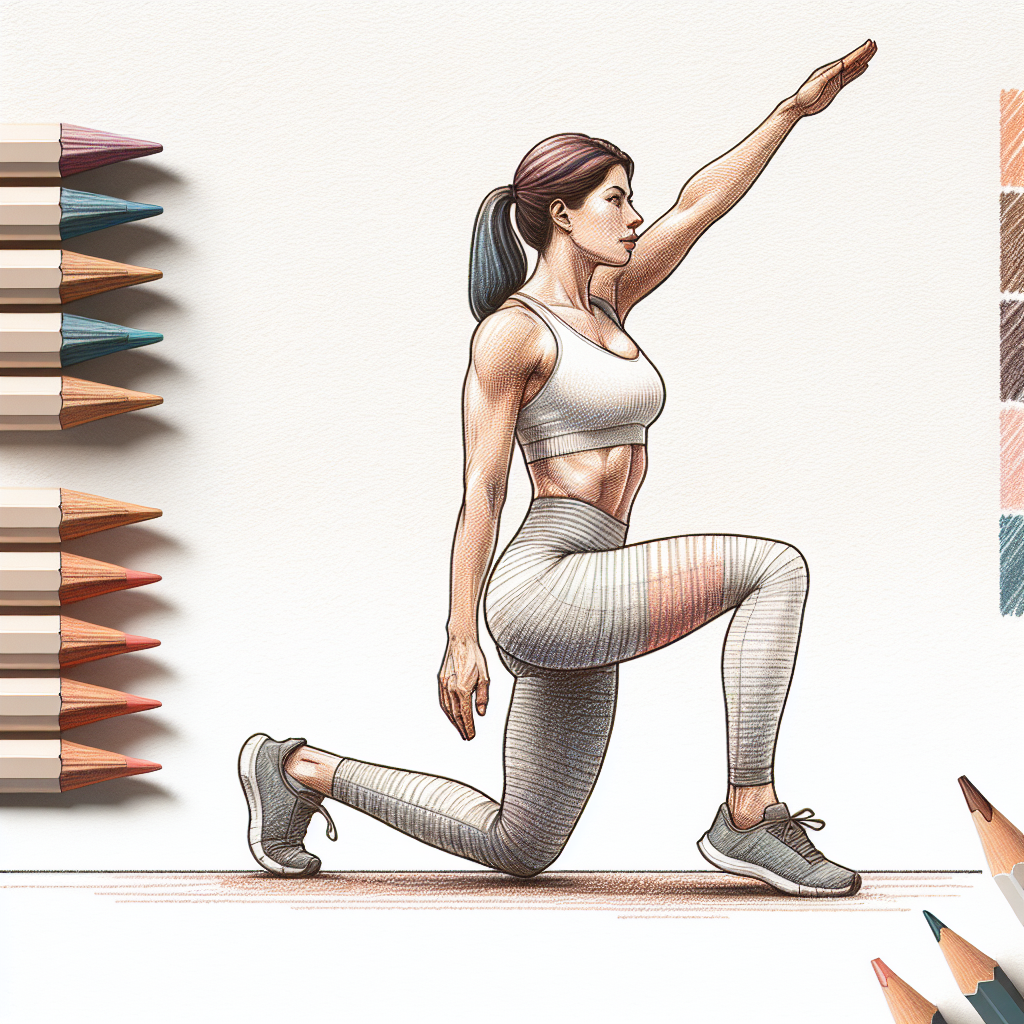
- Lunges: Focuses on the thighs and glutes. Step forward, lowering your hips until both knees are bent at about a 90-degree angle.
- Planks: Engages the core and stabilizes your body. Maintain a straight line from your head to your toes.
- Burpees: A full-body exercise that combines a squat, push-up, and jump. It enhances strength and cardiovascular endurance.
- Mountain Climbers: Strengthens the core, shoulders, and legs, while also providing a cardiovascular workout. Alternate bringing knees toward your chest while maintaining a plank position.
How to Structure Your Workout
To maximize the effectiveness of your workouts, consider the following structure:
- Warm-up: Begin with 5 minutes of light cardio, such as jogging in place or dynamic stretches.
- Choose 3-5 exercises from the list above, performing each for 30 seconds followed by a 15-second rest.
- Complete 3-4 rounds of the chosen exercises, taking a 1-2 minute break between rounds.
- Cool down: Spend at least 5 minutes stretching the major muscle groups worked.
For a more structured approach, consider registering for this 30-day exercise program, which requires only 6 minutes of your time each day but yields gym-like results.
When to Consult a Professional
While bodyweight exercises are typically safe, certain conditions may necessitate a consultation with a healthcare professional:
- Chronic pain or discomfort during exercises.
- History of cardiovascular disease or other serious health conditions.
- Pregnancy or recent surgery.
- Injury that may be aggravated by exercise.
Common Myths and Misconceptions
Several myths persist regarding bodyweight exercises that can discourage individuals from pursuing them:
- Only for Beginners: Bodyweight training can be modified to fit advanced athletes as well.
- No Results: Inadequate progression and variation can lead to stagnation, so it’s essential to consistently challenge your body.
- Just Cardio: Many bodyweight exercises promote muscle strength and hypertrophy when done correctly.
- Requires Special Skills: Most exercises can be modified to fit all levels of expertise.
FAQs
Can I build muscle with only bodyweight exercises?
Yes, bodyweight exercises are effective for building muscle when performed correctly and consistently.
How often should I do bodyweight exercises?
For optimal results, aim for at least three to four sessions per week.
Do I need to warm up before exercising?
Yes, warming up is essential to prepare your muscles and prevent injuries.
Are bodyweight exercises suitable for all fitness levels?
Absolutely! Exercises can be modified to fit beginners and advanced practitioners alike.
Can bodyweight training help with weight loss?
Yes, when combined with a balanced diet, bodyweight exercises can help facilitate weight loss.
What are the best bodyweight exercises for beginners?
Start with basic movements such as squats, push-ups, and planks to build foundational strength.
Conclusion
- Bodyweight exercises provide an effective and accessible way to enhance muscular strength.
- These workouts require no special equipment, enabling flexibility in your fitness routine.
- Structure your workouts for maximum effectiveness and include a warm-up and cool down.
- Be aware of personal limitations and consult professionals if necessary.
- Overcome misconceptions to fully engage in the benefits of bodyweight training.
Explore the vast potential of bodyweight exercises to achieve your fitness goals. Consider registering for the 30-day exercise program for a practical and manageable approach to enhancing your fitness.
Author: John Angel