
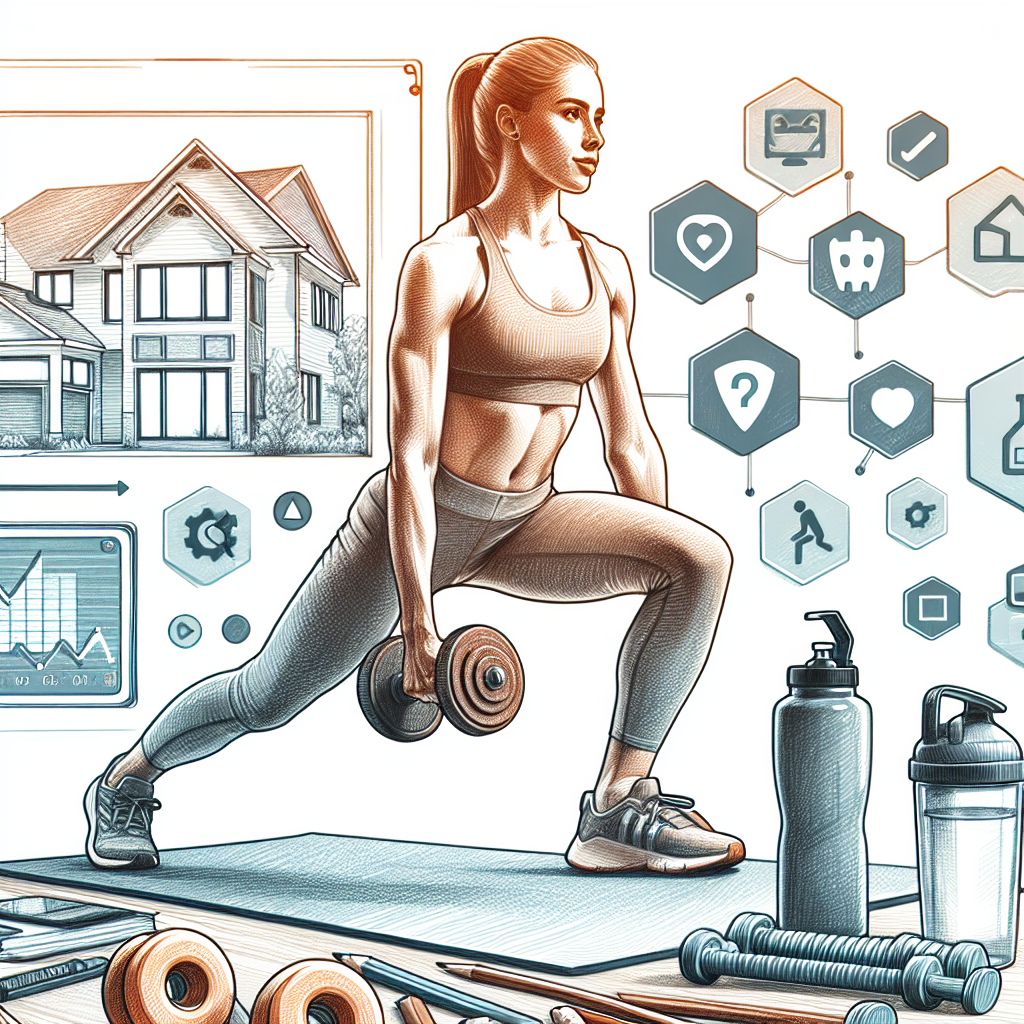
Muscle Workout No Equipment: Achieve Fitness at Home
In today’s fast-paced world, finding time for the gym can be a challenge. However, achieving effective muscle workouts without equipment is not only feasible but also highly efficient. Engaging in bodyweight exercises can build strength, enhance flexibility, and improve overall fitness levels, all from the comfort of your home. This article will guide you through various exercises, tips for maintaining motivation, and when to seek professional advice.
- Introduction
- The Advantages of Bodyweight Workouts
- Essential Bodyweight Exercises
- Designing Your Own Routine
- Common Myths About Bodyweight Training
- When to Consult a Professional
- Frequently Asked Questions
- Conclusion
The Advantages of Bodyweight Workouts
Bodyweight workouts offer numerous benefits that make them an attractive alternative to traditional gym exercises:
- Accessibility: Requires no special equipment, making them possible anywhere.
- Cost-Effective: Free of charge, contributing to savings in healthcare and fitness costs.
- Scalability: Can easily be modified to match varying fitness levels.
- Improved Functionality: Enhances daily movements through improved strength and flexibility.
Essential Bodyweight Exercises
Here are some effective bodyweight exercises that target multiple muscle groups:
- Push-Ups: Strengthen the chest, shoulders, and triceps.
- Squats: Target the legs and glutes, promoting lower body strength.
- Plank: Enhances core stability and strength.
- Lunges: Improve balance and strength in the legs and core.
- Burpees: Combine strength and cardio for a full-body workout.
- Mountain Climbers: Great for aerobic conditioning and core strength.
Designing Your Own Routine
Creating a balanced bodyweight workout routine involves understanding your fitness goals and structuring your exercises accordingly. Follow these steps to design your routine:
- Choose Your Exercises: Select a mix of upper-body, lower-body, and core exercises.
- Determine Duration: A daily session of 20–30 minutes is ideal for effective training.
- Set A Schedule: Aim for at least three to five days per week to achieve noticeable results.
- Incorporate Rest Days: Allow recovery to prevent injury and fatigue.
- Track Your Progress: Monitor improvements in strength, endurance, and overall fitness.
For an easy starting point, consider registering for a free 30-day exercise program that incorporates just 6 minutes of daily exercises yielding results comparable to a full workout at the gym.
Common Myths About Bodyweight Training
Despite its advantages, several myths persist regarding bodyweight workouts:
- Myth 1: Bodyweight Exercises Are Ineffective: In reality, they can build significant strength and endurance.
- Myth 2: Only Beginners Can Do Bodyweight Training: Advanced techniques are available for seasoned athletes as well.
- Myth 3: Bodyweight Workouts Are Boring: A diverse selection of exercises and routines ensures variety and engagement.
- Myth 4: You Can’t Build Muscle Without Weights: Progressive overload is achievable through variations and increased repetitions.
When to Consult a Professional
While bodyweight workouts are generally safe, specific concerns may warrant professional consultation:
- If you experience persistent pain or discomfort during exercise.
- When you have pre-existing health conditions affecting your physical activity.
- If you wish to design a tailored workout plan that aligns with specific health goals.
- In cases of injury, to ensure safe recovery and appropriate rehabilitation exercises.
Frequently Asked Questions
Can bodyweight exercises truly help in building muscle?
Absolutely, bodyweight exercises can effectively build muscle strength and endurance, especially when performed with proper technique and intensity.
How often should I perform bodyweight workouts?
Aim for at least three to five sessions a week, giving your body time to recover in between workouts.
Are bodyweight workouts suitable for beginners?
Yes, bodyweight workouts are excellent for beginners, as they allow for gradual progression and modification based on individual fitness levels.
What are some tips for staying motivated while exercising at home?
Set realistic goals, keep a workout journal, try new exercises, and incorporate a variety of routines to maintain engagement.
Can bodyweight training replace traditional weightlifting?
While bodyweight training can be very effective, incorporating a mix of bodyweight and weightlifting can provide a more balanced fitness regimen.
Do I need to warm up before a bodyweight workout?
Yes, performing a warm-up is crucial to prepare your body and prevent injury before engaging in any fitness routine.
Conclusion
- Bodyweight workouts are accessible and cost-effective, requiring no equipment.
- They offer various exercises that can build strength and improve physical fitness.
- Designing your routine allows for customization according to personal goals.
- Understanding myths surrounding bodyweight training can enhance your workout experience.
- Consult a professional when facing concerns or special conditions affecting your exercises.
Incorporating bodyweight workouts into your fitness routine can help you achieve your health and fitness goals effectively. Take the first step today by exploring new exercises or registering for a free 30-day exercise program that only requires 6 minutes of your time each day!
Author: John Angel