
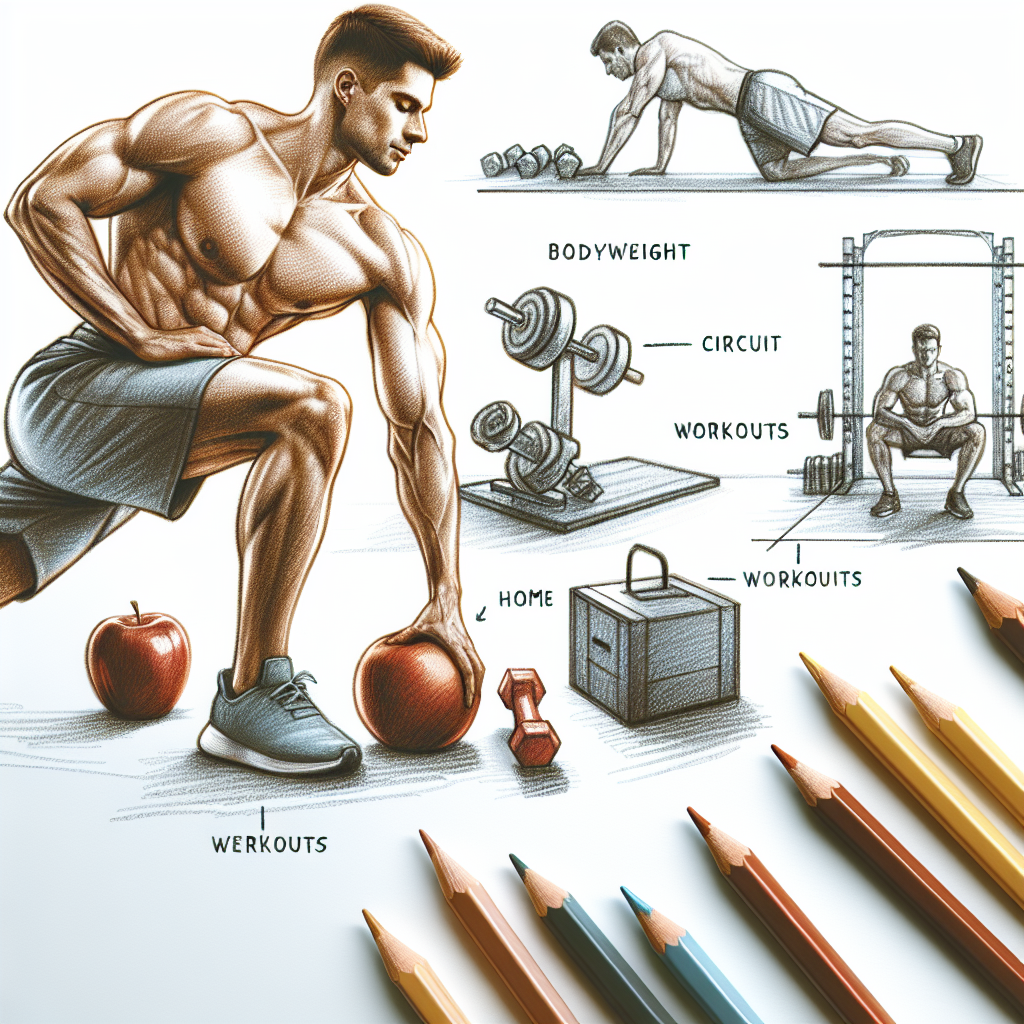
In the quest for health and fitness, the term “no equipment circuit” has gained traction as a feasible alternative to traditional gym workouts. These circuits, which can be performed anywhere using body weight as resistance, offer a convenient and effective way to improve strength, cardiovascular fitness, and overall well-being without the need for costly equipment. This article provides a comprehensive overview of no equipment circuits, including their benefits, structure, and how you can incorporate them into your daily routine.
- What is a No Equipment Circuit?
- Benefits of No Equipment Circuits
- How to Structure Your Circuit
- Step-by-Step Guide to Creating Your Circuit
- When to Consult a Professional
- Common Myths and Mistakes
- FAQs
- Conclusion
What is a No Equipment Circuit?
A no equipment circuit is a sequence of exercises performed in continuity without the use of weights or specialized gym machinery. These workouts primarily utilize body-weight movements such as push-ups, squats, lunges, and planks. Ideal for individuals who seek flexibility in their workout schedules and locations, these circuits can be completed at home, in the park, or while traveling.
Benefits of No Equipment Circuits
No equipment circuits offer a multitude of advantages, making them an appealing choice for diverse fitness levels and lifestyles.
- Accessibility: No equipment is required, allowing for workouts virtually anywhere.
- Time Efficiency: Many circuits can be completed in under 30 minutes, making them ideal for busy schedules.
- Cost-Effective: Eliminates the need for gym memberships or equipment purchases.
- Improved Functional Fitness: Engaging multiple muscle groups enhances core strength and overall body coordination.
- Scalability: Workouts can be easily modified to cater to all fitness levels, from beginners to advanced practitioners.
How to Structure Your Circuit
Structuring a no equipment circuit involves selecting exercises, determining the duration or repetitions for each, and setting rest intervals. A balanced circuit typically incorporates exercises that target various muscle groups.
- Warm-Up: Always start with a warm-up to prepare your body.
- Exercise Selection: Choose 5-7 exercises that engage different muscle groups.
- Repetition/Durations: Perform each exercise for a specific time (e.g., 30-60 seconds) or a set number of repetitions (e.g., 10-15 reps).
- Rest Intervals: Allow for 10-30 seconds of rest between exercises.
- Cool Down: Conclude with stretching to aid recovery and flexibility.
Step-by-Step Guide to Creating Your Circuit
Creating a practical no equipment circuit is straightforward. Follow these steps:
- Identify Your Goal: Decide if you’re focusing on strength, endurance, or a combination.
- Select Exercises: Include a mix of upper body, lower body, and core exercises. Examples are push-ups, squats, and planks.
- Plan Your Time: Allocate 4-6 minutes per day to your workout to start seeing results. For a more structured approach, consider registering for a 30-day exercise program like the one offered [here](https://app.revolucnicviceni.cz/en/registration).
- Track Your Progress: Keep a log of your workouts to monitor improvements and adjust as necessary.
- Stay Consistent: Commit to your daily routine for best results.
When to Consult a Professional
While no equipment circuits can be safely performed by many individuals, there are situations where consulting a healthcare or fitness professional is advisable:
- If you have underlying health issues or concerns about physical activity.
- If you experience unexplained pain or discomfort while exercising.
- If you are recovering from an injury and unsure about suitable exercises.
- If you are a beginner and require personalized guidance for effective workouts.
Common Myths and Mistakes
When it comes to no equipment circuits, several myths and mistakes can impede progress:
- Myth 1: No equipment circuits are not effective. Truth: They can be highly effective for building strength and endurance.
- Myth 2: More repetitions always yield better results. Truth: Quality of movement is crucial; prioritize form over quantity.
- Myth 3: You can’t achieve muscle growth without weights. Truth: Bodyweight exercises can stimulate muscle growth effectively.
- Mistake: Neglecting warm-up and cool-down routines. Both are essential to prevent injury and aid recovery.
FAQs
Can I really get fit without any equipment?
Yes, no equipment circuits can effectively improve strength, endurance, and overall fitness using body weight alone.
How long should I work out each day?
A daily commitment of just 6 minutes can yield significant results, especially when combined with consistency.
What types of exercises are included?
Common exercises include push-ups, squats, lunges, planks, and burpees, all of which can effectively target multiple muscle groups.
Do I need a specific level of fitness to start?
No, these circuits can be tailored to accommodate any fitness level, from beginners to advanced.
How often should I do these circuits?
For best results, aim to perform your circuit 4-6 times a week, adjusting as your fitness improves.
What should I do if I get sore?
It is normal to experience muscle soreness. Ensure you are performing exercises with proper form and allow adequate recovery time between workouts.
Conclusion
- No equipment circuits are accessible and efficient for improving fitness.
- They provide significant health benefits without requiring a gym membership.
- With just a small daily time investment, impressive results can be achieved.
- Consulting professionals can be beneficial in certain circumstances.
- Understanding common myths can help avoid pitfalls in your fitness journey.
Incorporate no equipment circuits into your lifestyle for a flexible approach to health and fitness. To begin your journey effectively, consider exploring a structured program that accommodates your busy life, such as the one available [here](https://app.revolucnicviceni.cz/en/registration).
Author: John Angel