Simple Exercises Without Equipment: Your Path to Fitness
In an era where fitness often seems synonymous with expensive gym memberships and elaborate equipment, it is important to recognize that effective workouts can be achieved directly from the comfort of your home. This article explores the myriad benefits of simple exercises that require no additional gear. With just a few minutes a day, anyone can begin to experience the benefits of regular physical activity, which can lead to improved strength, flexibility, and overall well-being.
- Benefits of Equipment-Free Workouts
- Simple Exercises to Try
- Creating Your Daily Routine
- When to Seek Professional Guidance
- Common Misconceptions
- FAQs on Simple Exercises
Benefits of Equipment-Free Workouts
Embracing exercises that do not require equipment offers several advantages. First, they are cost-effective and can be performed anywhere, making fitness more accessible. Secondly, these exercises often promote functional strength, utilizing body weight to enhance movement quality in daily tasks. Lastly, short, consistent workouts can fit seamlessly into busy schedules, ensuring that physical activity is a sustainable aspect of one’s lifestyle.
Accessibility
Without the need for equipment, individuals can engage in physical activities regardless of where they are. Whether at home, outdoors, or traveling, opportunities to exercise abound.
Functional Strength
Equipment-free workouts tend to rely on natural movements, improving strength and stability in ways directly applicable to everyday activities.
Short Time Commitment
Many effective bodyweight exercises can be completed in just a few minutes, allowing people to integrate fitness even into the busiest days.
Simple Exercises to Try
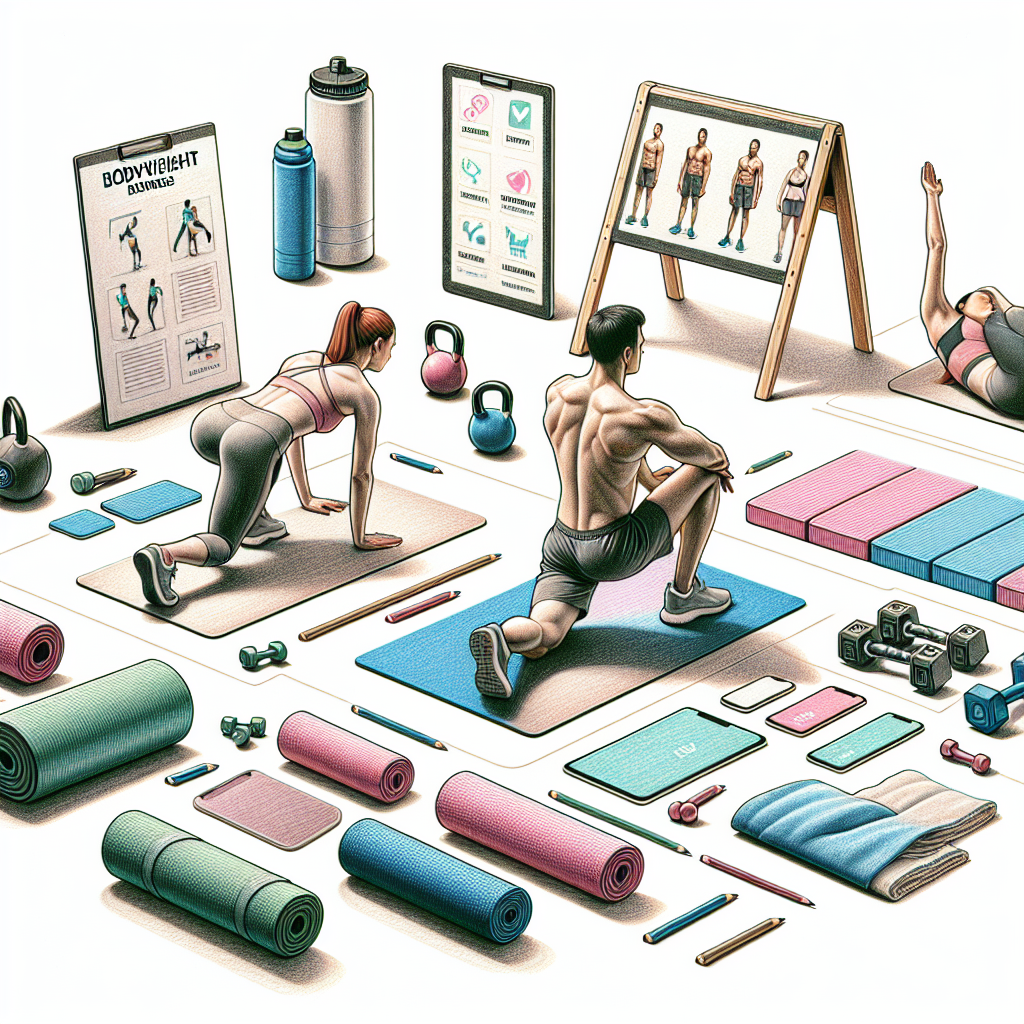
Incorporating a variety of bodyweight exercises into your routine will maximize the benefits. Here are some fundamental exercises you can start with:
- Push-Ups: Excellent for building upper body strength.
- Squats: A foundational movement promoting lower body strength.
- Plank: A core-strengthening exercise that also engages multiple muscle groups.
- Lunges: Effective for developing balance and strength in the legs.
- Bicycle Crunches: A core workout targeting the abdominal muscles.
Creating Your Daily Routine
To achieve optimal results from your bodyweight exercises, it is essential to structure your workouts effectively. Consider the following steps:
- Set a Schedule: Dedicate specific times for exercise each day.
- Start Slowly: If new to exercise, begin with shorter workouts and gradually increase their duration.
- Incorporate Variety: Mix different exercises to prevent monotony and engage various muscle groups.
- Focus on Form: Prioritize correct technique to avoid injuries and maximize effectiveness.
- Track Progress: Keep a record of your workouts to celebrate milestones and stay motivated.
For an effective program, consider registering for a 30-day exercise program that requires just six minutes daily, yielding results comparable to traditional gym workouts.
When to Seek Professional Guidance
While simple exercises are generally safe for most individuals, there are circumstances when professional advice may be warranted. Consult a healthcare provider or fitness expert if:
- You have pre-existing medical conditions or concerns.
- You experience pain or discomfort during exercise.
- You are unsure how to perform certain exercises safely.
- You seek specific fitness goals that require expert planning.
Common Misconceptions About Bodyweight Exercises
Despite their numerous benefits, misconceptions often surround bodyweight exercises. Addressing these can remove barriers to effective practice.
- Myth 1: Bodyweight exercises aren’t effective for building muscle. Truth: Bodyweight training can promote muscle growth, especially for beginners.
- Myth 2: Equipment is necessary for a good workout. Truth: Many effective workouts rely solely on body weight.
- Myth 3: Longer workouts are better. Truth: Short, intense workouts can be just as beneficial when done consistently.
FAQs on Simple Exercises
Q: Can I lose weight doing bodyweight exercises alone?
A: Yes, bodyweight exercises can contribute to weight loss when combined with a balanced diet.
Q: How often should I do bodyweight exercises?
A: Aim for at least three to five sessions per week to see noticeable improvements.
Q: What if I am a beginner?
A: Start with simpler exercises and gradually increase intensity as your fitness improves.
Q: Do I need to warm up before bodyweight exercises?
A: Yes, warming up is essential to prevent injuries and prepare your body for the workout.
Q: Can seniors perform bodyweight exercises?
A: Absolutely, but it is advisable to consult a healthcare professional to choose appropriate exercises.
Q: How do I track my progress?
A: Keep a journal of your workouts, noting repetitions, duration, and how you feel during each session.
Conclusion
- Simple exercises can be performed without any equipment, making fitness accessible to everyone.
- Bodyweight workouts promote functional strength and improve daily movement.
- Creating a structured routine with variety can maximize the effectiveness of your workouts.
- Seeking professional guidance is important when facing health concerns or uncertainties.
- Dispelling common myths can empower individuals to embrace bodyweight training.
As you embark on your fitness journey, remember that consistency is key to achieving results. Consider integrating simple exercises into your daily routine, and for a structured approach, don’t hesitate to register for a 30-day exercise program designed for maximum efficiency.
Author: John Angel