
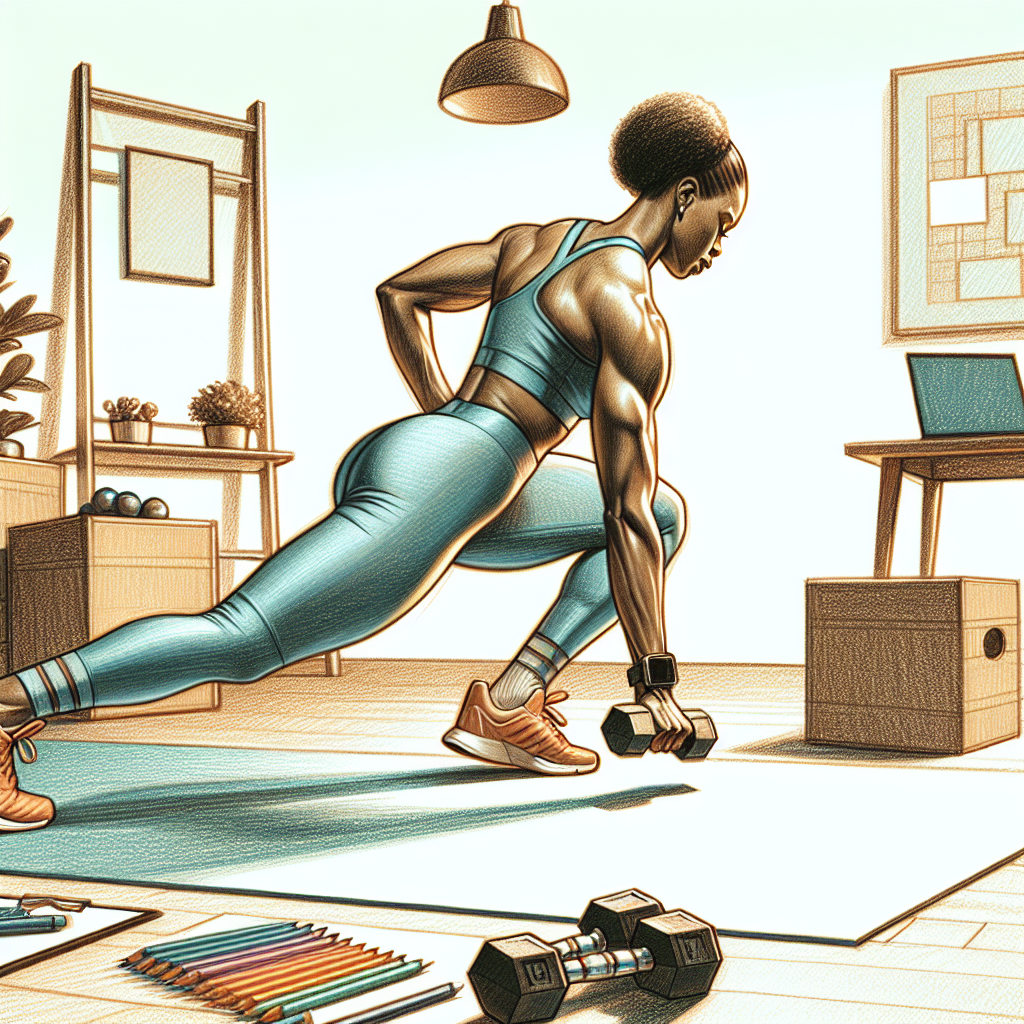
Strength training is an essential component of a balanced fitness regimen, and it can be effectively achieved at home without any equipment. Integrating strength exercises into your daily routine can lead to improved muscle mass, increased metabolism, enhanced physical performance, and better overall health. This article aims to provide you with comprehensive guidance on how to execute strength training exercises effectively at home, ensuring that you reap the maximum benefits.
- Understanding the Importance of Strength Training
- Key Strength Training Exercises Without Equipment
- Effective Workout Routines
- Common Mistakes to Avoid
- When to Consult a Professional
- Frequently Asked Questions
- Conclusion
Understanding the Importance of Strength Training
Strength training is vital for more than just building muscle. It enhances joint function, boosts your metabolism, and helps in maintaining a healthy weight. Furthermore, as we age, muscle mass tends to decrease, which can lead to various health issues. Regular strength exercises can mitigate these risks and promote longevity and vitality.
Key Strength Training Exercises Without Equipment
Here are some particularly effective exercises you can perform at home, utilizing only your body weight:
- Push-ups: Great for upper body strength, targeting the chest, shoulders, and triceps.
- Squats: Excellent for building strength in your lower body, focusing on the quadriceps and glutes.
- Lunges: Effective for balance and lower body strength, targeting various muscle groups including hamstrings and calves.
- Planks: Core-strengthening exercise that enhances stability and endurance.
- Burpees: A full-body workout that combines strength and cardiovascular fitness.
Effective Workout Routines
To get the best results from your strength training, consistency and structure are key. Consider the following sample workout routines:
- Full Body Routine (15-20 Minutes):
- 5 Push-ups
- 10 Squats
- 5 Lunges (each leg)
- 30-second Plank
- 5 Burpees
- Targeted Routine (10-15 Minutes):
- 3 Sets of 10 Push-ups
- 3 Sets of 15 Squats
- 3 Sets of 30-second Plank
For those seeking a structured program that guarantees results, you can register for a free 30-day exercise program that features just six minutes of exercise per day. Experience the tremendous benefits akin to regular gym workouts at this link.
Common Mistakes to Avoid
While strength training at home is straightforward, certain mistakes can undermine your efforts. Here are common pitfalls to be aware of:
- Neglecting Form: Always prioritize proper form over quantity. Incorrect posture can lead to injuries.
- Skipping Warm-ups and Cool-downs: Failing to adequately prepare your body increases the risk of injury.
- Inconsistency: Regularity is imperative for building strength and endurance.
- Overtraining: Allow your muscles time to recover to prevent fatigue and injuries.
When to Consult a Professional
While strength training is beneficial for most, there are instances where professional consultation may be warranted. Consider seeking help if:
- You experience significant pain during exercises.
- You have a pre-existing medical condition or injury.
- Your progress stalls after several weeks of consistency.
- You are unsure about proper form and technique.
Consulting a qualified fitness trainer or healthcare provider can also provide personalized guidance tailored to your specific needs.
Frequently Asked Questions
What is bodyweight training?
Bodyweight training refers to strength training exercises that use your body weight for resistance, eliminating the need for additional equipment.
How often should I perform strength training exercises?
It is generally recommended to engage in strength training exercises at least two to three times a week, allowing rest days in between.
Can I build muscle without weights?
Yes, you can effectively build muscle by utilizing bodyweight exercises that challenge your muscle fibers through resistance training.
How long does it take to see results from strength training?
Results may vary, but with consistent effort, most individuals start noticing improvements within a few weeks.
Is it necessary to start with a trainer?
While many people can successfully start strength training on their own, beginners may benefit from a professional’s instruction for proper form and techniques.
Can older adults perform strength training at home?
Absolutely, strength training is beneficial for older adults. However, they should consult with their healthcare provider before starting a new exercise regimen.
Conclusion
- Strength training can be effectively performed at home using bodyweight exercises.
- Consistency and proper form are crucial for building strength and avoiding injury.
- Common mistakes can hinder progress; being aware of them helps in achieving better results.
- Consulting a professional may be necessary for personalized guidance or if you experience pain.
- Consider exploring structured exercise programs to maximize your results.
Now that you are equipped with the knowledge to commence your strength training journey, I encourage you to integrate these exercises into your routine. For a hassle-free start, consider joining the free 30-day exercise program available at this link. Your path to a stronger, healthier you begins today.
Author: John Angel