
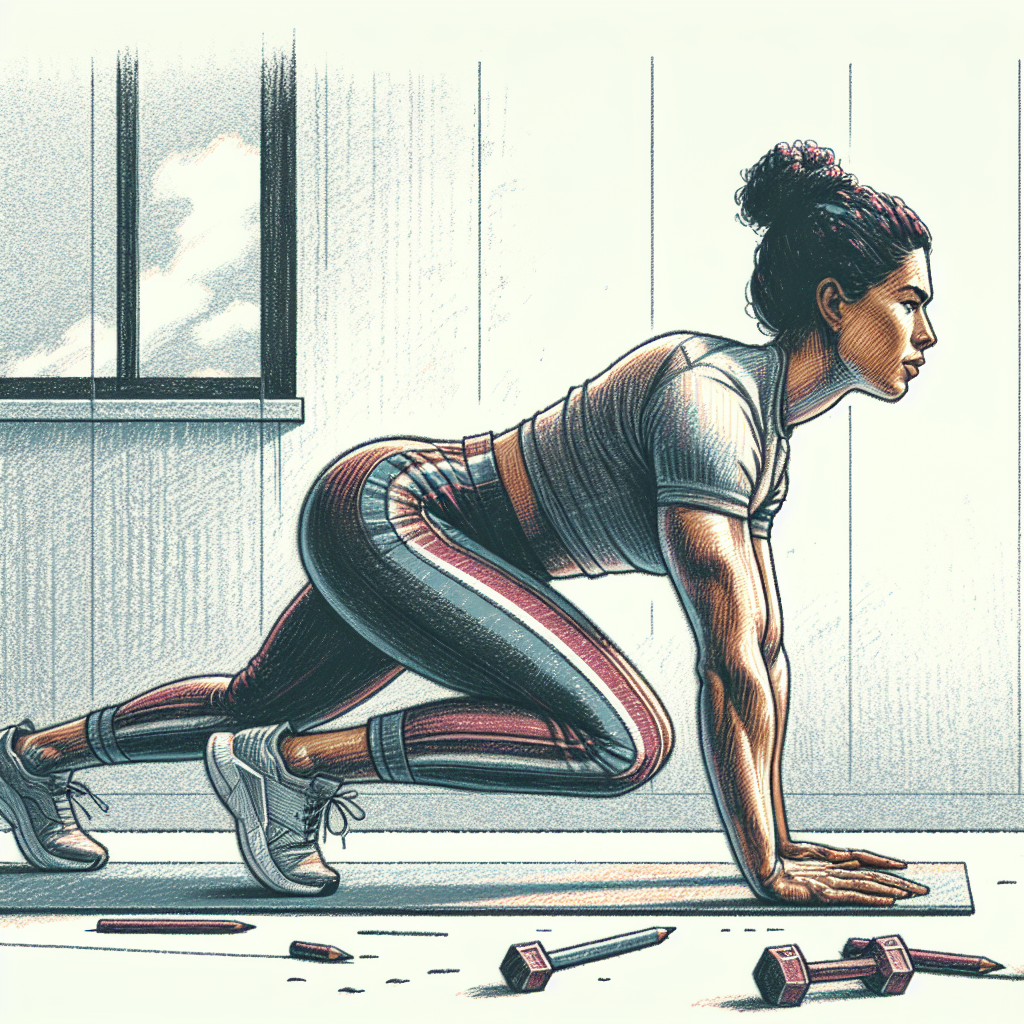
Strength Training Exercises Without Weights
Strength training is an essential component of a balanced fitness regimen, contributing to muscle development, improved metabolism, and overall health. Many individuals avoid weight training due to concerns about gym access, equipment availability, or intimidation. Fortunately, there are effective strength training exercises that require no weights at all. This article explores various bodyweight exercises, the advantages of training without weights, and tips on integrating them into your routine.
- Introduction
- The Benefits of Weight-Free Strength Training
- Key Exercises for Effective Strength Training
- Creating a Structured Routine
- Common Myths and Misconceptions
- When to Consult a Professional
- FAQ
- Conclusion
The Benefits of Weight-Free Strength Training
Engaging in strength training exercises without weights provides numerous advantages:
- Accessibility: Bodyweight exercises can be performed anywhere, making it easy to incorporate them into your daily routine.
- Reduced Risk of Injury: Weight training can pose a risk of injury if performed incorrectly. Bodyweight exercises usually minimize this risk, particularly for beginners.
- Functional Strength Development: These exercises emphasize natural movements that improve everyday function, promoting overall mobility.
- Engagement of Multiple Muscle Groups: Many bodyweight exercises work multiple muscle groups simultaneously, enhancing muscular endurance and coordination.
Key Exercises for Effective Strength Training
Below are several highly effective bodyweight exercises that can help build strength across various muscle groups:
1. Push-Ups
Push-ups primarily target the chest, shoulders, and triceps. Variations like incline or decline push-ups can increase intensity.
2. Squats
This exercise is excellent for building lower body strength, targeting the quadriceps, hamstrings, and glutes.
3. Planks
Planks strengthen core muscles and improve stability. Variations include side planks and plank twists to increase difficulty.
4. Lunges
Lunges enhance leg strength while improving balance and flexibility. Forward, backward, and lateral lunges each focus on different muscle groups.
5. Burpees
This full-body exercise builds stamina and strength, integrating squats, push-ups, and jumps into a single movement.
Creating a Structured Routine
To maximize results from bodyweight exercises, consider the following steps:
- Determine Your Goals: Identify what you aim to achieve, such as muscle strength, endurance, or weight loss.
- Select Exercises: Choose a combination of the exercises listed above based on your fitness level and goals.
- Schedule Your Workouts: Aim for at least three sessions per week, allowing for rest days to enable muscle recovery.
- Incorporate Progressions: As you become stronger, increase the difficulty by adding variations, increasing repetitions, or shortening rest periods.
- Track Your Progress: Keep a log of workouts to monitor improvements and adjust your routine accordingly.
If you are looking for a structured approach, consider this 30-day exercise program that requires just six minutes of daily effort to achieve results comparable to traditional gym workouts.
Common Myths and Misconceptions
Despite the benefits of bodyweight training, several myths persist that may deter individuals from pursuing this method:
- Myth 1: You can’t gain strength without weights. Many bodyweight exercises create enough resistance to build strength effectively.
- Myth 2: Bodyweight exercises are only for beginners. In reality, they can be adjusted to suit all fitness levels.
- Myth 3: Cardio is more important than strength training for weight loss. A balanced approach that combines both types of exercise is most effective.
When to Consult a Professional
While bodyweight training is generally safe, certain circumstances warrant professional advice:
- If you have pre-existing injuries or conditions.
- If you experience persistent pain during or after exercising.
- If you are unsure about how to perform an exercise safely.
- For personalized programming based on specific fitness goals or limitations.
FAQ
1. Can I build muscle with bodyweight exercises?
Yes, bodyweight exercises can effectively promote muscle growth, especially when progressively challenging yourself.
2. How often should I do bodyweight training?
Aim for at least three sessions per week to allow for recovery while ensuring consistent improvement.
3. Are bodyweight exercises suitable for beginners?
Absolutely. Bodyweight exercises can be adapted for any fitness level, making them ideal for beginners.
4. Do I need to warm up before a bodyweight workout?
Yes, warming up helps prevent injury and prepares your muscles for the workout ahead.
5. Can I lose weight with bodyweight exercises alone?
Yes, consistent bodyweight training, combined with a balanced diet, can lead to weight loss.
6. How can I modify exercises to increase difficulty?
To increase difficulty, try variations, add more repetitions, limit rest time, or combine exercises into circuits.
Conclusion
- Strength training without weights is highly accessible and beneficial.
- Key exercises can effectively target all major muscle groups.
- A structured routine can enhance the effectiveness of bodyweight workouts.
- Myths about bodyweight training can often deter individuals unnecessarily.
- Consult a professional in specific circumstances for personalized guidance.
As you embark on your strength training journey, consider incorporating bodyweight exercises into your routine. They offer versatile and effective means to enhance your physical fitness without the need for equipment. For a comprehensive structured approach, explore the 30-day exercise program that gets results in just six minutes a day.
Author: John Angel