Strength Training Workouts Without Weights
Strength training is essential for building muscle, increasing metabolism, and enhancing overall health. While many associate strength training with lifting weights, it is entirely possible to achieve significant results using bodyweight exercises alone. These workouts not only save time and reduce equipment costs but also provide the versatility to train anywhere, making them accessible for everyone. In this article, we will explore effective bodyweight exercises, the benefits of training without weights, and how you can achieve your fitness goals in just 6 minutes a day.
- Introduction
- Benefits of Bodyweight Training
- Essential Bodyweight Exercises
- Designing Your Strength Training Routine
- When to Consult a Professional
- Common Myths and Mistakes
- Frequently Asked Questions (FAQ)
- Conclusion
Benefits of Bodyweight Training
Bodyweight training offers numerous advantages:
- Accessibility: You can perform these exercises at home, in parks, or while traveling.
- Adaptability: Bodyweight routines can be adjusted for any fitness level, from beginners to advanced athletes.
- Improved Core Strength: Many bodyweight exercises engage your core, leading to better overall stability.
- Enhanced Functional Fitness: These movements improve real-world strength and coordination.
- Minimal Time Commitment: Short, intense workouts can yield significant results, as demonstrated in programs like this 30-day exercise program.
Essential Bodyweight Exercises
Below are some foundational bodyweight exercises that can be incorporated into your routine:
Push-Up
A classic upper body exercise that works the chest, triceps, and shoulders. Start in a plank position and lower your body until your chest almost touches the ground, then push back up.
Squat
Effective for developing leg and glute strength. Stand with your feet shoulder-width apart, lower your hips back as if sitting in a chair, then rise back up.
Plank
This core-strengthening move involves maintaining a push-up position for a set time. It enhances core stability and endurance.
Lunge
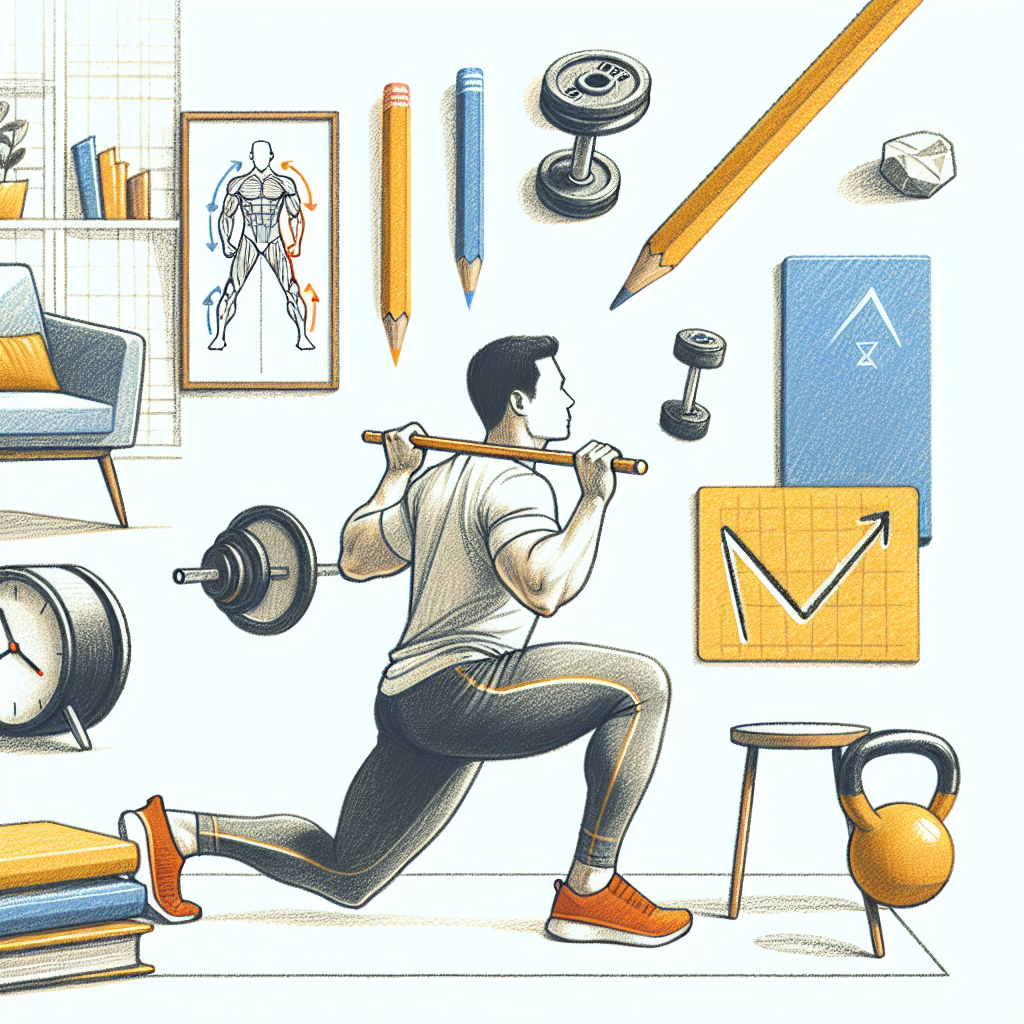
Targeting the legs and glutes, step forward with one leg and lower your hips until both knees are bent at about a 90-degree angle. Return to standing and alternate legs.
Burpee
A full-body exercise that combines a squat, push-up, and jump. Start standing, drop into a squat, kick back into a plank, return to squat, and jump up.
Mountain Climber
A great cardio and strength exercise working your arms, chest, and core. From a plank position, alternately drive your knees towards your chest as quickly as possible.
Designing Your Strength Training Routine
Creating a consistent and effective bodyweight workout routine is key to achieving your fitness goals. Here’s a structured approach:
- Warm-Up: Begin with a 5-10 minute dynamic warm-up to prepare your muscles.
- Select Exercises: Choose 4-5 exercises from the list above.
- Set Duration: Aim for 30 seconds of work followed by 15-30 seconds of rest for each exercise.
- Repeat Rounds: Perform 2-3 rounds of your selected exercises for a complete workout.
- Cool Down: Finish with stretching to aid recovery.
When to Consult a Professional
While bodyweight training is generally safe, there are circumstances when professional guidance is advisable:
- If you experience persistent pain or discomfort during exercises.
- If you have underlying health conditions that could affect your ability to exercise safely.
- When you’re unsure of your form or technique, which can lead to injuries.
- If you’re looking for tailored advice based on specific fitness goals or needs.
Common Myths and Mistakes
Various misconceptions surround bodyweight training that can hinder progress:
- Myth 1: Bodyweight exercises are less effective than weightlifting.
- Myth 2: You can’t build muscle without weights.
- Mistake 1: Focusing solely on one type of exercise (e.g., only push-ups).
- Mistake 2: Neglecting proper form, leading to ineffective workouts and injury risk.
- Mistake 3: Not varying your routine, causing plateaus in progress.
Frequently Asked Questions (FAQ)
Can I build muscle with bodyweight exercises?
Yes, bodyweight exercises can build muscle effectively, especially when performed with proper intensity and form.
How often should I do bodyweight workouts?
For optimal results, engage in bodyweight training 3-5 times per week, allowing for rest days as necessary.
Do I need to warm up before bodyweight exercises?
Yes, warming up prepares your body for exercise and reduces the risk of injury.
Are bodyweight workouts suitable for beginners?
Absolutely! Bodyweight exercises can be modified to suit any fitness level, making them ideal for beginners.
Can older adults perform bodyweight exercises?
Yes, bodyweight exercises can be adapted for older adults, focusing on balance and mobility.
What is the best bodyweight exercise for my core?
The plank is highly effective for core strengthening, but exercises like mountain climbers and hollow holds are also beneficial.
Conclusion
- Bodyweight training provides a flexible, effective approach to strength building.
- Common exercises include push-ups, squats, lunges, and planks.
- Design your routine to incorporate various exercises for balanced development.
- Consult a professional if you encounter pain or have specific fitness concerns.
- Dispelling myths and focusing on form can enhance your bodyweight workout experience.
Embrace the power of bodyweight training today, and consider registering for the 30-day exercise program to maximize your results in just 6 minutes a day!
Author: John Angel