Strength Training Workout Without Equipment
Strength training is pivotal for overall health and fitness, yet many individuals hesitate to begin due to the need for physical equipment. However, effective strength training can be accomplished using the body itself as resistance. This article explores various bodyweight exercises that can be performed anytime, anywhere, empowering you to enhance your strength without necessitating a gym membership or specialized gear. Examine the immense benefits of bodyweight training, and learn how simple routines can yield significant results.
- Understanding Bodyweight Exercises
- Key Benefits of Strength Training Without Equipment
- Recommended Exercises
- Sample Workout Plan
- When to Consult a Professional
- Myths and Misconceptions
- Frequently Asked Questions
Understanding Bodyweight Exercises
Bodyweight exercises leverage your own weight to provide resistance, helping build muscle and increase strength. Common examples include push-ups, squats, and lunges. These exercises can be modified to suit various fitness levels, making them accessible to a vast audience.
Key Benefits of Strength Training Without Equipment
Strength training without equipment brings forth various advantages that cater to both seasoned athletes and beginners:
- Convenience: Perform anywhere, whether at home, outdoors, or while traveling.
- Cost-Effective: Eliminate gym fees and purchase of weights or machines.
- Flexibility: Design a workout that fits your schedule, requiring only a few minutes per day.
- Improved Functional Fitness: Enhance strength and endurance applicable to daily life tasks.
- Reduced Risk of Injury: Lower the chances of injury compared to weighted exercises for those beginning their fitness journey.
Recommended Exercises
Implementing a variety of exercises ensures a comprehensive approach to strength training. Here are some effective bodyweight exercises:
- Push-Ups: Target the chest, shoulders, and triceps. Start on your hands and knees, transitioning to a plank position, and lower your body until your chest nearly touches the ground.
- Squats: Focus on the quadriceps, hamstrings, and glutes. Stand with feet hip-width apart, lower your body as if sitting in a chair, and rise back up.
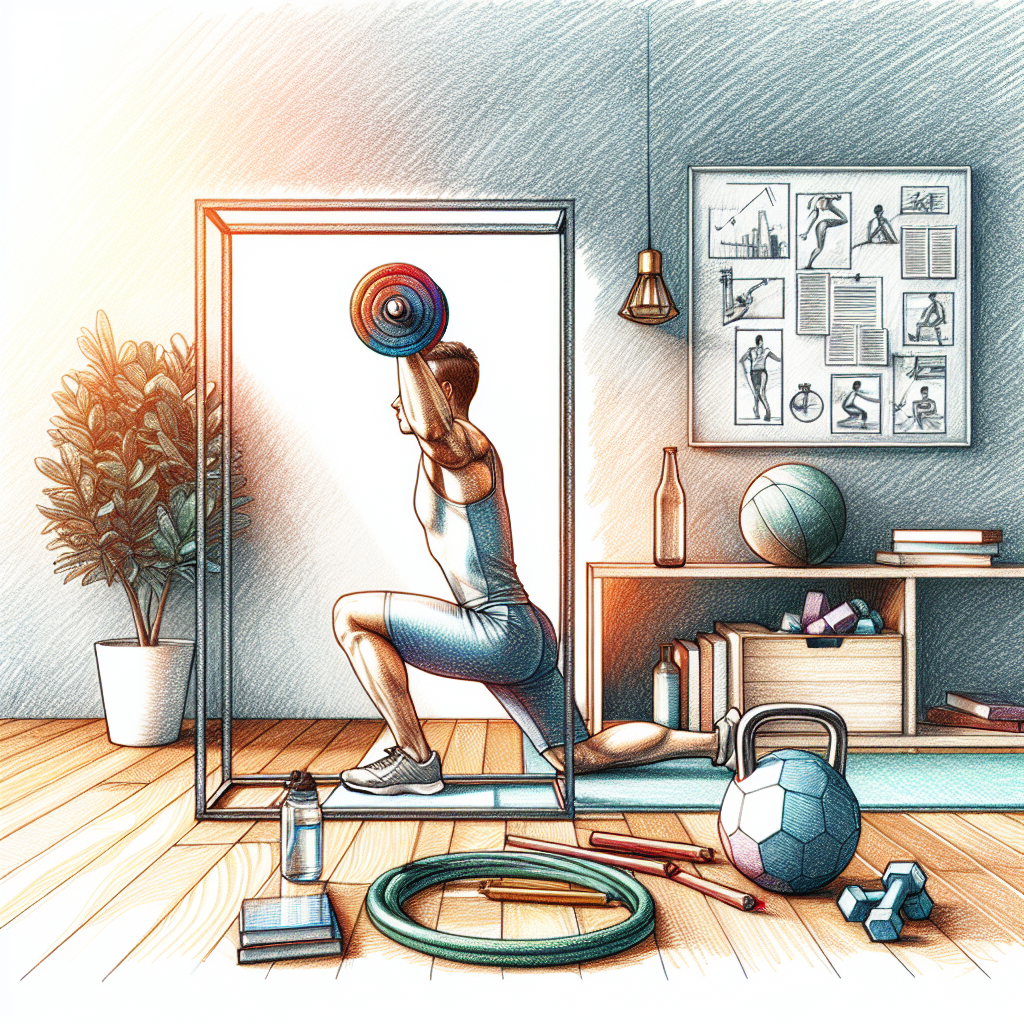
- Lunges: Engage the legs and core. Step forward with one leg, lowering your hips until both knees are bent at about a 90-degree angle.
- Planks: Strengthen the core and stability. Lie face down, lift your body on your forearms and toes, and hold a straight line from head to heels.
- Burpees: A total-body exercise that combines squats and jumps. Start standing, drop into a squat, kick back into a plank, return to squat, and explode upwards.
Sample Workout Plan
For those who may be unsure how to begin, a daily six-minute workout is highly beneficial. Here’s a sample routine:
- Warm-up with jumping jacks (1 minute)
- 10 Push-Ups
- 15 Squats
- 10 Lunges (5 per leg)
- 30-second Plank
- 10 Burpees
This quick routine emphasizes high-intensity effort within a minimal time frame. For a structured approach, consider engaging in a 30-day exercise program that emphasizes brevity and effectiveness, like the one available for free registration at this link.
When to Consult a Professional
While bodyweight exercises are generally safe for most individuals, there are instances when consulting a healthcare provider or fitness professional is advisable:
- If experiencing persistent pain or injury during exercise.
- If unsure about correct exercise technique.
- If you have pre-existing medical conditions limiting physical activity.
- If planning to start an intensive training program after a long period of inactivity.
Myths and Misconceptions
Numerous myths surround strength training without equipment. Here are a few common misconceptions:
- Myth 1: Bodyweight training is only for beginners. Fact: It can challenge advanced athletes with appropriate variations.
- Myth 2: You cannot build muscle without weights. Fact: Progressive bodyweight training can indeed increase muscle mass.
- Myth 3: Bodyweight workouts are ineffective for fat loss. Fact: High-intensity training can significantly elevate heart rate, aiding in fat loss.
Frequently Asked Questions
Can I build muscle with bodyweight exercises?
Yes, with consistent practice and progression, bodyweight exercises can promote muscle growth.
How often should I do bodyweight training?
Ideally, engage in bodyweight training 3-5 times a week for optimal results.
Are bodyweight workouts suitable for beginners?
Absolutely. Bodyweight exercises can be modified to cater to all fitness levels.
How long should a bodyweight workout last?
A 15-30 minute session is sufficient for effective strength training without equipment.
Can I lose weight with bodyweight exercises?
Yes, bodyweight workouts can help create a caloric deficit and support weight loss when combined with a balanced diet.
Will I get bored with bodyweight training?
With various exercises and modification options, bodyweight training can be continually adapted to maintain interest and engagement.
Conclusion
- Bodyweight training offers a flexible, cost-effective means to build strength.
- A diverse range of exercises ensures all muscle groups are targeted.
- Regular engagement can lead to substantial improvements in fitness levels.
- Consulting professionals is recommended if pain or confusion arises.
- Constantly challenging the body is key to continued progress and results.
Empower yourself to cultivate strength without relying on equipment. Explore the vast options available through bodyweight exercises, and consider participating in a 30-day exercise program that optimally fits your lifestyle. Begin your journey today!
Author: John Angel