
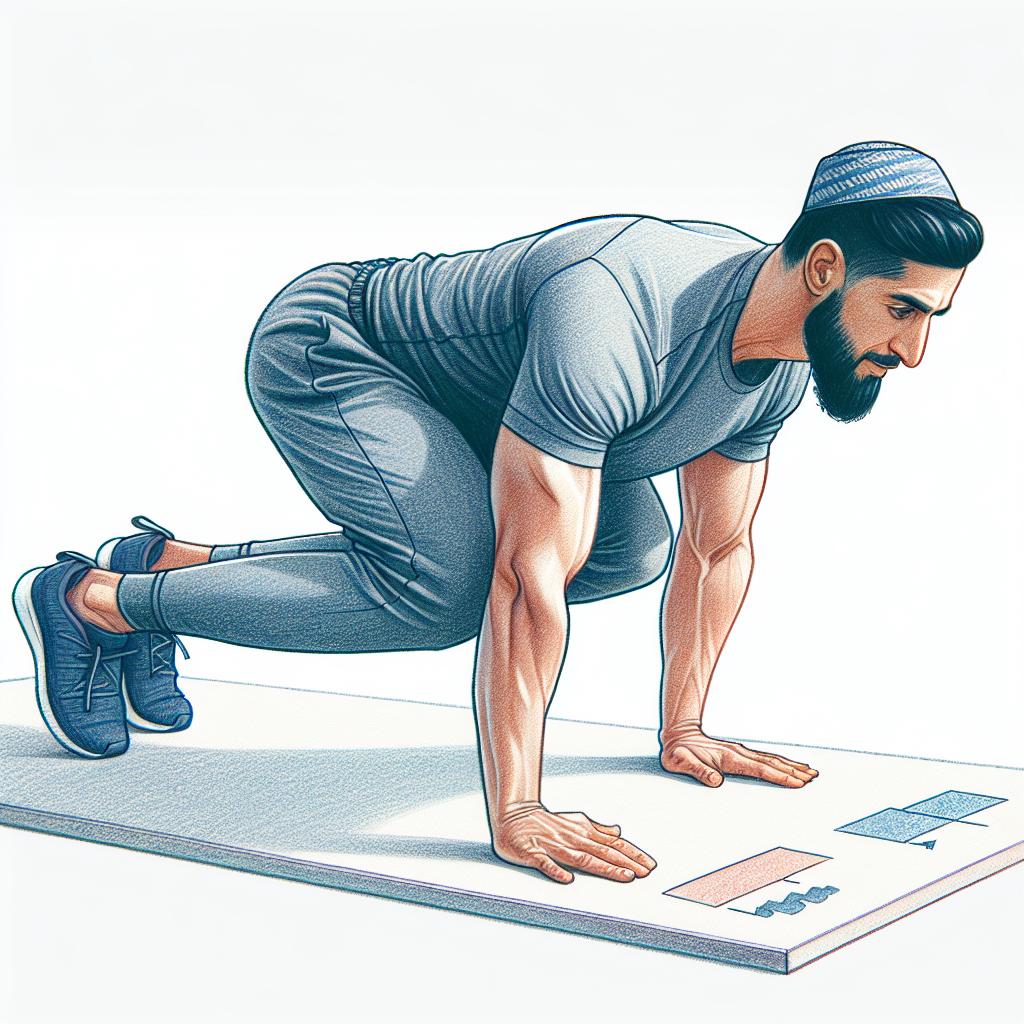
In today’s fast-paced world, cultivating strength does not necessarily require heavy weights or expensive gym memberships. “Strength without weights” refers to the practice of using bodyweight exercises to develop muscular endurance, flexibility, and overall fitness. This approach is not only accessible but can also yield significant results when performed consistently. By integrating short, effective workouts into your daily routine, you can enhance your physical capabilities and well-being.
- Understanding Bodyweight Exercises
- Benefits of Strength Without Weights
- Practical Steps to Get Started
- Common Myths and Misconceptions
- When to Consult a Professional
- Frequently Asked Questions
- Conclusion
Understanding Bodyweight Exercises
Bodyweight exercises utilize the individual’s own weight as resistance, allowing for versatile and effective strength training. Common exercises include push-ups, squats, lunges, and planks, which can strengthen multiple muscle groups simultaneously. One of the main advantages of bodyweight training is its adaptability; exercises can be modified to suit various fitness levels, making them accessible for beginners as well as advanced athletes.
Benefits of Strength Without Weights
Engaging in strength training without weights offers numerous advantages:
- Accessibility: Bodyweight exercises can be performed anywhere, requiring no special equipment or gym access.
- Cost-effective: Eliminating the need for weights and gym memberships saves money.
- Improved Functional Strength: These exercises often mimic movements in daily life, enhancing overall functionality and mobility.
- Reduced Risk of Injury: Bodyweight exercises generally pose a lower risk of injury, as they encourage natural movement patterns.
- Cardiovascular Benefits: Many bodyweight workouts can elevate the heart rate, offering cardiovascular training alongside strength benefits.
Practical Steps to Get Started
To effectively incorporate bodyweight exercises into your routine, consider the following steps:
- Start Slowly: Choose 3-5 basic exercises such as push-ups, squats, or planks, and perform them for 20-30 seconds each, allowing for rest in between.
- Consistency is Key: Aim to perform these exercises at least 3-4 times a week.
- Explore Online Resources: Consider enrolling in a structured program like the 30-day exercise program that requires just 6 minutes daily to achieve gym-like results.
- Gradually Increase Intensity: Once comfortable, increase repetitions, sets, or include variations like jump squats or single-leg exercises.
- Listen to Your Body: Pay attention to how your body responds, adjusting intensity and volume to avoid overtraining.
Common Myths and Misconceptions
Despite the effectiveness of bodyweight training, several myths persist:
- Myth 1: Bodyweight workouts do not build muscle mass.
- Myth 2: You cannot lose weight with strength training.
- Myth 3: Bodyweight exercises are only for beginners.
- Myth 4: Strength training without weights is ineffective.
- Myth 5: You must work out for long durations to see results.
When to Consult a Professional
While many can safely engage in bodyweight exercises, specific circumstances warrant professional guidance:
- If you have pre-existing medical conditions, especially related to the musculoskeletal system.
- When experiencing persistent pain during or after exercises.
- If you are unsure about proper form or technique.
- When planning a tailored exercise program based on specific fitness goals or health limitations.
Frequently Asked Questions
Can I build muscle with bodyweight exercises?
Yes, bodyweight exercises can build muscle, particularly when performed with sufficient intensity and volume. Variations can increase the challenge further.
How often should I perform bodyweight exercises?
Aim for 3-4 times a week to see meaningful results while allowing muscle recovery.
Are bodyweight exercises suitable for beginners?
Yes, they are ideal for beginners, as exercises can be modified to fit various fitness levels.
Can bodyweight training help with weight loss?
Certainly. When combined with a proper diet, bodyweight exercises can aid in weight loss and fat reduction.
How long should I work out each day?
Starting with just 6 minutes of focused bodyweight exercises daily can yield significant results; however, any increase in activity duration can lead to additional benefits.
What if I get bored with bodyweight exercises?
Try incorporating new variations or combining exercises into circuits to keep the workouts dynamic and engaging.
Conclusion
- Bodyweight training is a versatile and effective way to build strength without weights.
- It offers accessibility, affordability, and functional benefits.
- Establishing a consistent routine is essential for achieving desired results.
- Myths about bodyweight training can lead to misconceptions; awareness is crucial.
- Consulting a professional can provide guidance when faced with challenges or uncertainties.
Strengthening your body without weights is not only feasible; it can be empowering and motivating. To start your journey toward a stronger, healthier you, consider taking part in a structured program like the 30-day exercise program. Just six minutes a day can set you on a path to impressive results.
Author: John Angel